


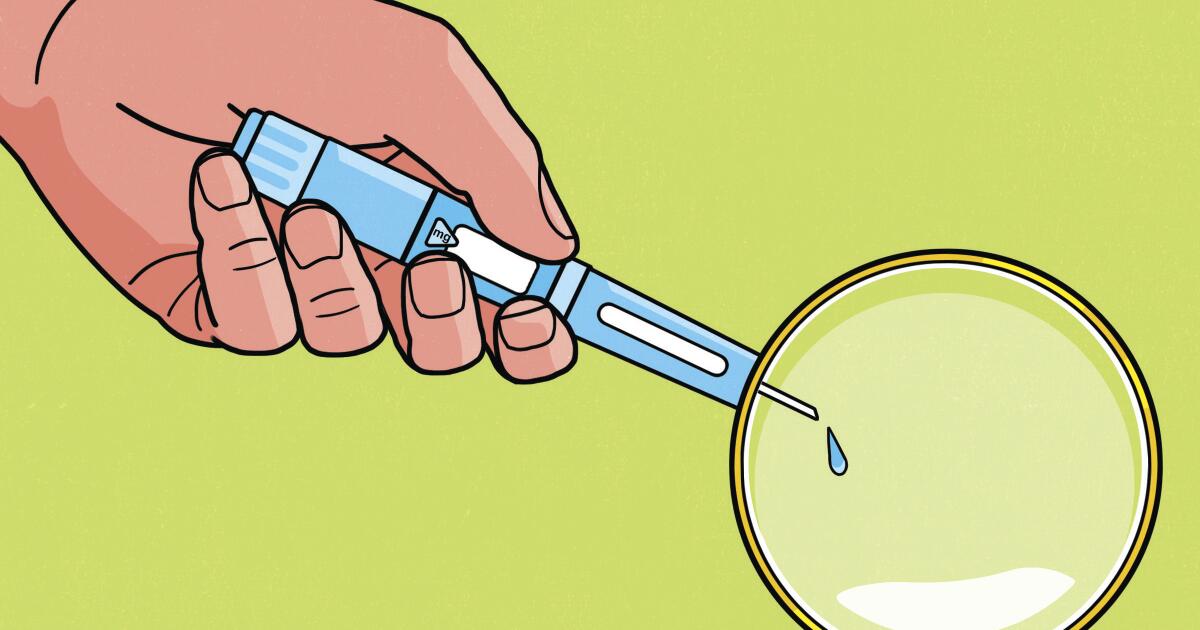
It doesn’t take much these days to fall down a GLP-1 rabbit hole on the internet. TikTok, Instagram, Facebook and Reddit all feature streams of testimonials from people touting the miracle — and warning of the risks — of GLP-1 drugs like Ozempic and Wegovy.
In recent years, microdosing — taking smaller doses than what’s generally prescribed for obesity and diabetes — has also cultivated a cult-like following online. Microdosing advocates claim it can help with weight loss by reducing cravings, better metabolic health, reduce inflammation, enhance mood and cognitive function, and even potentially improve longevity, all while coming with less side effects and being more affordable than larger doses.
Microdosing GLP-1s began emerging as a trend after Wegovy, an Ozempic competitor, was approved by the FDA for obesity in 2021. (Previously, Ozempic was being used for weight loss, but had only been approved for diabetes.) In the years following approval, a growing number of household names from Oprah to Elon Musk spoke publicly about their positive experiences using GLP-1s for weight loss. This fueled an exponential growth in interest among the public, but not everyone qualifies for GLP-1s through their insurance or can afford them, even if they do.
All of the major brand-name medications people currently use for weight loss are based on one of two molecules: semaglutide or tirzepatide, and most are self-injected weekly. Ozempic and Wegovy contain semaglutide, which works by mimicking a hormone called GLP-1 that helps regulate appetite and blood sugar. Mounjaro and Zepbound contain tirzepatide, which targets that hormone plus another one involved in metabolism.
The price of weight loss
Brand name GLP-1s cost around $10,000 per year or more if paid for out of pocket, and around $300 to $1,200 per year if covered by insurance. Many insurance plans, however, will only pay for GLP-1s if a person has a diagnosis of diabetes, not obesity. On top of that, one of the biggest complaints about GLP-1s, when taken according to the standard doses approved by the FDA — is that they cause side effects such as nausea, diarrhea and fatigue. Influencers, everyday people and even some medical professionals online now recommend microdosing as a potential solution.
“In three weeks, I have lost 7 pounds and [have] very few side effects. Before now I was terrified of them. They put my husband on [a] standard dose for diabetes and he was just so sick,” reads a Reddit post by MenloShark25, who says they’re receiving their prescription through telehealth provider Midi.
“I’m microdosing. I’m on week 4 of [semaglutide] and my mind is blown,” reads another Reddit post by palenesslitethesky. “I feel so much better than I expected to. The microdosing is great for me because I was super scared about getting constipated. I am down 9 pounds and my tastes changed. I was addicted to sugar!! Addicted. Now I hardly want sugar.”
The DIY injections boom
In 2025, following the surge of anecdotal reports online about microdosing, a number of telehealth companies such as Fridays, Noom and Found Health started offering GLP-1 protocols at lower doses and lower costs. Previously, people who were taking smaller doses of GLP-1s were either getting them “off label” from a physician — which means they were prescribed, but not based on the protocols approved by the FDA — or getting them illegally online and figuring out how to take them on their own. One controversial aspect of microdosing GLP-1s is that, when they’re taken in smaller doses, they often come from compounding pharmacies that make their own versions of FDA-approved drugs. This allows for dose customization but isn’t subject to the same reviews for safety, efficacy or consistency, and may carry added risks related to quality control, potency variation or contamination.
For people like Monika Awadalla, however, they feel they have no choice but to find GLP-1s on their own, unable to afford the cost of treatment through a physician. Awadalla, a 31-year-old caretaker living in Huntington Beach, has been buying a compounded tirzepatide from an illegal manufacturer in China that she connected with through a Facebook group about a year and a half ago. In that time, she’s gone from 245 pounds to 140 pounds.
“I’m extremely happy now,” she says. “I don’t need to stay home, I’m not embarrassed, I’m already looking forward to summer. Everything is just in its right place.” The manufacturer, who communicates on encrypted messaging boards such as Telegram and Signal, charges $290 for 10 vials of compounded tirzepatide, which will last Awadalla about a year.
Based on stories like Awadalla’s, it’s no wonder so many people are curious about microdosing GLP-1s through their doctor, telehealth companies and illegal suppliers. But do we have enough information yet on the benefits and risks? Here’s the deal.
A doctor’s take
For now, there’s no scientific studies looking at the efficacy and safety of microdosing GLP-1s. Dr. Shauna Levy, medical director for the Tulane Weight Loss Center, says that doesn’t mean it doesn’t work, but that the medical community just doesn’t know. Even if it does cause weight loss or a reduction in inflammation, she says, it’s unclear whether those results will persist long-term or whether the practice causes harm.
One of the biggest problems with the term “microdosing,” as it pertains to GLP-1s, Levy says, is that it’s “vague,” and there’s no consensus on what it’s referring to. “Microdosing GLP-1s is almost becoming this buzz word that carries inconsistent meaning. I think there are many people who are using it as a marketing tool because they want people to think you’re not on a full dose of a GLP-1,” she says. “But if we’re really talking about treating obesity, those microdosing doses are not going to be effective for most people, and so I worry people are going to pay for it cause it’s cheaper and then it’s not going to work for them and they’re going to think ‘here’s one more thing that’s not working for me.’”
Levy says GLP-1s, when prescribed correctly, are “fantastic” for treating obesity. In her patients, gastrointestinal effects are common but generally tolerable. She also believes that it’s important to expand the criteria for obesity so that more people qualify for these drugs through the proper channels, but says it’s crucial that patients receive ongoing care from a medical professional who has been licensed by the American Board of Obesity Medicine. “A lot of GLP-1s are being prescribed by untrained in obesity professionals,” Levy says. “My No. 1 issue is who is prescribing it.”
Dr. Sara Siavoshi, a board-certified obesity, neurology and headache specialist, treats about 5,000 patients in her practice. She estimates 30 to 40% of them are microdosing either tirzepatide or semaglutide. Siavoshi defines a microdose as “the lowest dose of a GLP-1 that lowers food noise without causing any significant weight loss.” Food noise, a term used in obesity medicine, refers to chronic unwanted thoughts that make healthful choices (both about how much to eat and what to eat) difficult. If the GLP-1 dosage leads to more weight loss than 3 or 4 pounds, she says, then she doesn’t define it as a microdose. She says most people seem to think a microdose means an amount that’s lower than what’s commercially available, but in her practice, she hasn’t seen it benefit most of her patients when doing that. Generally, she’s found success in putting people on the lowest commercially available dose of a GLP-1. “I’ll tell you the patient satisfaction rate is extremely high and patients are very, very happy on these meds,” Siavoshi says. In addition to reducing food noise, her primary goal is to lower inflammation in patients with autoimmune conditions.
Recommended: continuous, certified care
Siavoshi emphasizes the importance of working with someone who has been trained in obesity medicine, pointing to the American Board of Obesity Medicine’s website, where patients can look up their providers and make sure that they’re certified. She’s not opposed, she said, to all online platforms providing care, but says it’s essential to be getting consistent support from someone who can put together a treatment plan and be there throughout the process.
This story originally appeared on LA Times

