


Some of the greatest movie scores ever are frequently omitted from film music discourses. Film music is often discussed through the same handful of legendary scores. John Williams’ work on Star Wars, Howard Shore’s The Lord of the Rings, and Hans Zimmer’s biggest blockbusters tend to dominate conversations about great movie soundtracks. While those classics absolutely deserve their praise, they can sometimes overshadow equally impressive scores hiding elsewhere in cinema history.
Soundtracks frequently become so closely associated with their films that audiences take them for granted. Others are attached to smaller movies that never achieved the cultural footprint needed to keep their music in the spotlight. In many cases, the score quietly does its job so effectively that viewers remember the scenes but not the composer responsible for making them work.
Film music is designed to guide audience emotions, shape the atmosphere, and often becomes an essential part of a movie’s identity. Whether creating terror, wonder, melancholy, or excitement, a great soundtrack can elevate every moment on screen. These scores may not appear on every list of all-time classics, but each one contains remarkable compositions that deserve far more attention than they usually receive.
Batman Returns (1992)
Danny Elfman’s score for Batman Returns often lives in the shadow of his iconic music from Tim Burton’s first Batman movie, but the sequel certainly contains the richer soundtrack. Rather than simply repeating familiar themes, Elfman expands them in fascinating ways.
Each of the three protagonists have their own theme that’s linked musically to subtly show the similarities between them. The music associated with Catwoman is particularly memorable, blending elegance, danger, and tragedy into a theme that perfectly matches Michelle Pfeiffer’s performance. Her transformation scene features, in particular, boasts an impeccable piece of music that transforms the scene into an operatic tragedy.
The Penguin’s music is equally effective, combining circus-inspired elements with genuine sadness. The score constantly shifts between gothic fantasy and emotional drama without feeling disjointed. For a movie filled with eccentric characters and bizarre imagery, the Batman Returns soundtrack somehow manages to be even more theatrical.
Chicken Run (2000)

When people discuss great animated film scores, Chicken Run is rarely the first title mentioned. That is a shame because Harry Gregson-Williams and John Powell created one of the most entertaining adventure soundtracks of its era. The score cleverly treats the chickens’ escape plans with the seriousness of a classic war movie — mostly.
Large orchestral themes inspired by The Great Escape accompany scenes that are, on paper, about poultry plotting a prison break. The contrast is hilarious but also surprisingly effective. The soundtrack then bolsters this contrast by introducing kazoos in multiple places.
The action music is especially energetic, particularly during the climactic escape sequence, with a genuine sense of propulsion and haste. Further, the Chicken Run soundtrack never talks down to its audience despite the family-friendly premise. Instead, it approaches every scene with complete sincerity, making the adventure feel genuinely epic.
Gods And Monsters (1998)

Carter Burwell’s work on Gods and Monsters is subtle enough that some viewers barely notice it during their first watch. However, the score becomes increasingly impressive upon revisiting the film. The movie explores the final years of filmmaker James Whale, director of Frankenstein, and Burwell’s music captures both nostalgia and regret without becoming overly sentimental.
Rather than overwhelming scenes with emotion, the score gently supports Ian McKellen’s remarkable performance. The beautiful leitmotifs that appear throughout are adapted to multiple stunning pieces that reflect Whale’s tragic life. Several pieces also evoke the grandeur of classic Hollywood while maintaining a deeply personal quality.
The Gods and Monsters soundtrack reflects Whale’s memories, ambitions, and loneliness in a way that feels completely natural. Like Gods and Monsters itself, the music rewards patience and attention. It may not feature instantly recognizable themes, but its emotional precision makes it one of Burwell’s finest.
One Hour Photo (2002)

Robin Williams’ unsettling performance as Sy Parrish deservedly receives most of the attention in One Hour Photo, but the film’s score is equally important to its success. Composer Reinhold Heil creates a soundtrack filled with quiet unease. Instead of relying on obvious horror techniques, the music reflects Sy’s fragile emotional state.
Much of the score feels restrained and clinical, mirroring the sterile environments where the character spends his days developing photographs. As Sy’s obsession deepens, the soundtrack subtly becomes more uncomfortable. The music rarely announces danger outright, preferring to let tension slowly accumulate beneath the surface.
By the finale, the score is pushing the drama forward, almost as if its control Sy himself. This approach perfectly complements One Hour Photo’s themes of loneliness and voyeurism. The score is rarely flashy, but it constantly keeps viewers slightly off balance.
Midsommar (2019)

Bobby Krlic’s score for Midsommar performs an impressive balancing act. It is simultaneously beautiful, unsettling, and strangely comforting. Unlike many horror soundtracks that focus on sudden shocks, the music here gradually creates a sense of unease. Choral arrangements and folk-inspired instrumentation help establish the strange atmosphere of the isolated Swedish community.
Even during seemingly peaceful scenes, the soundtrack hints that something is deeply wrong. Much of the music is textural, with only a couple of true melodies pushing through at key moments, notably during the final scene. The opening composition is also particularly effective, accompanying one of the most devastating sequences in modern folk horror.
Later pieces become increasingly grand and ceremonial as Dani’s journey unfolds. The Midsommar score is particularly praiseworthy for its refusal to separate beauty from horror. The music embraces both qualities at once, creating an experience that feels uniquely disorienting.
Under The Skin (2013)

Few soundtracks sound quite like Mica Levi’s extraordinary work on Under the Skin. The score feels alien in the truest sense of the word. Using distorted strings, unusual rhythms, and haunting melodies, Levi creates music that constantly reminds viewers they are seeing the world through an outsider’s perspective.
Scarlett Johansson’s character may look human, but the soundtrack never lets audiences forget her true nature. The famous “Love” theme demonstrates remarkable emotional complexity, while the unsettling pieces accompanying the film’s predatory sequences remain deeply disturbing years later.
Many science-fiction scores aim for grandeur. Under the Skin does the opposite. Its music feels intimate, strange, and impossible to predict. It is one of the most distinctive film soundtracks of the twenty-first century.
Tron (1982)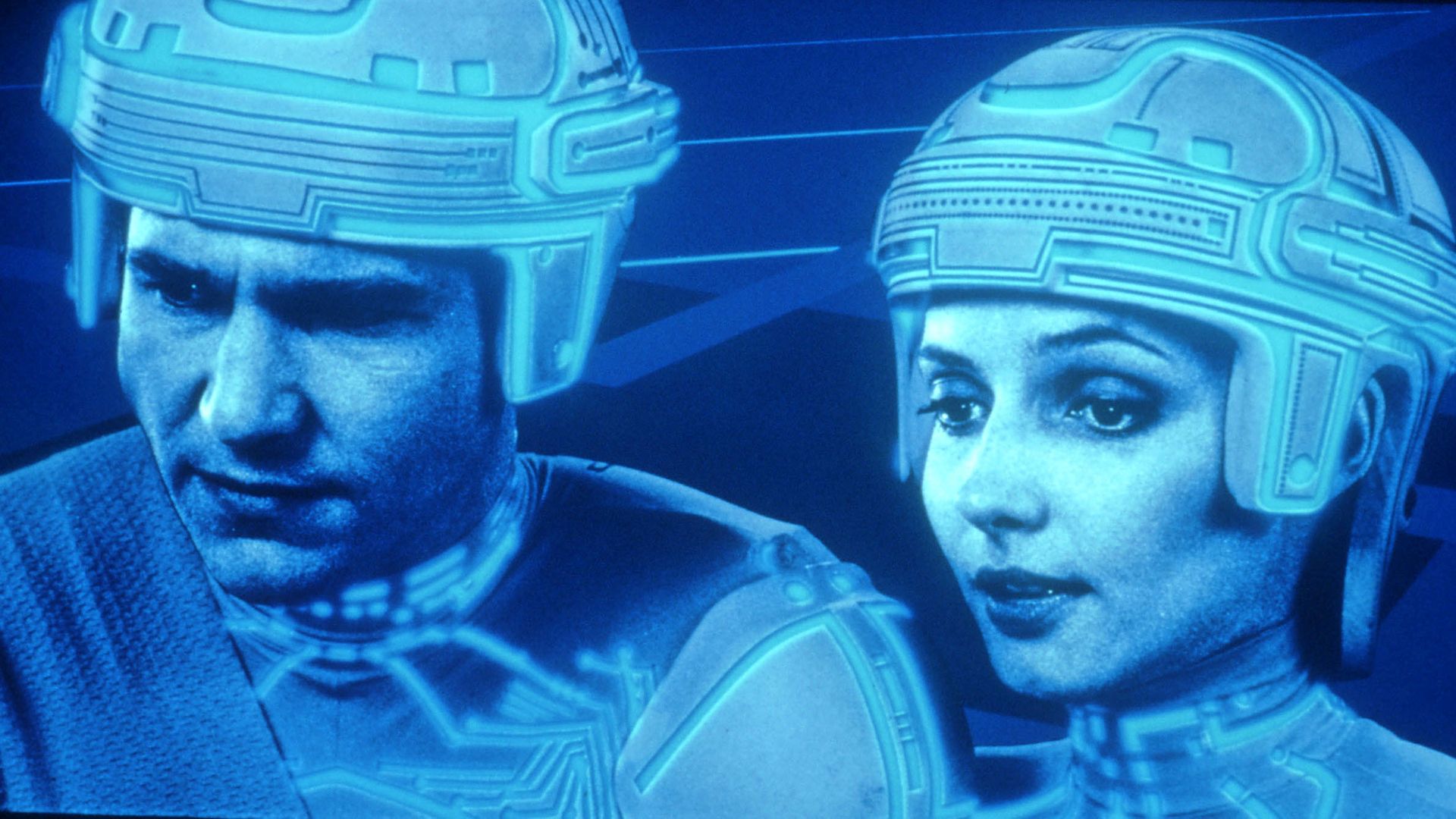
The original Tron is frequently remembered for its groundbreaking visuals, but Wendy Carlos’ score deserves just as much recognition. Carlos combines traditional orchestral music with pioneering electronic sounds, creating a soundtrack that perfectly matches the film’s digital setting.
At a time when computer technology still felt mysterious to many audiences, the music helped make the virtual world feel futuristic and believable. The score constantly alternates between synthetic textures and classical influences. This combination gives Tron a unique identity that many later science-fiction movies attempted to emulate.
While Daft Punk’s soundtrack for Tron: Legacy understandably attracts most modern attention, the original Tron‘s music remains a fascinating achievement that helped define the sound of cinematic cyberworlds decades before they became commonplace.
Home Alone (1990)

John Williams’ score for Home Alone is often overshadowed by his more famous franchises, which is remarkable considering how essential it is to the movie’s success. The soundtrack captures both the magic of Christmas and the excitement of childhood adventure by infusing classical-inspired festive pieces with hero and villain themes.
Pieces such as “Somewhere in My Memory” have become holiday staples, yet the score contains much more than seasonal sentimentality. Williams also provides energetic music for Kevin’s increasingly elaborate battle against Harry and Marv.
The Home Alone soundtrack treats these slapstick confrontations with a playful grandeur, making every trap feel like part of a child’s epic campaign. Without Williams’ music, many scenes feel closer to a horror movie than a holiday classic. His score helps transform a simple family comedy into something timeless and endlessly rewatchable.
The Thing (1982)

Ennio Morricone’s score for The Thing is a masterclass in restraint. Rather than filling every scene with dramatic music, he often uses simple, repetitive motifs that gradually build dread. The famous heartbeat-like bass line remains one of horror cinema’s most effective musical ideas.
It creates tension even during moments when nothing visibly threatening is happening. Viewers instinctively feel that something is wrong, perfectly reflecting the growing sense of an undetermined threat.
The music reflects uncertainty and suspicion, reinforcing the idea that nobody can be trusted. Unlike many horror scores that aim for immediate terror, The Thing slowly gets under the audience’s skin. Morricone’s work is subtle, intelligent, and deeply unsettling, making The Thing one of the genre’s greatest achievements.
The Omen (1976)

Jerry Goldsmith’s score for The Omen remains one of the most ambitious horror soundtracks ever composed. Remarkably, it is still not discussed as often as it deserves. Goldsmith famously incorporated Latin chants and religious imagery into the music, creating a soundtrack that feels genuinely ominous.
The Academy Award-winning composition “Ave Satani” remains one of horror cinema’s defining pieces, instantly establishing a sense of dread. The score elevates scenes that might otherwise play as straightforward suspense. Whether accompanying mysterious deaths or subtle supernatural hints, the music constantly reinforces the film’s apocalyptic themes.
Many horror soundtracks focus on frightening audiences. The Omen aims for something larger. It creates the feeling that much greater forces are at work, making the story feel both intimate and terrifyingly grand.

- Release Date
-
June 25, 1976
- Runtime
-
111 minutes
- Director
-
Richard Donner
-

Gregory Peck
Robert Thorn
-
Lee Remick
Katherine Thorn


This story originally appeared on Screenrant

