


August 11, 2026
Pruning Around My Pool
Outdoor summer chores continue at my farm with a good pruning of the shrubs around my pool.
Along the outside of the pool fence, I have a growing hedge of two striking, dark-leaved shrubs: Physocarpus opulifolius ‘Diabolo’ and Cotinus coggygria ‘Royal Purple.’ I always enjoy incorporating unusual and interesting plants in my gardens, and these two varieties are especially beautiful, with their rich burgundy-black foliage and graceful forms. I first planted them in 2018, and they have thrived in this location ever since. This week, my resident tree expert, Pasang Sherpa, is giving them a substantial pruning to keep the plants healthy, well-shaped, and under control. Some of the shrubs had grown more two feet since spring, so they were certainly ready for a trim.
Here are a few photos, enjoy!
-
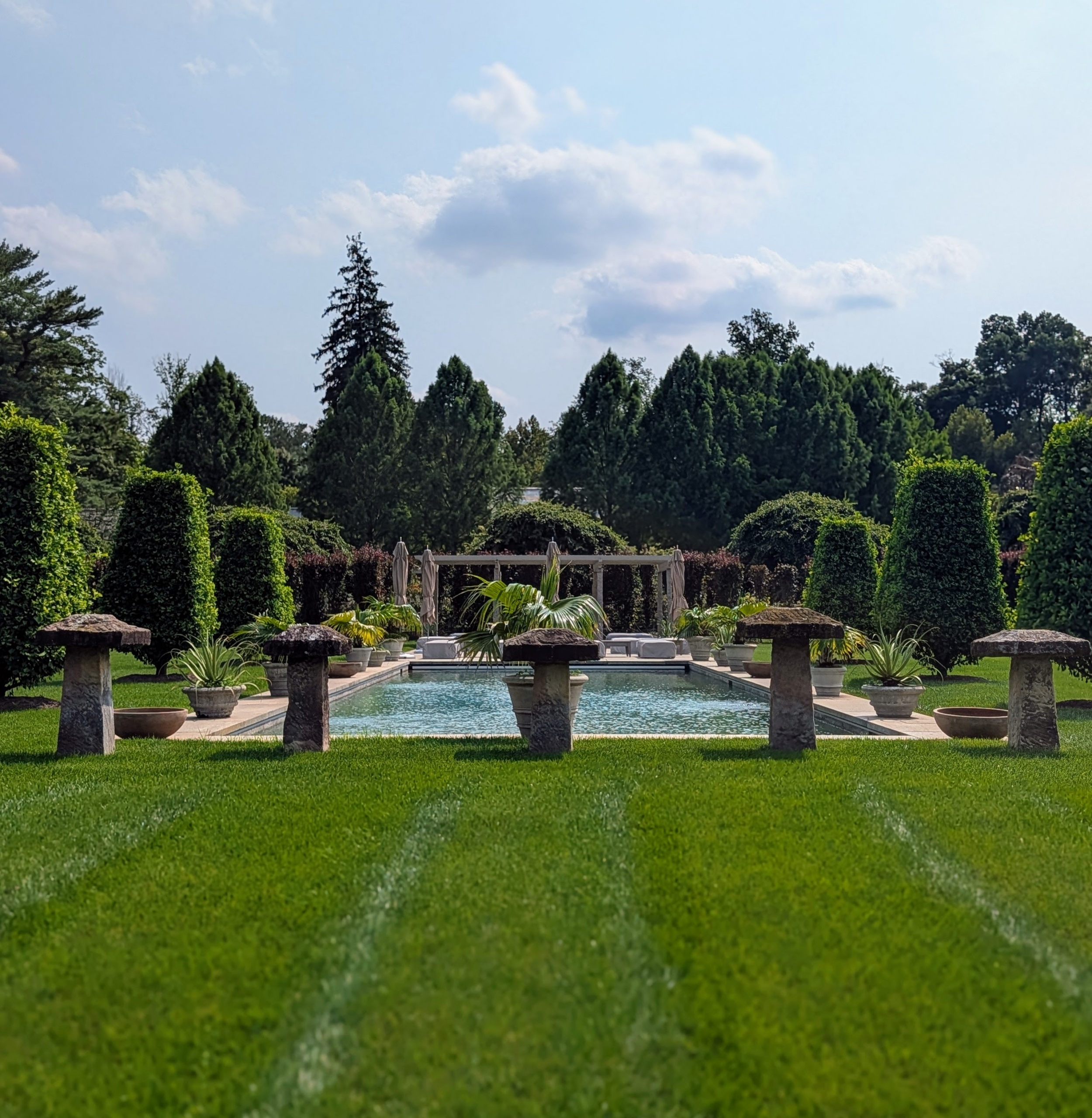
- I wanted my pool area to look as natural as possible, where I could enjoy the gardens and panoramic views of the landscape with my family and friends.
-
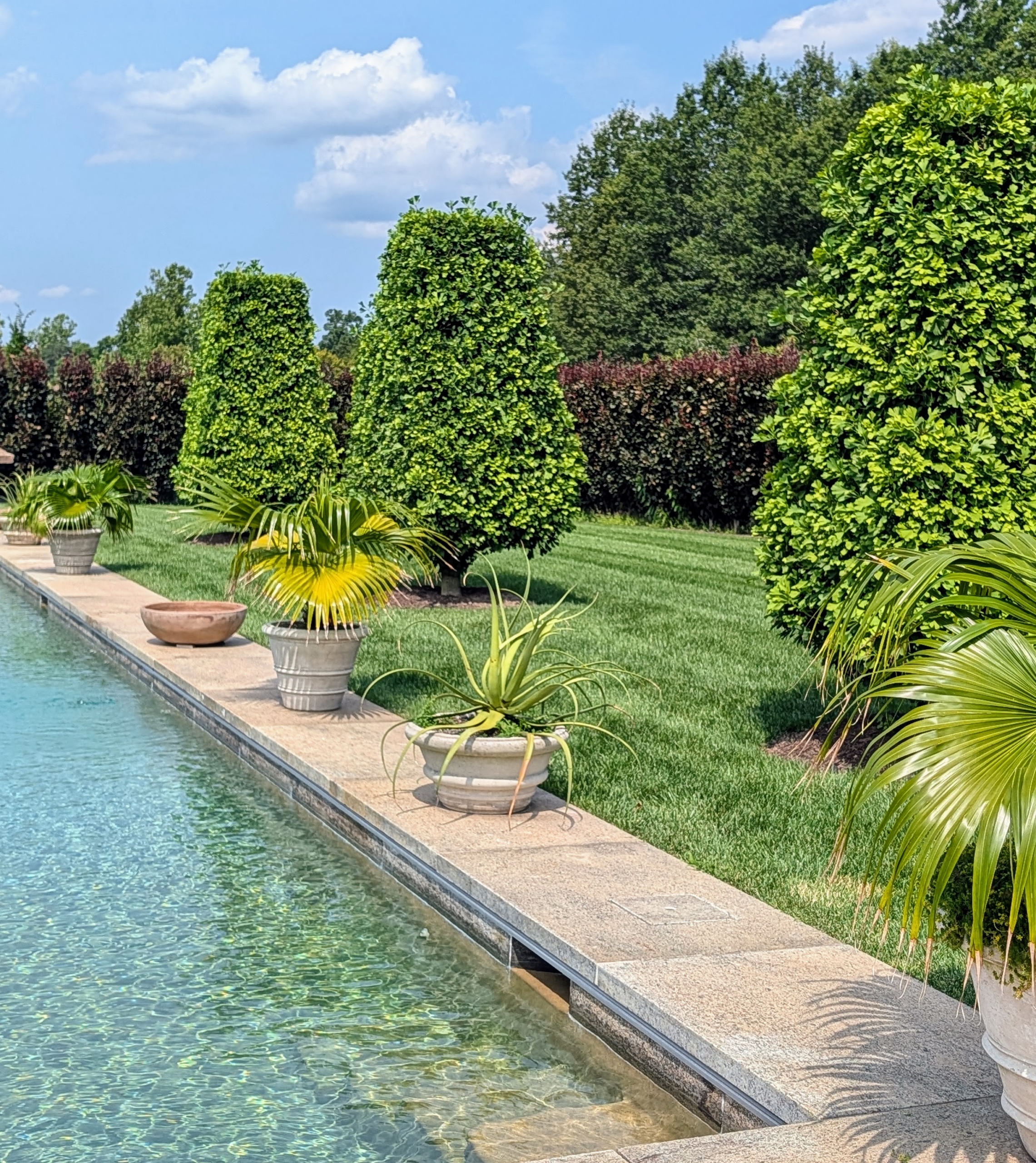
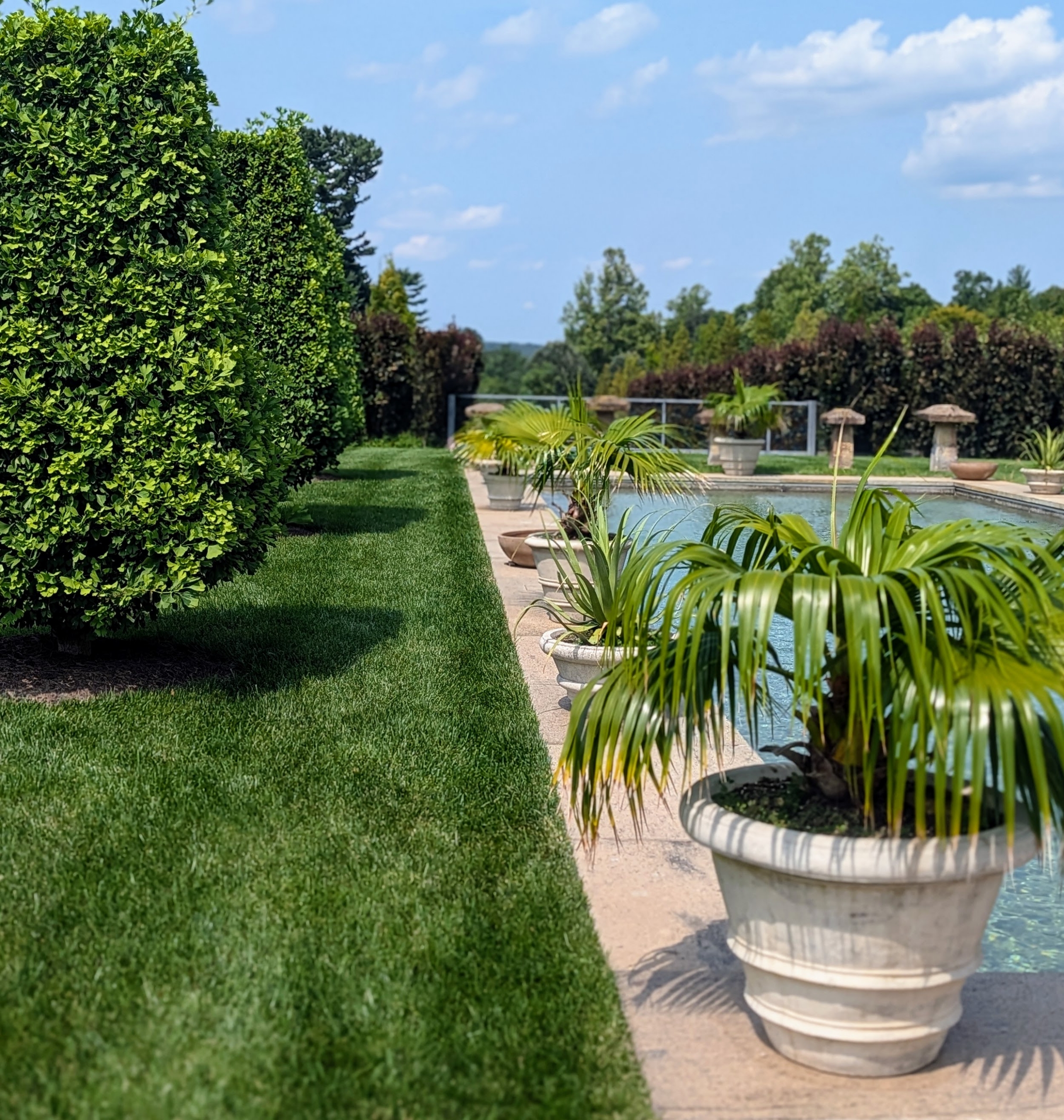
- A couple of years ago, I planted six Ginkgo biloba Goldspire™ Obelisk trees around the pool.
-
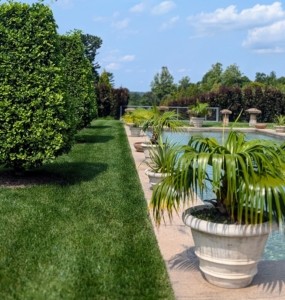
- Mixed in are some potted plants. I always take out many of my tropical plants and display them in beautiful ornamental urns around the farm during summer.
-
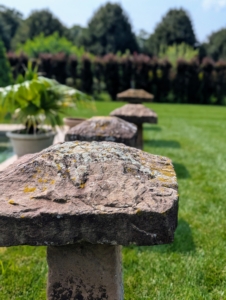
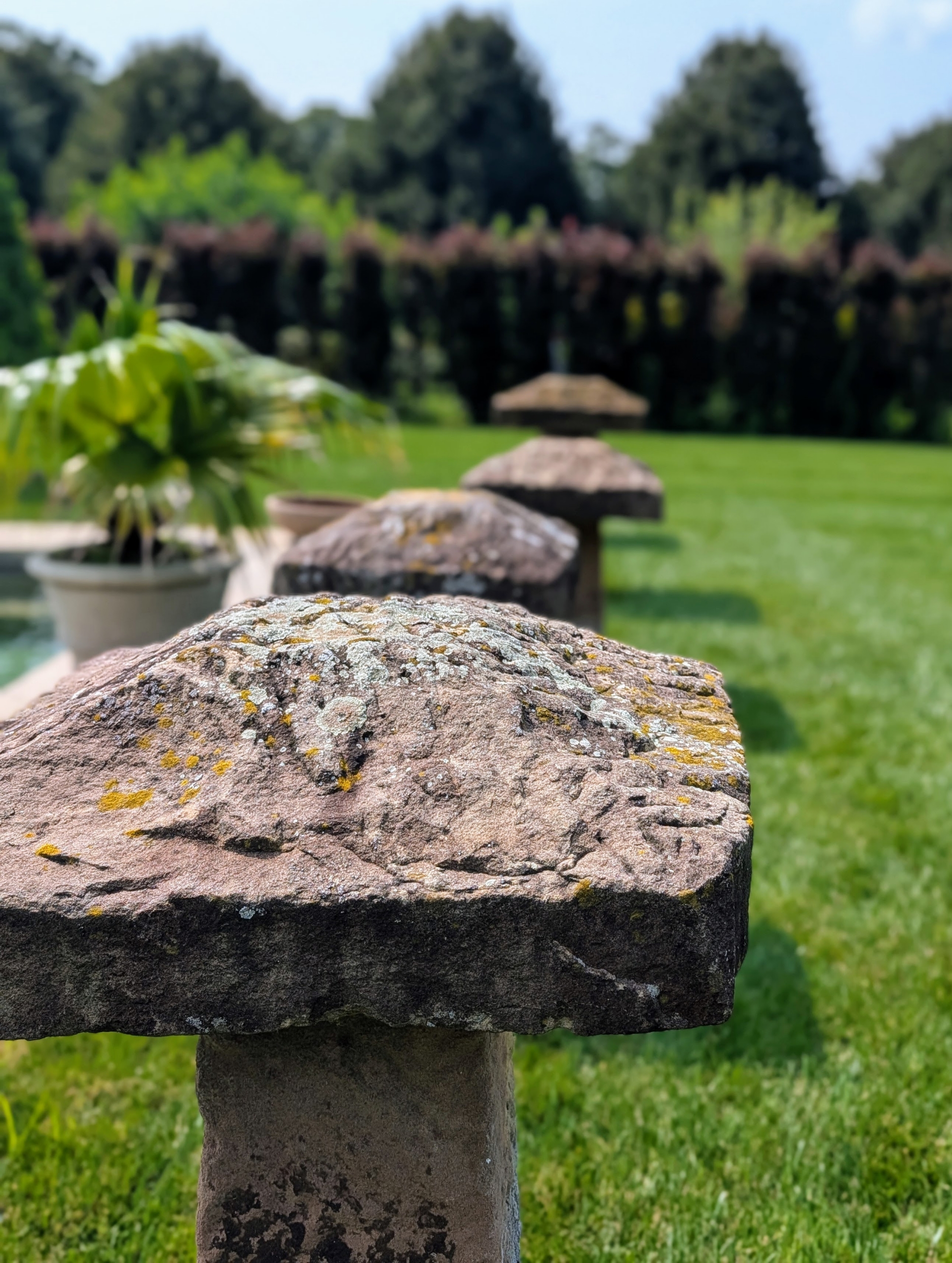
- At one end of the pool, I have these five antique staddle stones. Staddle stones were originally used in the 17th and 18th centuries as support bases for granaries, hayricks, and game larders.
-
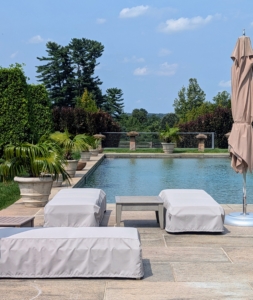
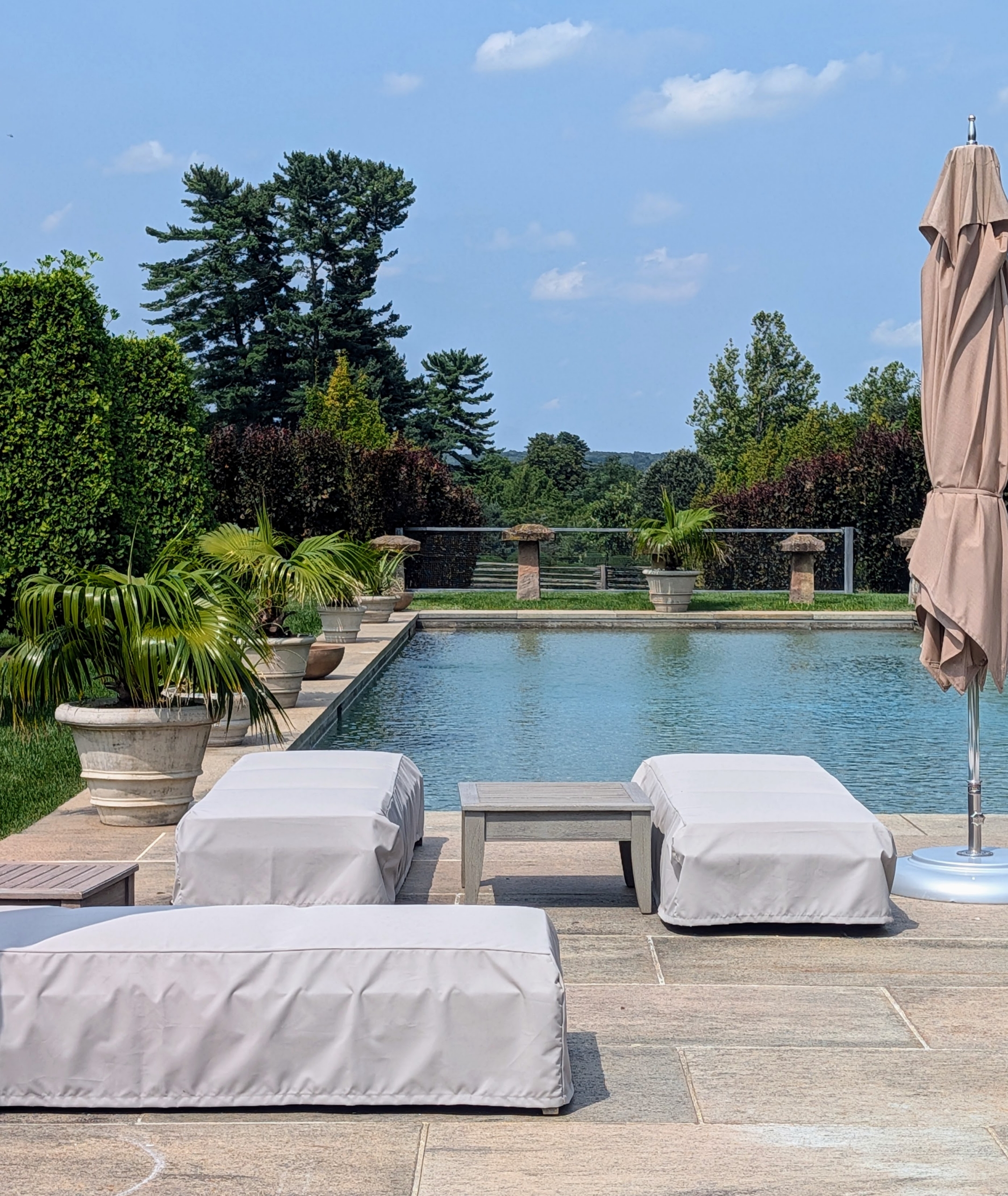
- And looking north, I kept the views clear, so I could see all the beautiful greenery in the distance.
-
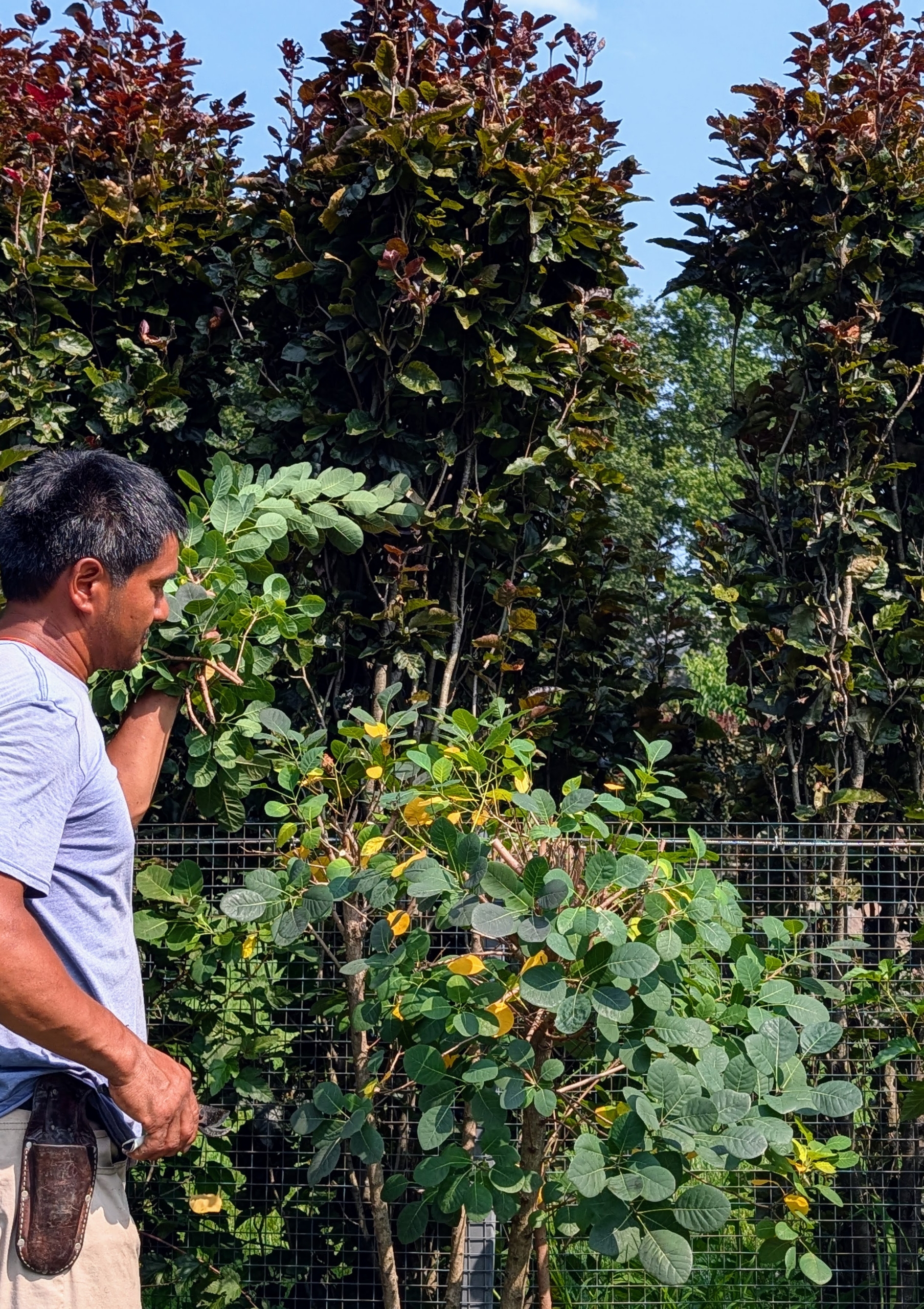
- All of it is surrounded by the necessary pool fence disguised by these tall hedges. The fence is between the hedges. The taller hedge in the back is planted columnar beech trees.
-
- Here, one can see the four foot tall fence between the plantings.
-
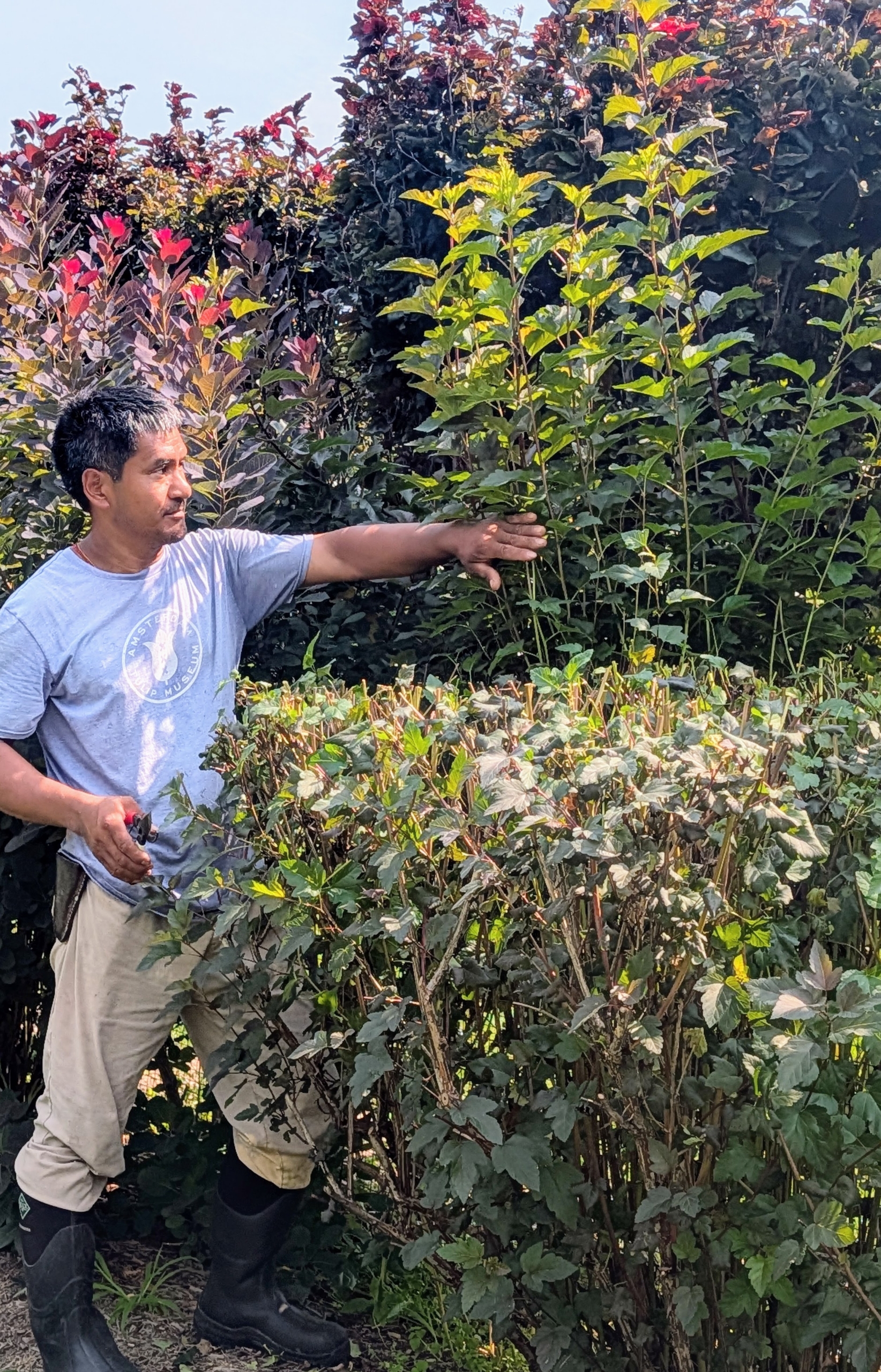
- The outer hedge is a combination of alternating Physocarpus and Cotinus shrubs. Here, Pasang shows the growth since these hedges were last pruned just a couple months ago.
-
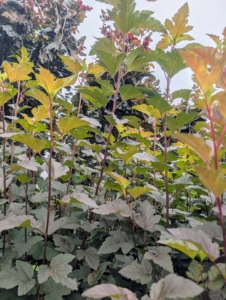
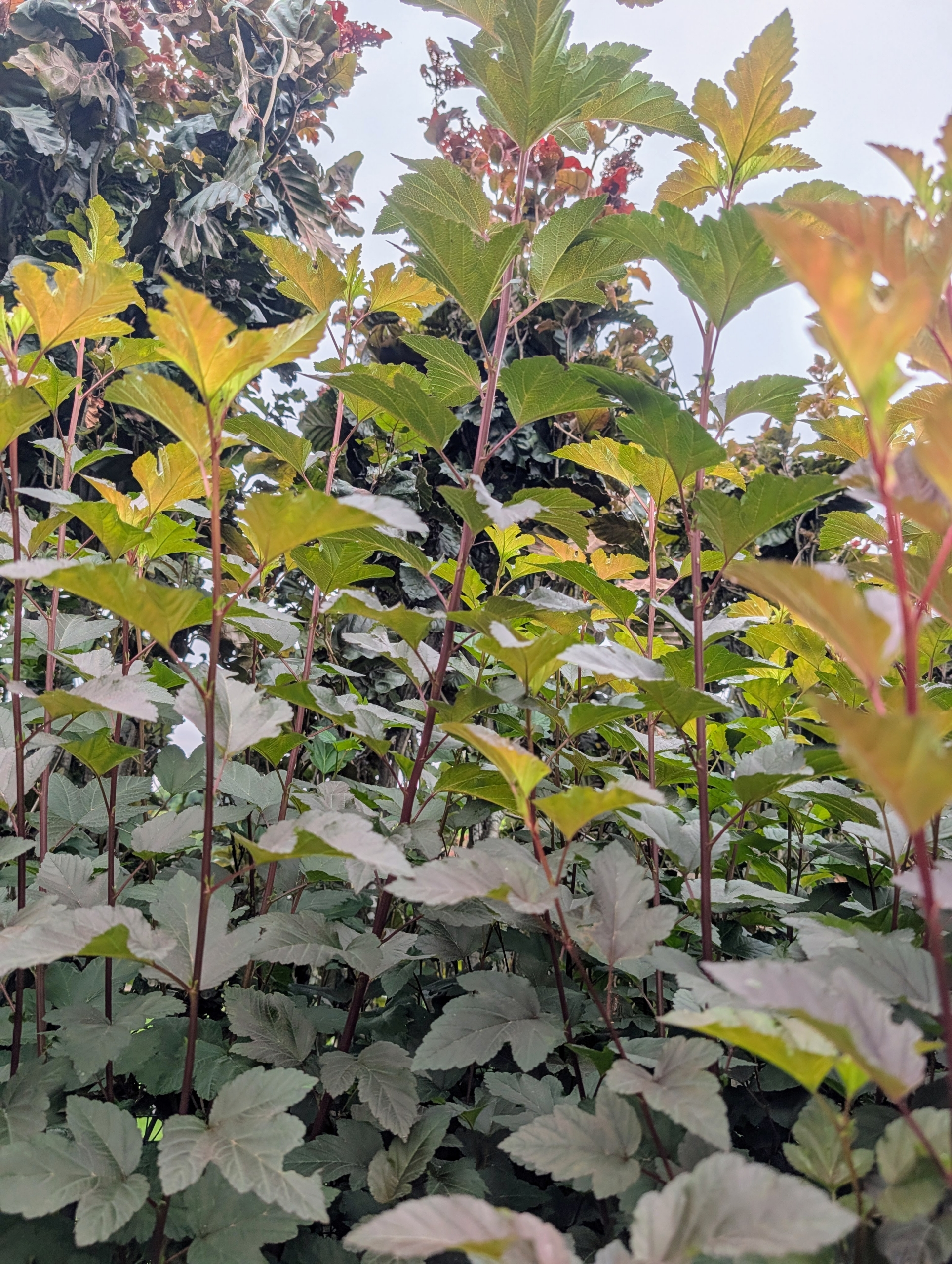
- Physocarpus and Cotinus are medium‑to‑fast‑growing shrubs that can easily add more than 24 inches in height per year once established.
-
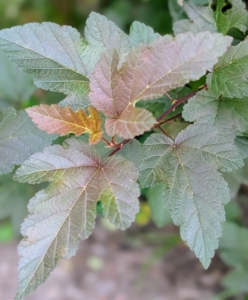
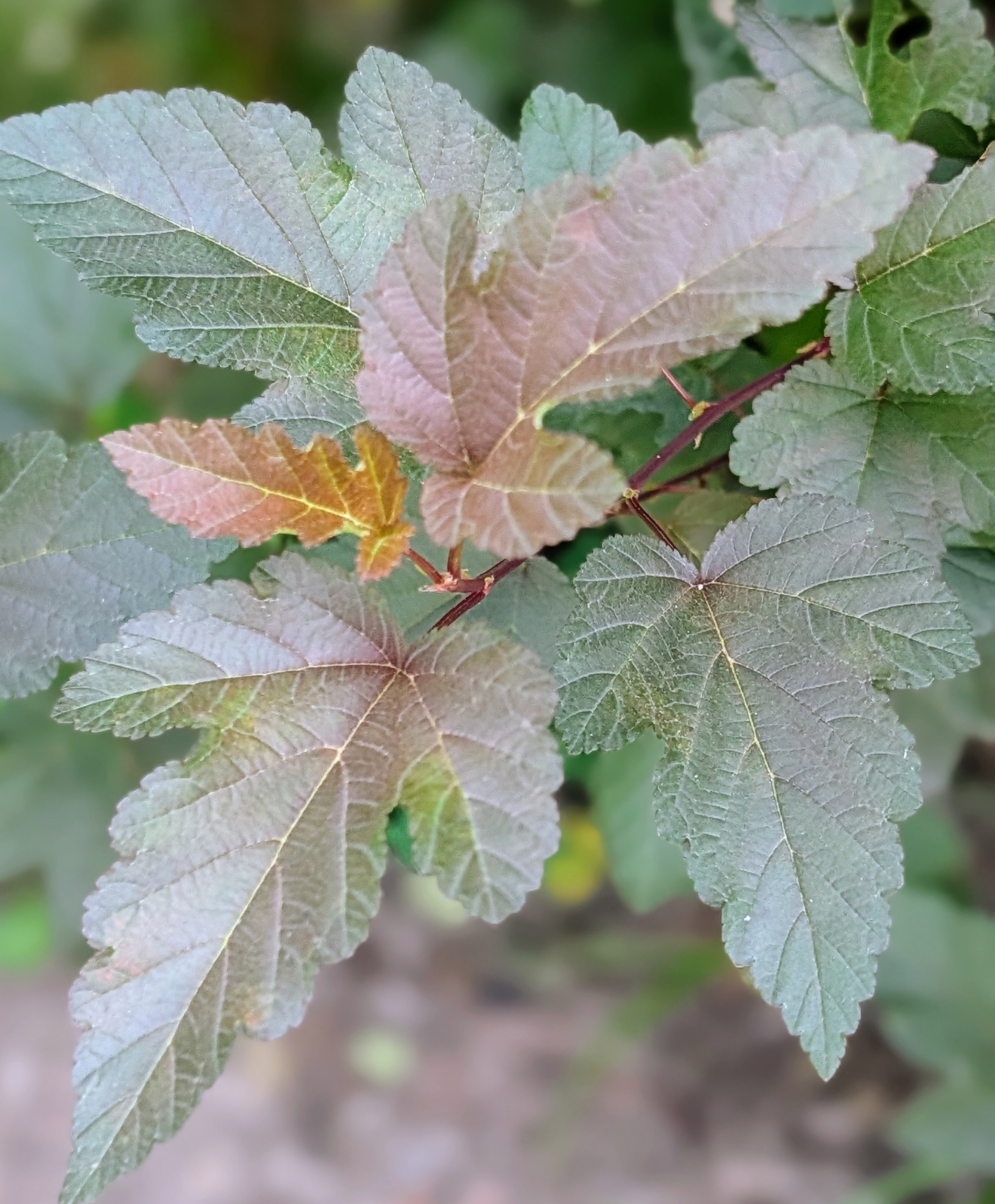
- Physocarpus is commonly called ninebark, and is an upright, spreading, somewhat coarse, deciduous, Missouri-native shrub which is closely related to the genus Spiraea. It boasts a deep green to burgundy foliage with ovate to rounded usually three to five lobed leaves that are dull green in summer changing to an undistinguished yellow in fall. Then its color veers toward bronzy red by the time the leaves fall in late November.
-
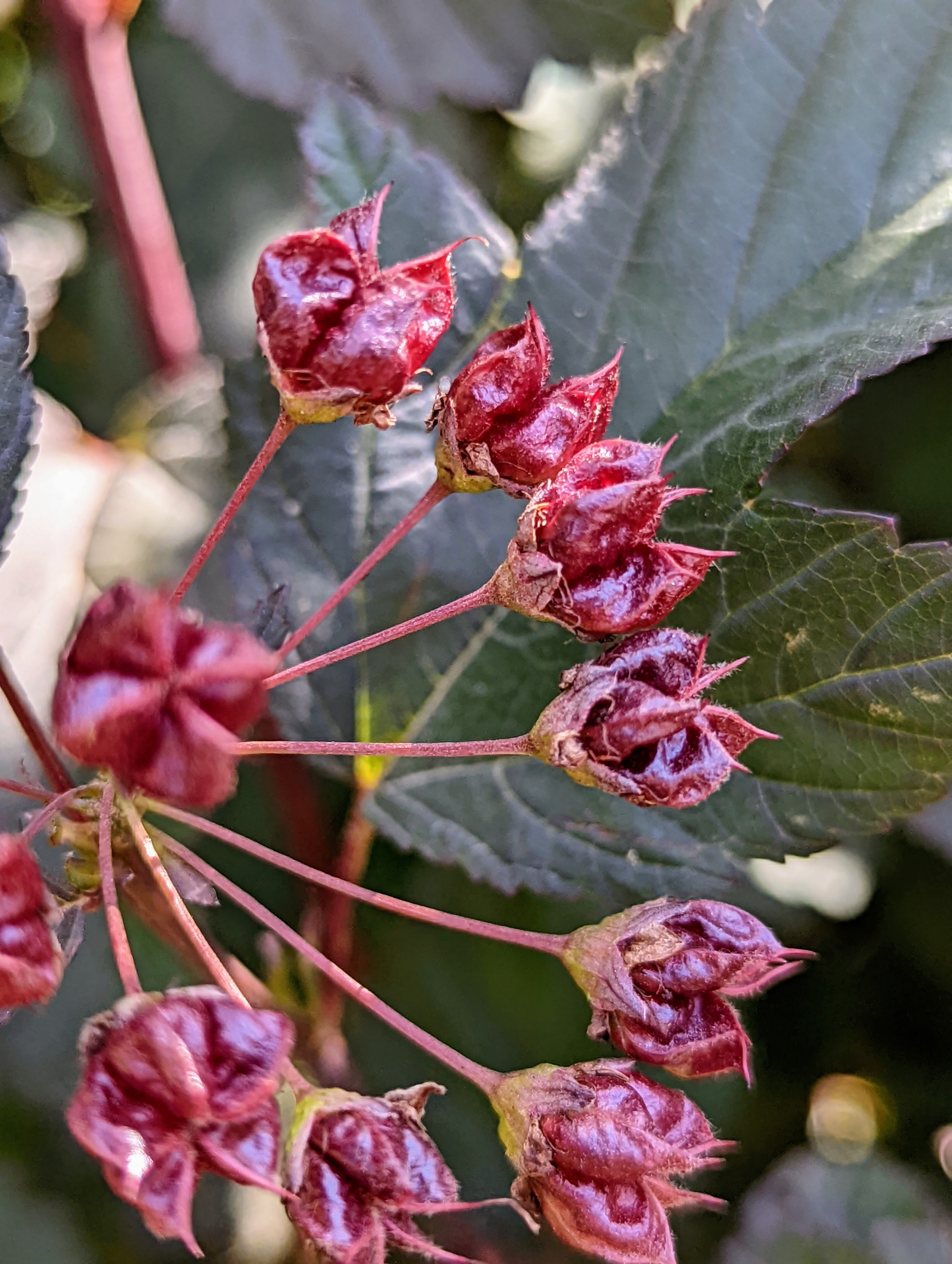
- After the white flowers of the physocarpus bloom, what follows are these seed pods – a favorite food of small birds.
-
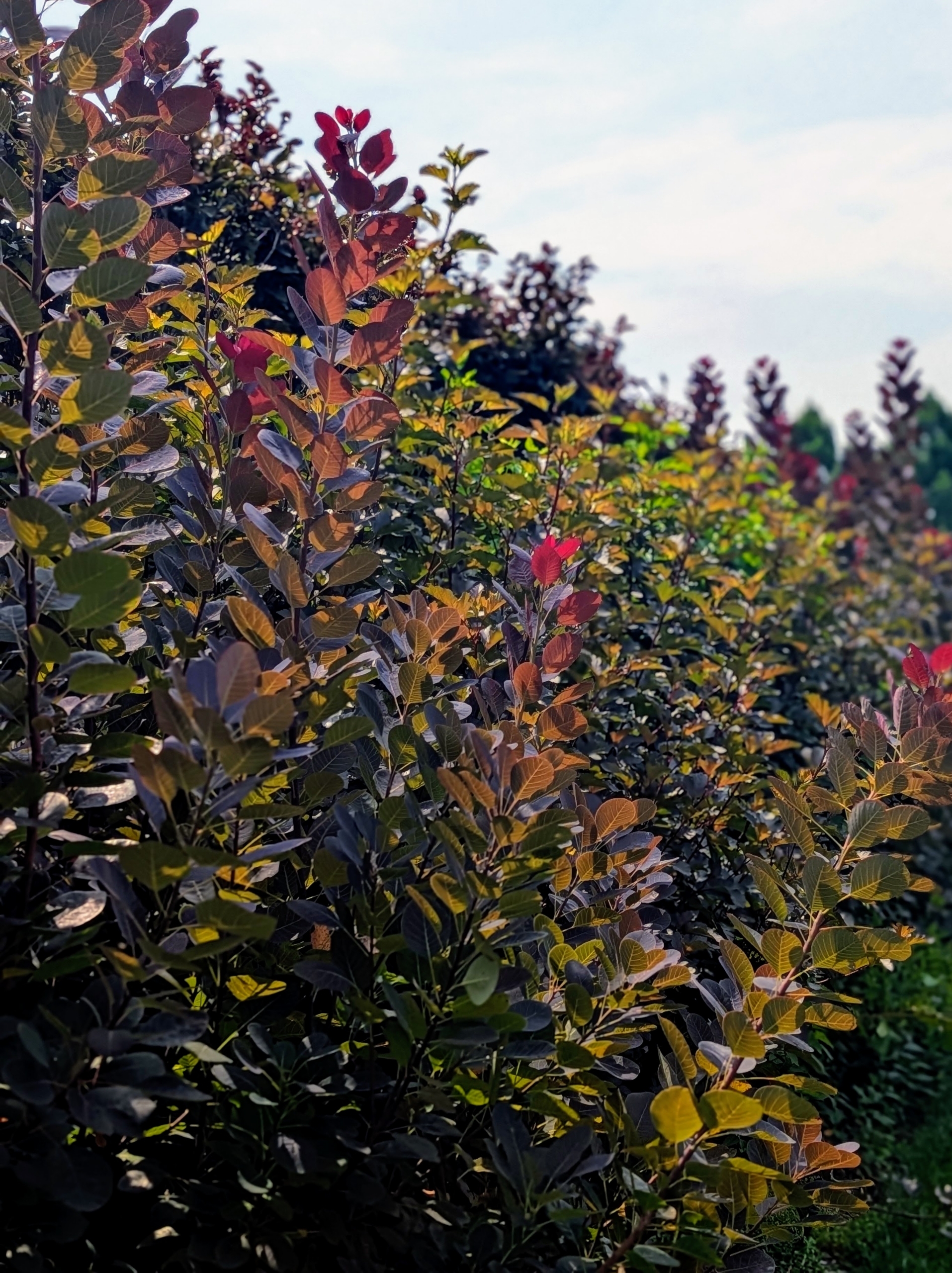
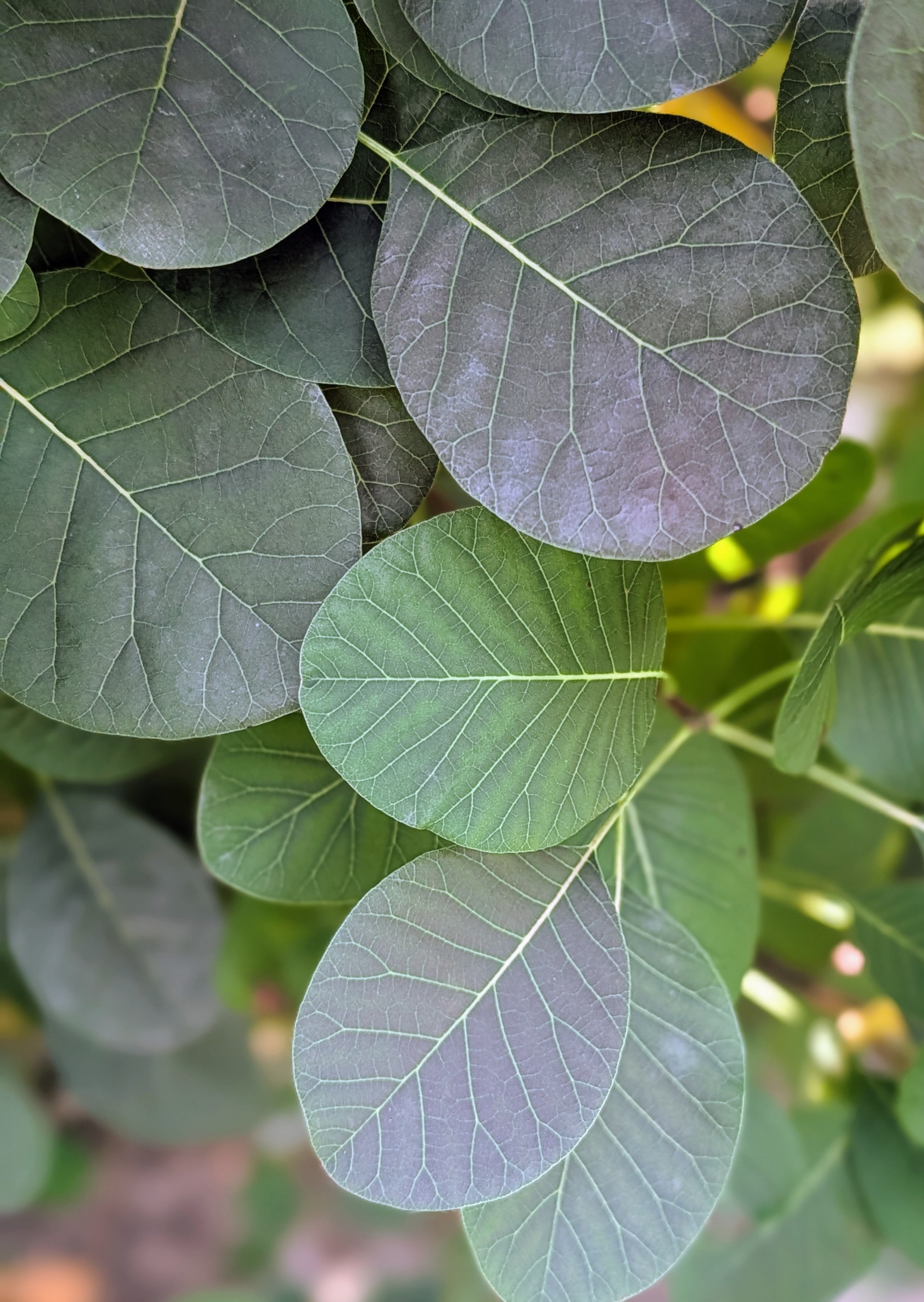
- Also known as smoketree or smoke bush, Cotinus is a genus of two species of flowering plants in the family Anacardiaceae, closely related to the sumacs. It’s a great choice for massing or for hedges. This variety has stunning dark red-purple foliage that turns scarlet in autumn.
-
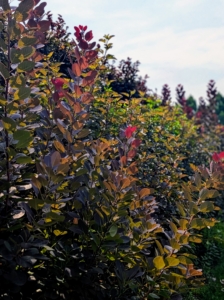
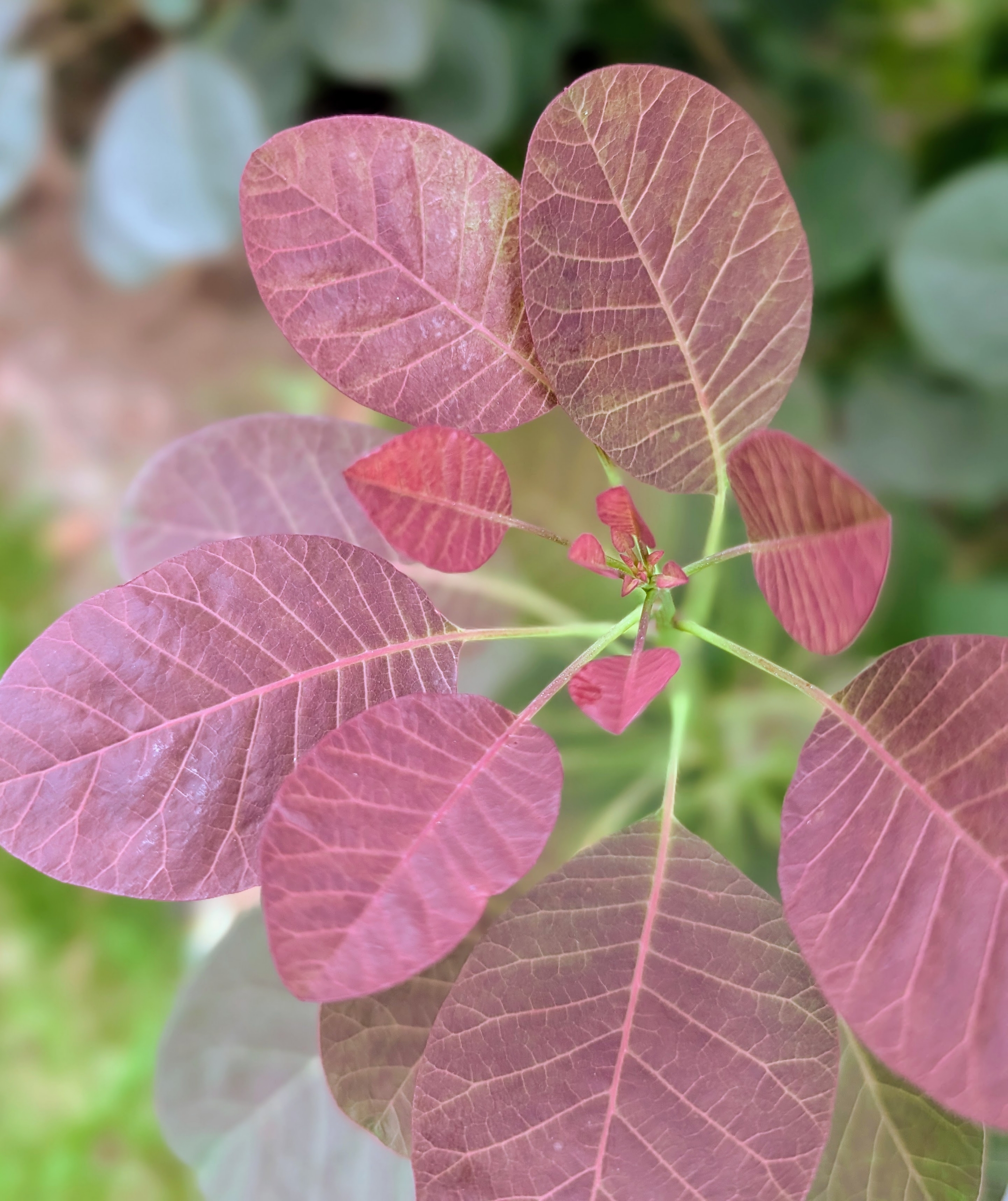
- Some leaves are already showing off their pretty color changes. The leaves are uniquely smooth and rounded.
-
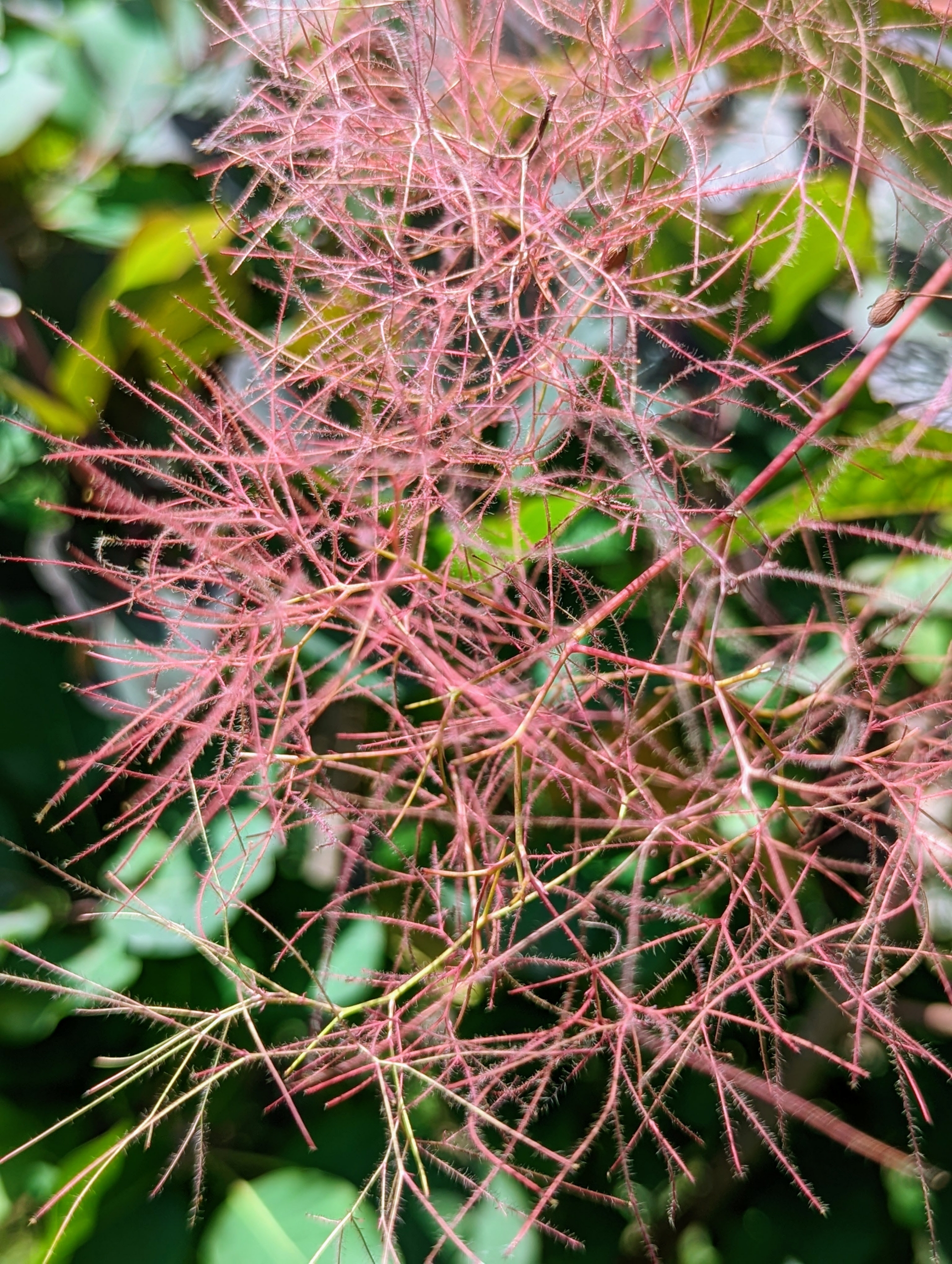
- In fact, the name “smoke bush” comes from this – the billowy hairs attached to the flower clusters which remain in place through the summer, turning a smoky pink to purplish-pink.
-
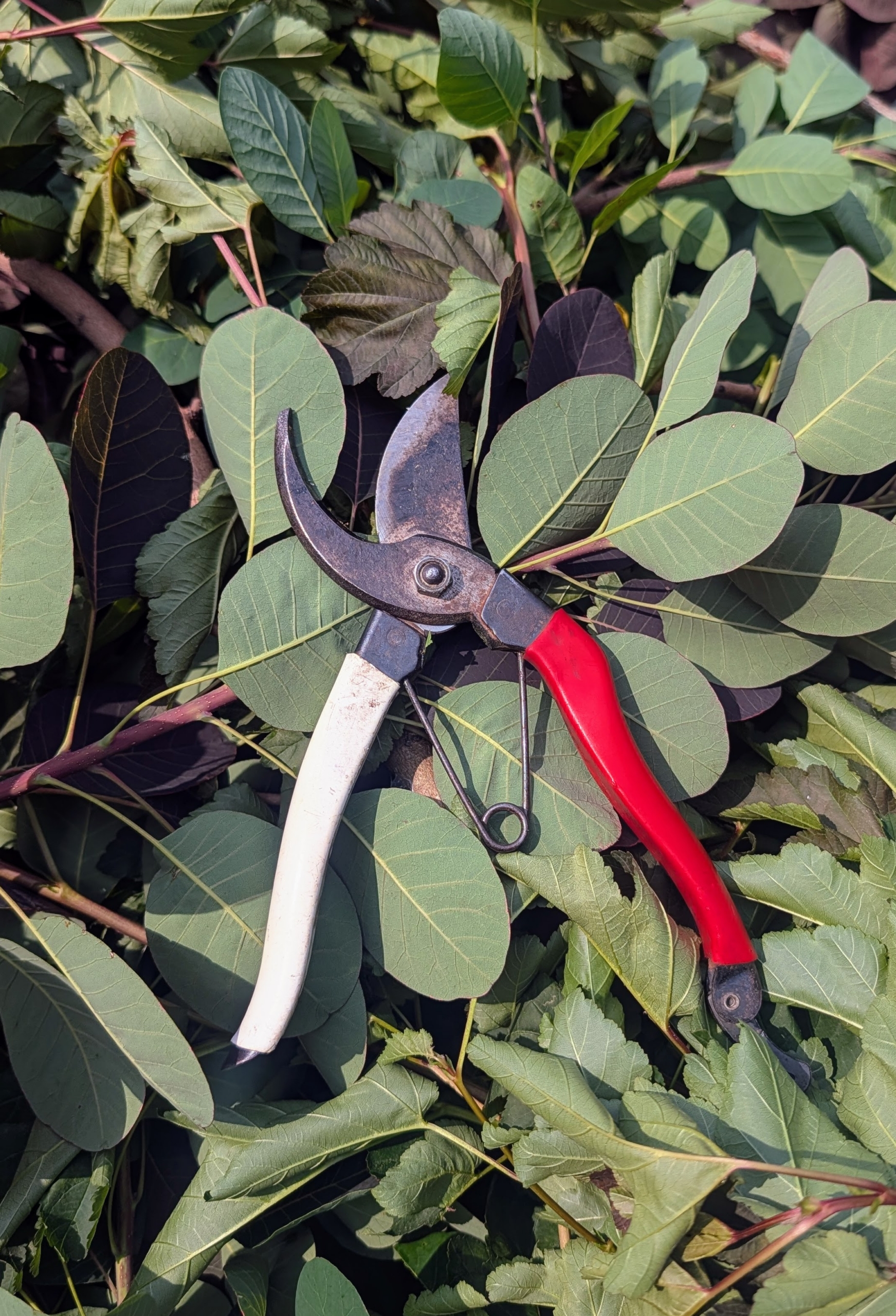
- For this hedge, Pasang uses his Okatsune hand pruners. Pruning shears, hand pruners, or secateurs are a type of scissors used on plants. They are strong enough to prune hard branches of trees and shrubs, sometimes up to an inch thick. Everyone on the crew has a pair.
-
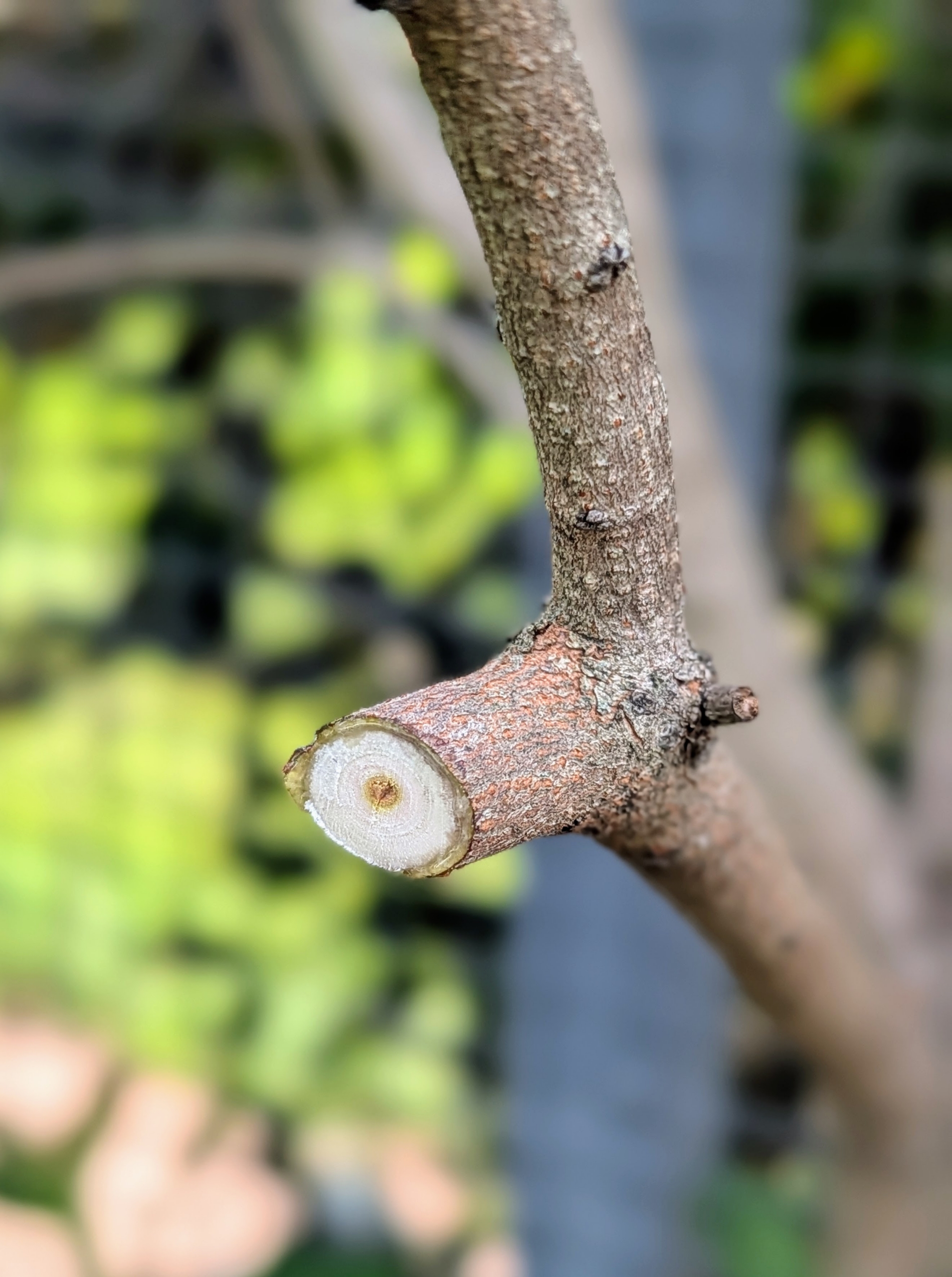
- Pasang cuts off any dead or crisscrossing branches first. The rule of thumb when pruning is to cut the dead, diseased, damaged, non-productive, structurally unsound, or otherwise unwanted plant material.
-
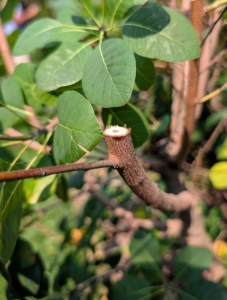
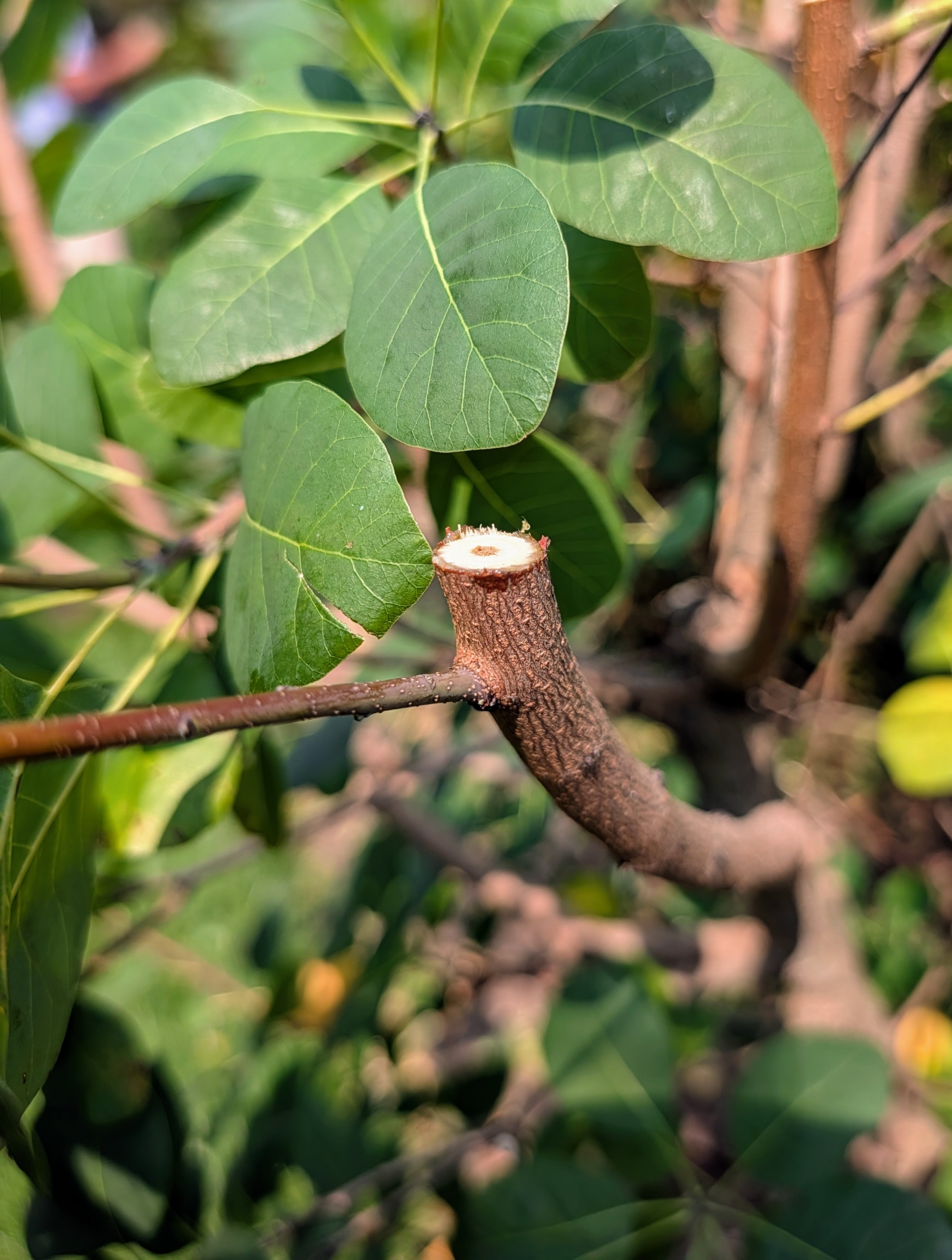
- Pruning means to lop or cut off any superfluous branches or shoots for better-shape and better growth. These look fuller every year – in part because of the regular pruning.
-
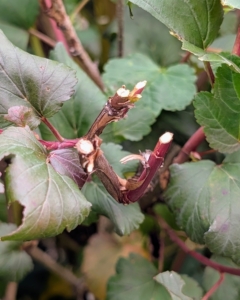
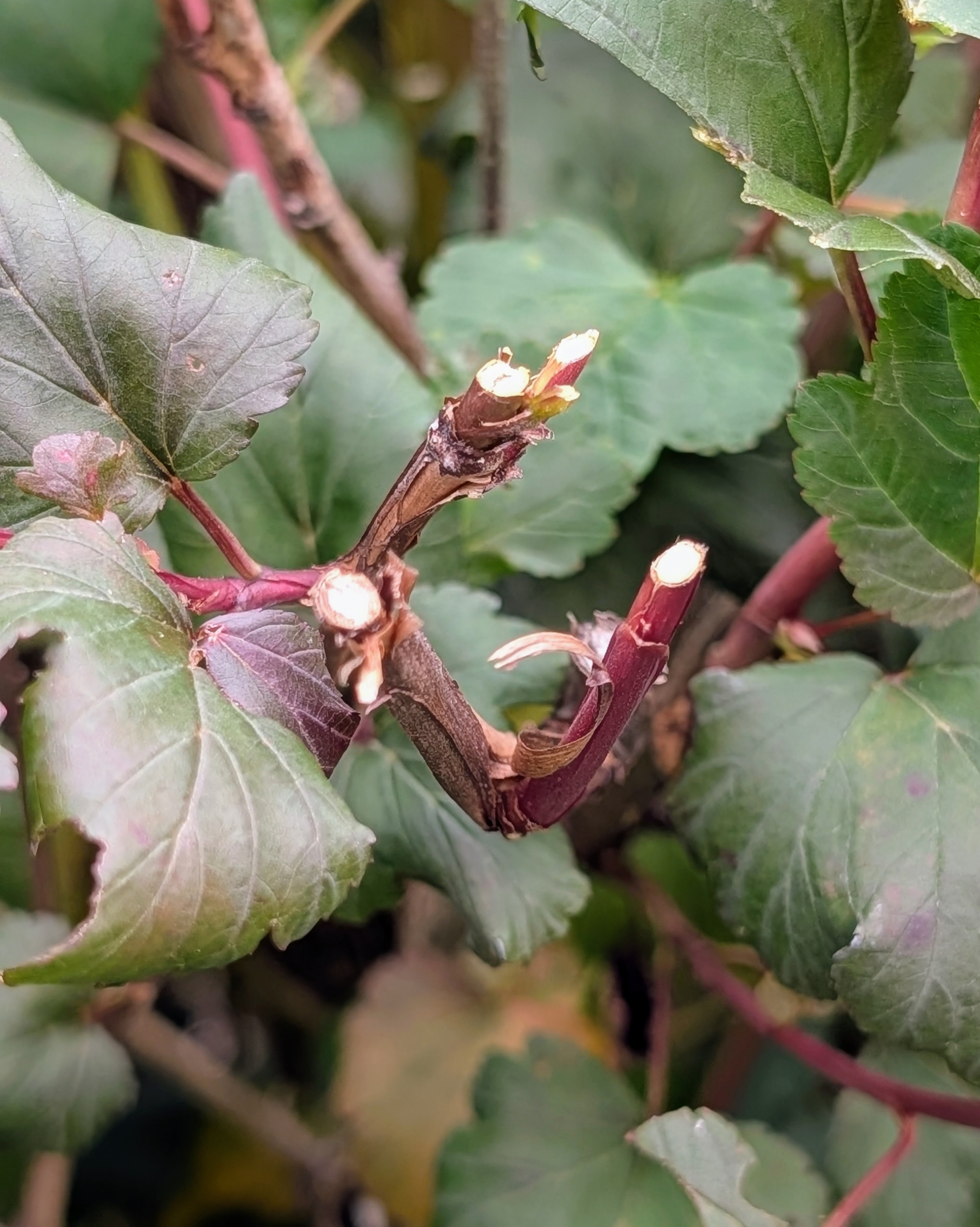
- Pasang also cuts it to the height I requested, which for this hedge, is the same height as the fence itself.
-
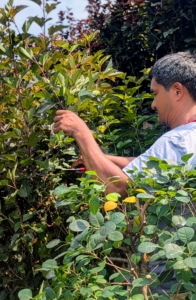
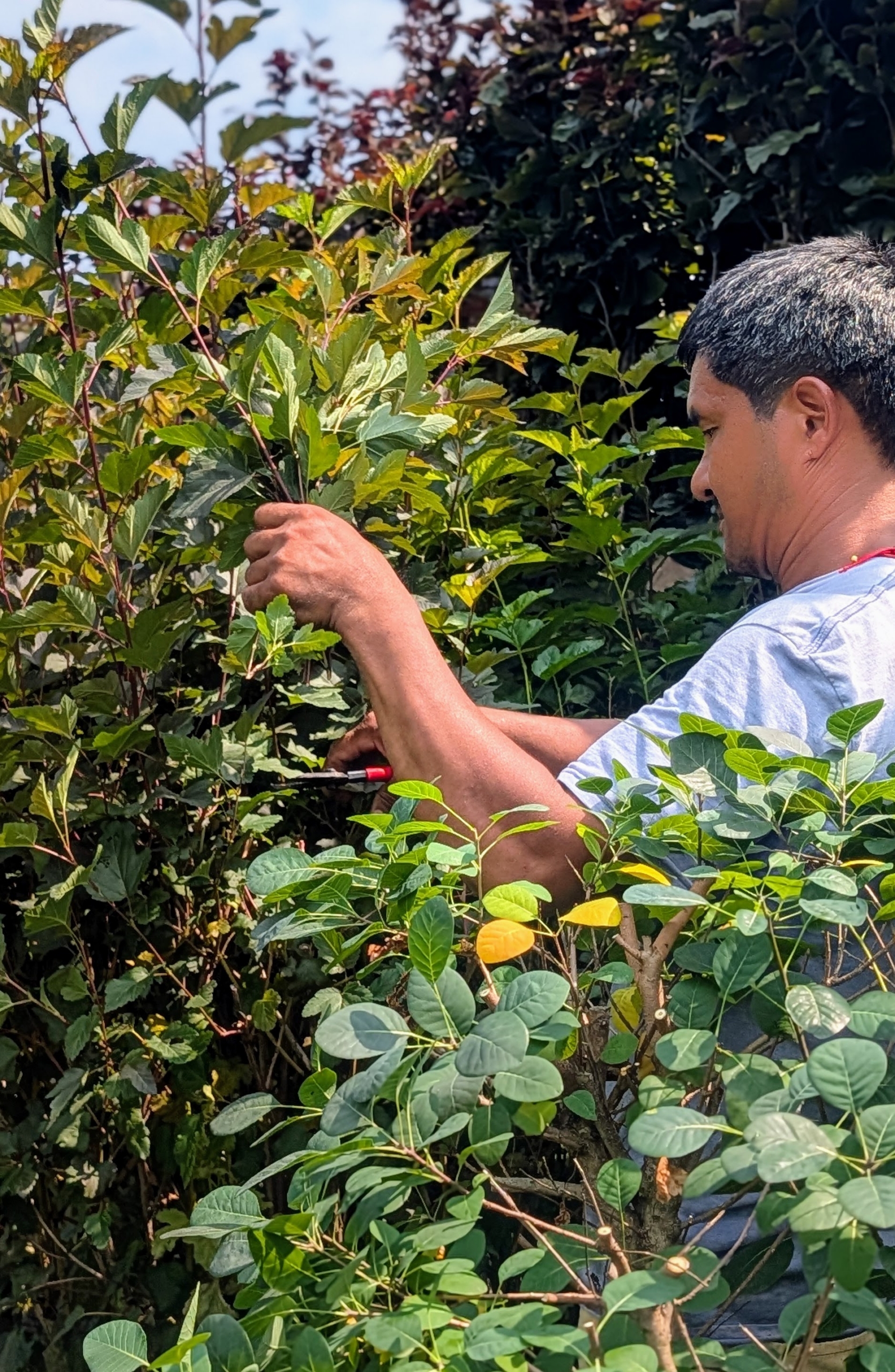
- Pasang prunes everything by hand, so it takes a while to trim all the way around the pool. area.
-
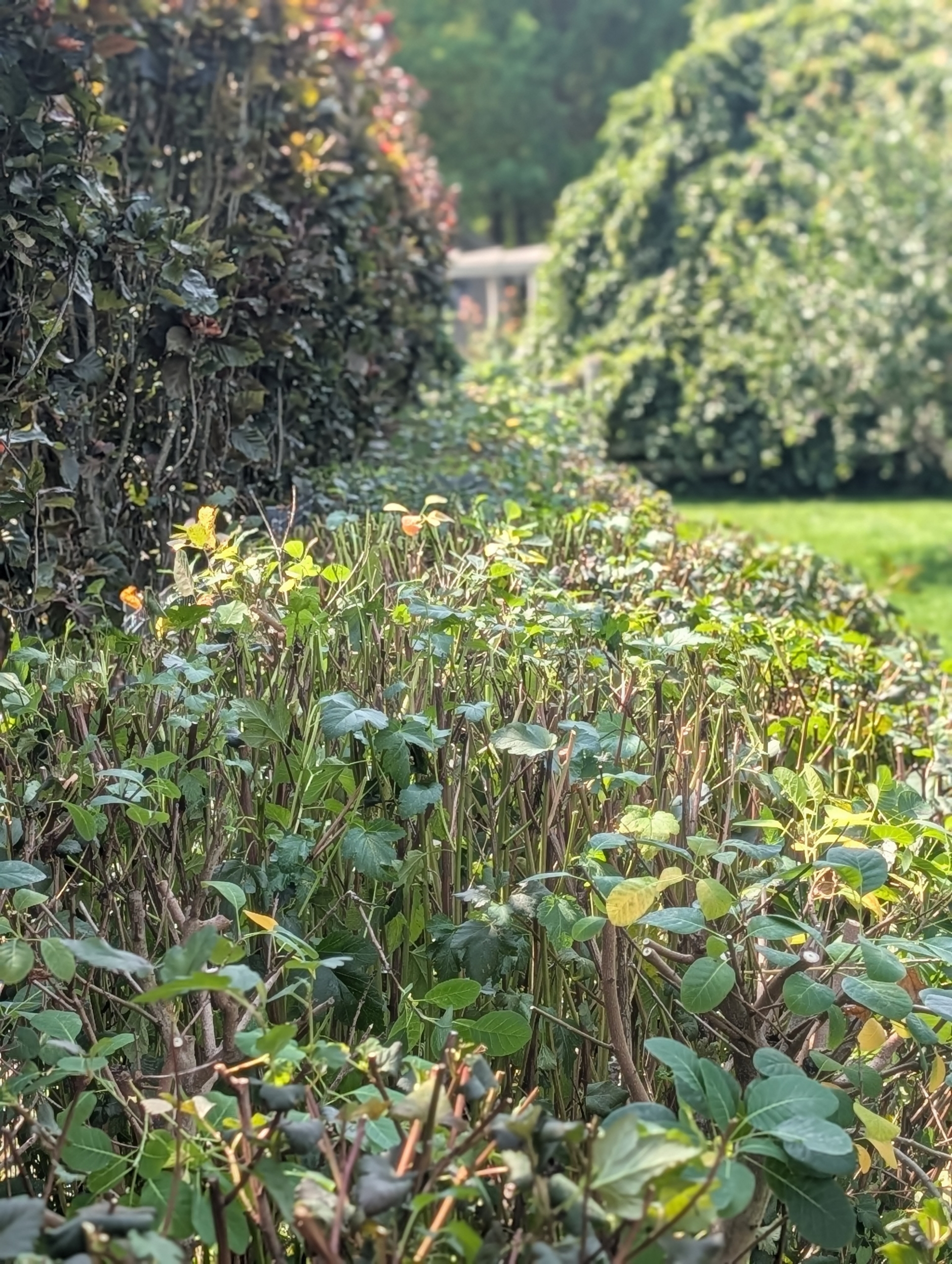
- Here’s a look at one section of the newly pruned hedge – so straight all the way down. Pruning this side also allows more light to get to the growing beech hedge.
-
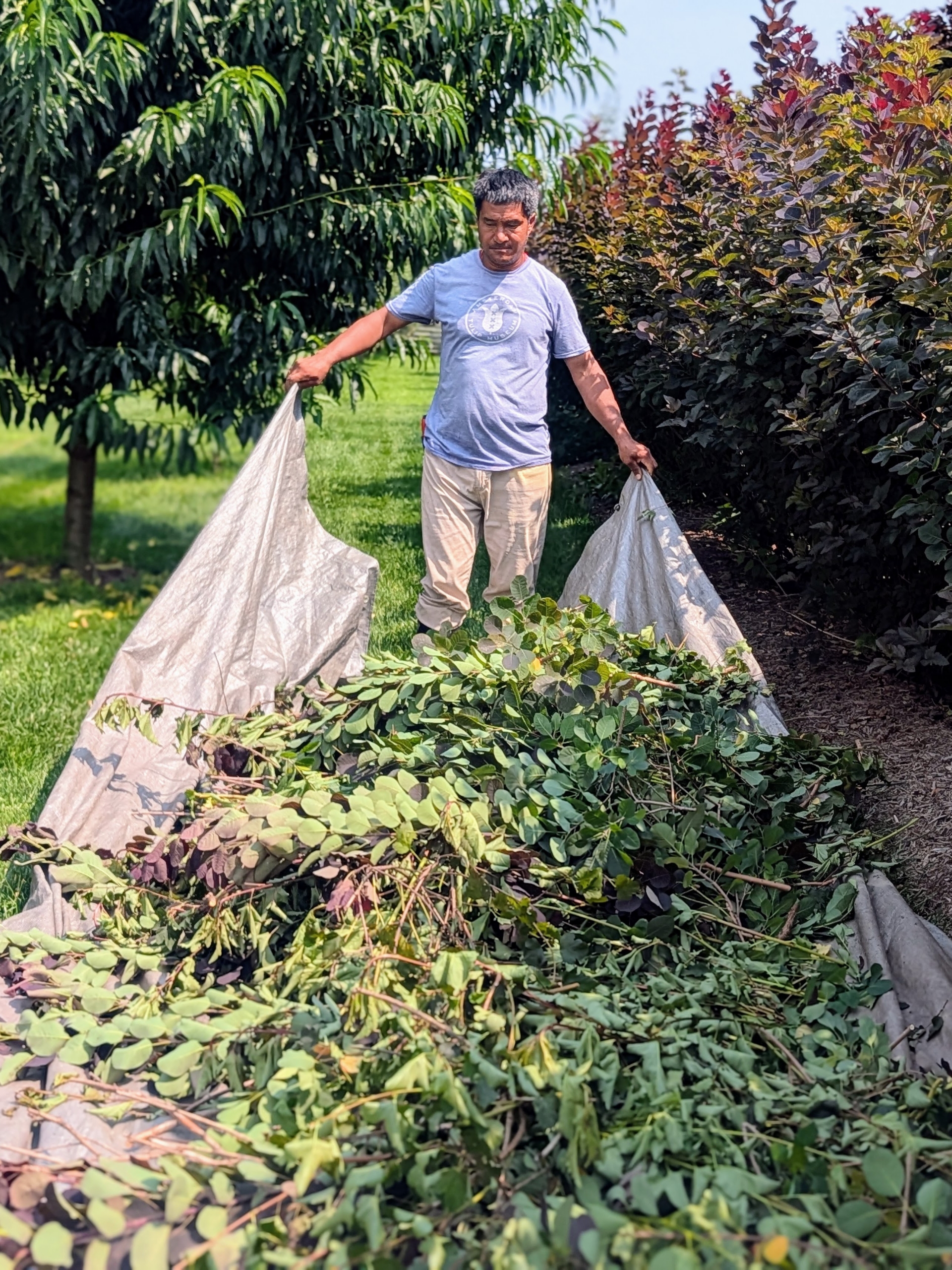
- It doesn’t take long for the ground to fill with clippings. Always work on a tarp to collect the cuttings. This makes cleaning up fast and efficient. thanks Pasang.
This story originally appeared on Martha Stewart Blog

