


August 15, 2026
A Special Dinner at Skylands
I always enjoy entertaining at Skylands, my home in Maine.
Earlier this month, I had the pleasure of hosting a dinner for 23, bringing together Friends of Acadia, some of the organization’s supporters, and others who share a deep appreciation for Acadia National Park and its surrounding communities. I was also delighted to welcome several members of the Wabanaki Nations which include Indigenous nations with deep and enduring ties to Maine. We began the evening with cocktails and hors d’oeuvres on my Western Terrace before moving into the main dining room for dinner. One of the highlights of the evening was a fascinating and informative viewing of handmade baskets made by Wabanaki citizens. Some were from my own collection, while others were brought from the Penobscot Nation Museum. It was a wonderful opportunity to learn more about these beautiful works and the traditions, craftsmanship, and history they represent.
Enjoy these photos.
-
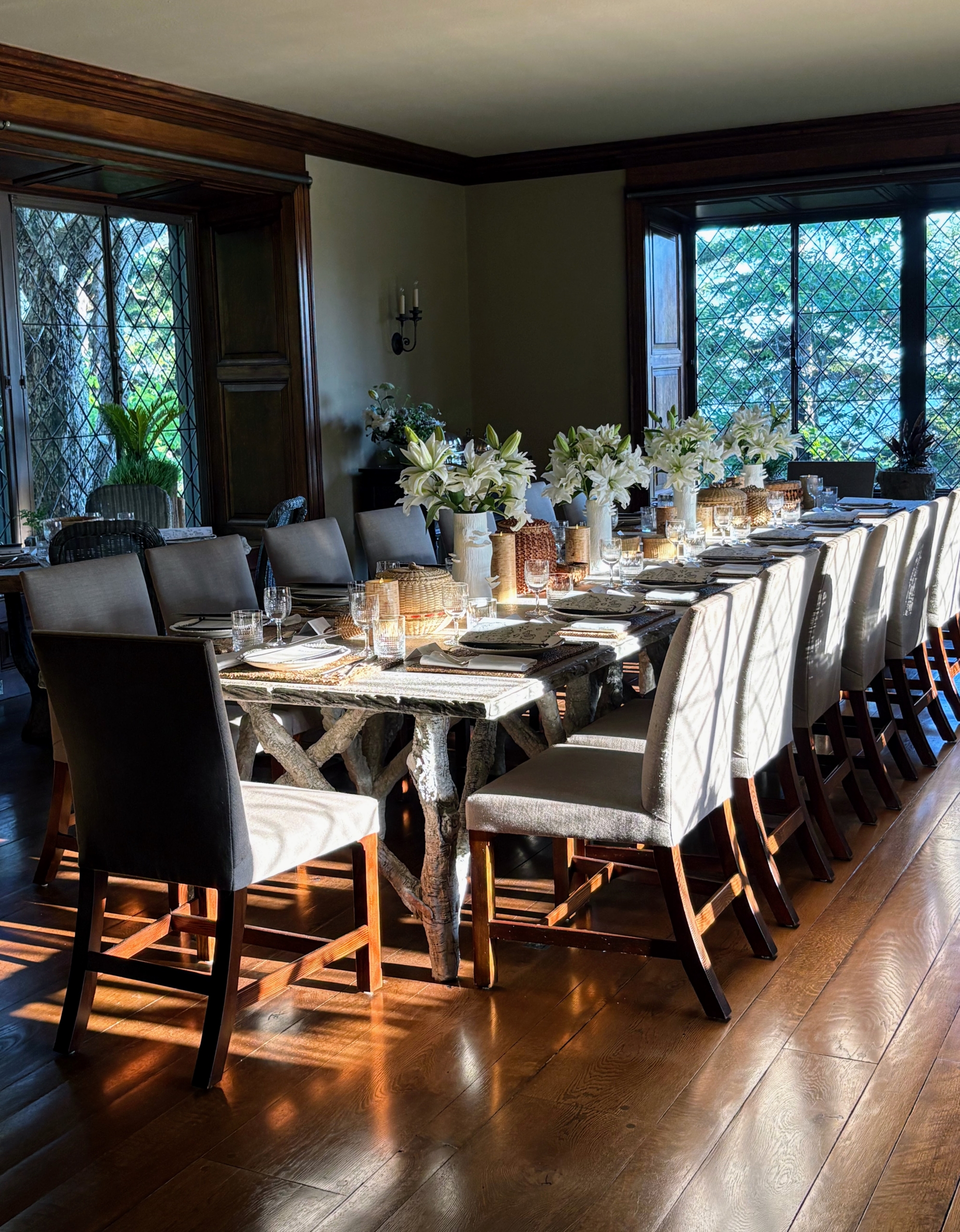
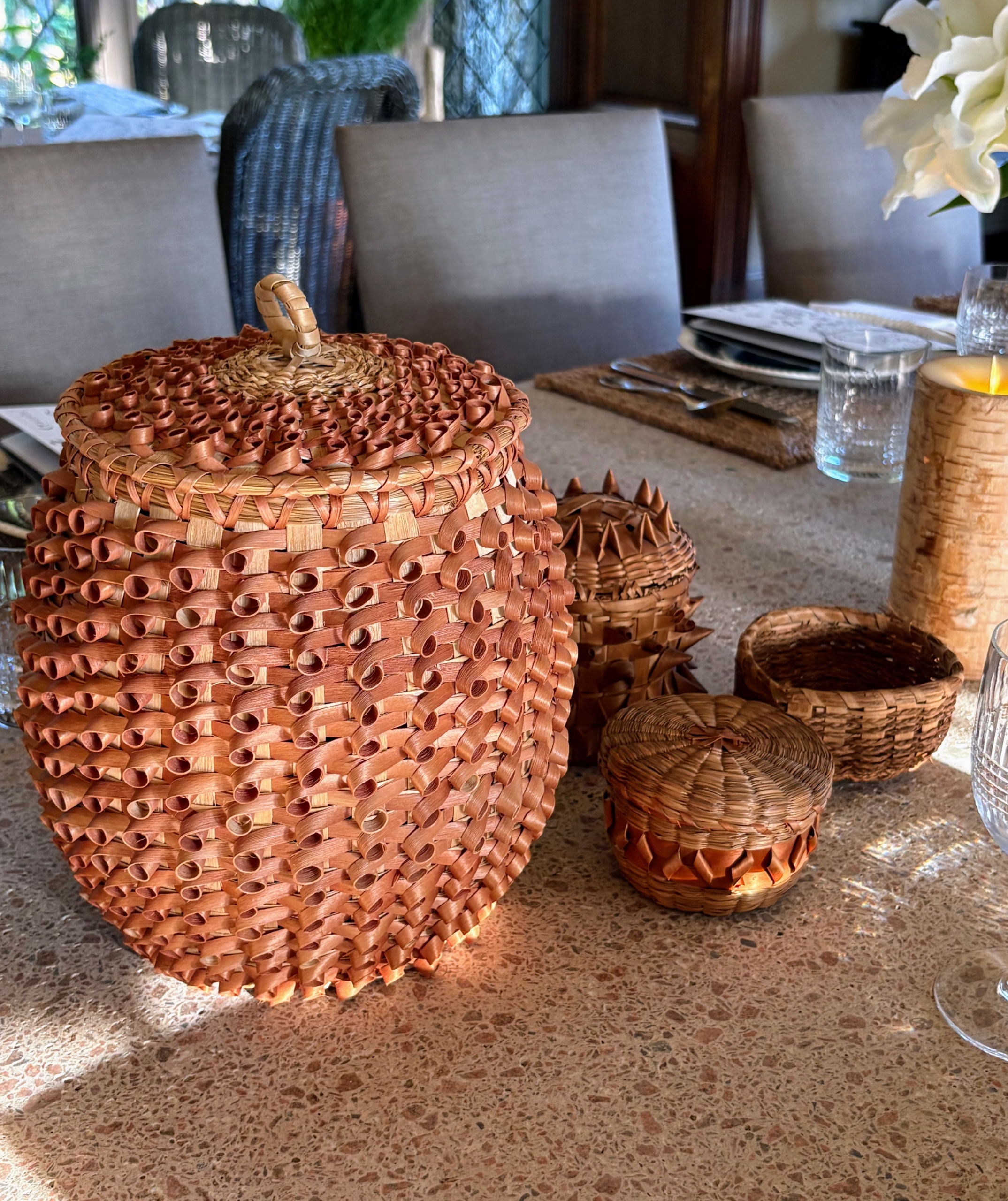
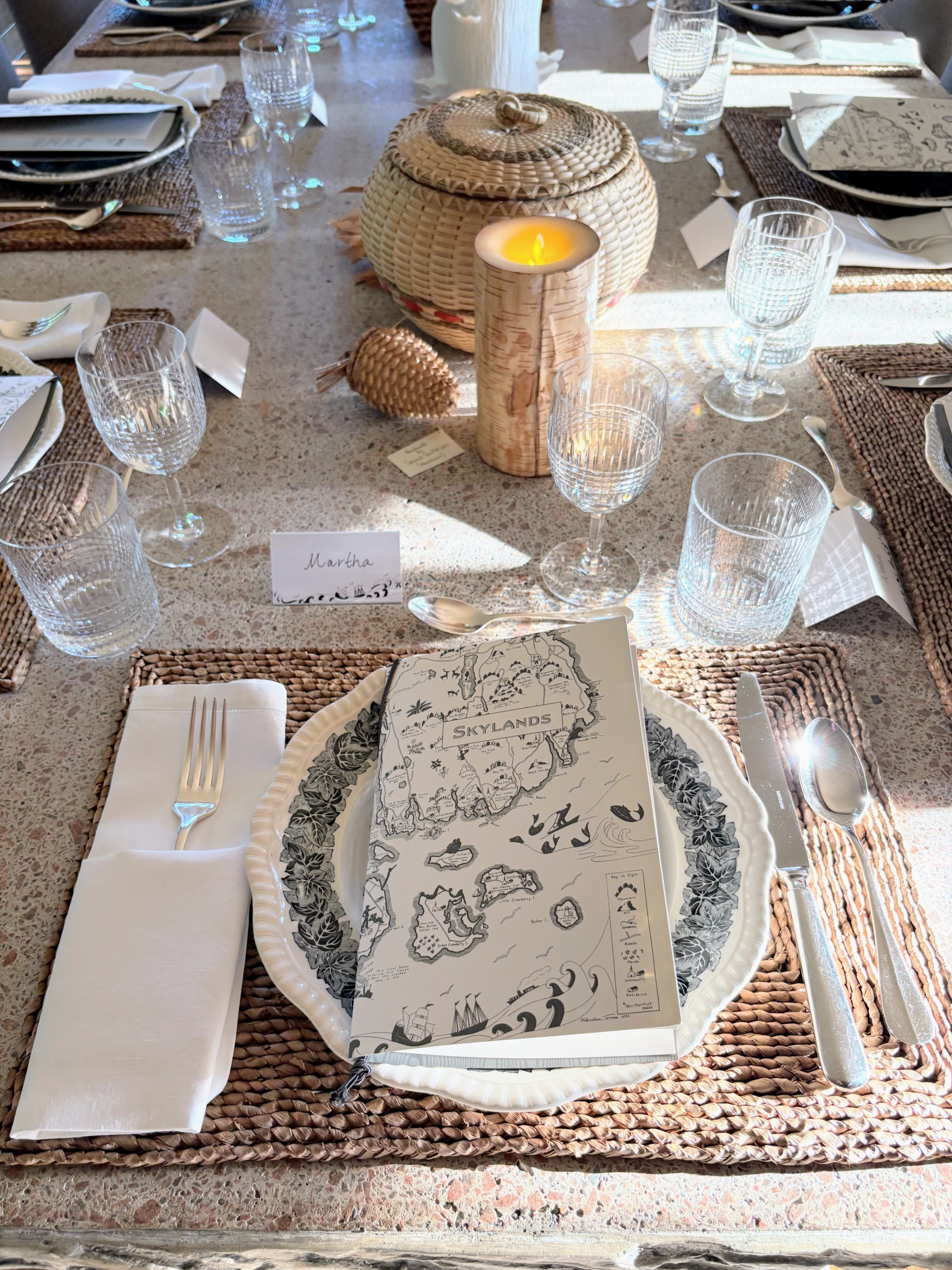
- My dining room at Skylands was set earlier in the day to accommodate my guests for dinner. Beautiful white lilies from my garden line the table along with flameless candles and some special and unique items from one of my own basket collections.
-
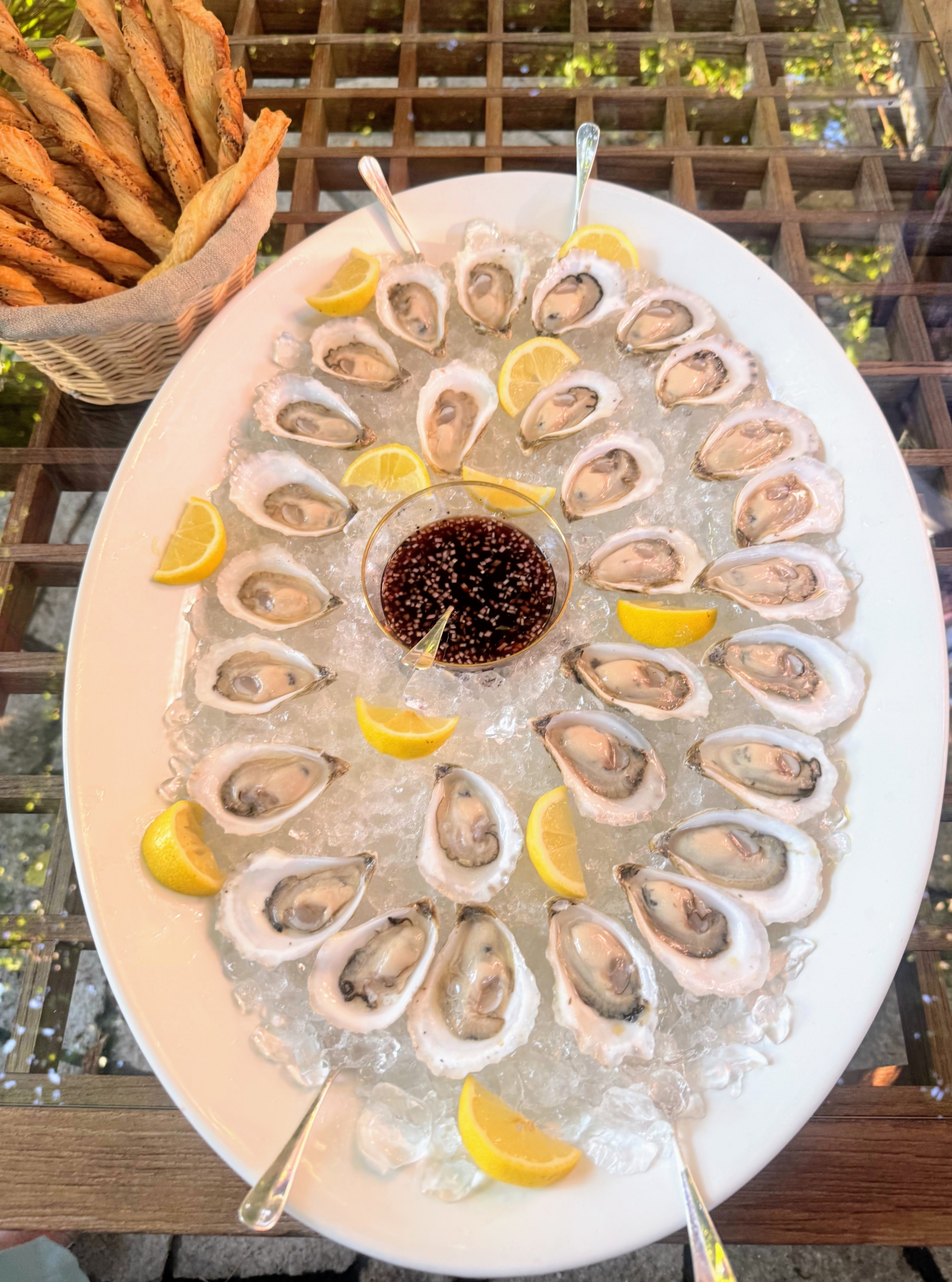
- As guests arrived, they were offered cocktails and hors d’oeuvres, including fresh oysters with mignonette sauce out on the West Terrace.
-
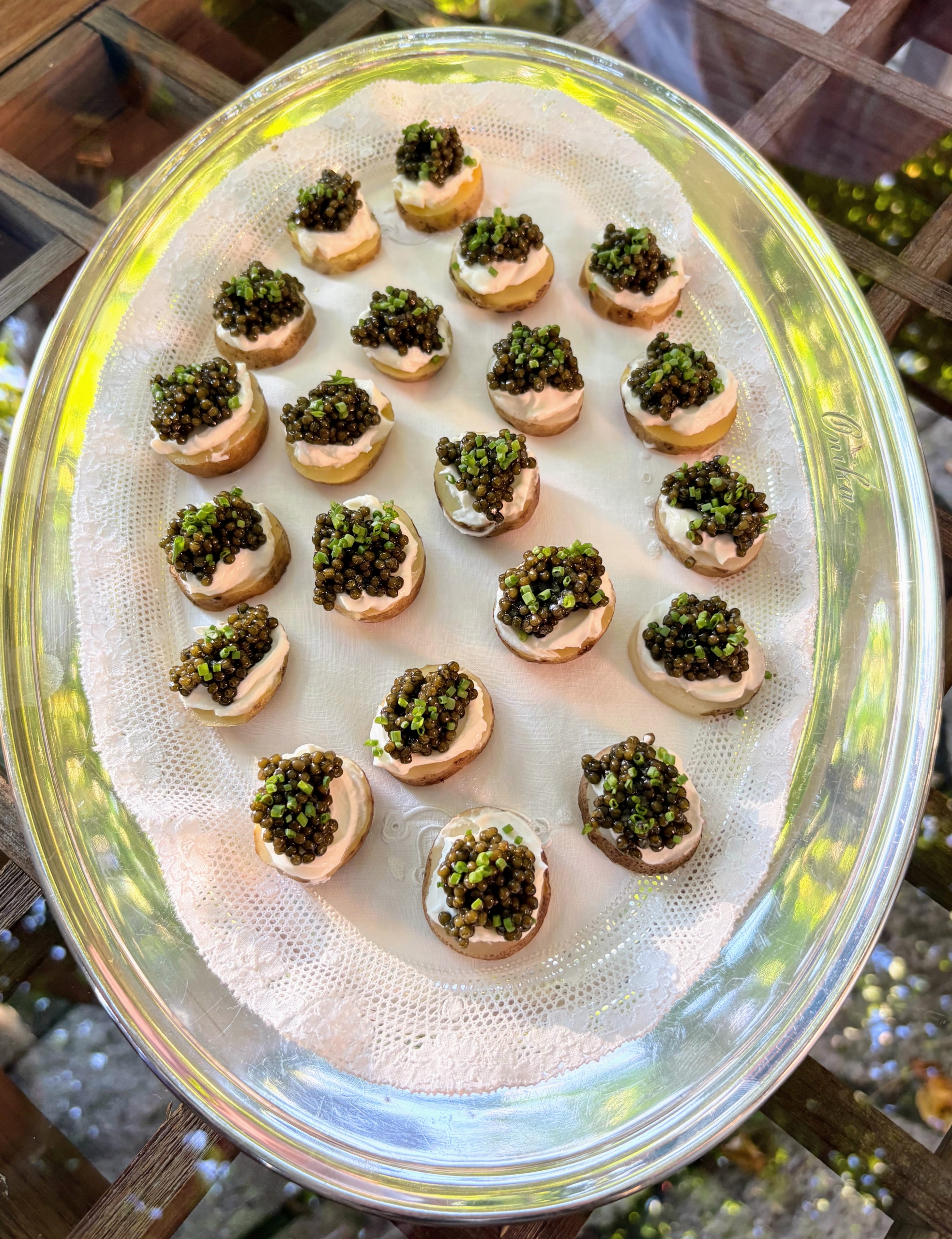
- Also served – trays of mini toasts, each with a dollop of crème fraîche and caviar.
-
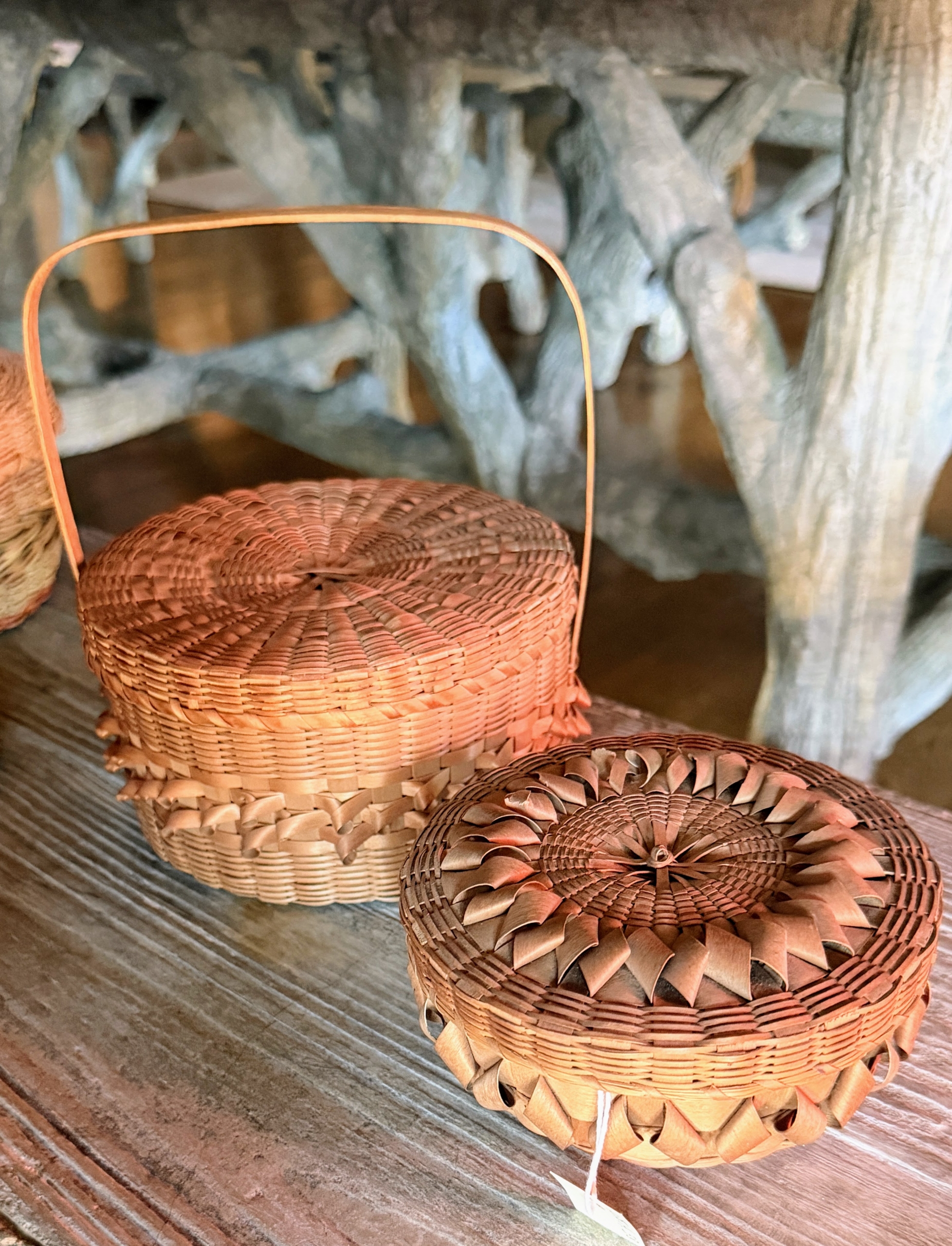
- Today, the four Maine Indian tribes are the Maliseet, Micmac, Penobscot, and Passamaquoddy, known collectively as the Wabanaki, “People of the Dawnland.” Jennifer Neptune, a citizen of the Penobscot Nation and Director of the Penobscot Nation Museum, brought a selection of baskets and other pieces handmade by Wabanaki Nation Citizens. On the left is what is likely an 1800s child size lunch basket with its handle for carrying. It’s made with black ash splints, which is very strong and very flexible. In fact, black ash is such a popular tree to use for weaving baskets because pieces can be thick or sliced very thin like paper. The other basket is also made from black ash and is decorated on top with “diamond curls.” This basket could have been used to store mens’ collar stays.
-
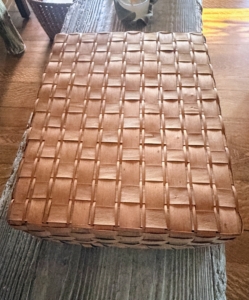
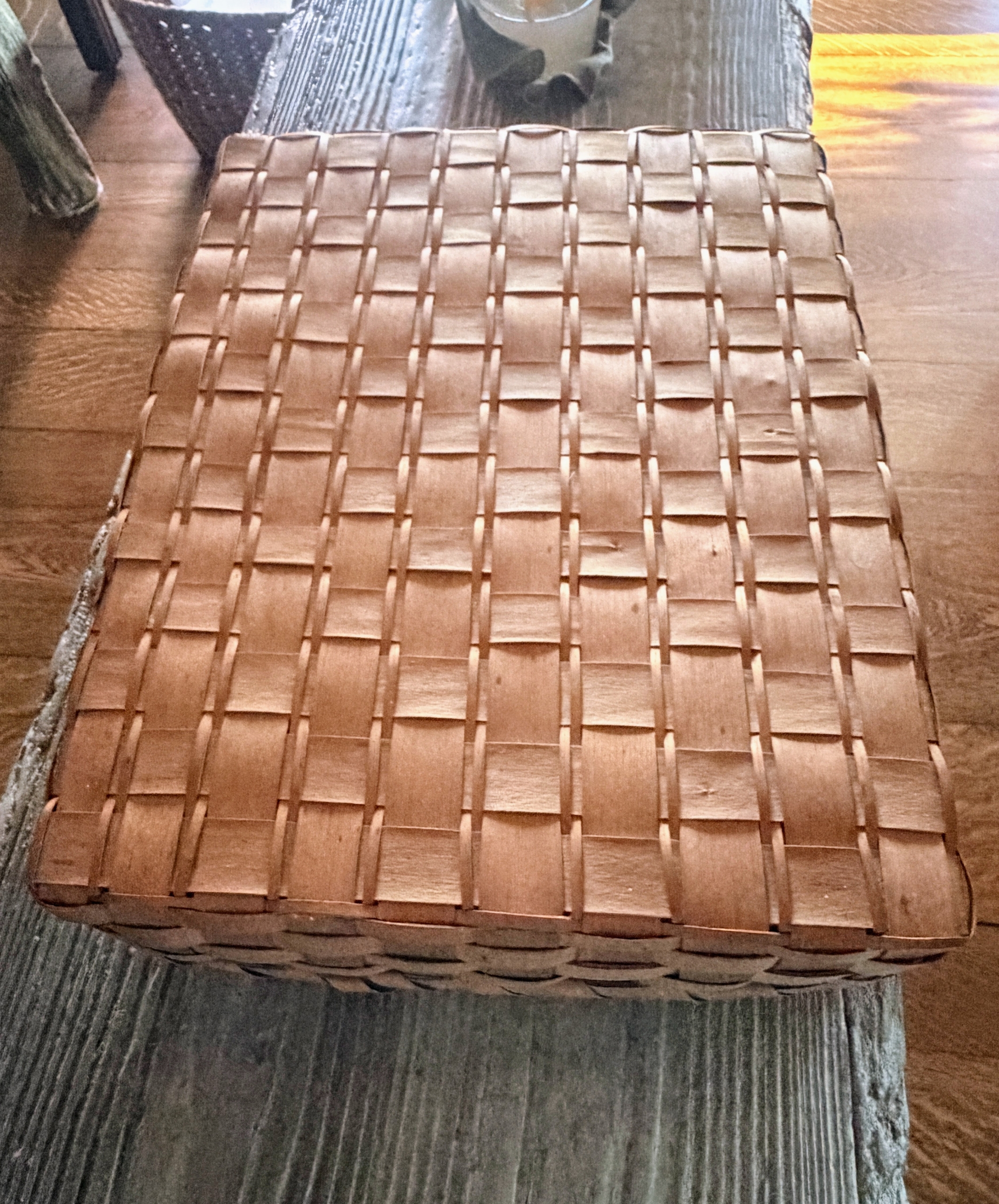
- This is a weaved box basket, likely made in the 1920s or 1930s from black ash. It may have been used to store paper.
-
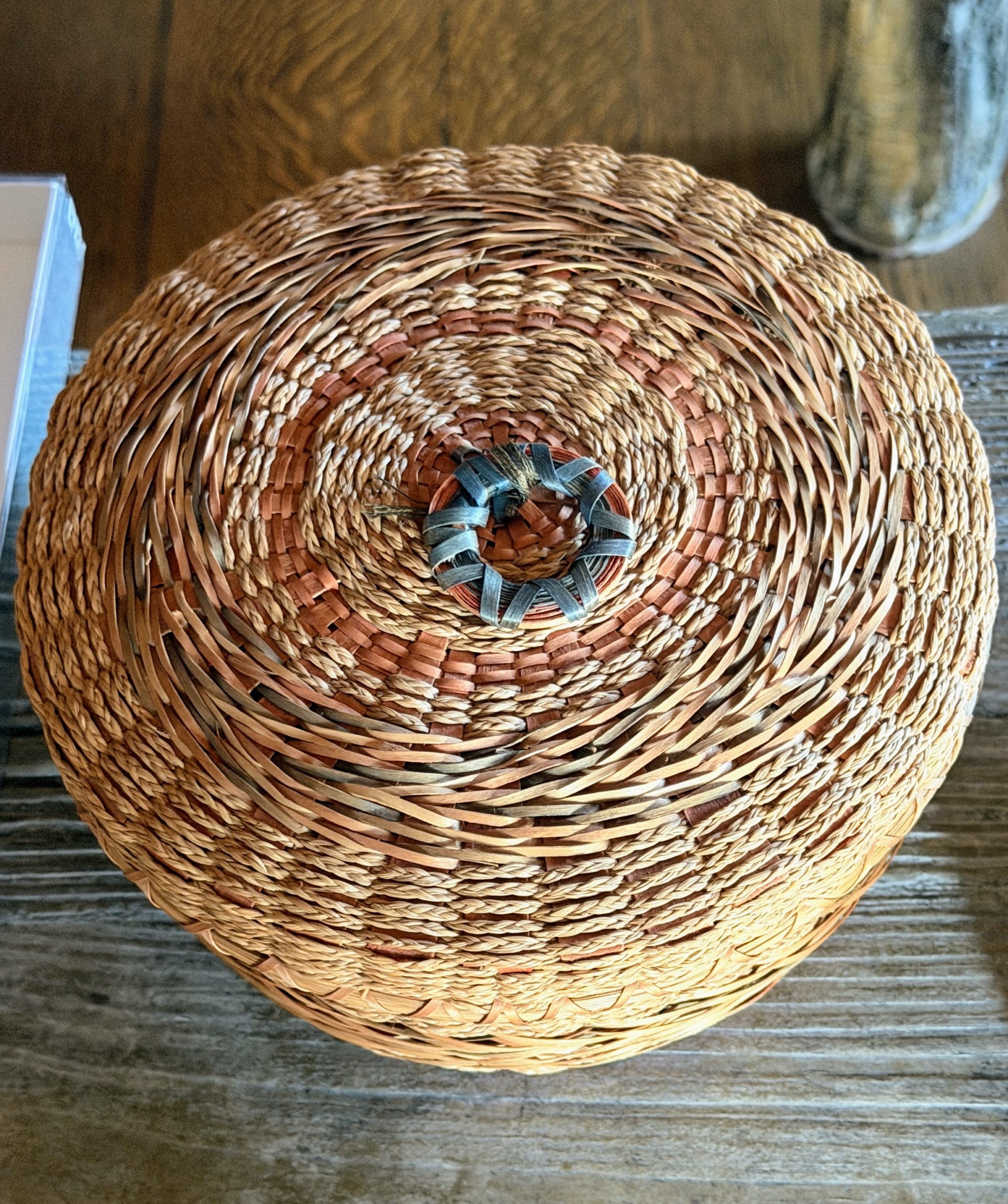
- This basket was made by a Penobscot Nation basket weaver. It is made from black ash and sweetgrass. This basket is extra special because of the spiral weave pattern and the decorative star ring at the top.
-
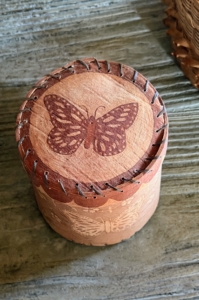
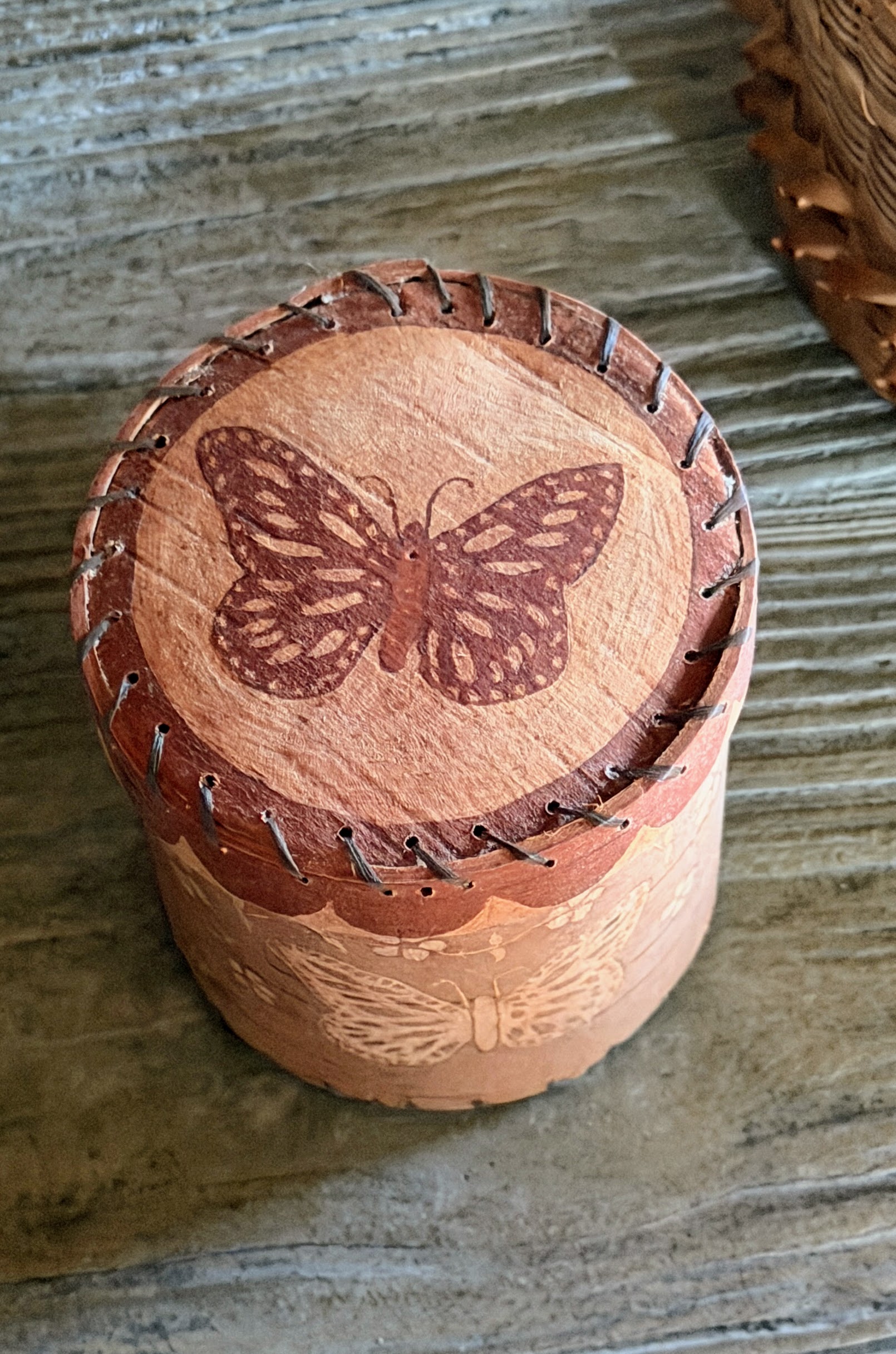
- This covered piece was made by the late Butch Philipps, a tribal elder of the Penobscot Nation and talented birchbark artist known for etching winter bark with traditional Penobscot double curve motifs and designs. This container could have been used for storing garden seeds or even tea.
-
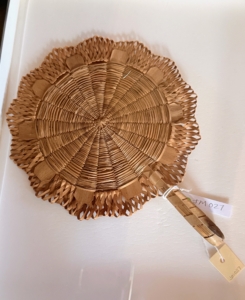
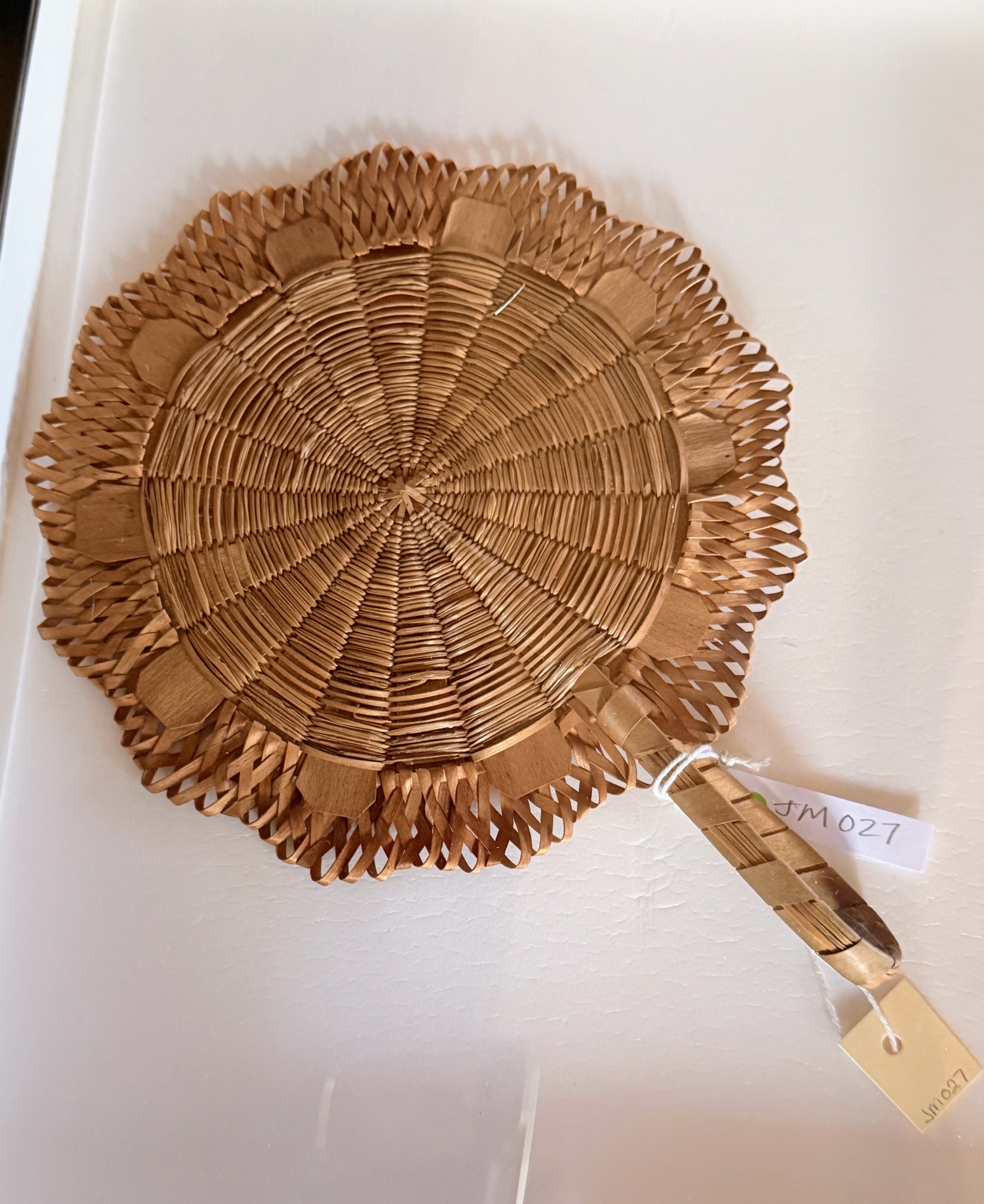
- This is a hand fan from the 1800s handmade from black ash.
-
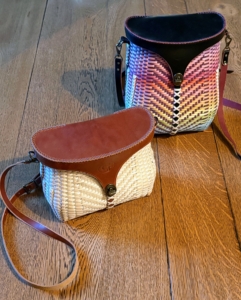
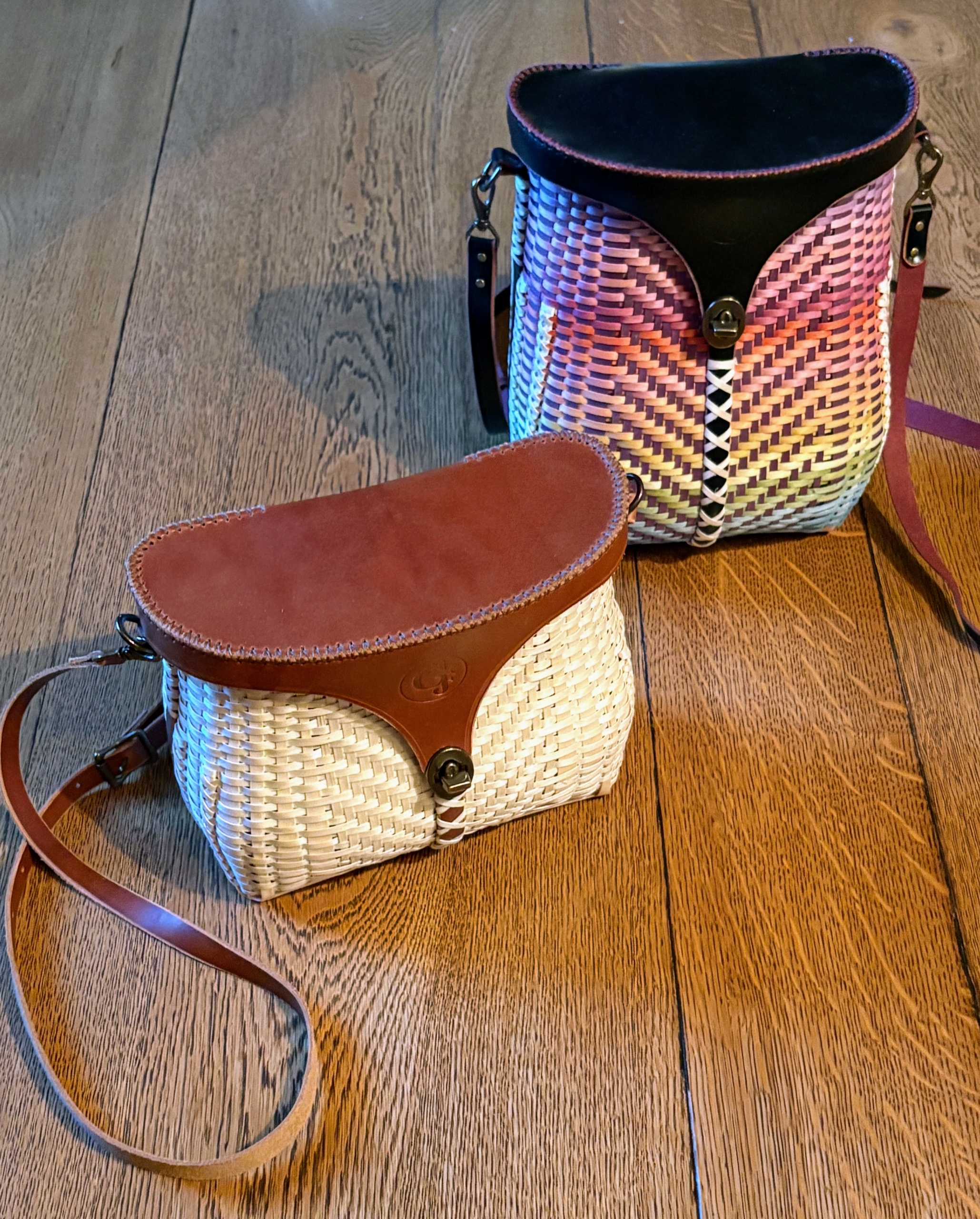
- Gabriel Frey is a Passamaquoddy artist and 12th-generation black ash basketmaker whose work has earned national recognition. He made these two more modern basket handbags with leather tops.
-
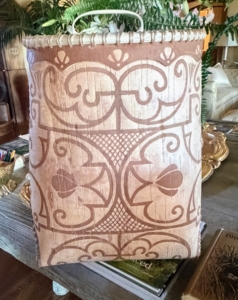
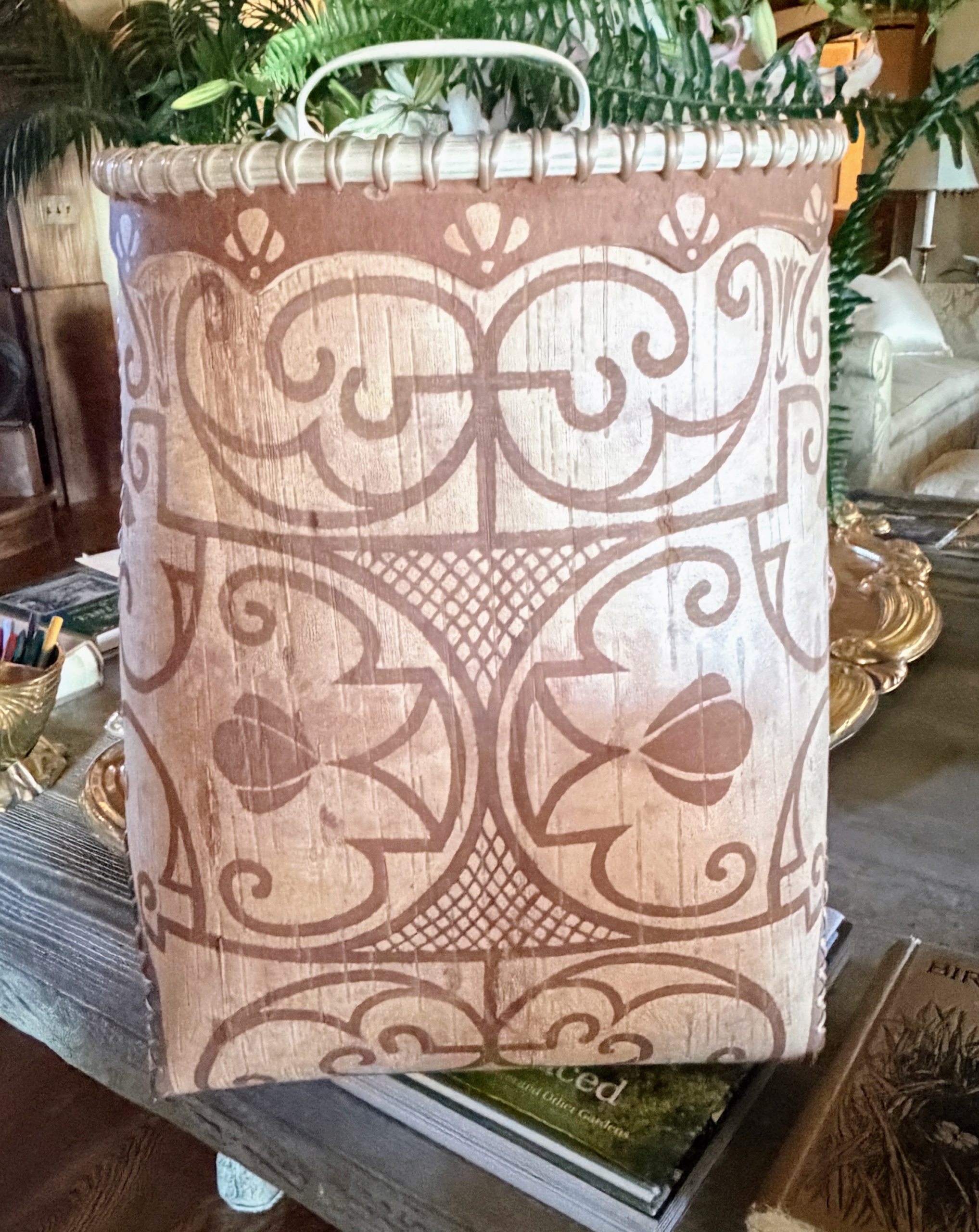
- This is a fine example showing Gabriel’s birchbark etching. Here, Gabriel etches the darker bark and scrapes out the white double curved designs. These are traditional designs used by the Wakanabi Nation citizens to create more modern pieces.
-
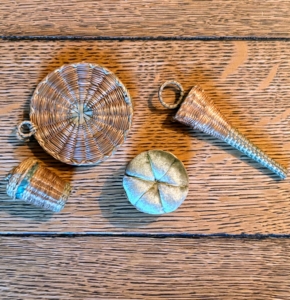
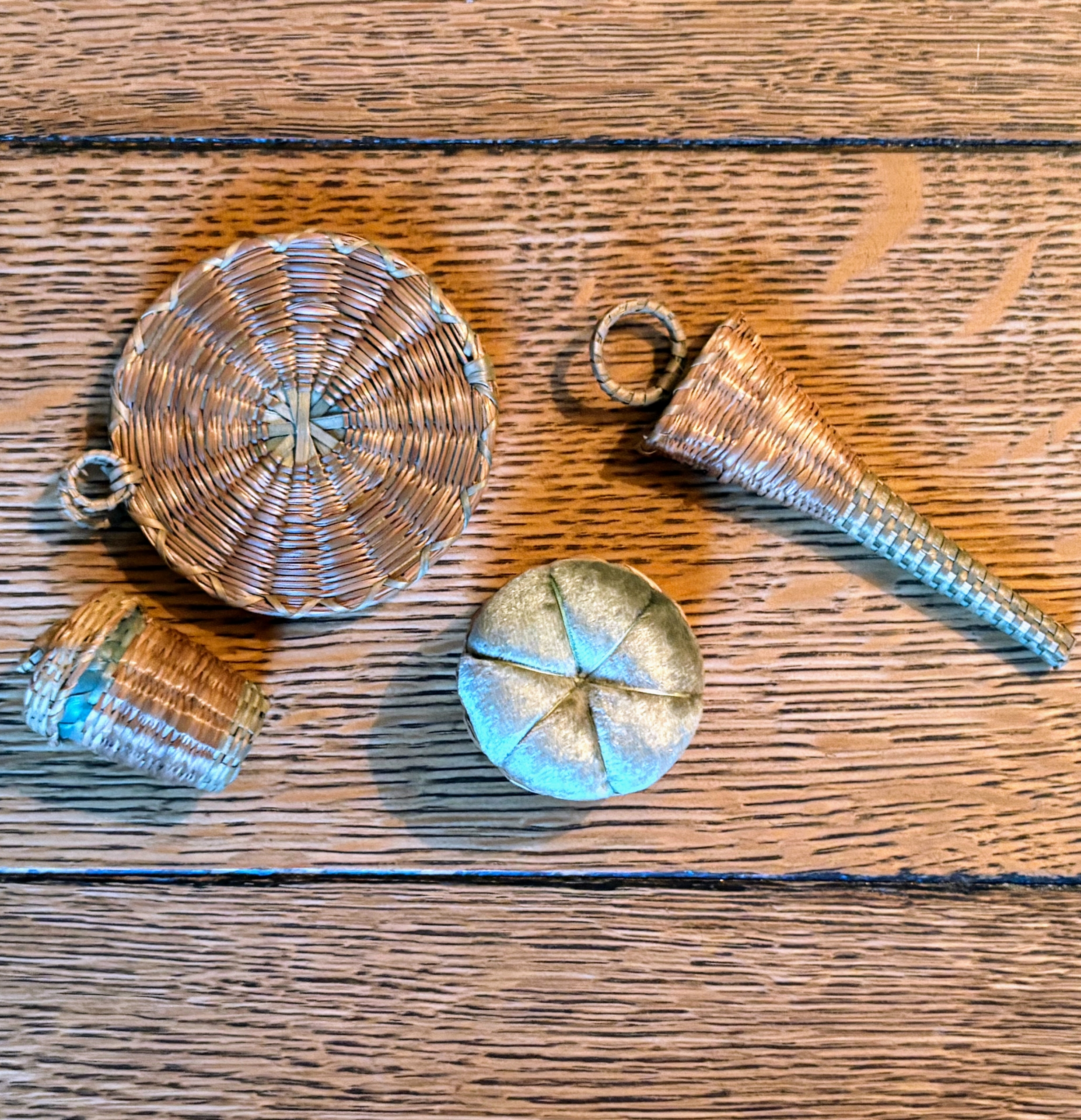
- I especially liked these weaved sewing kits. The larger round sweetgrass piece is a needle case. There is also a pin cushion, thimble holder, and the longer piece is a scissor case.
-
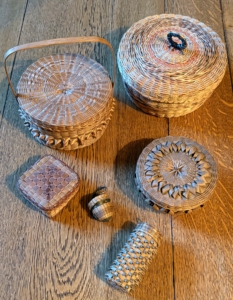
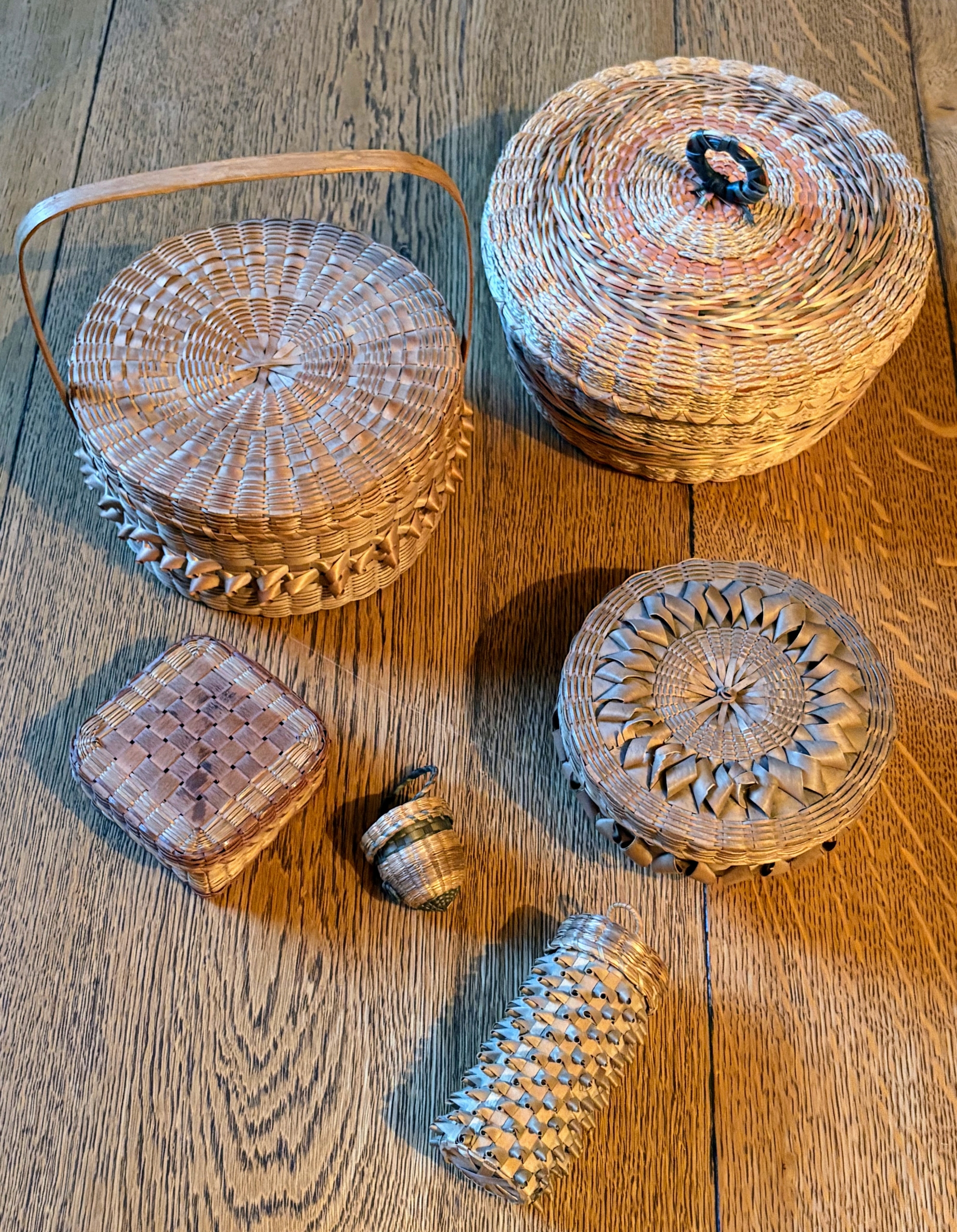
- These are more storage baskets made by Penobscot Nation citizens. Early basket makers would sell the pieces door to door and bring along miniature samples.
-
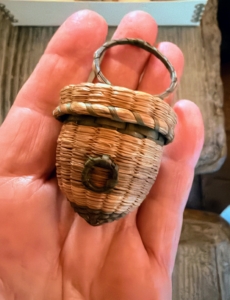
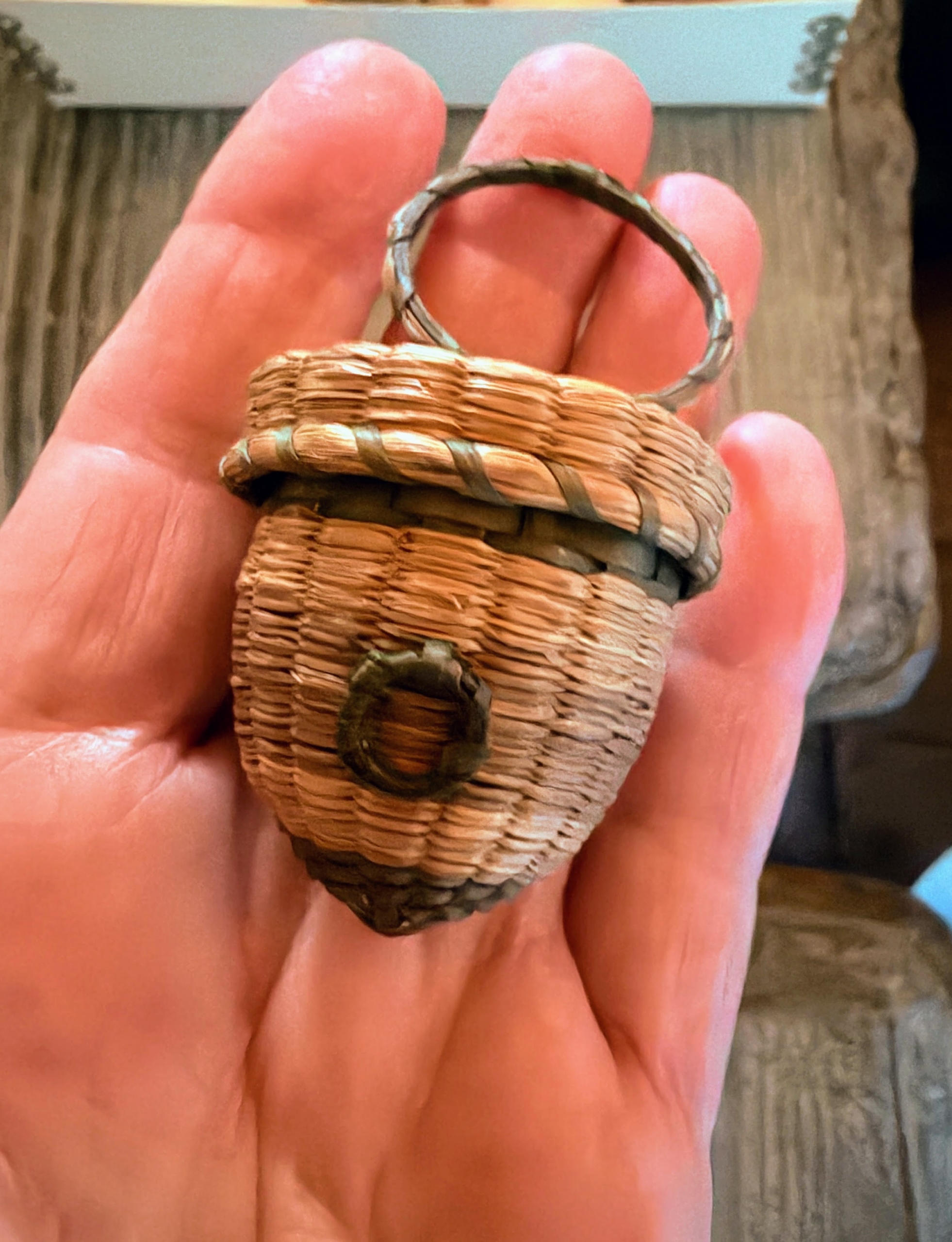
- This is a miniature acorn shaped basket. Larger ones were used for tatting, or making lace. The basket would store the thread and the ring would be secured to a finger or wrist to keep hands more free for crafting.
-
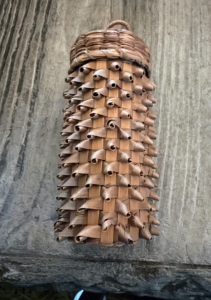
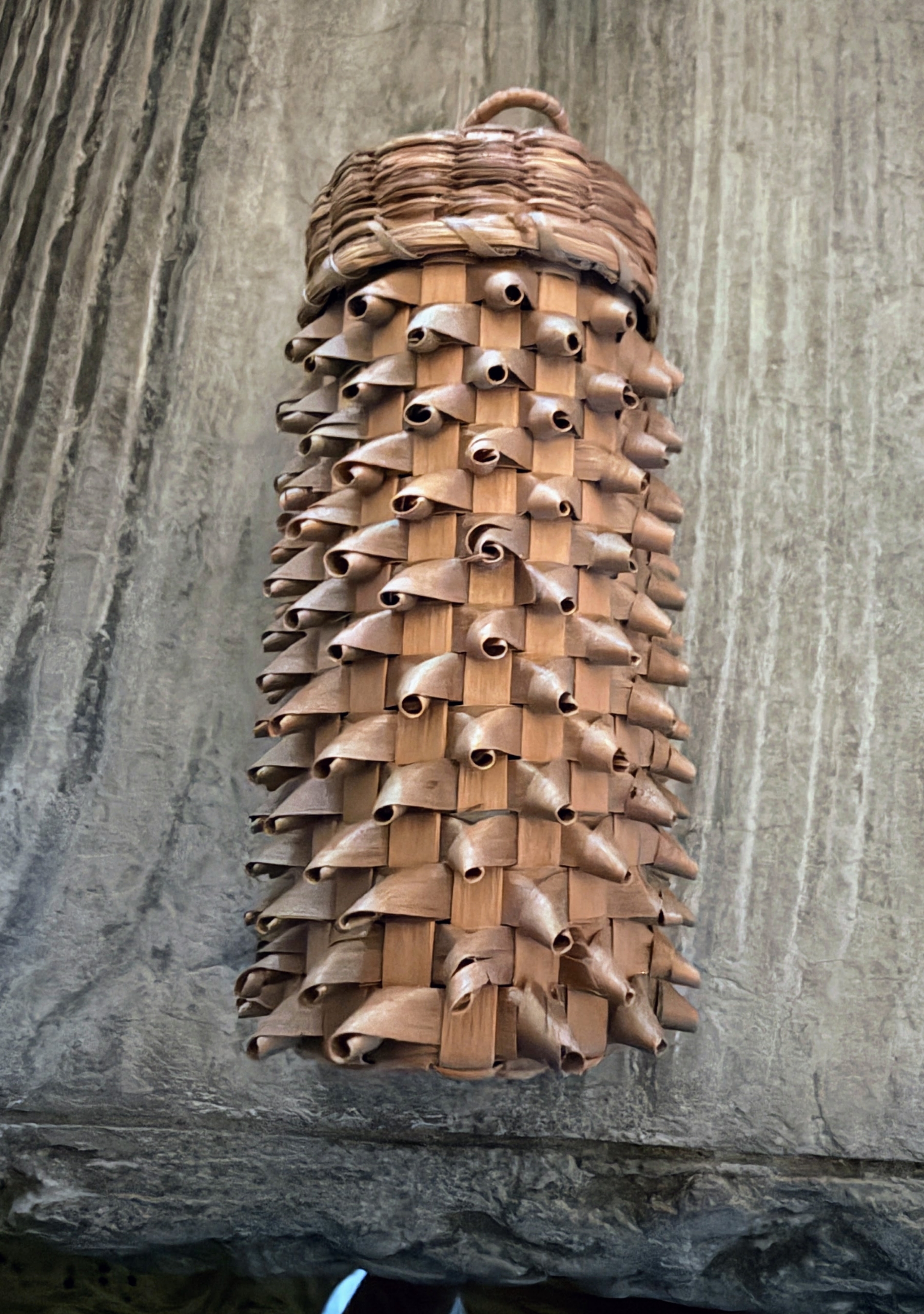
- This weaved storage basket could have held drinking glasses or bottles, much like a modern day “koozie” or insulated bottle sleeve.
-
- I surprised the group with some of my own baskets, which I displayed on the dining table as center pieces. The larger basket here is dyed to add a reddish tint. It also uses curls as decorations on the sides and top. It was made by Passamaquoddy Nation Elder, Diane Campbell.
-
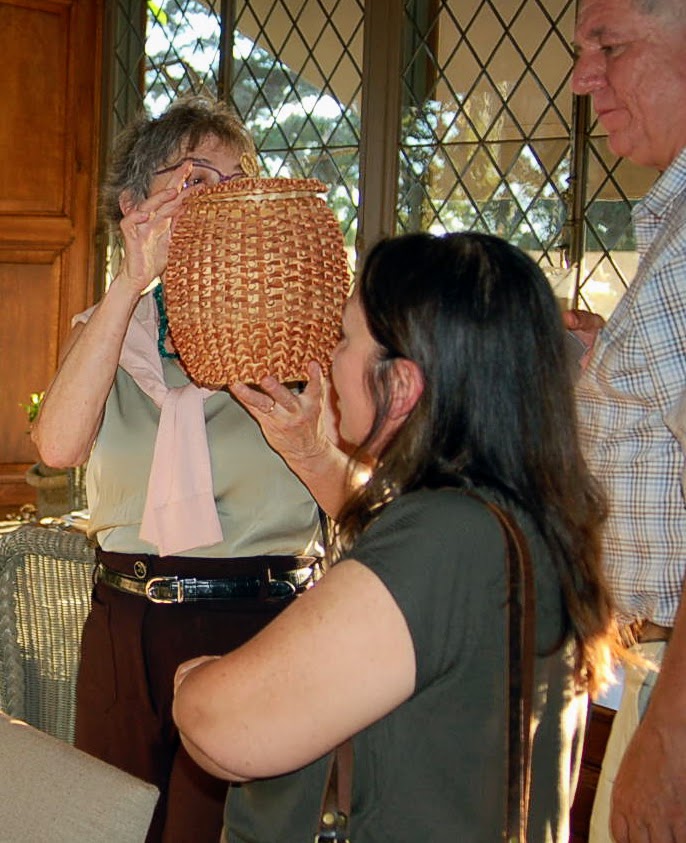
- They all loved seeing my baskets – so well crafted and so well preserved.
-
- Each table setting included a menu with a map showing Skylands, Seal Harbor, and many of the surrounding islands.
-
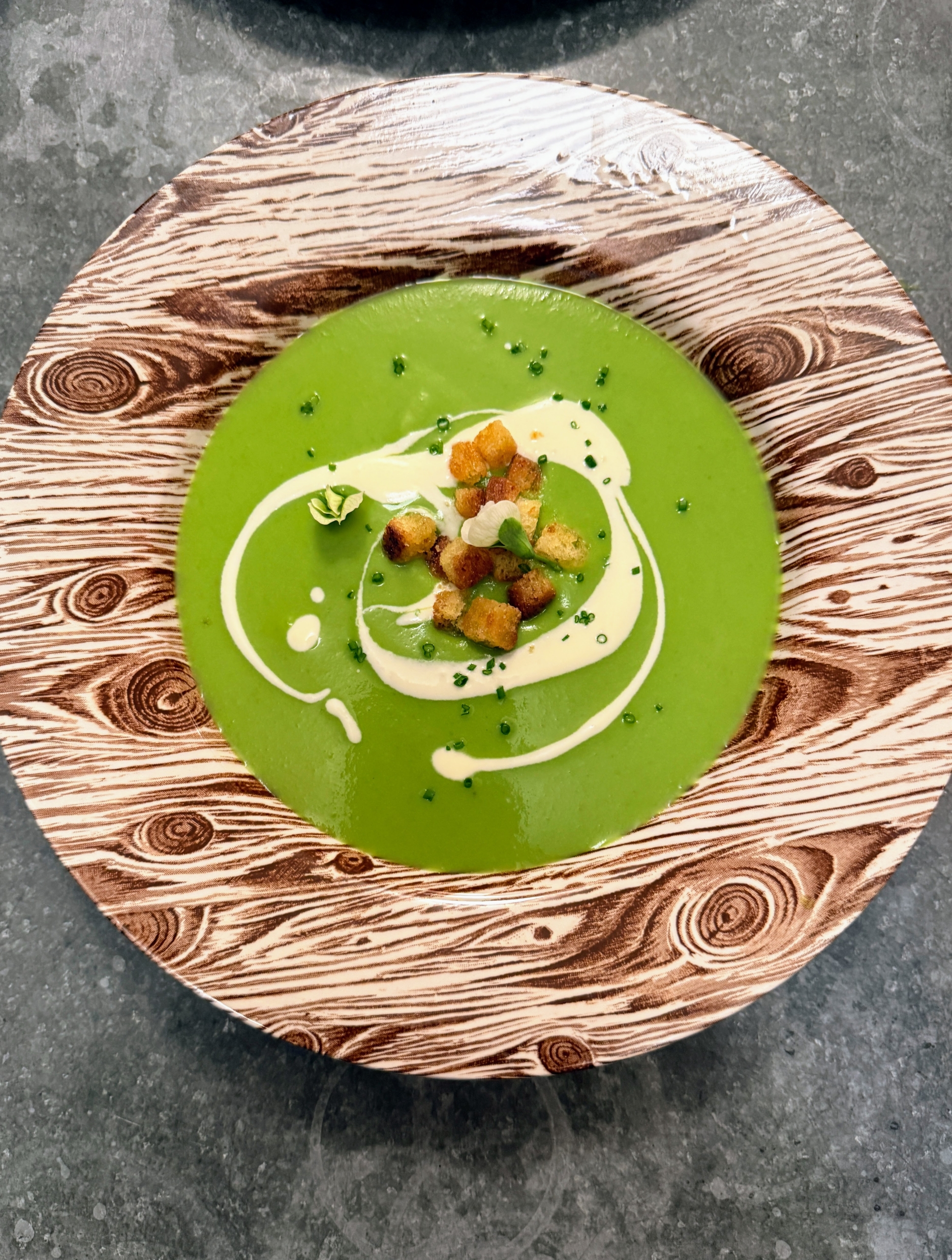
- Whenever I entertain, I always incorporate fresh vegetables from my gardens. We started with Skylands Garden Green Pea Soup with Balthazar Brioche Croutons and Crème Fraîche. You may have seen photos on my Instagram page @marthastewart48.
-
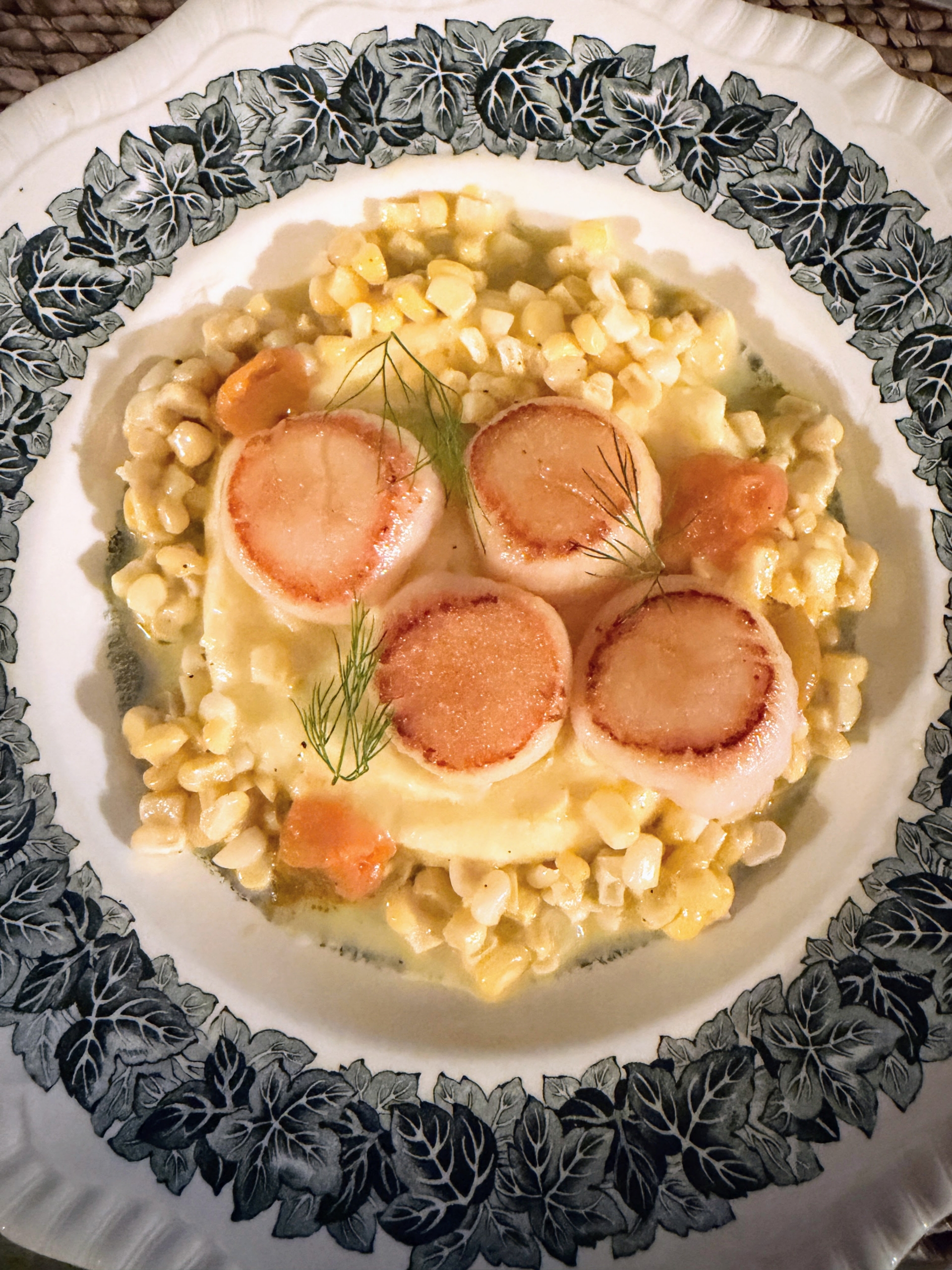
- The main course was Seared Vertical Bay Penobscot Scallops, Waldoboro Summer Corn and Confit of Sungold Tomatoes and Bedford Pommes Purée. The entire meal was prepared by Chefs Molly Wenk and Jeff Srole.
-
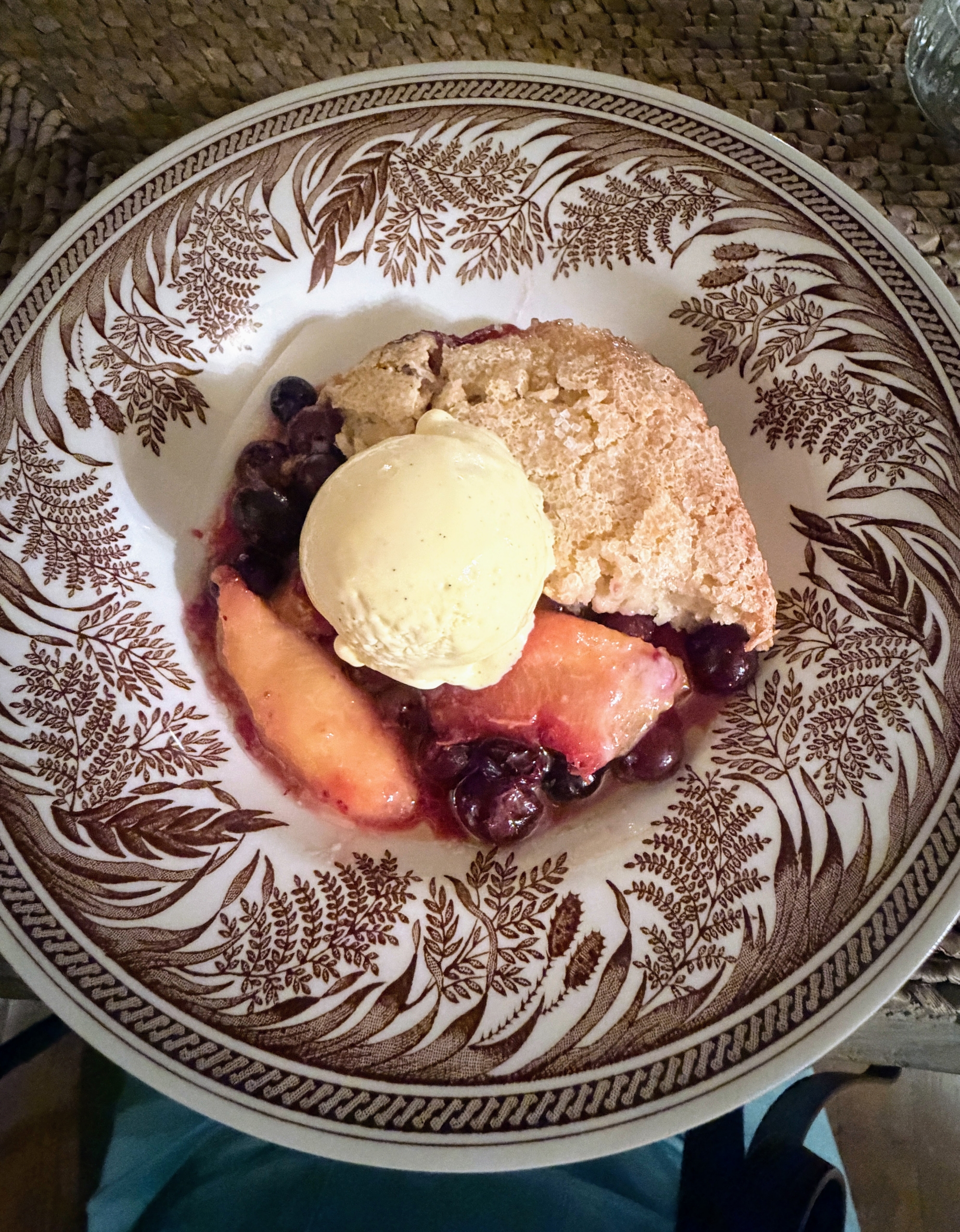
- And of course dessert was a hit – Skylands Blueberry and Bedford Peach Cobbler with House Made Vanilla Bean Ice Cream. The wild blueberries grown here at Skylands and the peaches grown at my farm were so sweet and so flavorful.
-
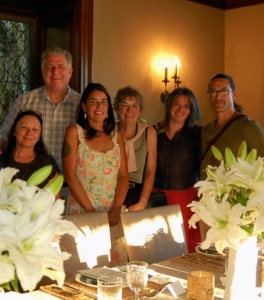
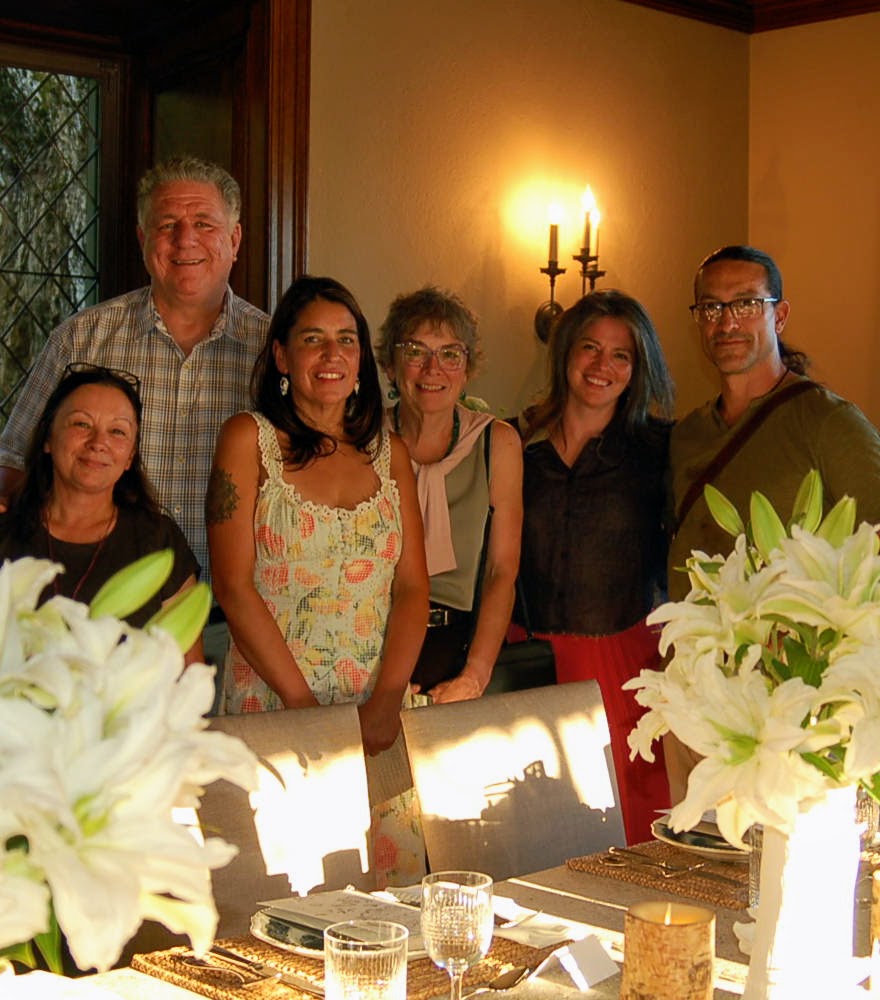
- In this photo are several Wabanaki Nation Citizens, and member of the National Park Service – Jennifer Neptune, James Francis Sr., Heather Augustine, Becky Cole-Will, Suzanne Greenlaw, and Gabriel Frey.
-
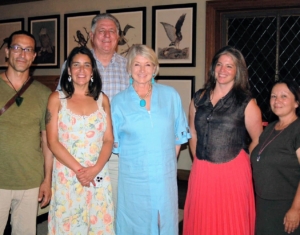
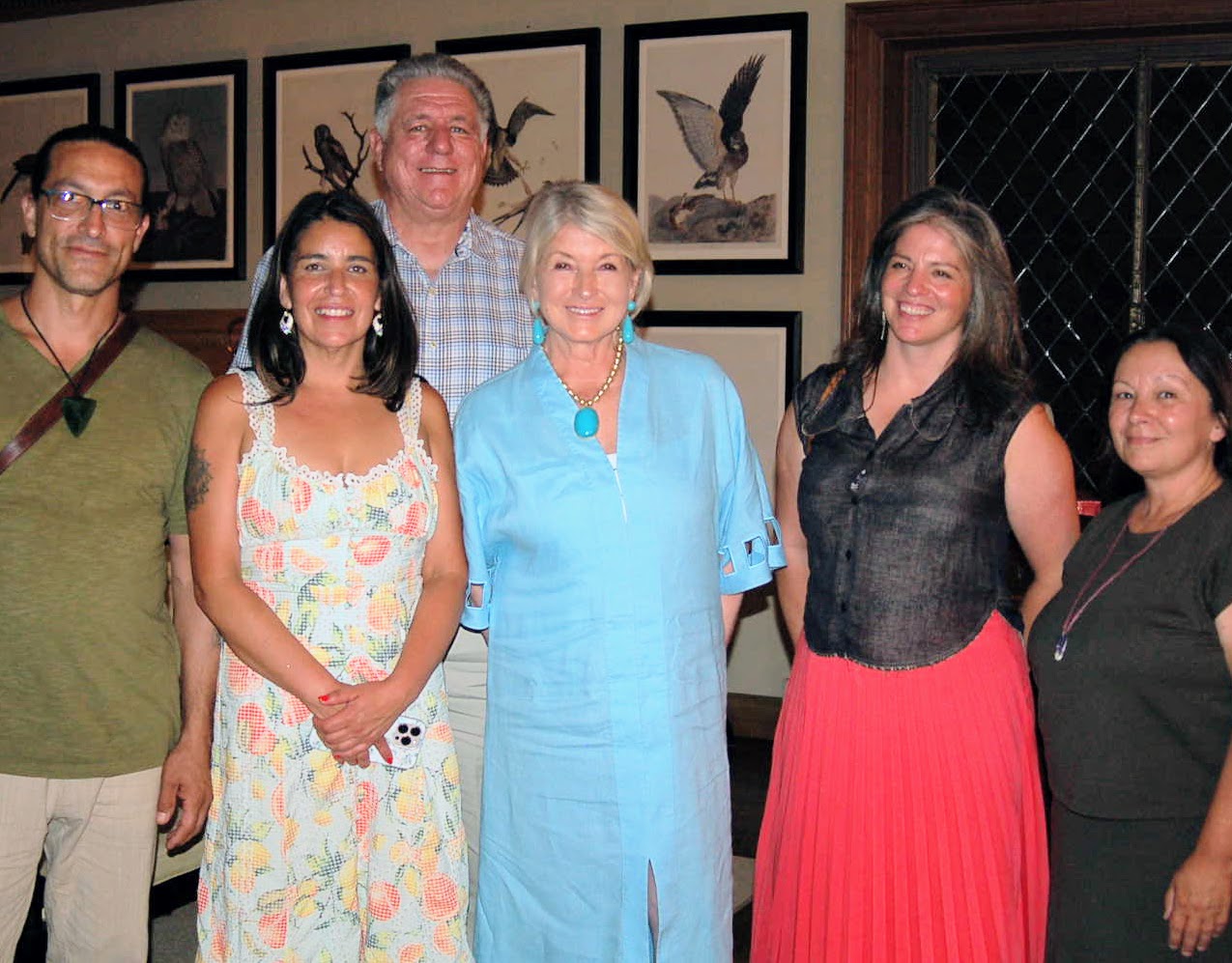
- And here I am with Gabriel, Heather, James, Suzanne, and Jennifer. What a lovely summertime dinner for all.
This story originally appeared on Martha Stewart Blog

