


September 23, 2026
Emergency Preparedness for My Horses
Responsible horse ownership goes far beyond riding – it means providing the best possible care and attention throughout every stage of a horse’s life.
Here at my farm, my stable team takes great care of my horses and their daily needs. They also make sure we have a well-planned emergency preparedness program in place, so my horses are always safe and ready for any unexpected situation. Yesterday, the emergency first-aid kit was checked and my horses practiced trailer training. Each one learned to calmly approach, load into, and stand comfortably in a trailer – a process that requires patience, positive reinforcement, and most of all trust.
Here are some photos, enjoy.
-
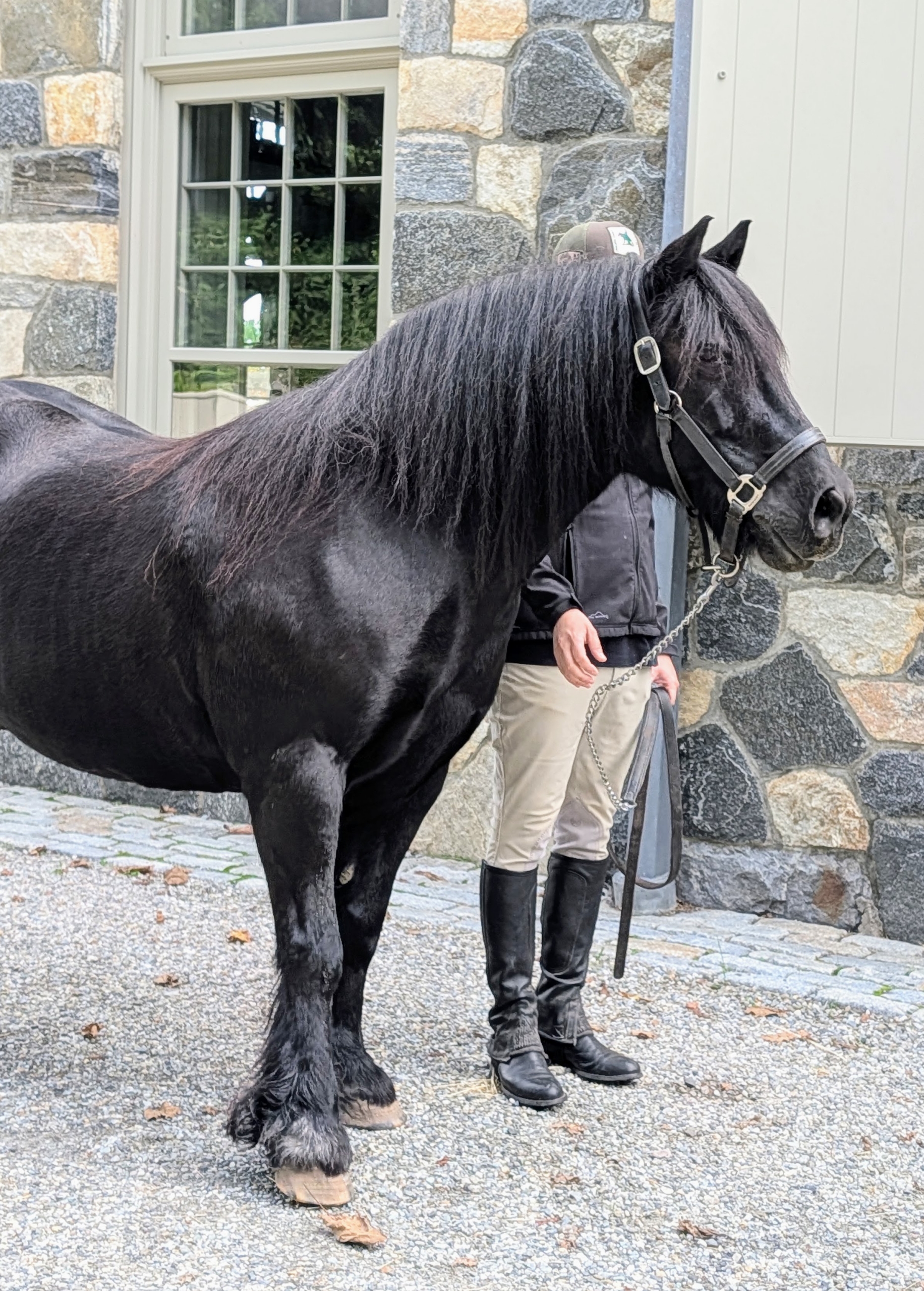
- One by one, each of my horses is taken out of his stall and guided to the trailer positioned behind my stable complex. This is my Fell Pony Ban Chunch. He’s a very stable and fearless steed.
-
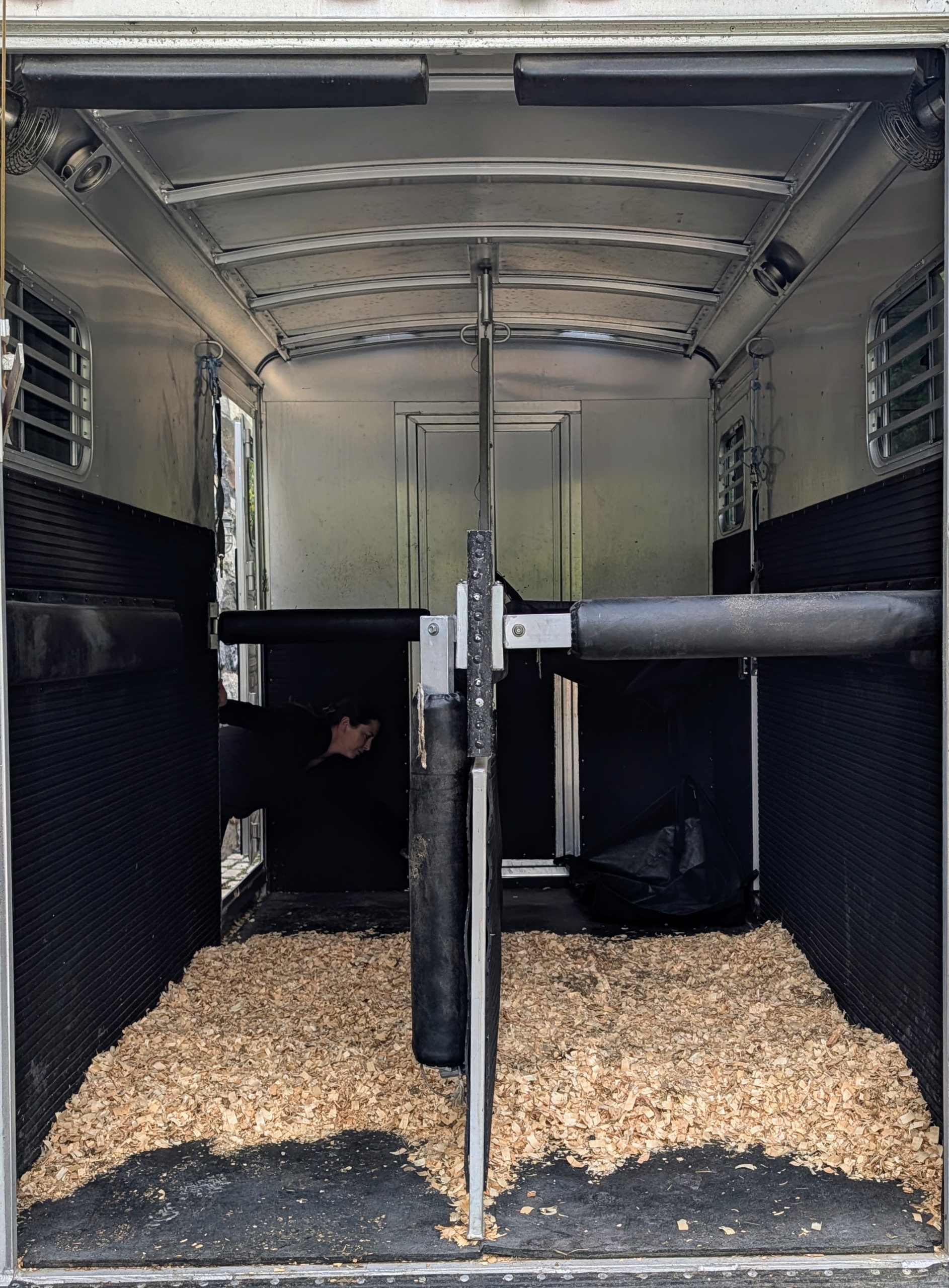
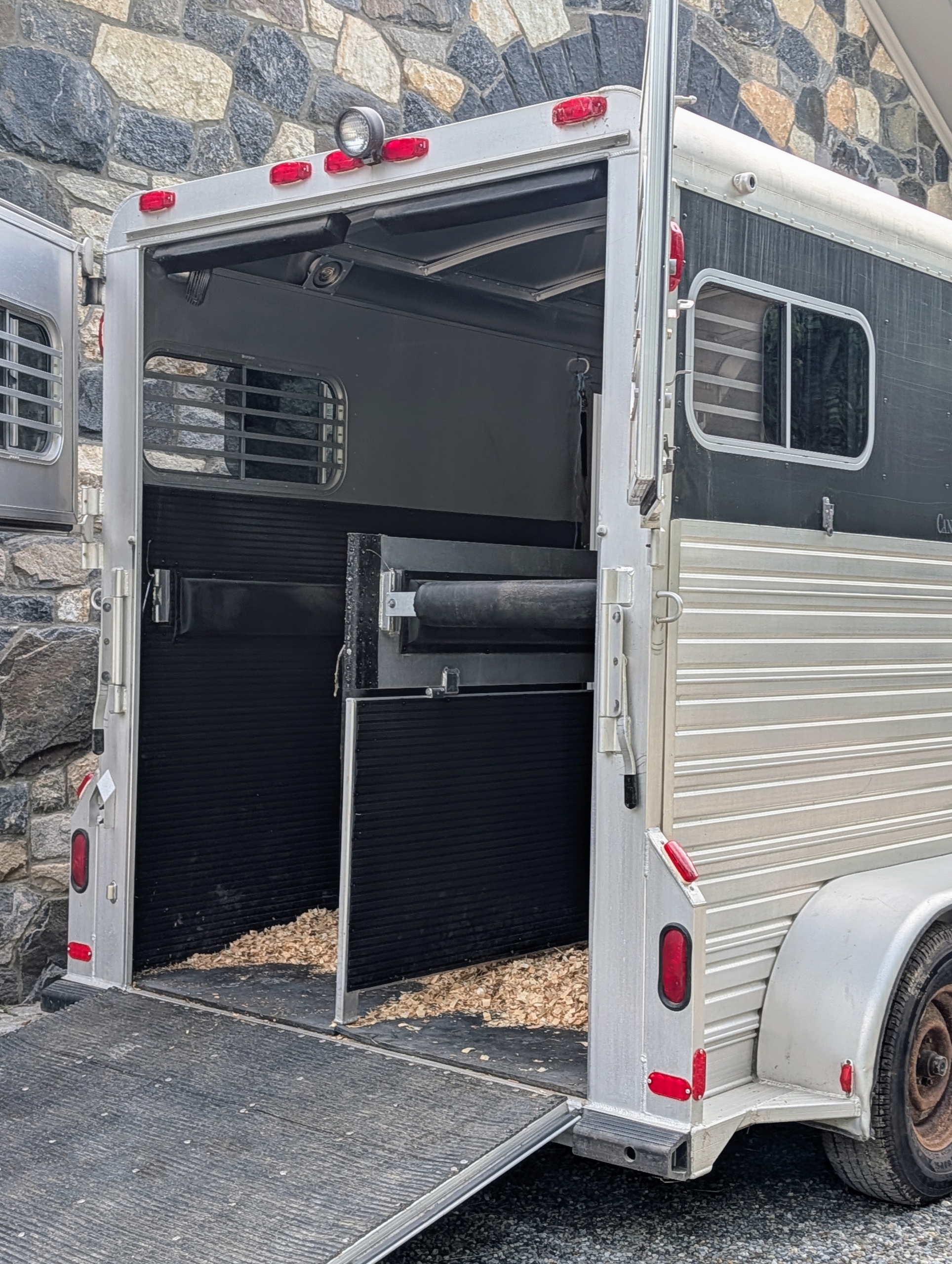
- This is the back of my trailer. This trailer accommodates two horses and all the necessary horse tack and other supplies needed for travel. It is well-padded and very comfortable.
-
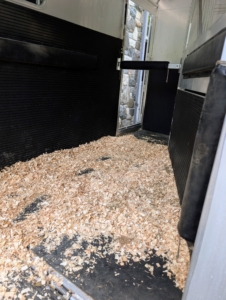
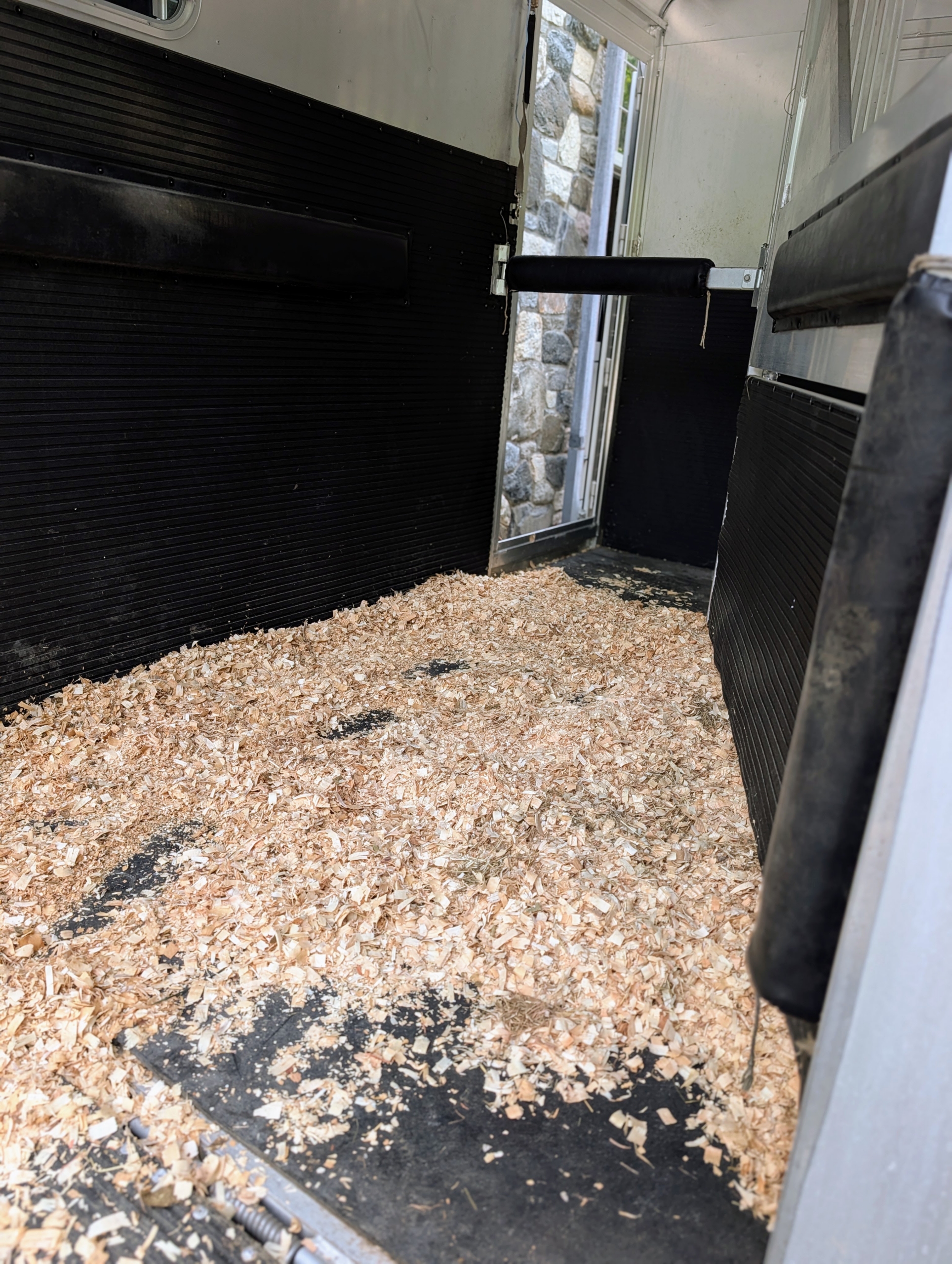
- Shavings are spread on the floor for good footing.
-
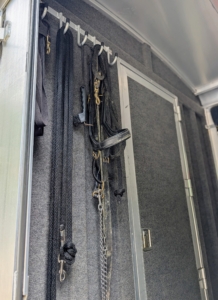
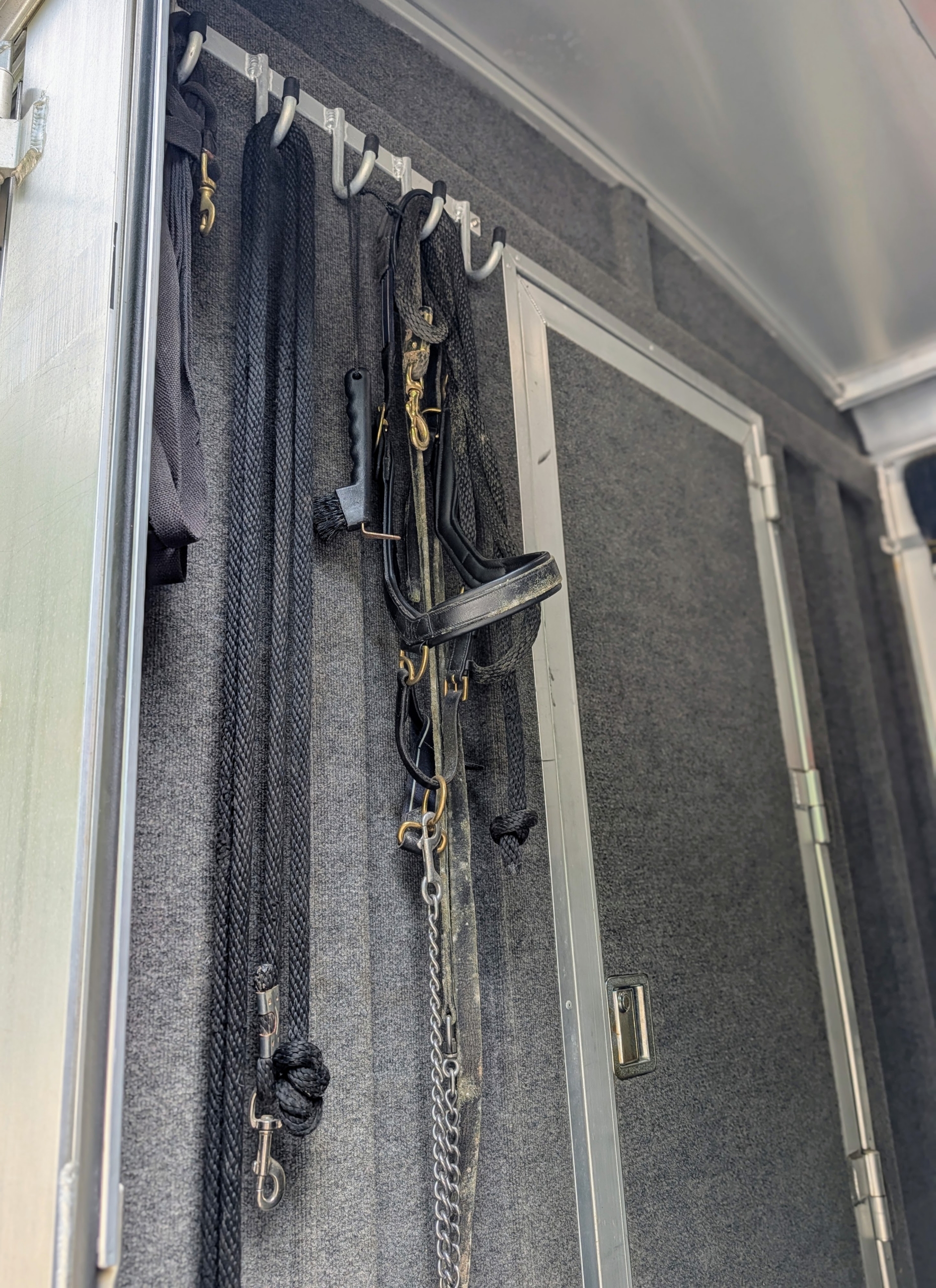
- In the front cabin, there are ample hooks for all the bridles, girths, and harnesses.
-
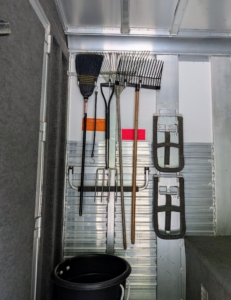
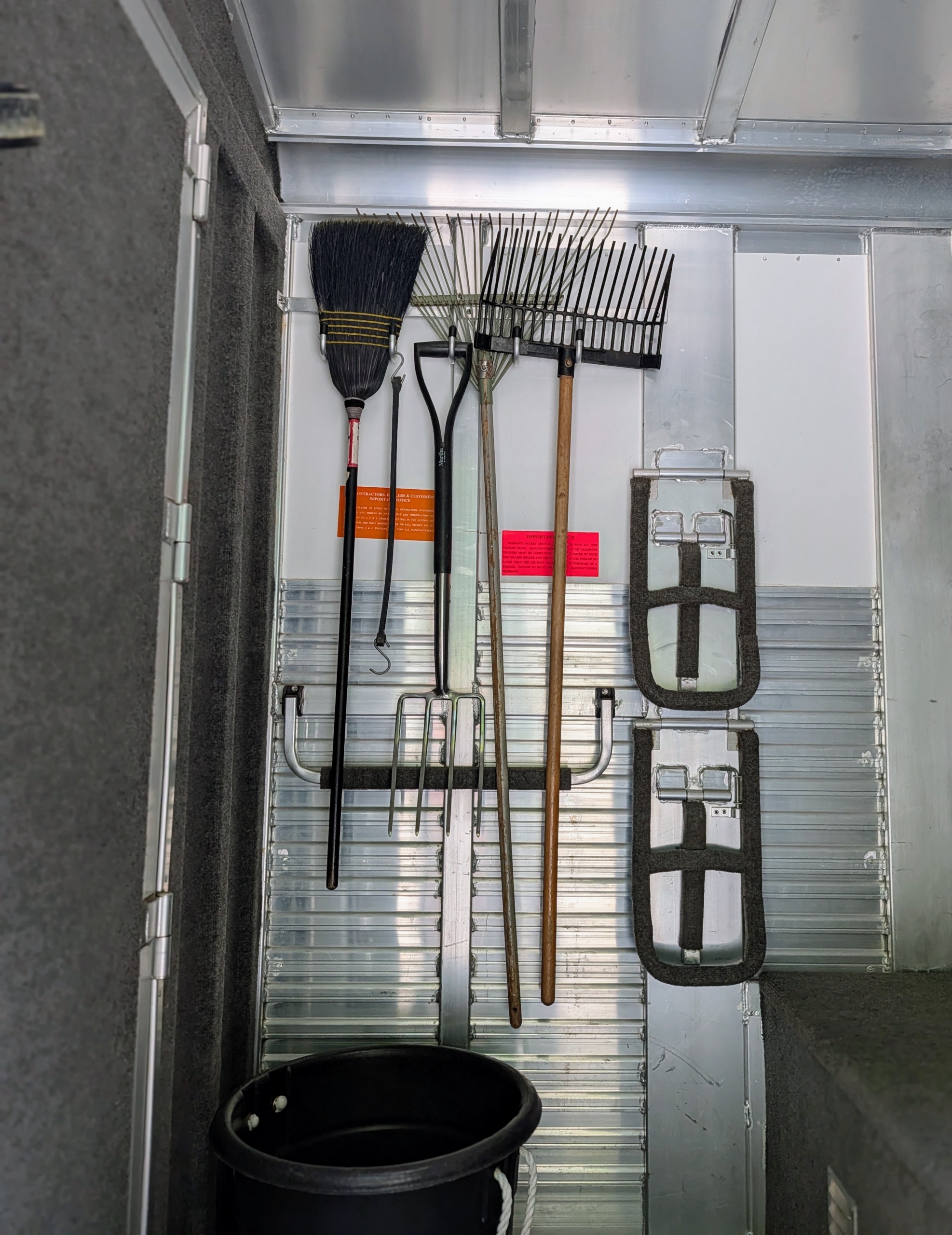
- There are also hooks for rakes, muck shovels, and brooms.
-
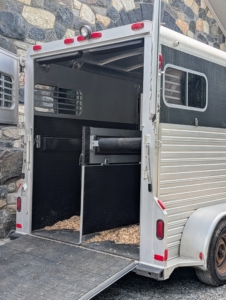
- For this exercise, the doors are opened wide, so the horses can see well into the trailer.
-
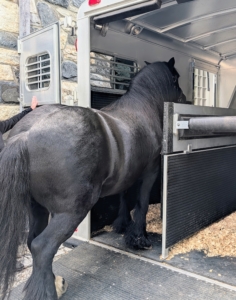
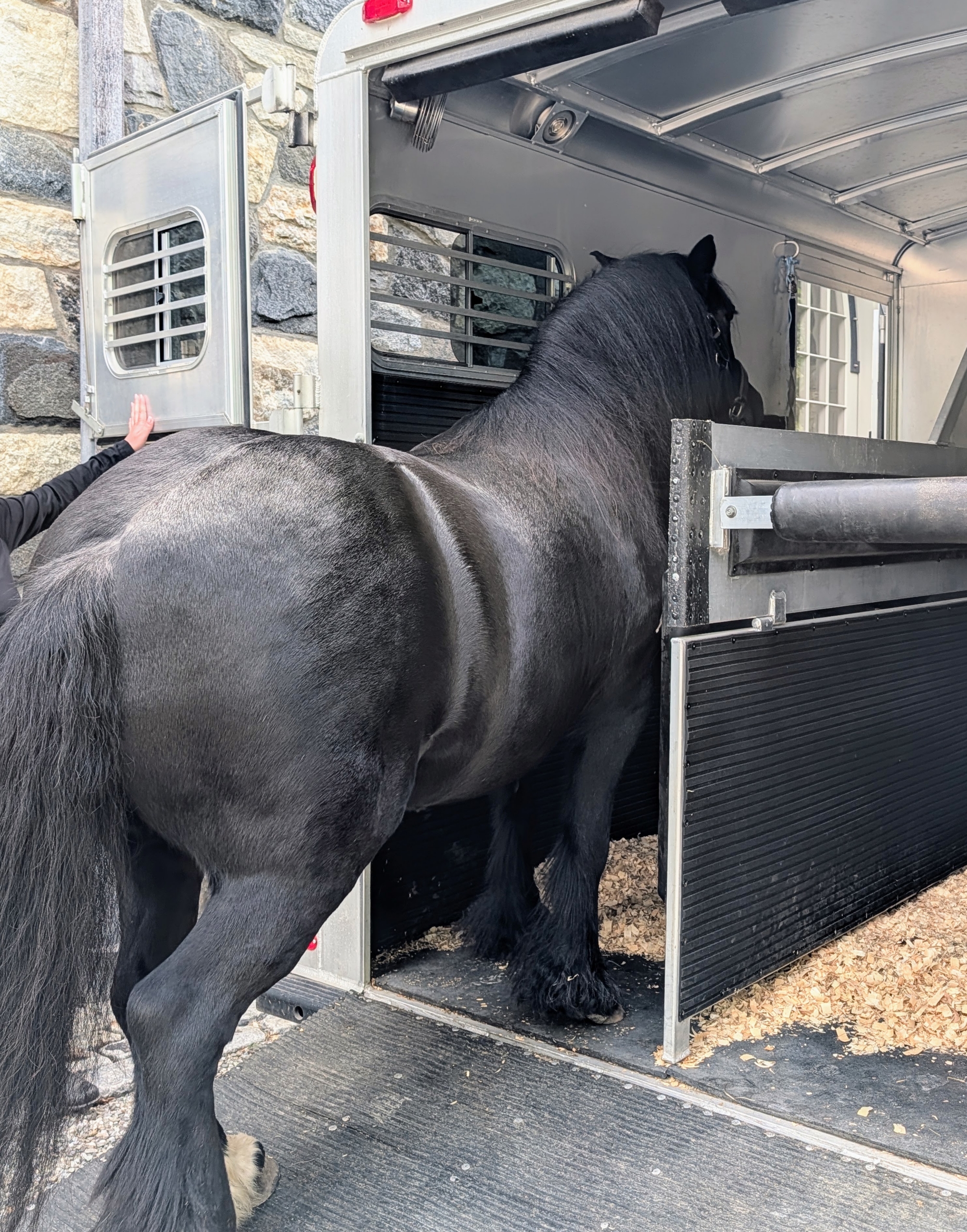
- Using carrots, grown in my garden and cut up into bite sized pieces, Ban Chunch is easily coaxed up the short ramp and into the trailer.
-
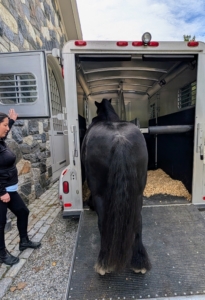
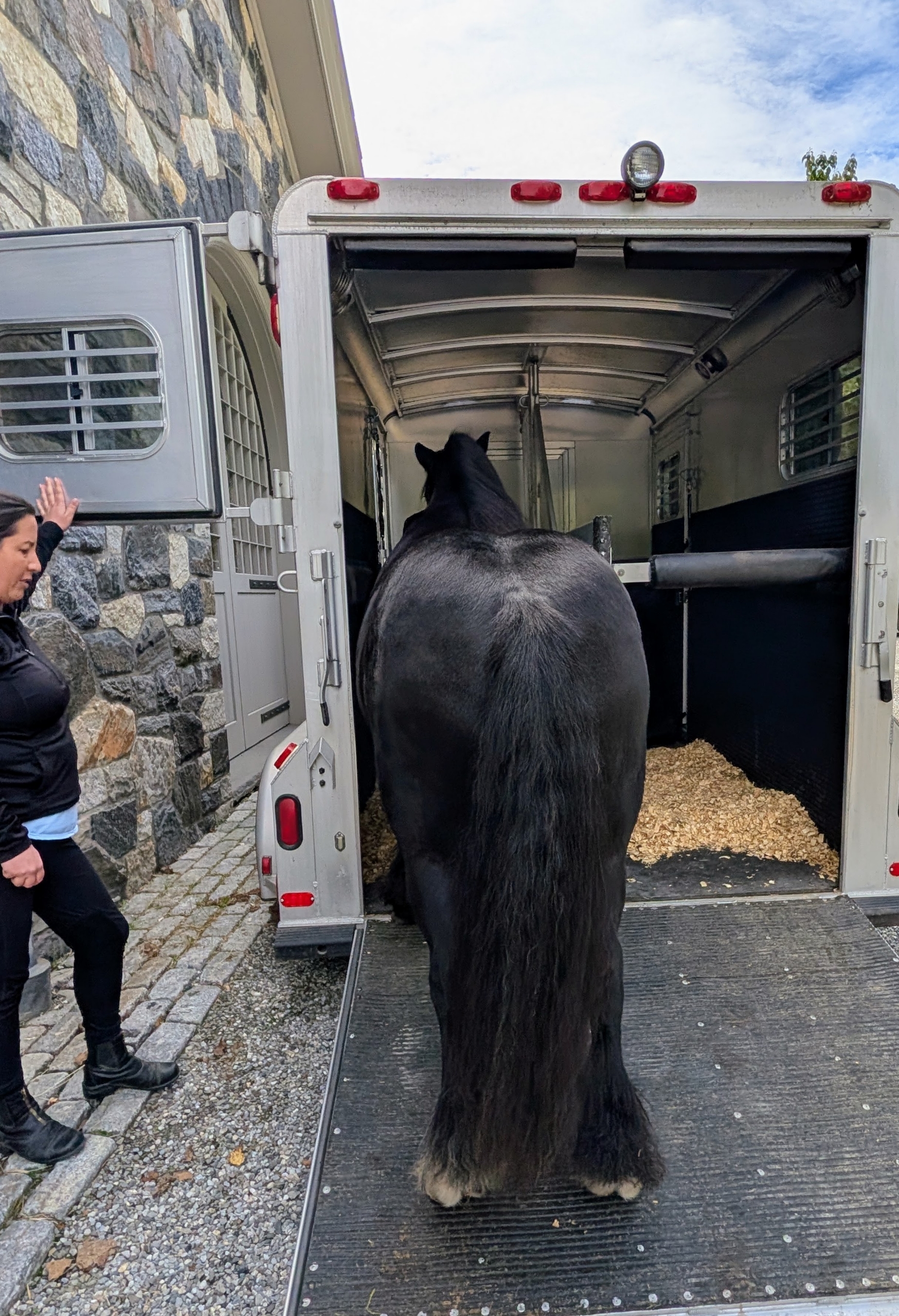
- While one leads Ban Chunch in, Helen stands nearby to make sure the pony walks straight up the ramp.
-
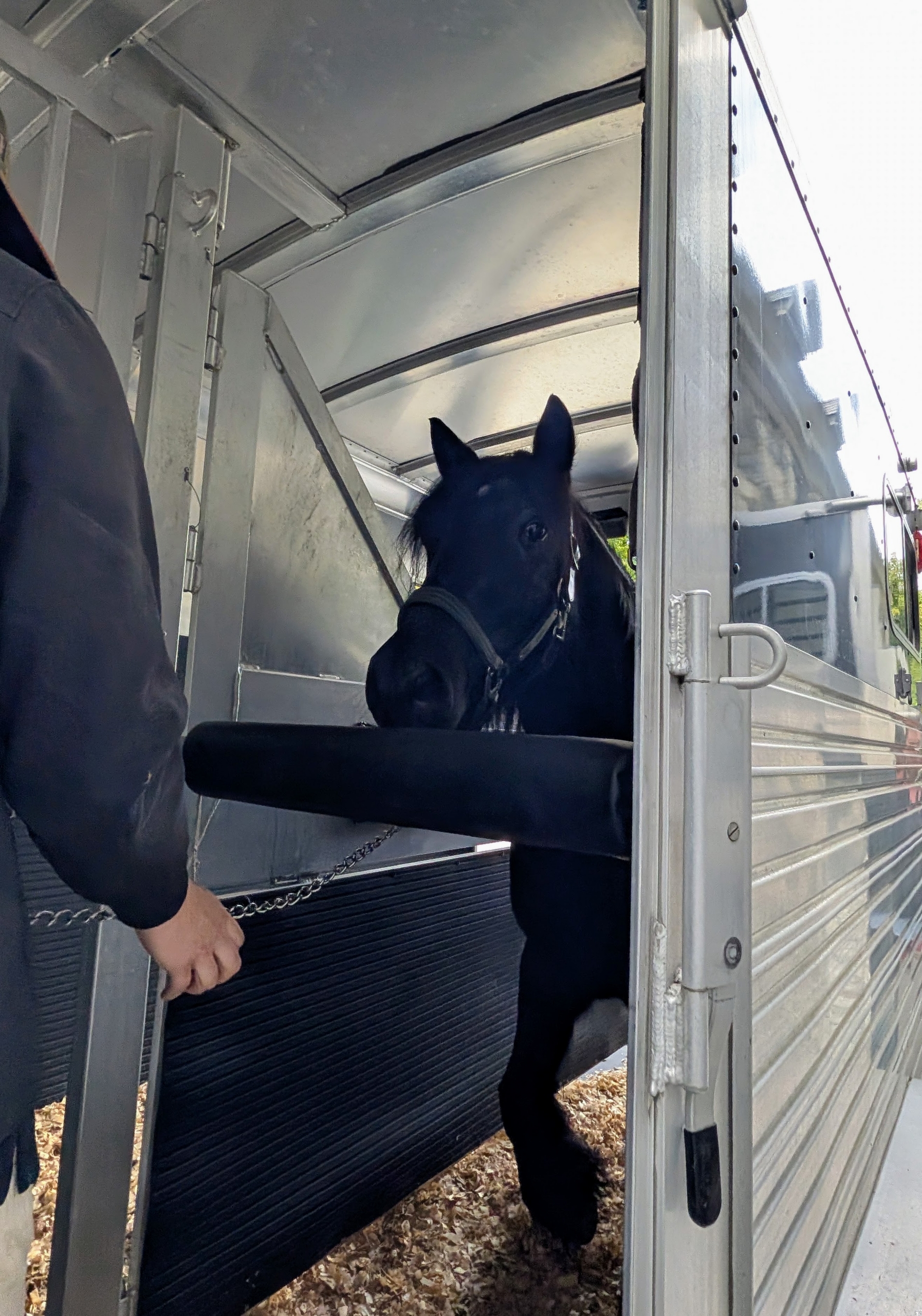
- Here is Ban Chunch from the front. He is kept inside for just a few moments and then backed out of the space the same way he entered.
-
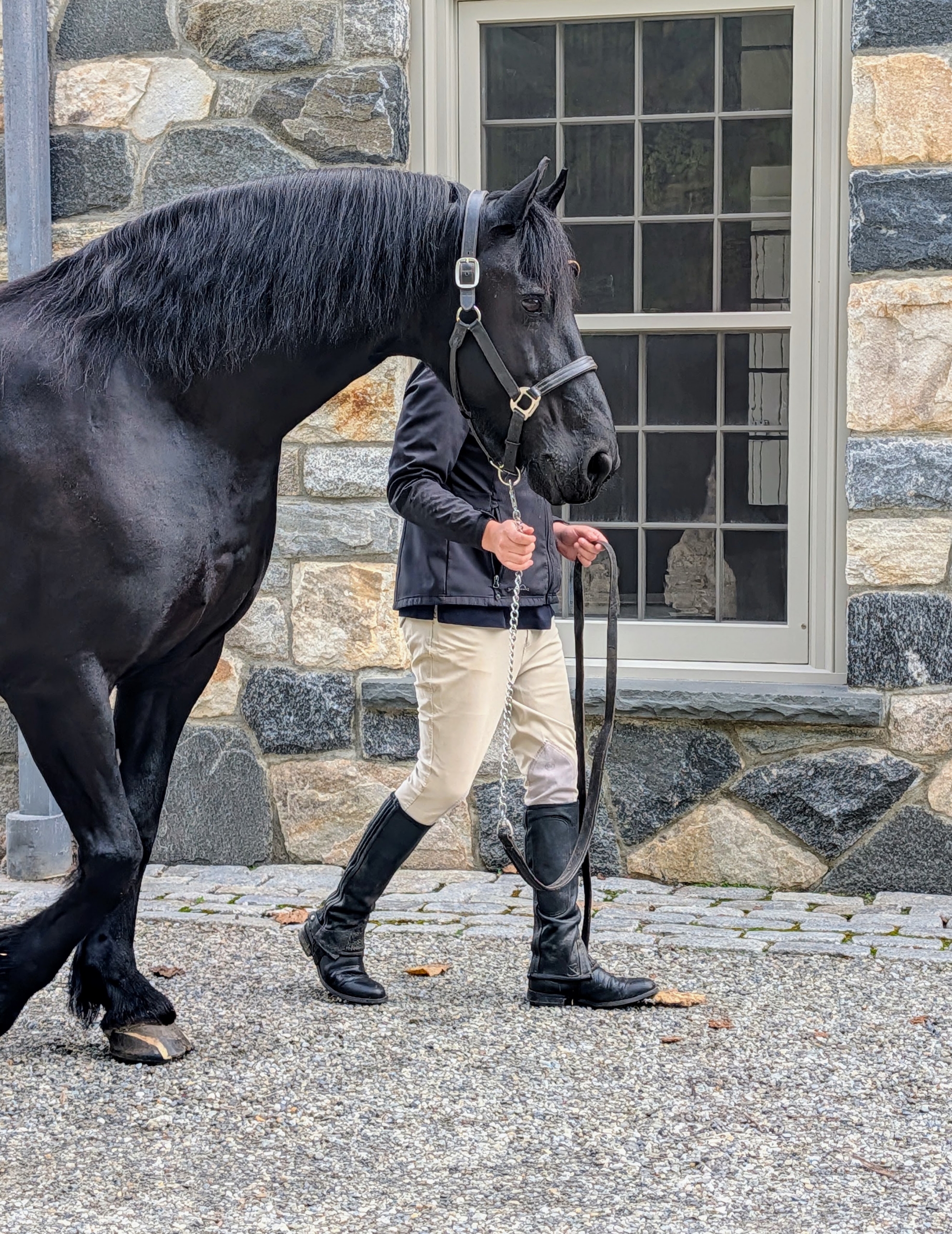
- Bond is next. All my horses are familiar with the trailer, but it is always good practice to let them enter and exit occasionally, so it continues to be a good experience for them.
-
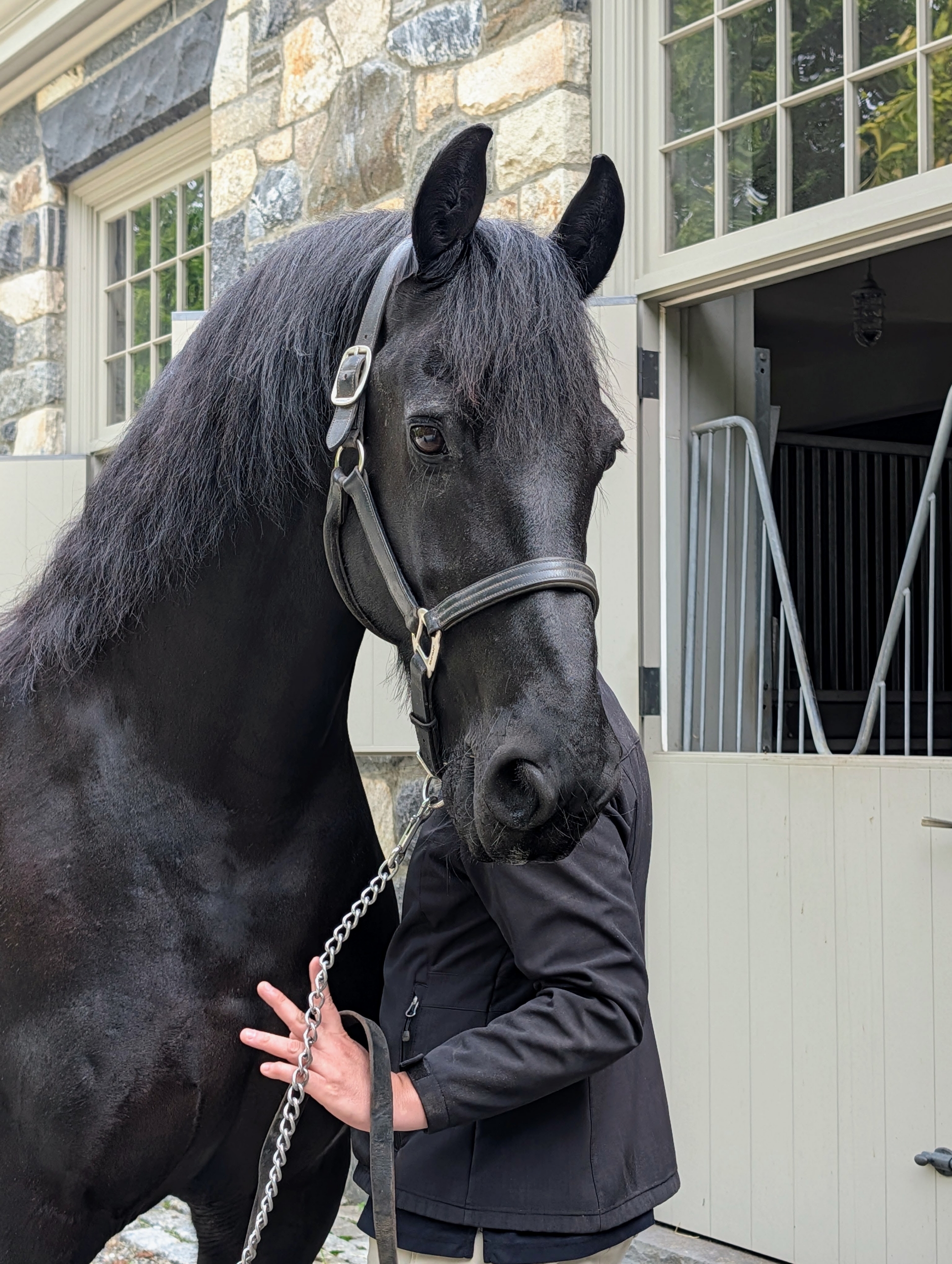
- Always give an animal time to adjust to different surroundings and unfamiliar activities. While Bond has been in a trailer many times, it is important to make every approach positive and calm.
-
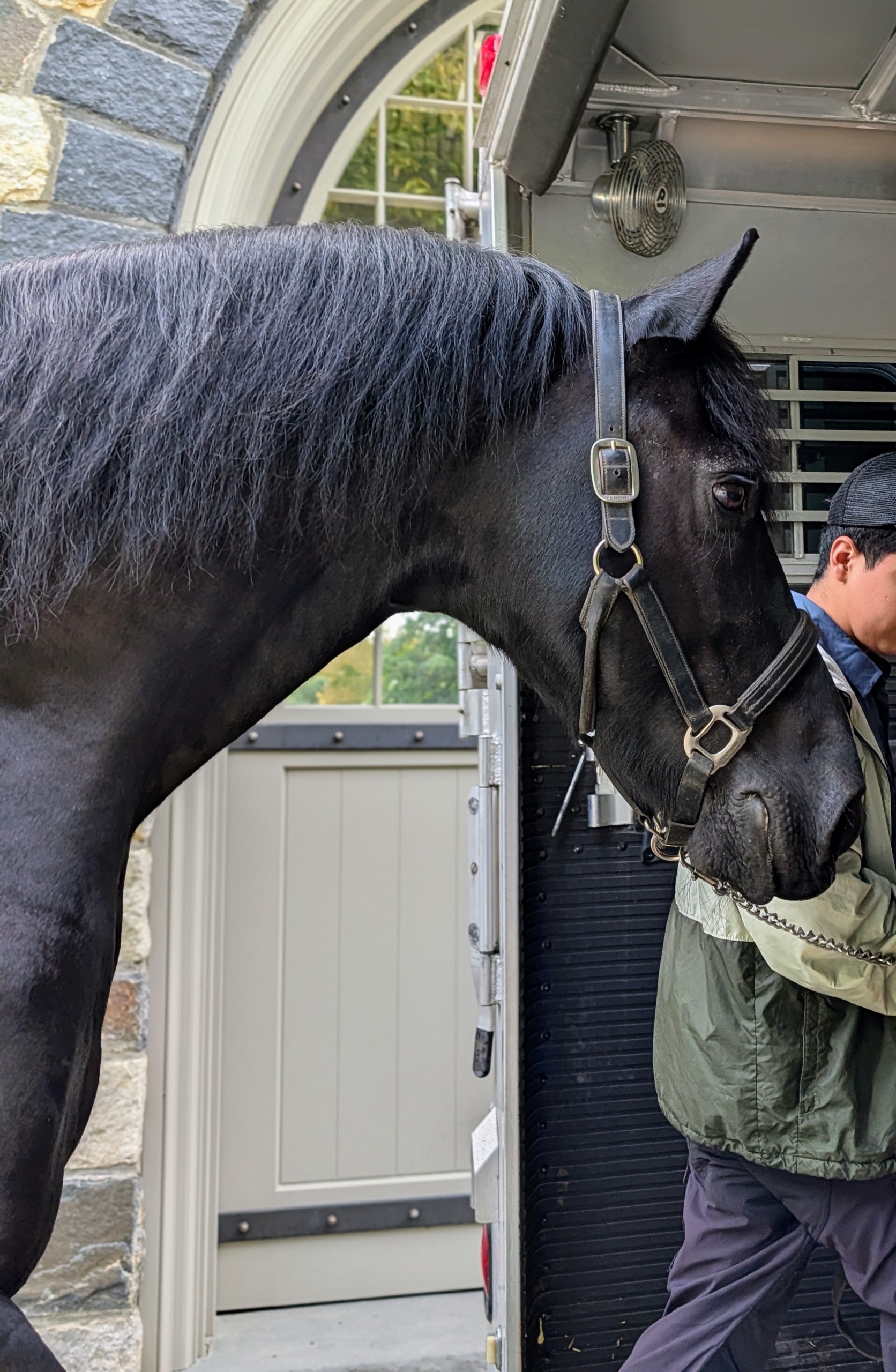
- Bond also does well – walking in and out without much hesitation. The process is based largely on trust. All the horses trust my team to keep them safe and happy.
-
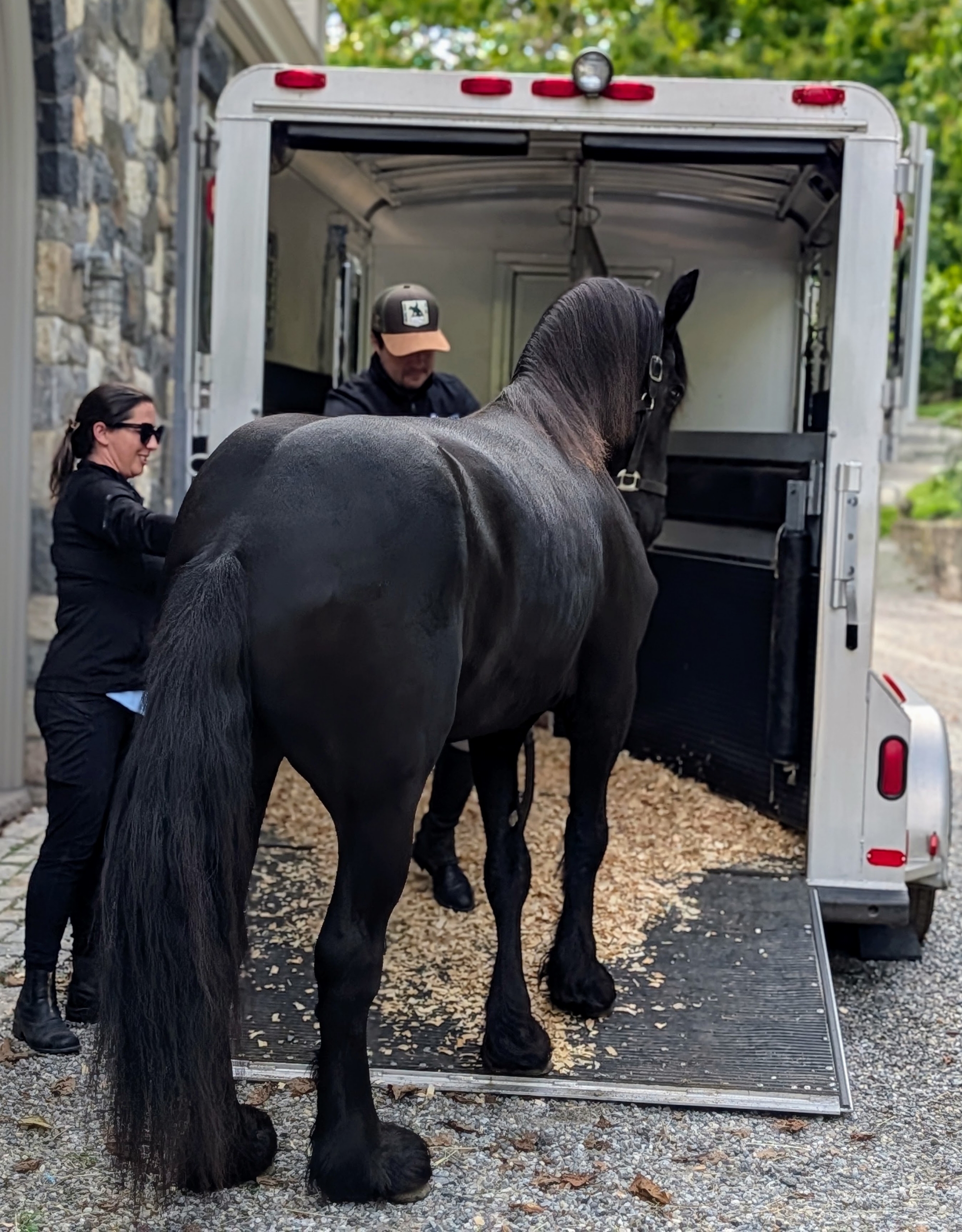
- Backing up is also done carefully. Horses are guided out, so they don’t walk off the ramp. Training horses to be accustomed to loading and unloading reduces stress and prevents accidents.
-
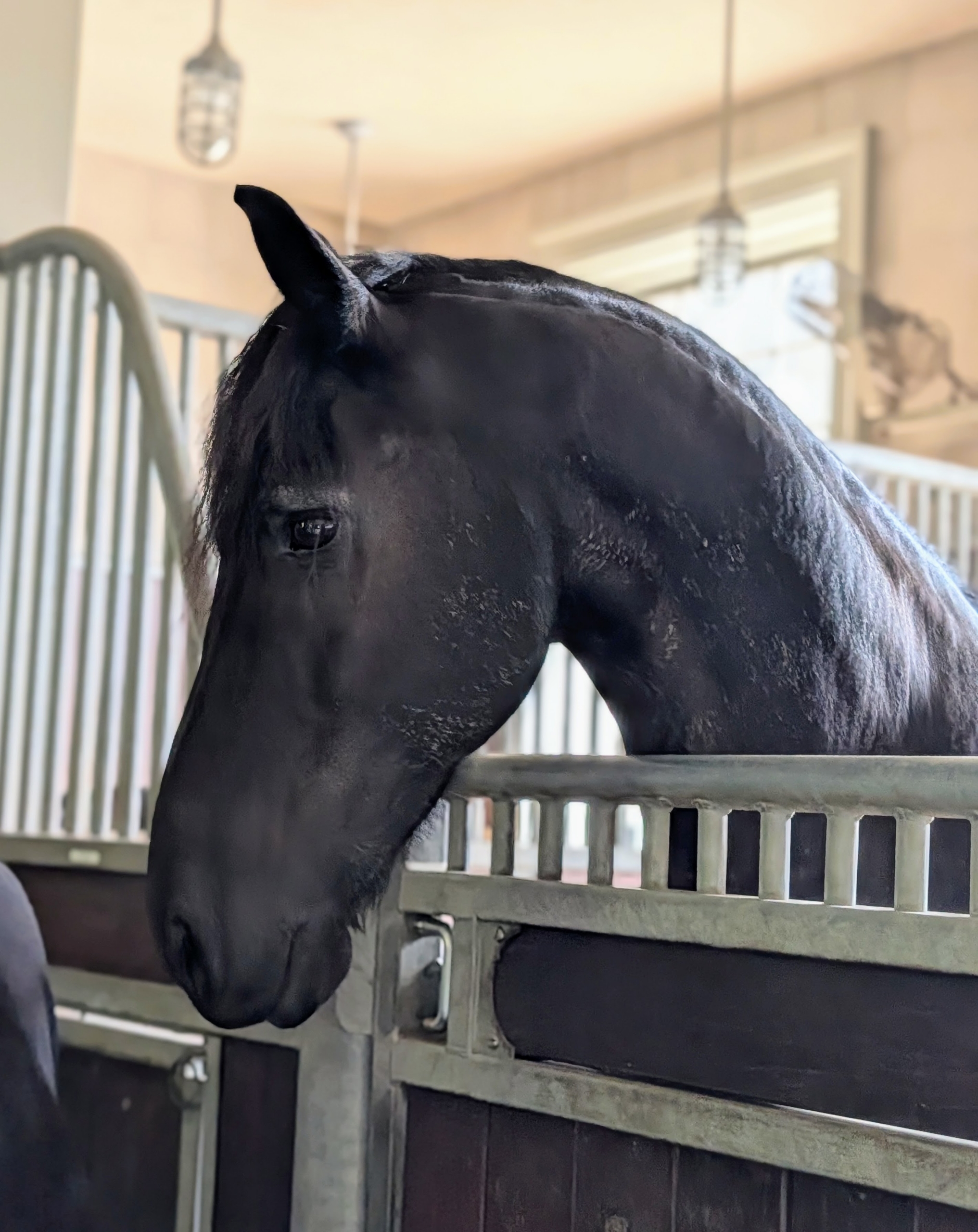
- Here’s Hylke ready for his turn. All the horses did so well with their training. This exercise will be repeated every now and then to ensure they are ready for any necessary transport.
-
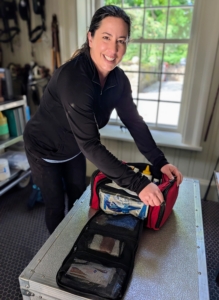
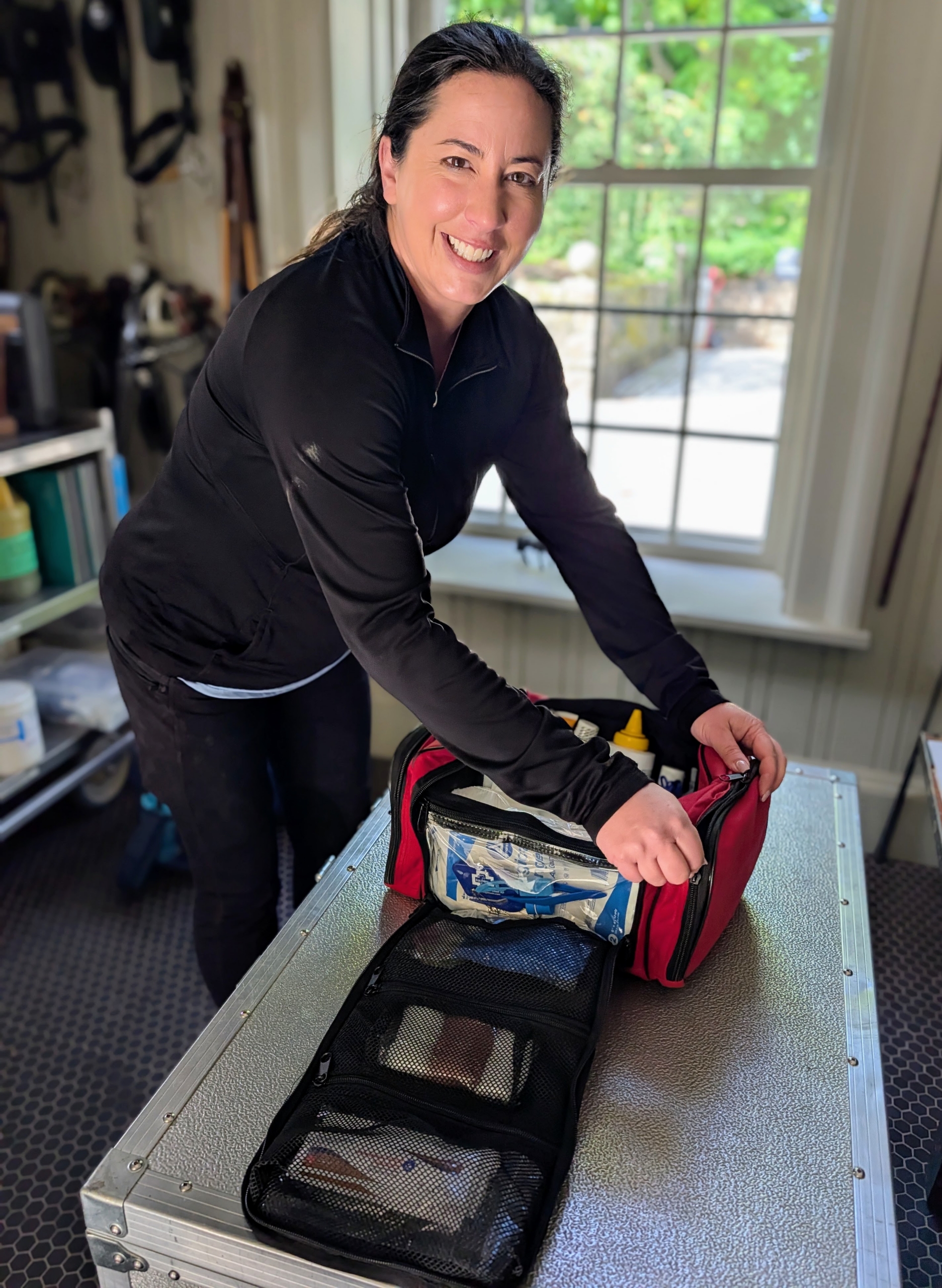
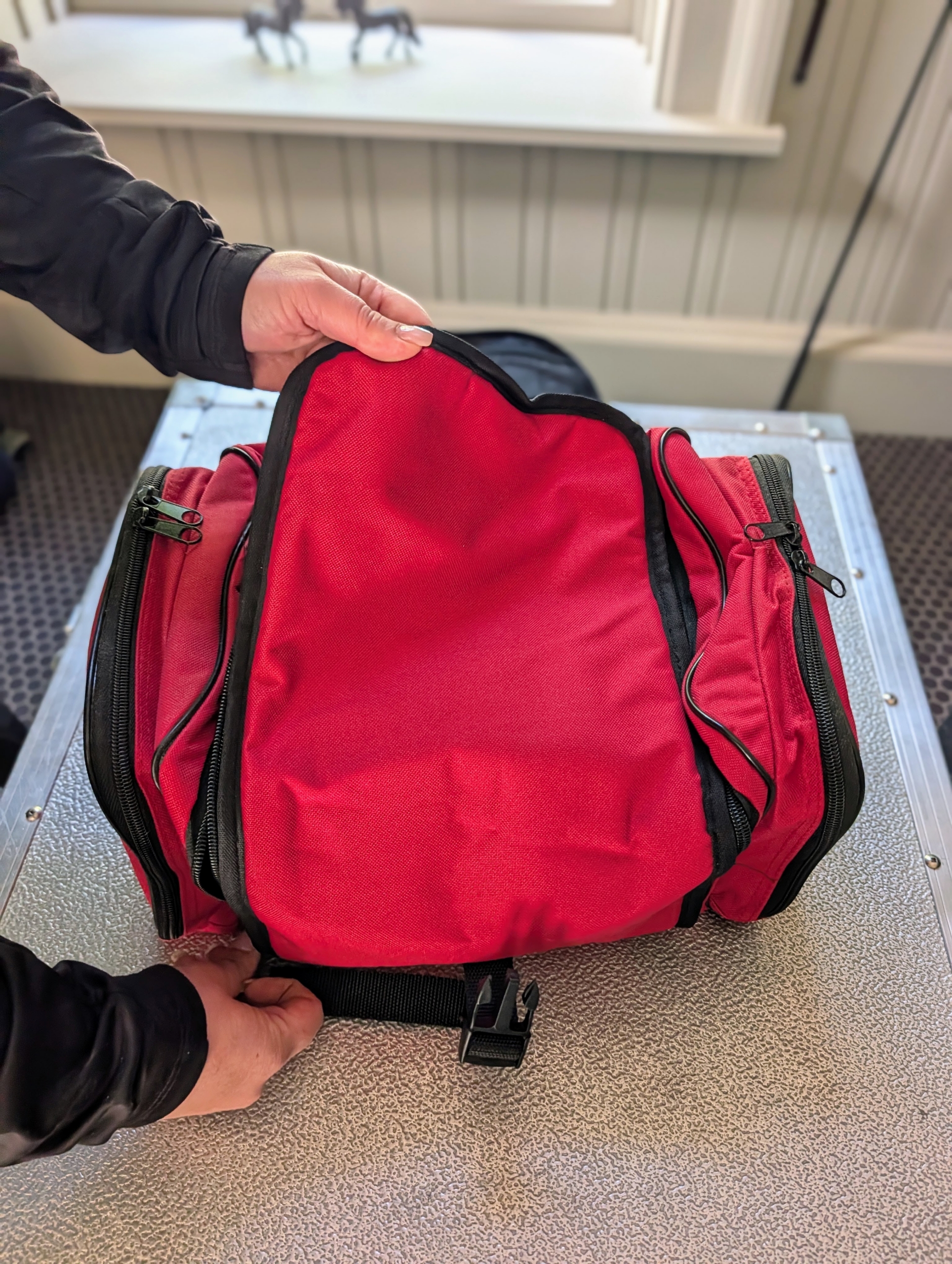
- Next, Helen checks the first aid supplies. First aid kits tailored for horses are available at most horse supply companies and online.
-
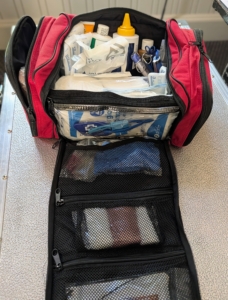
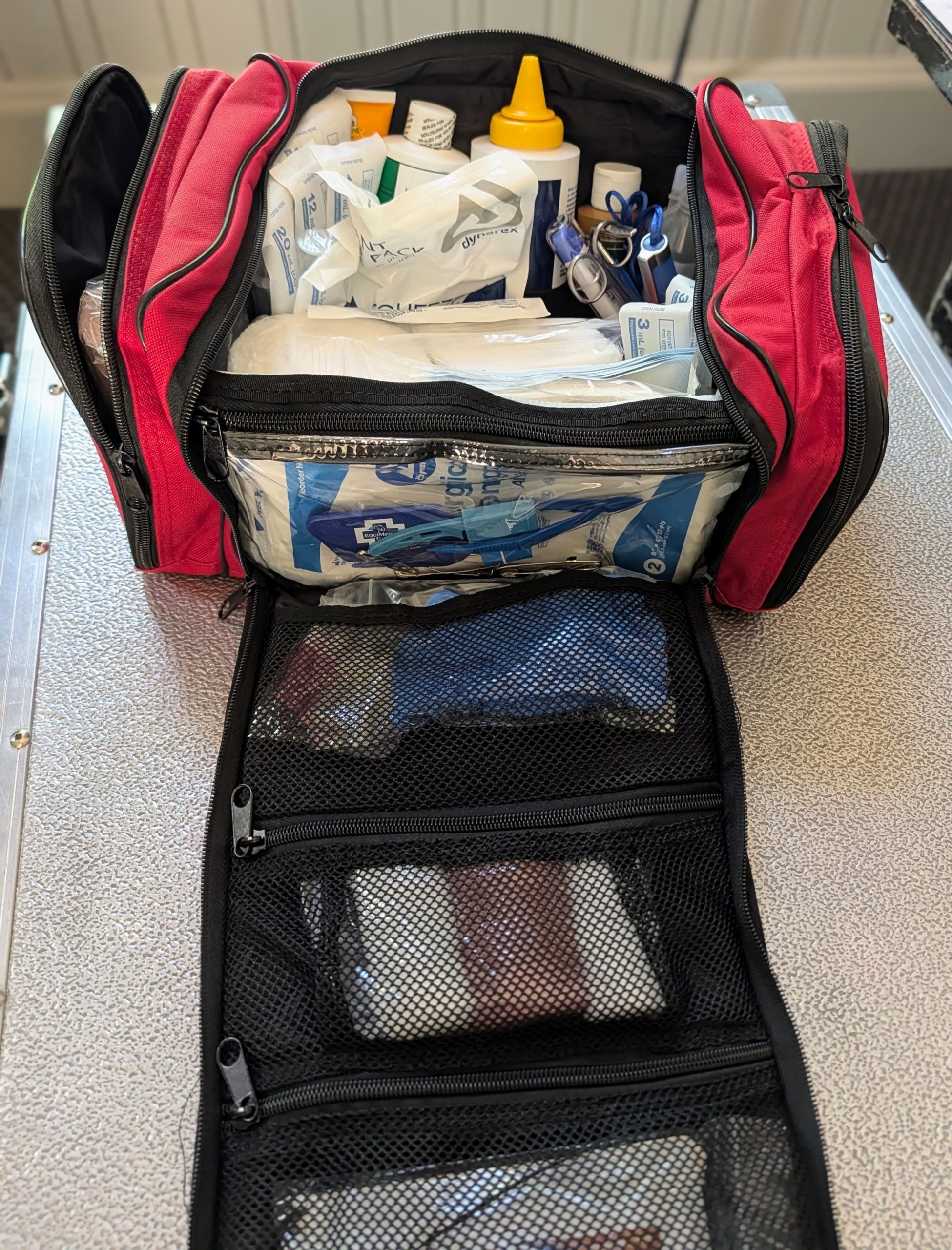
- A well-stocked horse first aid kit should include wound care, bandaging materials, medications, monitoring tools, and practical equipment to stabilize injuries. It is important to check any first aid kit periodically to ensure supplies are up to date and in good condition.
-
- The kit should be sturdy, water resistant, and easy-to-transport. Helen also makes sure it is stored in an easy to access location.
-
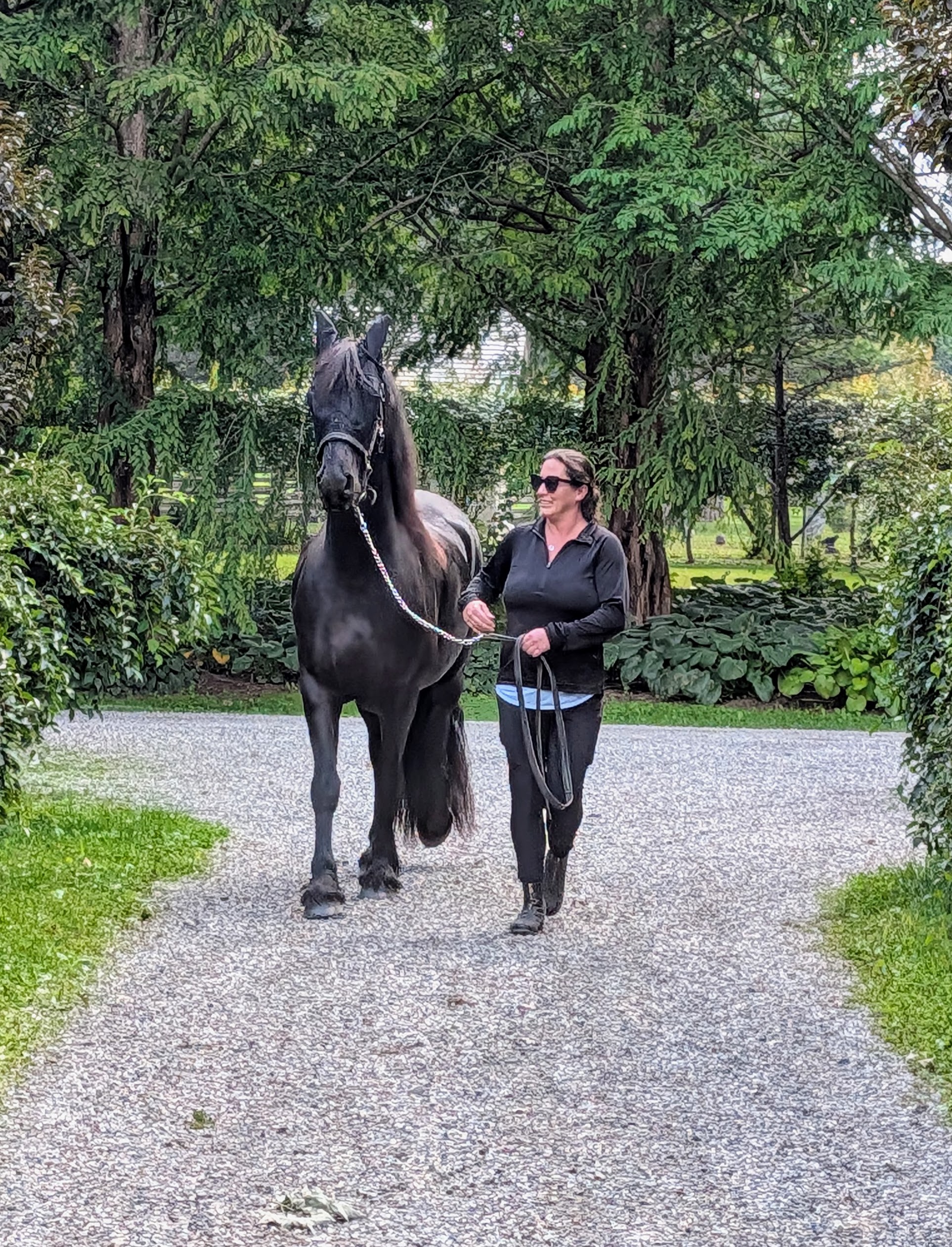
- Every day, my horses are turned out into their pastures. In the warmer weather, they are turned out in the evenings and in colder weather, they are brought out early in the morning.
-
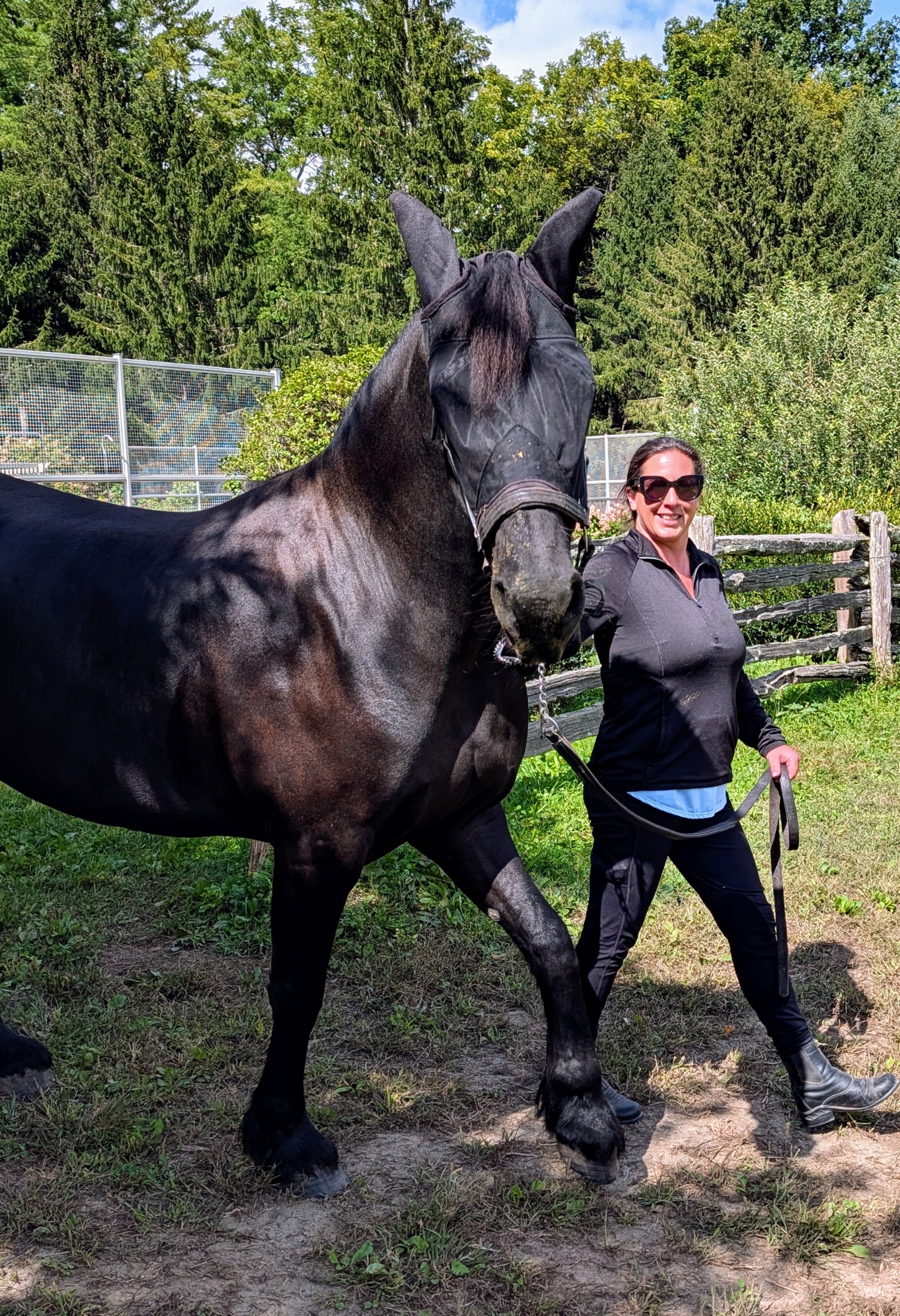
- Turning horses out every day is essential to good, responsible horse ownership. Horses need ample time to move freely in a pasture, paddock, or other outdoor enclosure to support physical health, digestive functions, mental well-being, and natural behaviors. My horses love to be outdoors in any kind of weather.
-
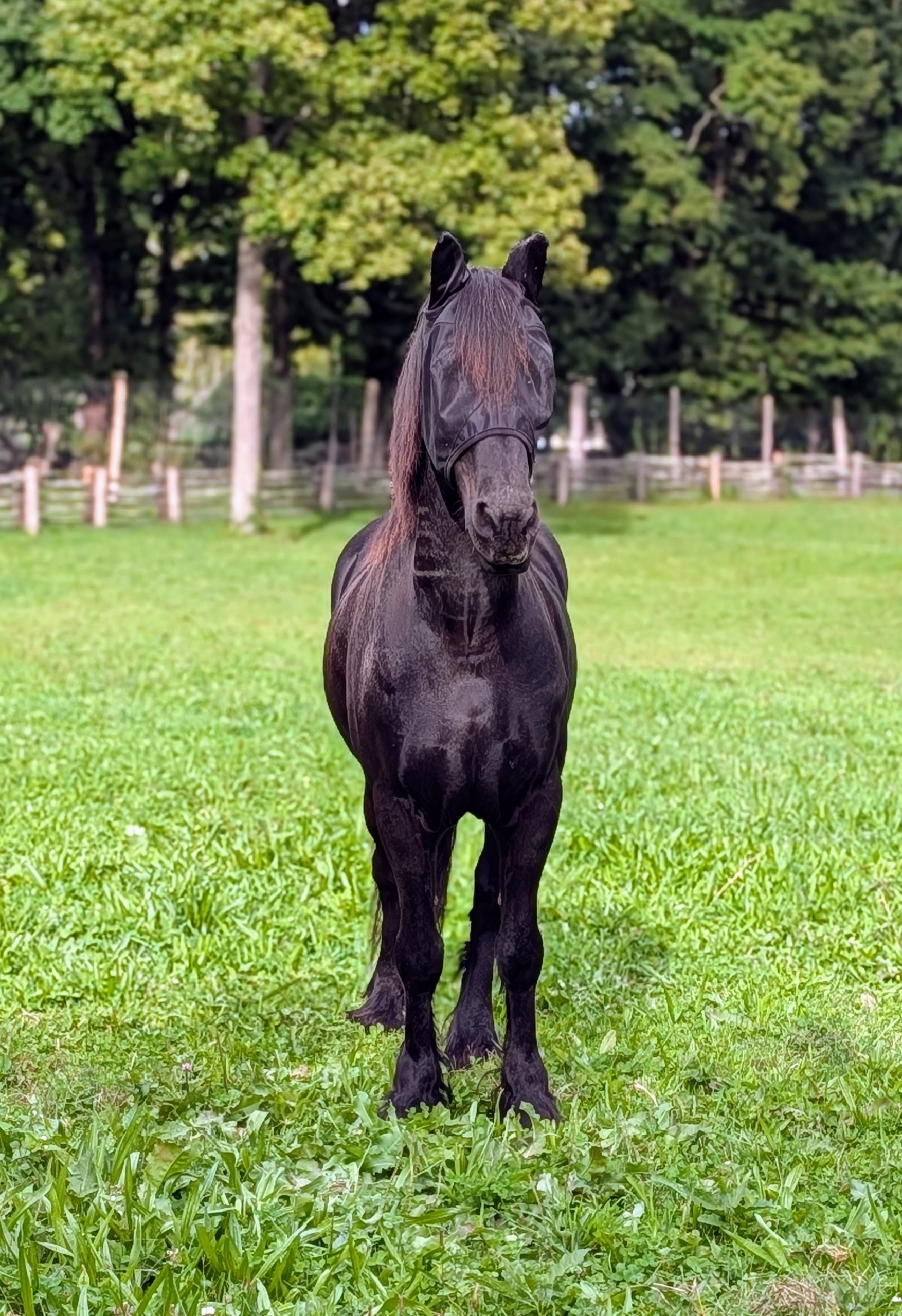
- This is Stewart, one of two Frisians I rescued last year. It’s so nice to see them enjoying their new life here at Cantitoe Corners.
-
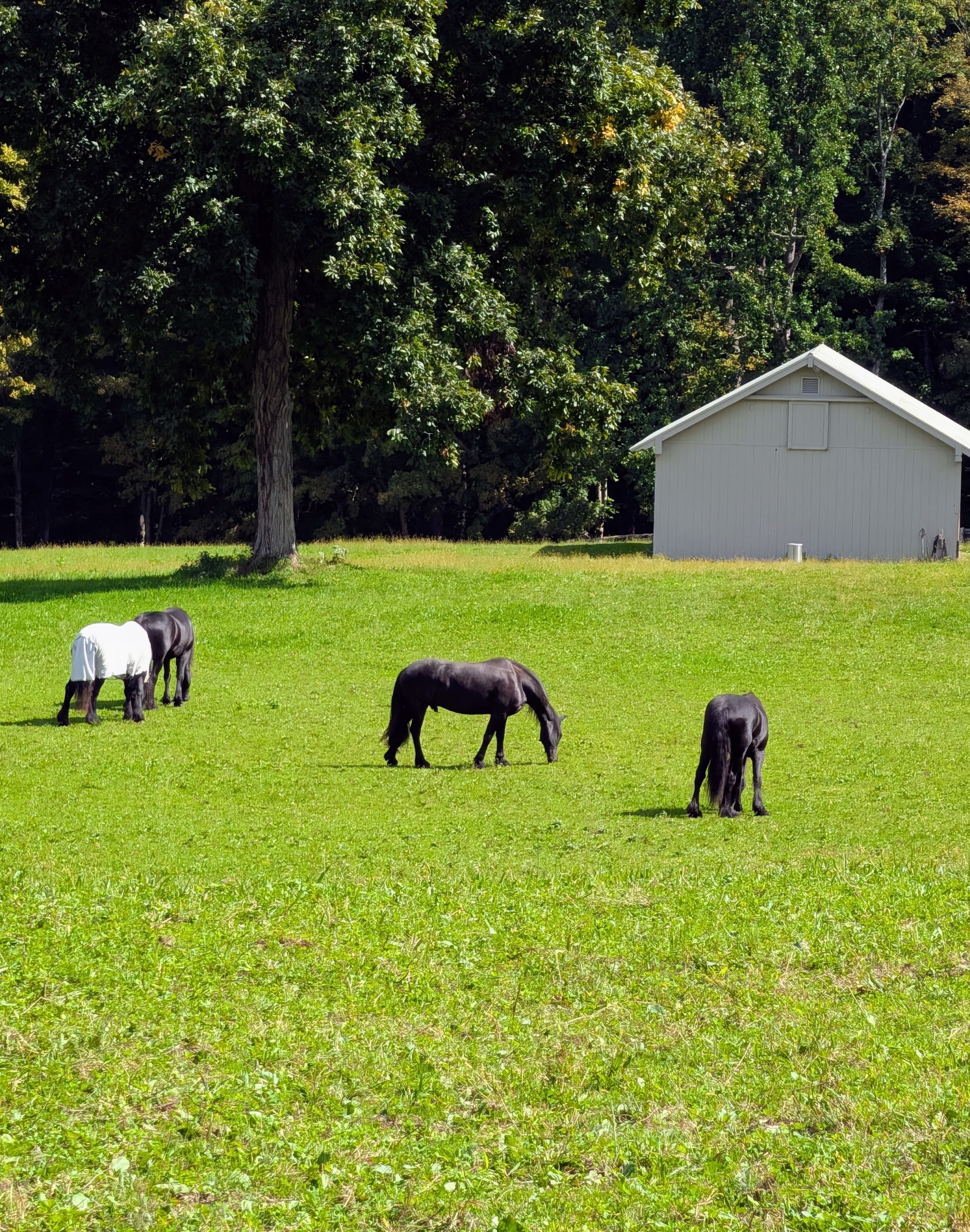
- After a day of riding, grooming, and trailer training, they’re now happy to be grazing, rolling, and frolicking in this giant pasture.
This story originally appeared on Martha Stewart Blog

