


November 7, 2026
Planting Crabapple Trees
It’s always exciting to watch the gardens, groves, and allées throughout my farm continue to evolve, mature, and expand.
Over the past couple of weeks, my gardeners and outdoor grounds crew have been busy adding new trees to the landscape. Most recently, the team planted nine crabapple trees, varieties of Malus ‘Adams’ and Malus ‘Royal Raindrops,’ from our friends at Select Horticulture, Inc. in nearby Pound Ridge, New York. The trees were planted in a grassy area just off one of my carriage roads, not far from what I call my “Christmas Tree Field,” where I’ve planted hundreds of evergreens, including Fraser firs, Canaan firs, Norway spruces, blue spruces, and several other varieties. This open location will give the new crabapples plenty of room to establish themselves, grow, and flourish.
Here are some photos, enjoy.
-
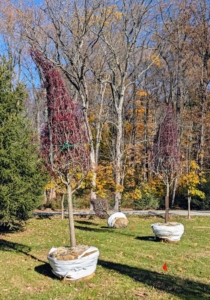
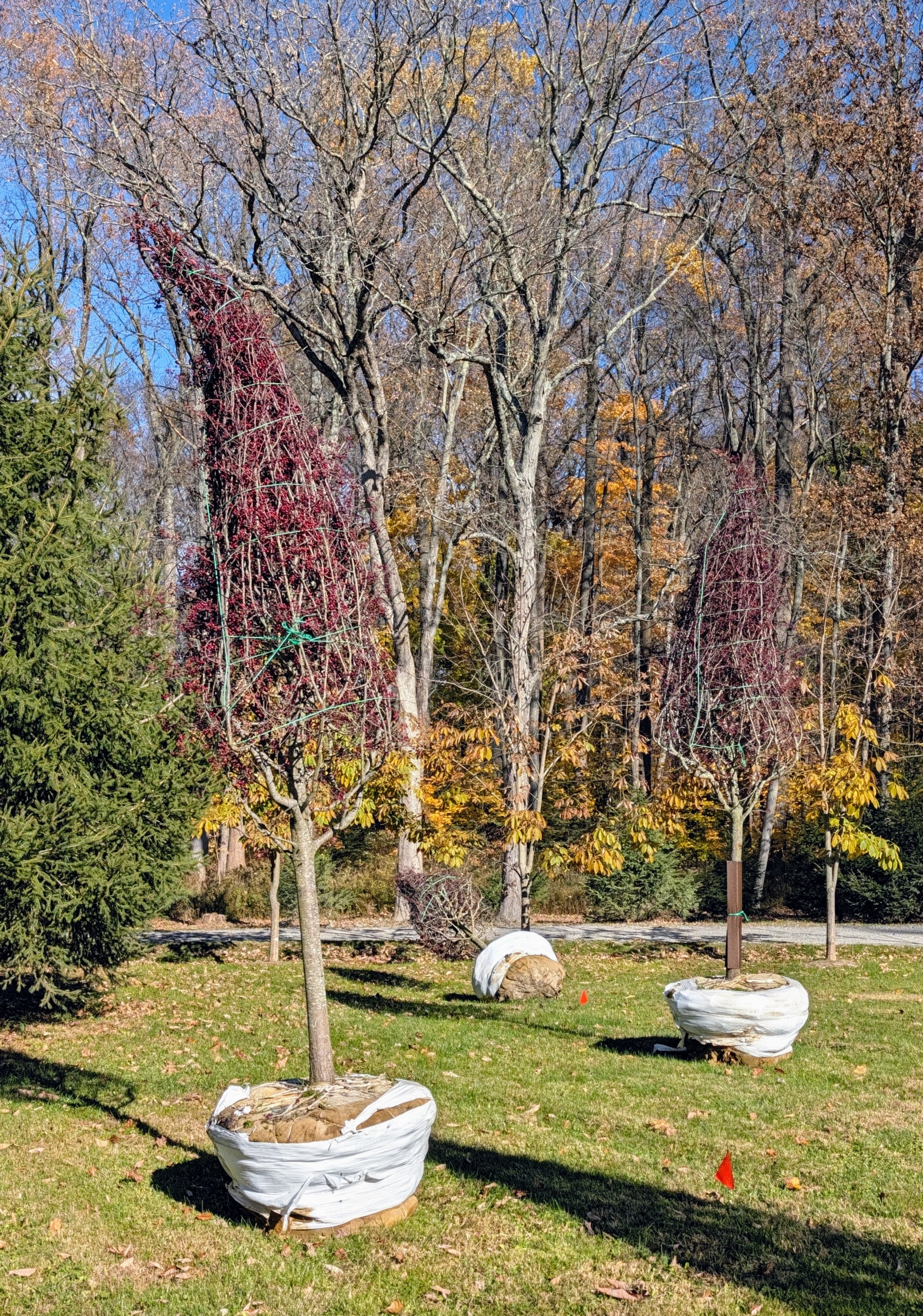
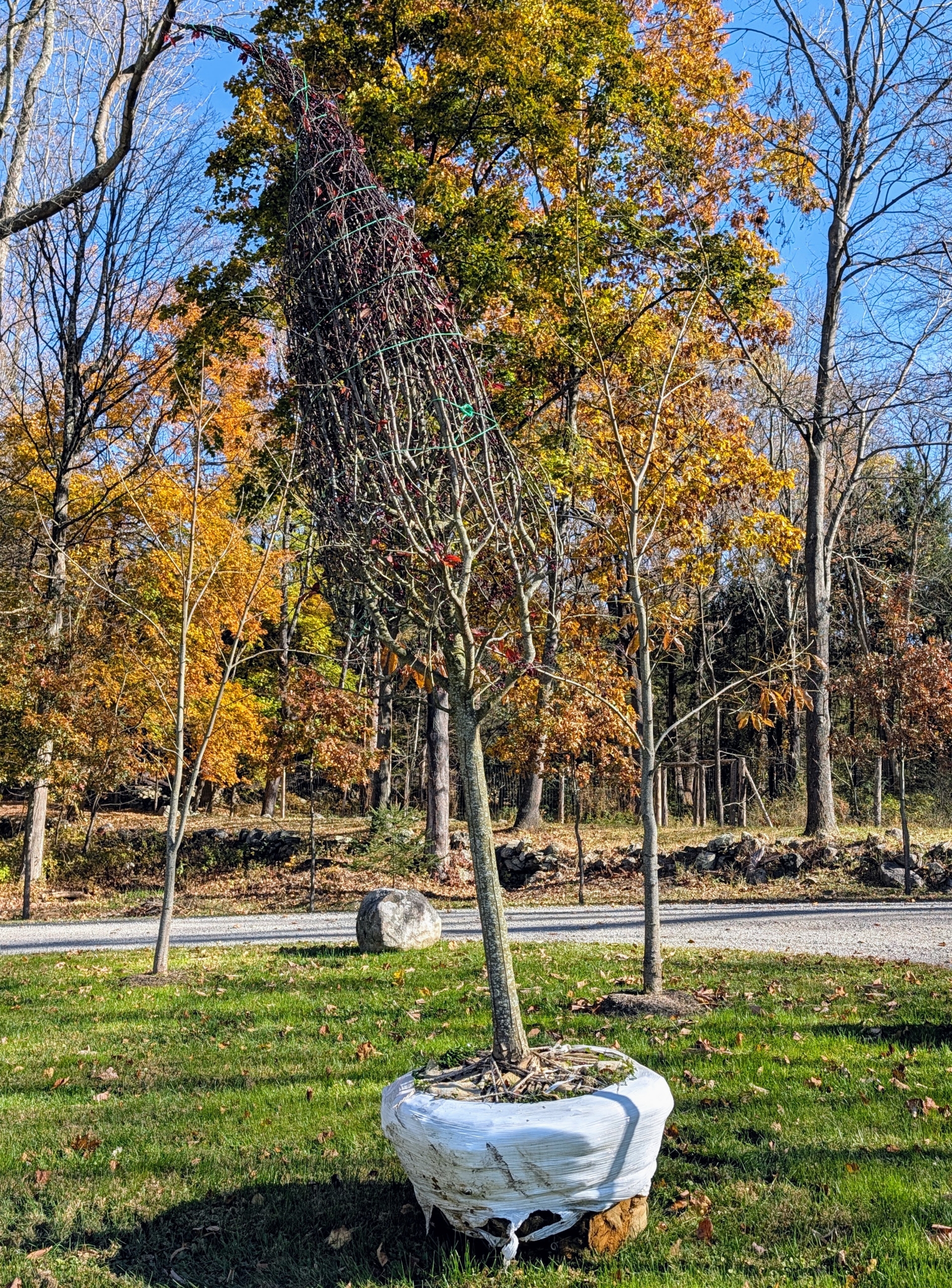
- Here are three of the nine crabapple trees placed near the locations where they will be planted. I select the locations for all my trees. It is important to take into consideration the mature size of the tree to ensure it has enough room to develop and thrive.
-
- The trees are from Select Horticulture, Inc. – a great source for large, interesting, and beautifully maintained specimen trees and shrubs.
-
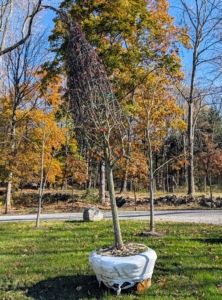
- This crabapple, Malus ‘Royal Rainbow,’ will grow up to about 20 feet tall and 12 to 20 feet wide.
-
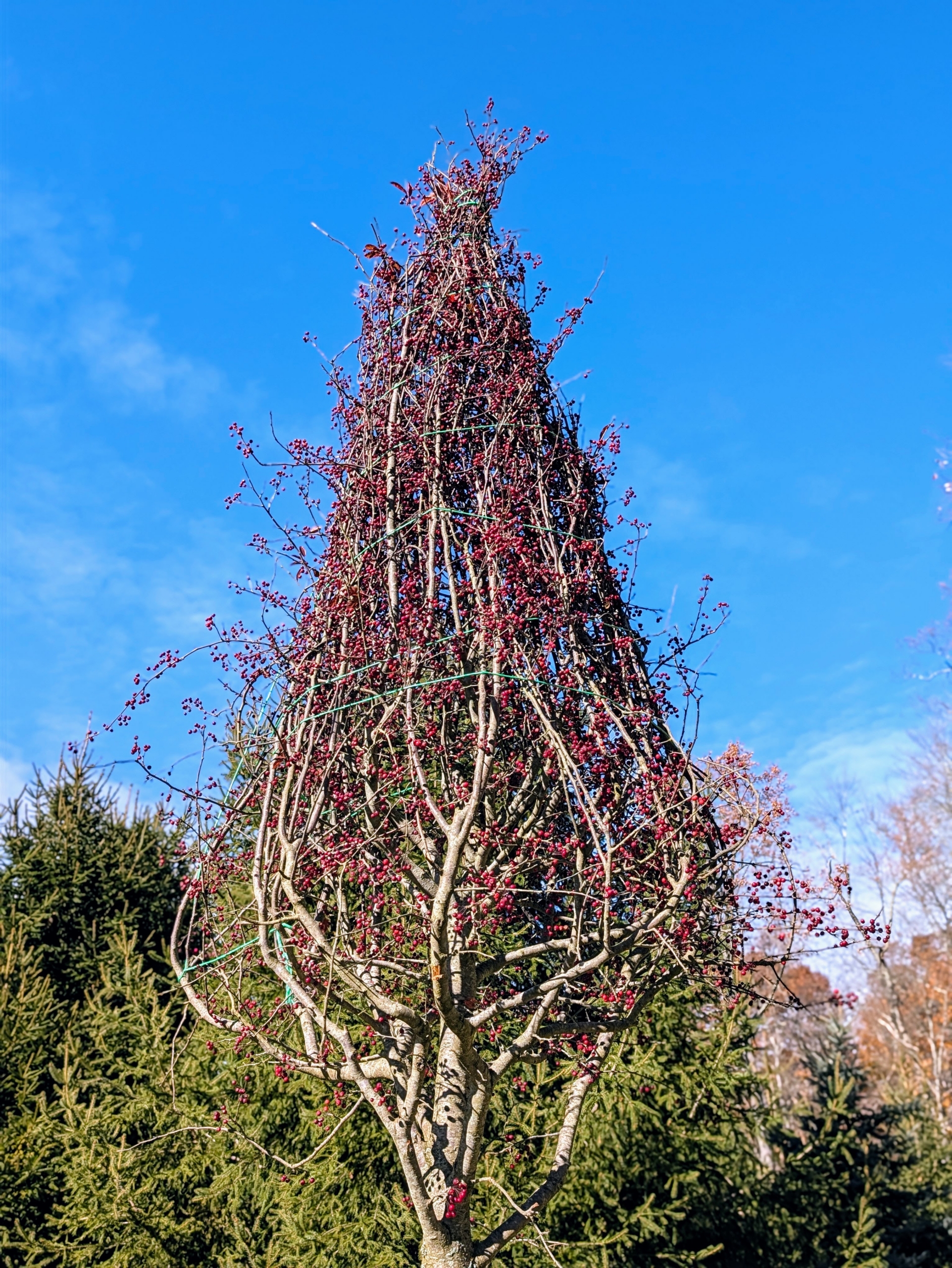
- Crabapples typically produce fruit in late summer to early fall. The red berries attract many birds. These trees are filled with berries.
-
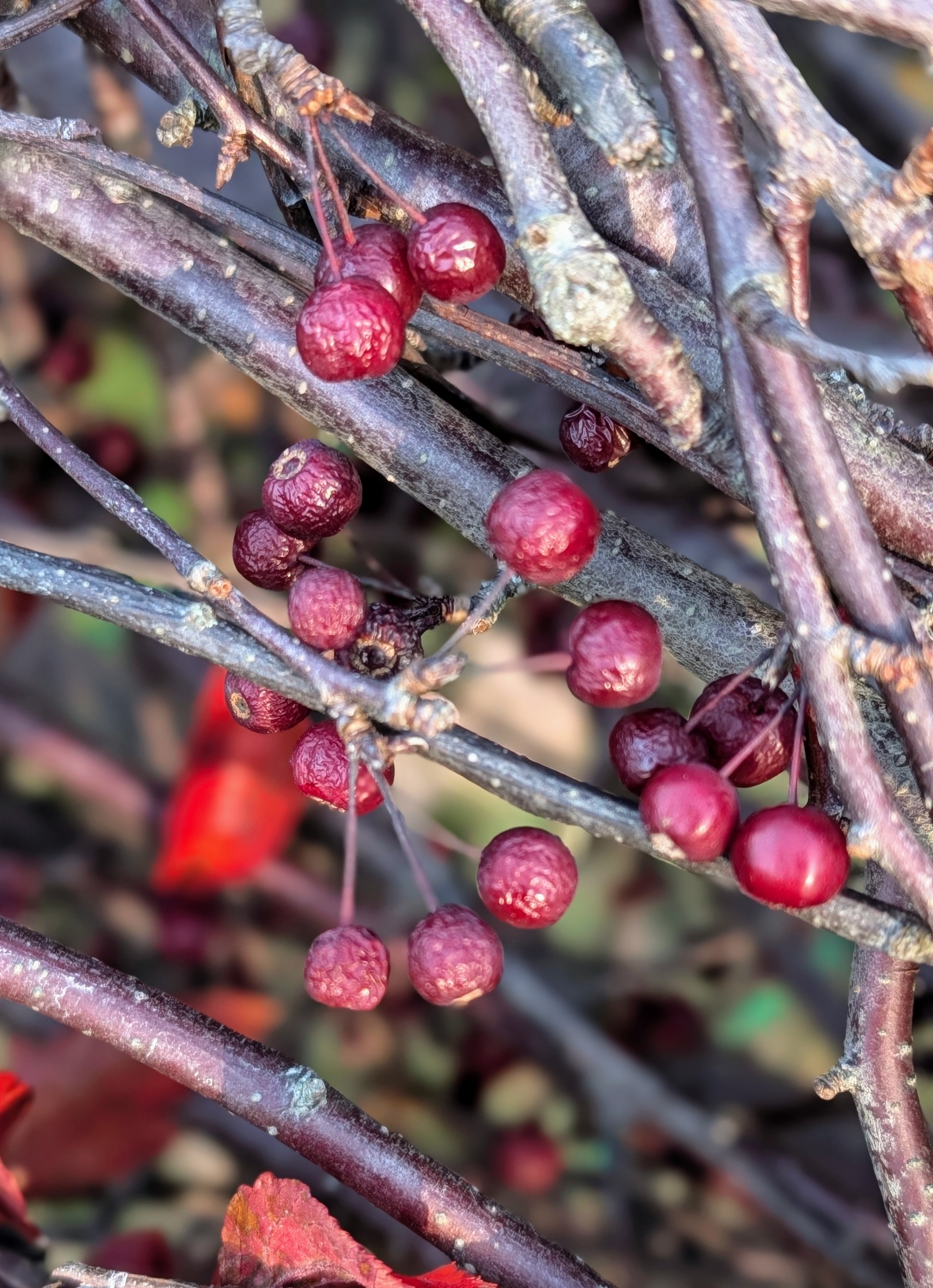
- The red berries of Malus ‘Royal Rainbow’ are small, round crabapple fruits, typically under an inch in diameter, with a bright red to scarlet color.
-
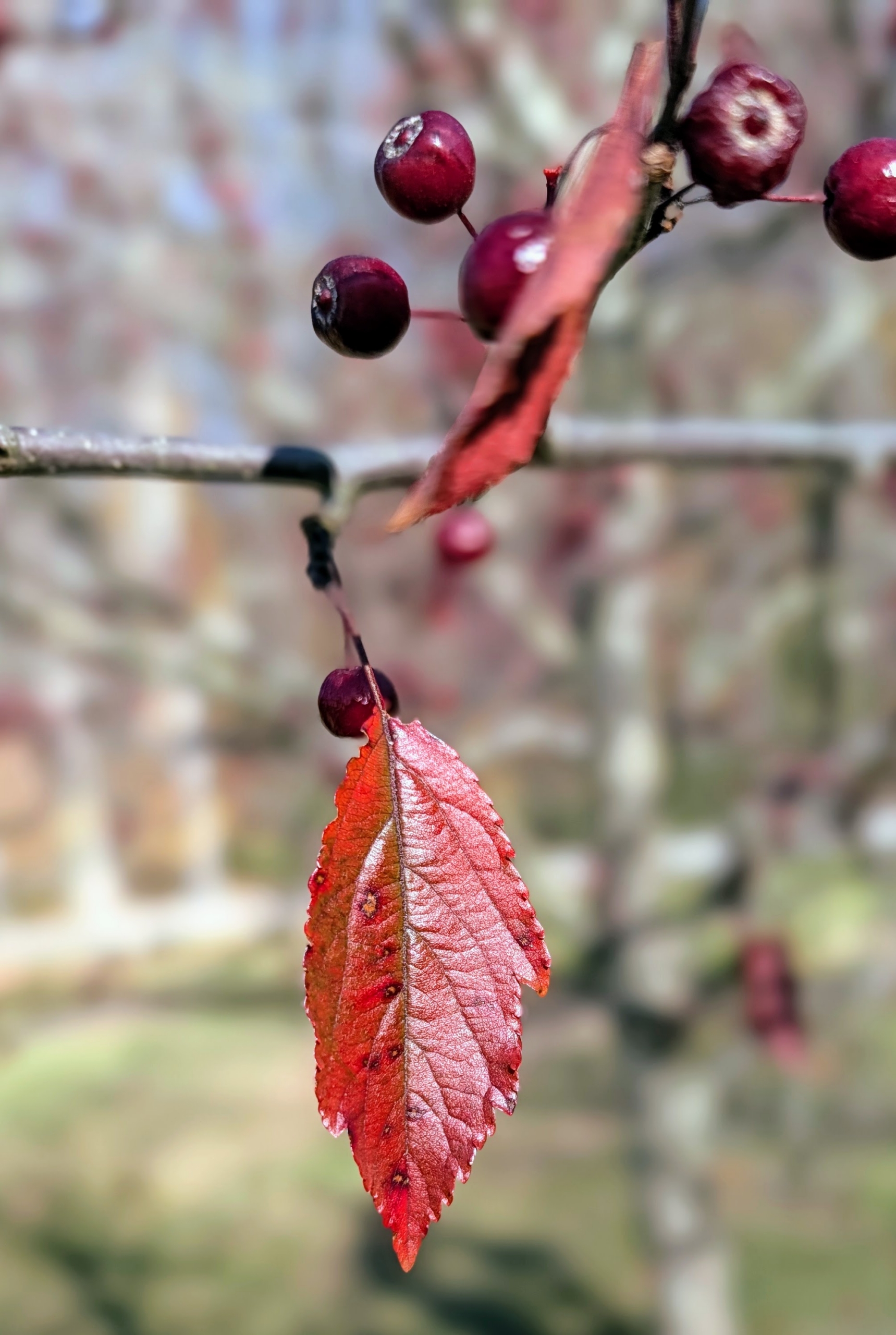
- The leaves are deep purple to reddish‑purple and are about three inches long.
-
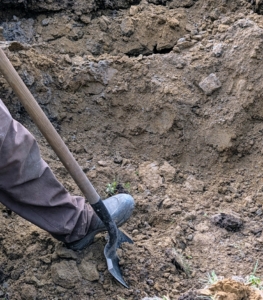
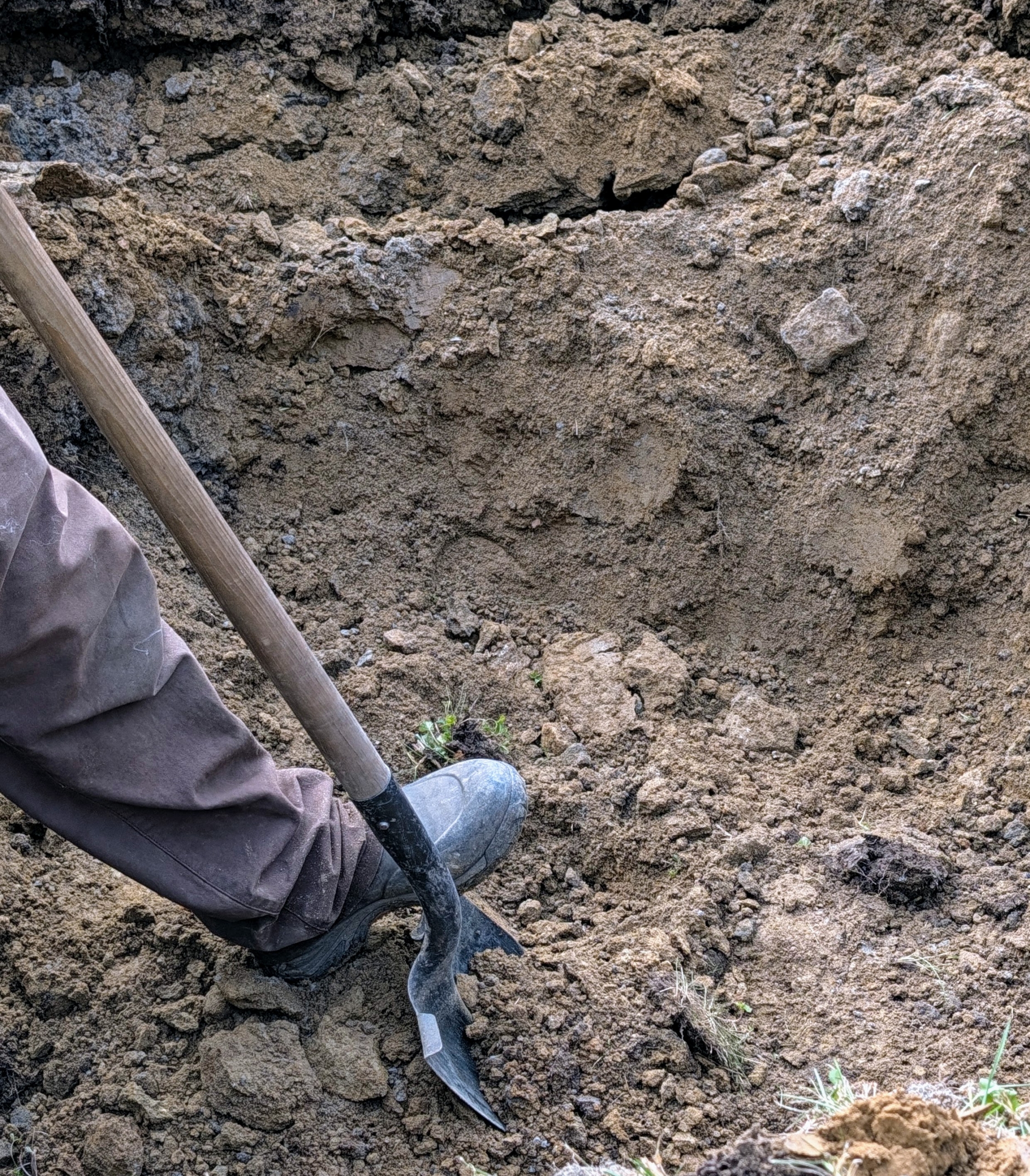
- The rule of thumb when planting is to dig the hole two times as wide as the root ball and no deeper than the bottom of the root ball. Each hole is manually smoothed out and prepared to ensure it is sized appropriately. Digging a wide planting hole helps to provide the best opportunity for roots to expand into its new growing environment.
-
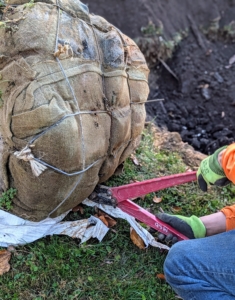
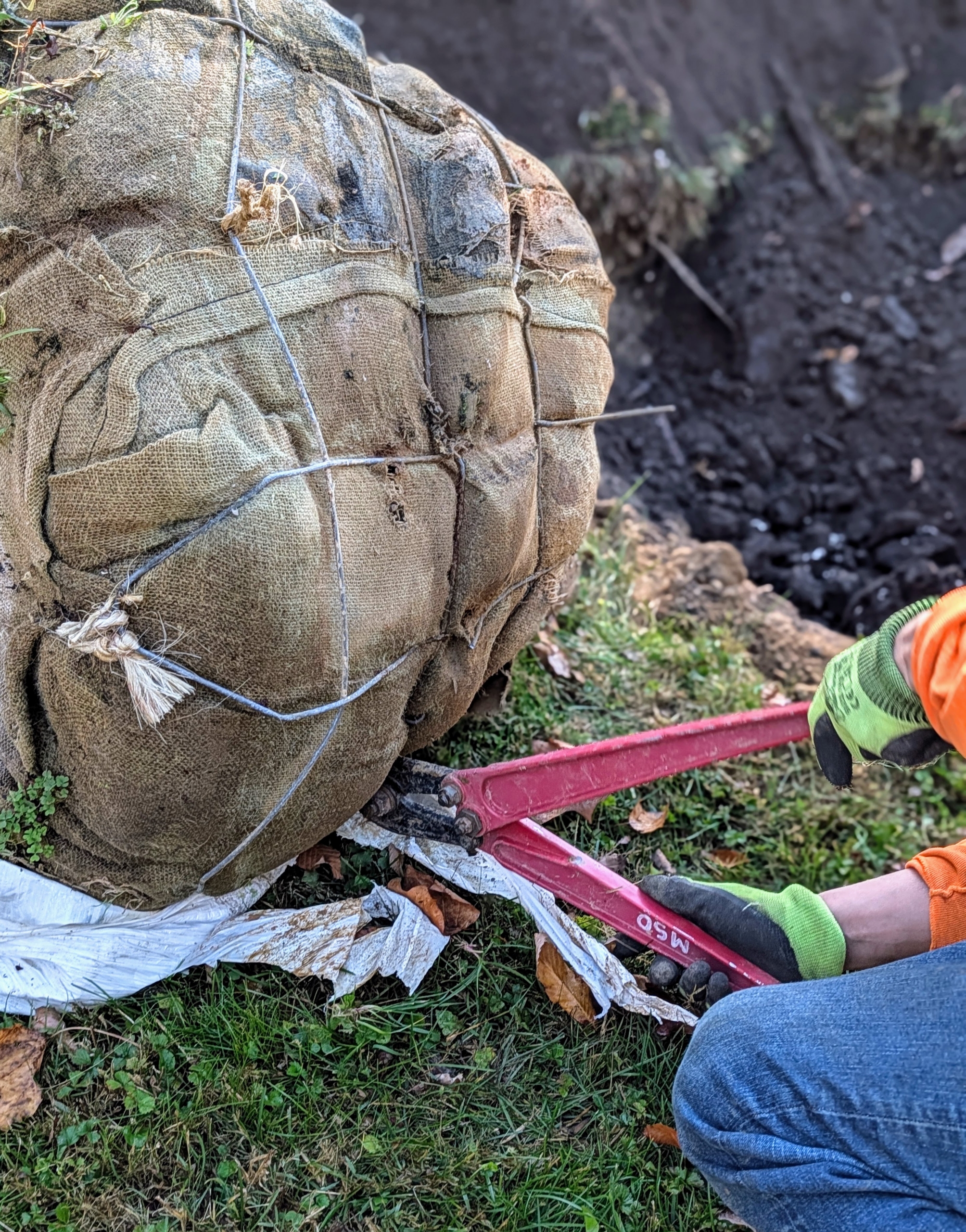
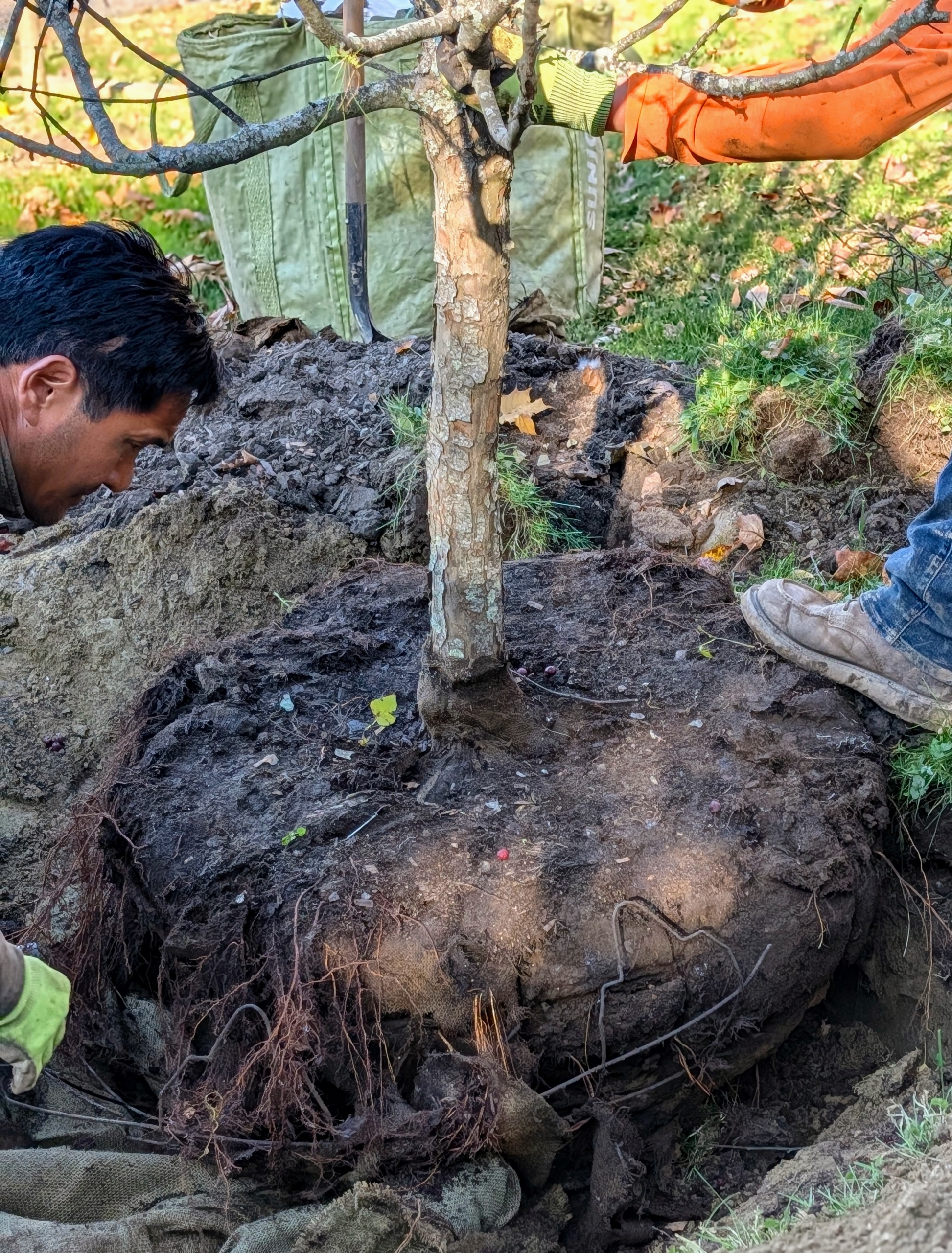
- The protective wrapping and any wire or rope are removed from the root ball. If left untouched, these wrapping materials could reduce the ability of a tree’s roots to grow out into the surrounding soil. Some gardeners leave them in the ground, but I prefer to remove everything, so there is nothing blocking the root growth.
-
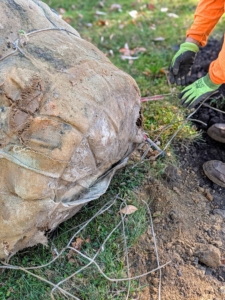
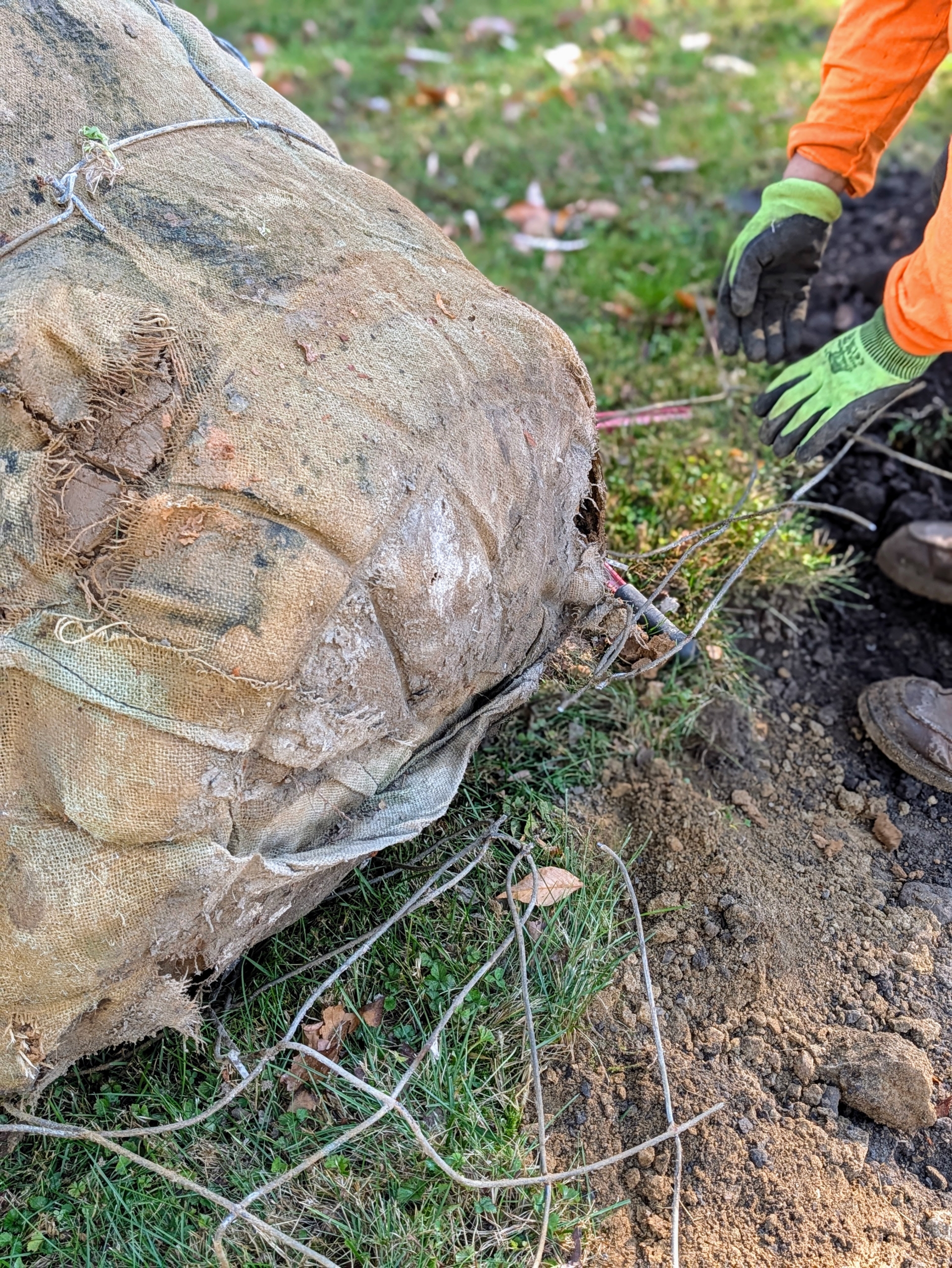
- The wire cage is removed before the tree is placed into the hole. Some of the top materials are left on until the tree is lowered, so the root ball remains intact.
-
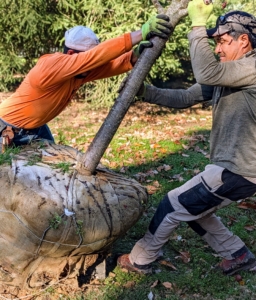
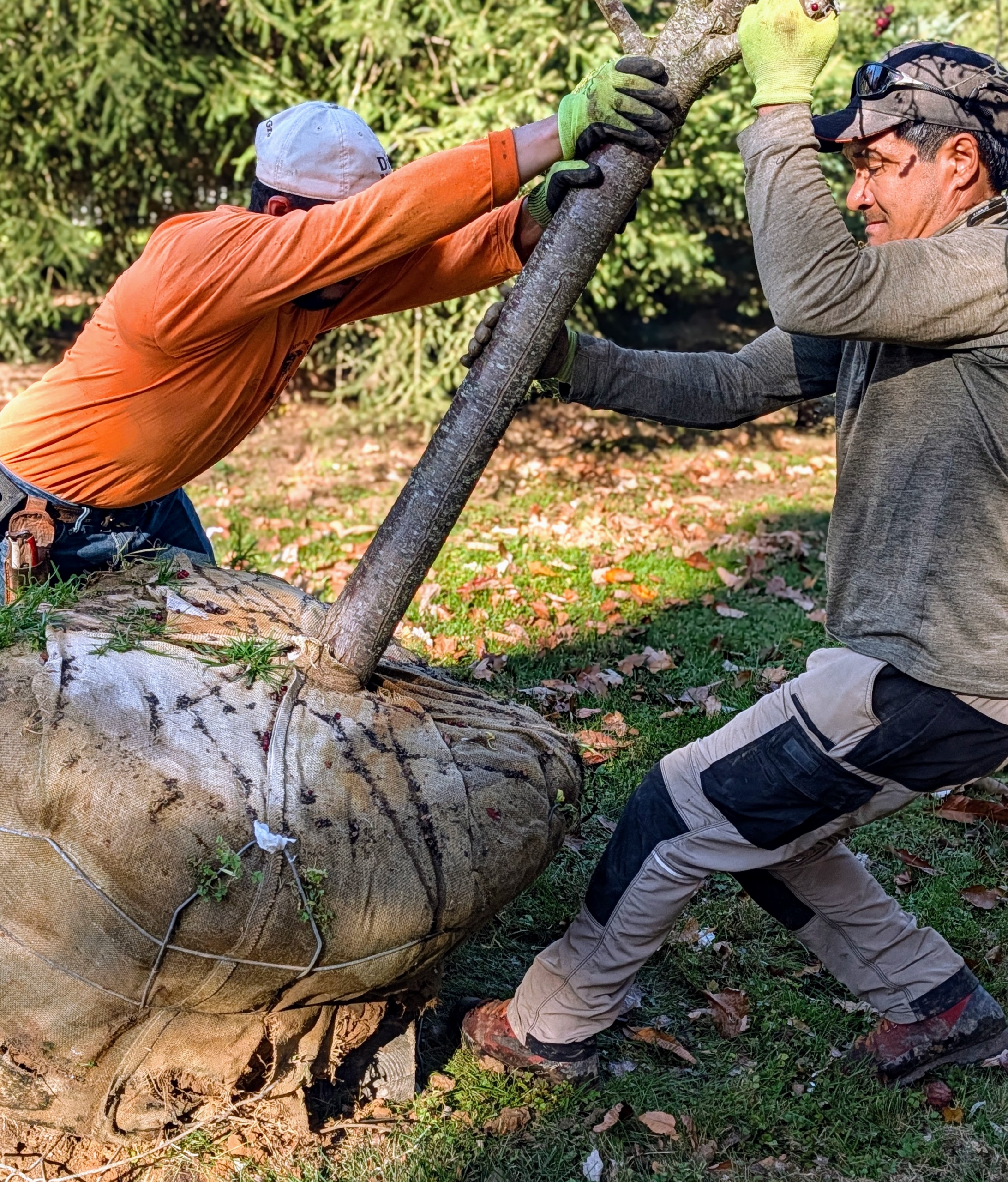
- Pasang and Alex slowly roll the root ball into position. Only hold it by the root ball and the base of the trunk – never by its branches, which could easily break.
-
- Pasang removes any remaining wrapping materials from the root ball once the tree is in the designated hole.
-
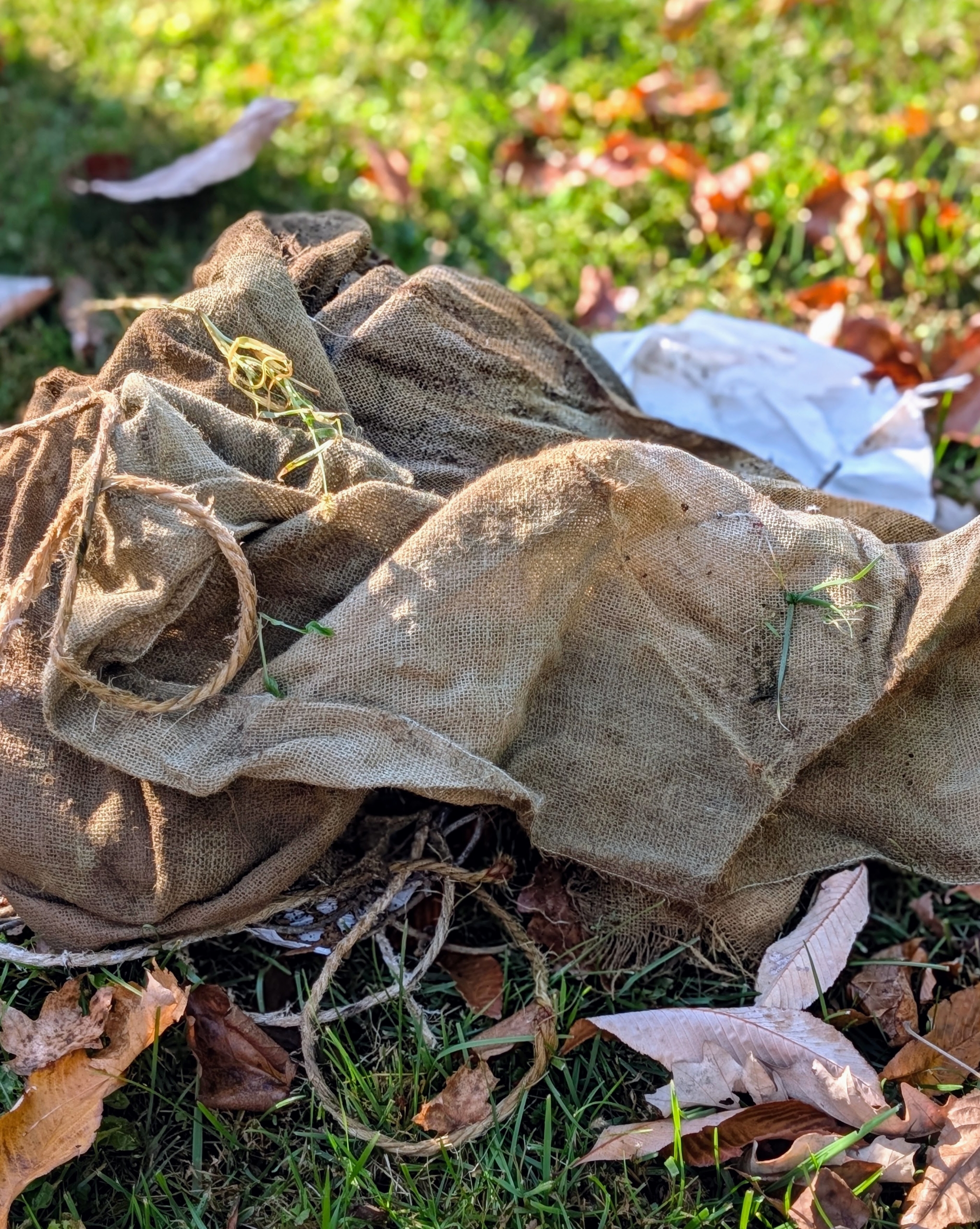
- As it is removed, all the protective cages and coverings are placed by each tree, so we are sure it was taken off.
-
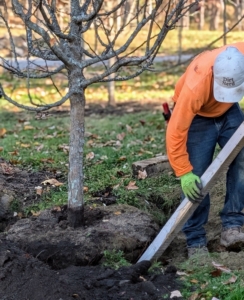
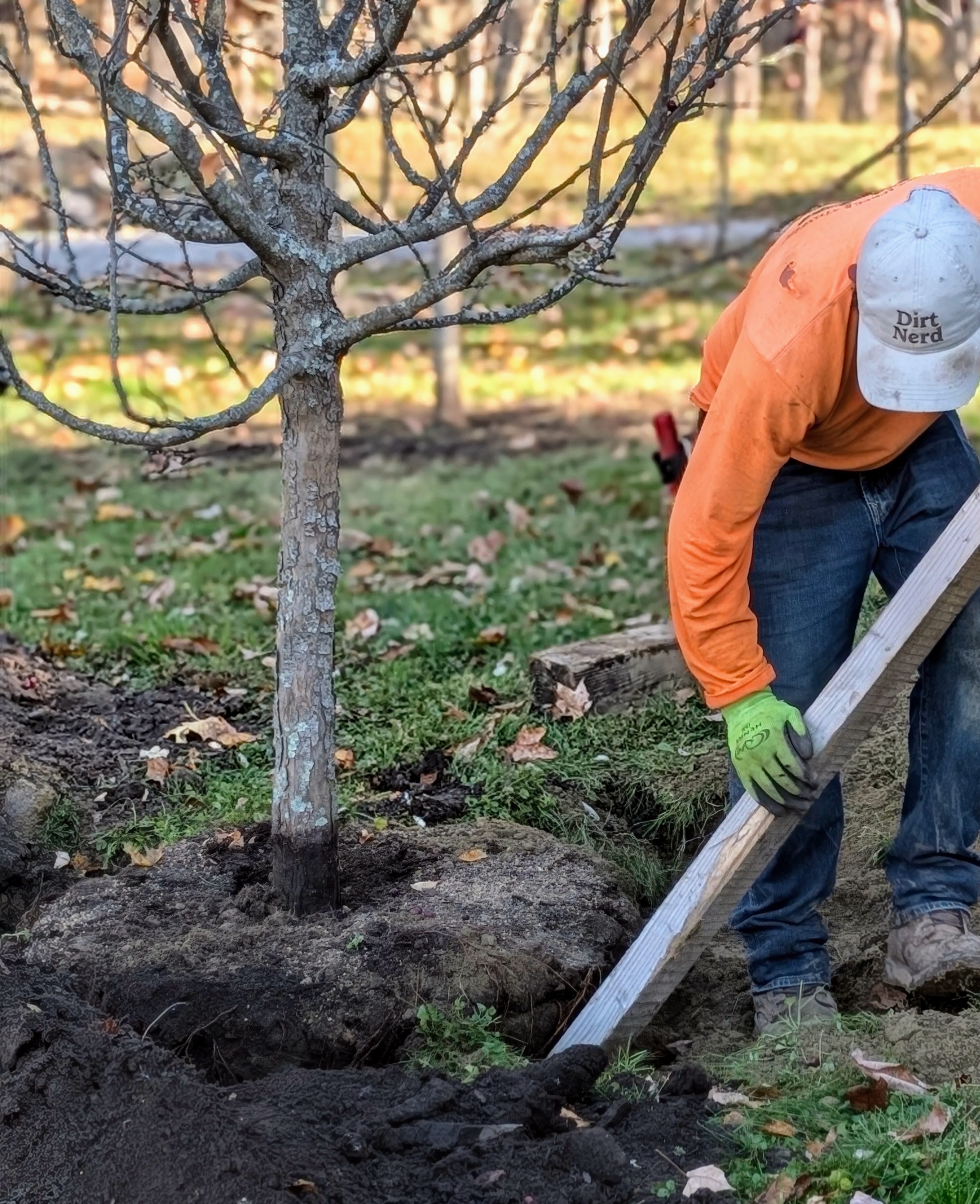
- All the trees look great, but I always ask the crew to position plantings with the best side facing the walking path or area where guests see them most. Alex uses a piece of wood to maneuver the tree into place.
-
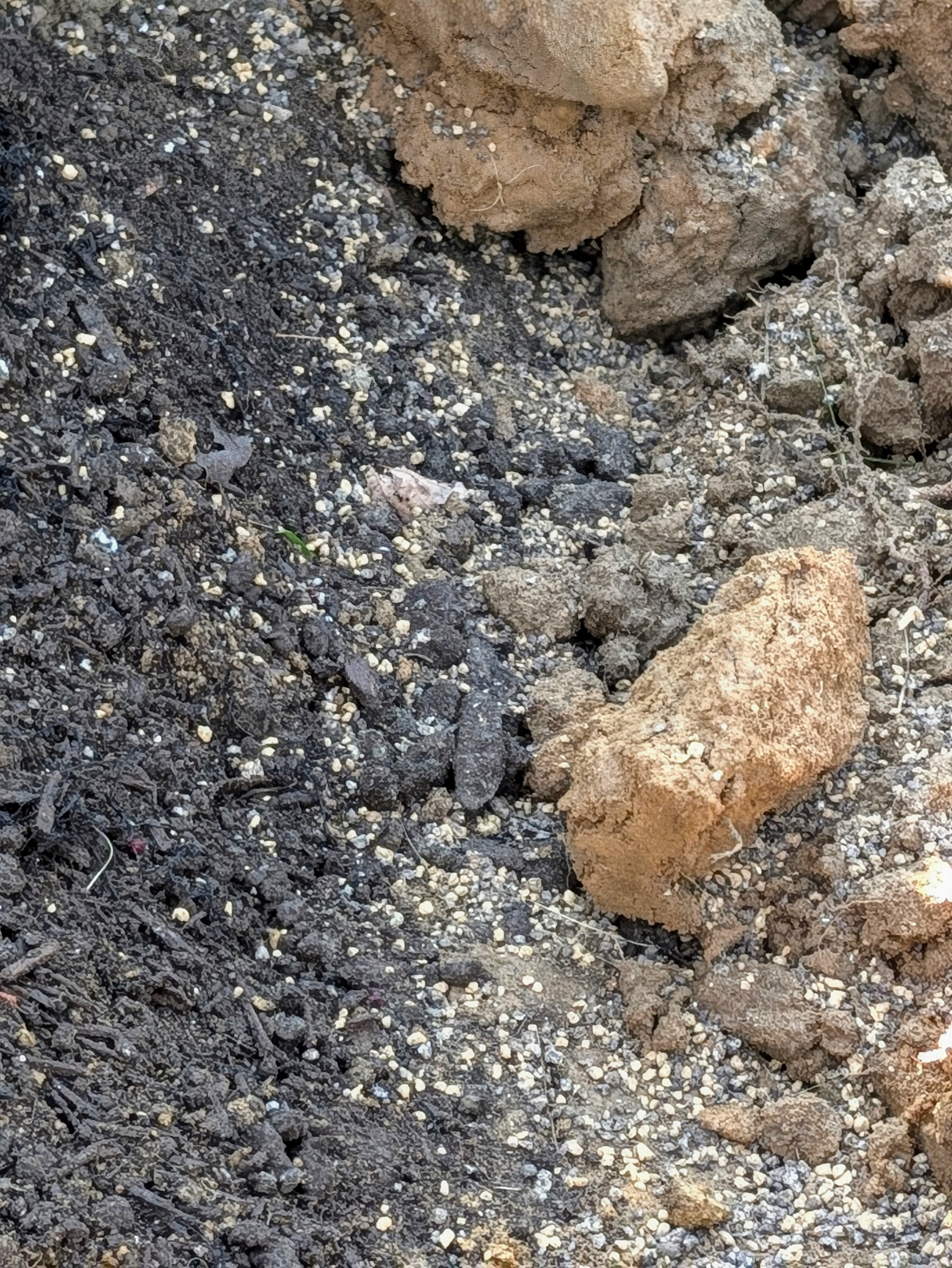
- The entire area is sprinkled with fertilizer. The crew uses an organic all purpose plant food from Miracle-Gro.
-
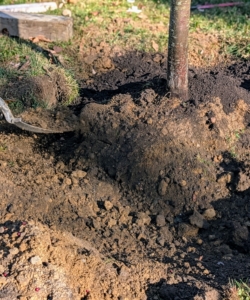
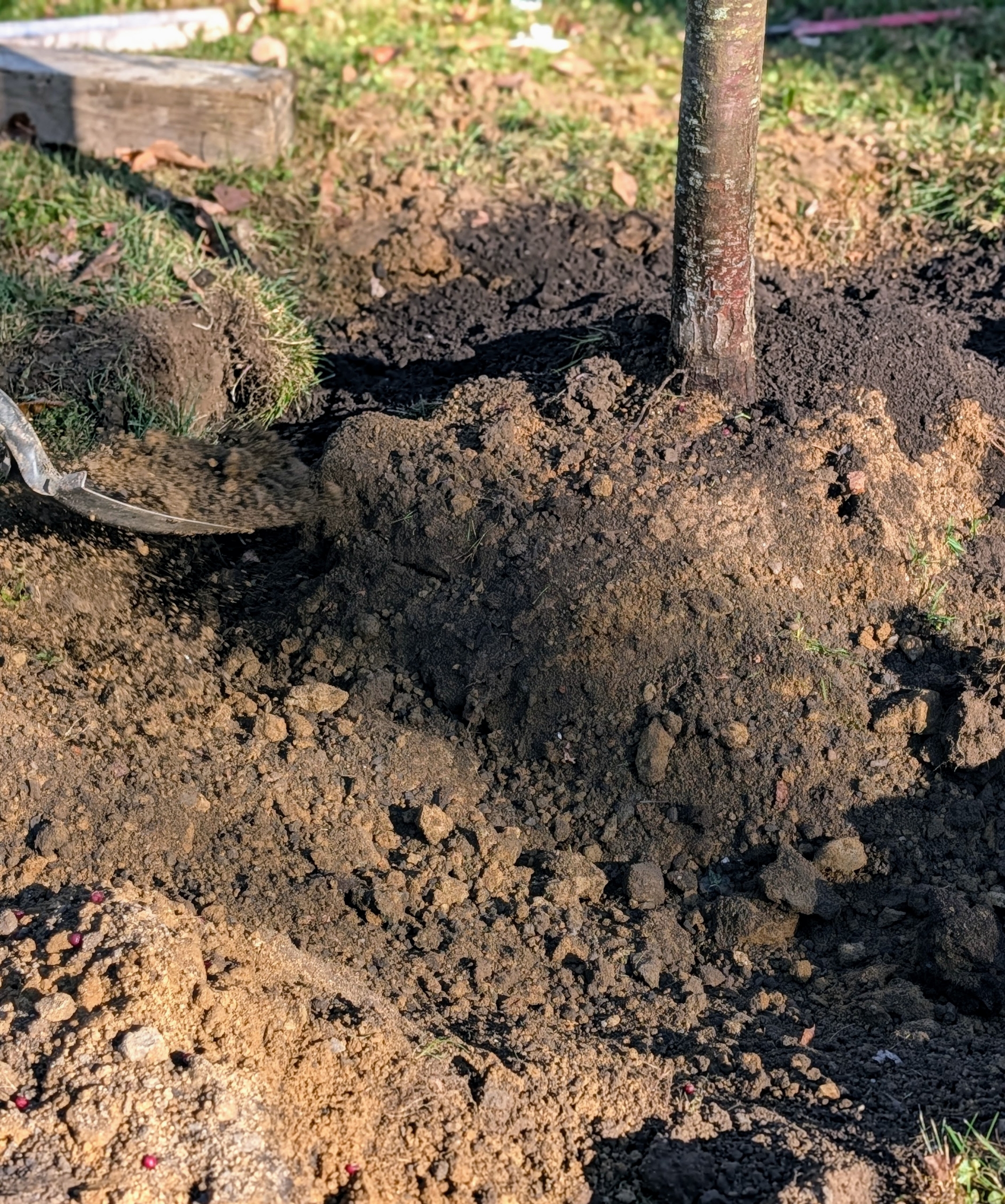
- Once in place, the rest of the hole is backfilled.
-
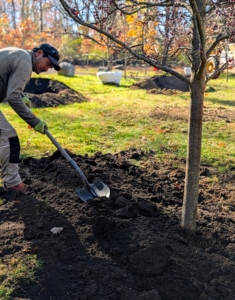
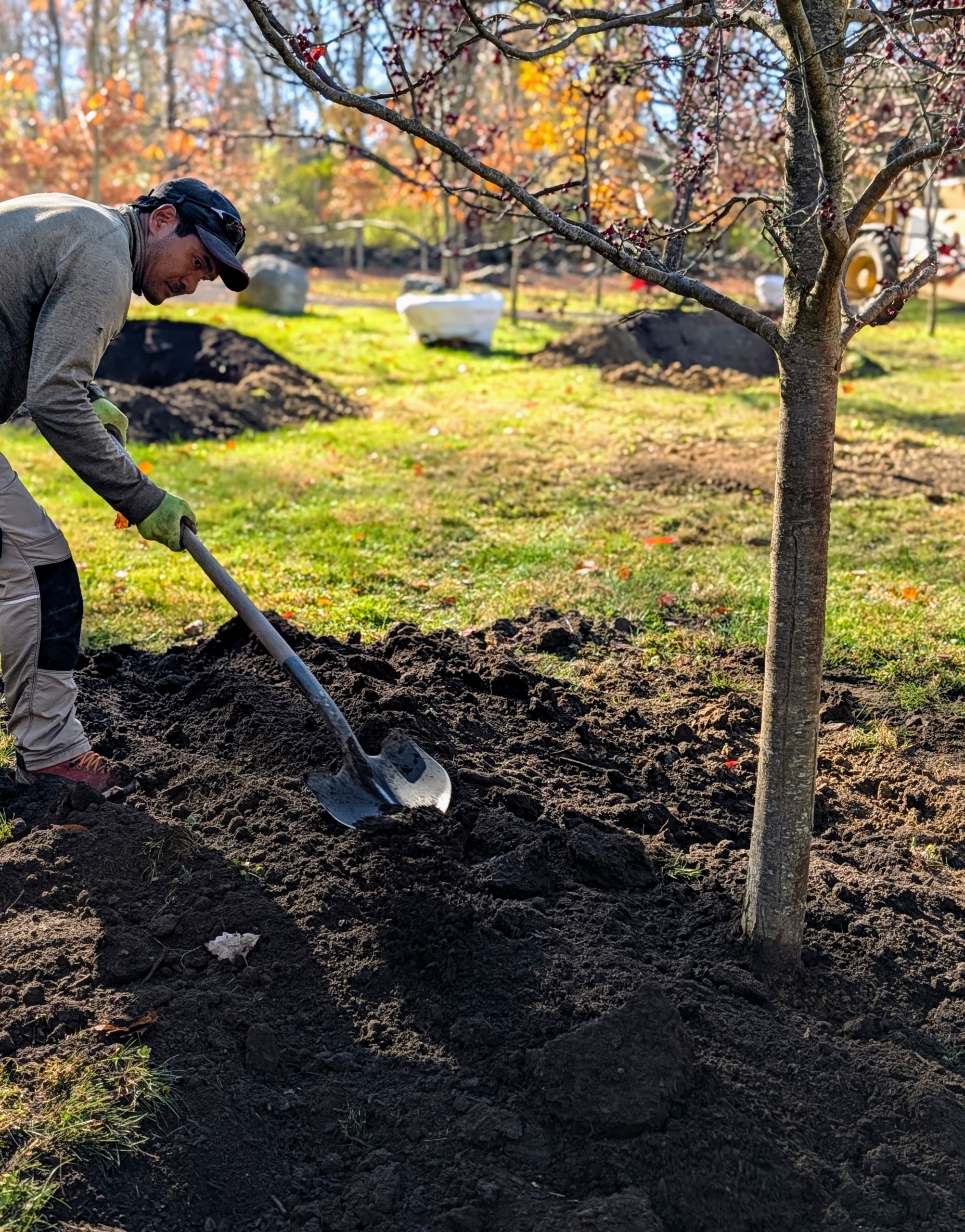
- The crew also adds nutrient rich compost made right here at my farm.
-
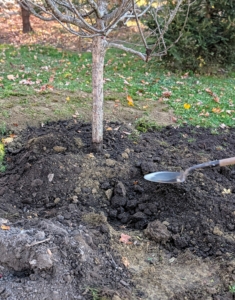
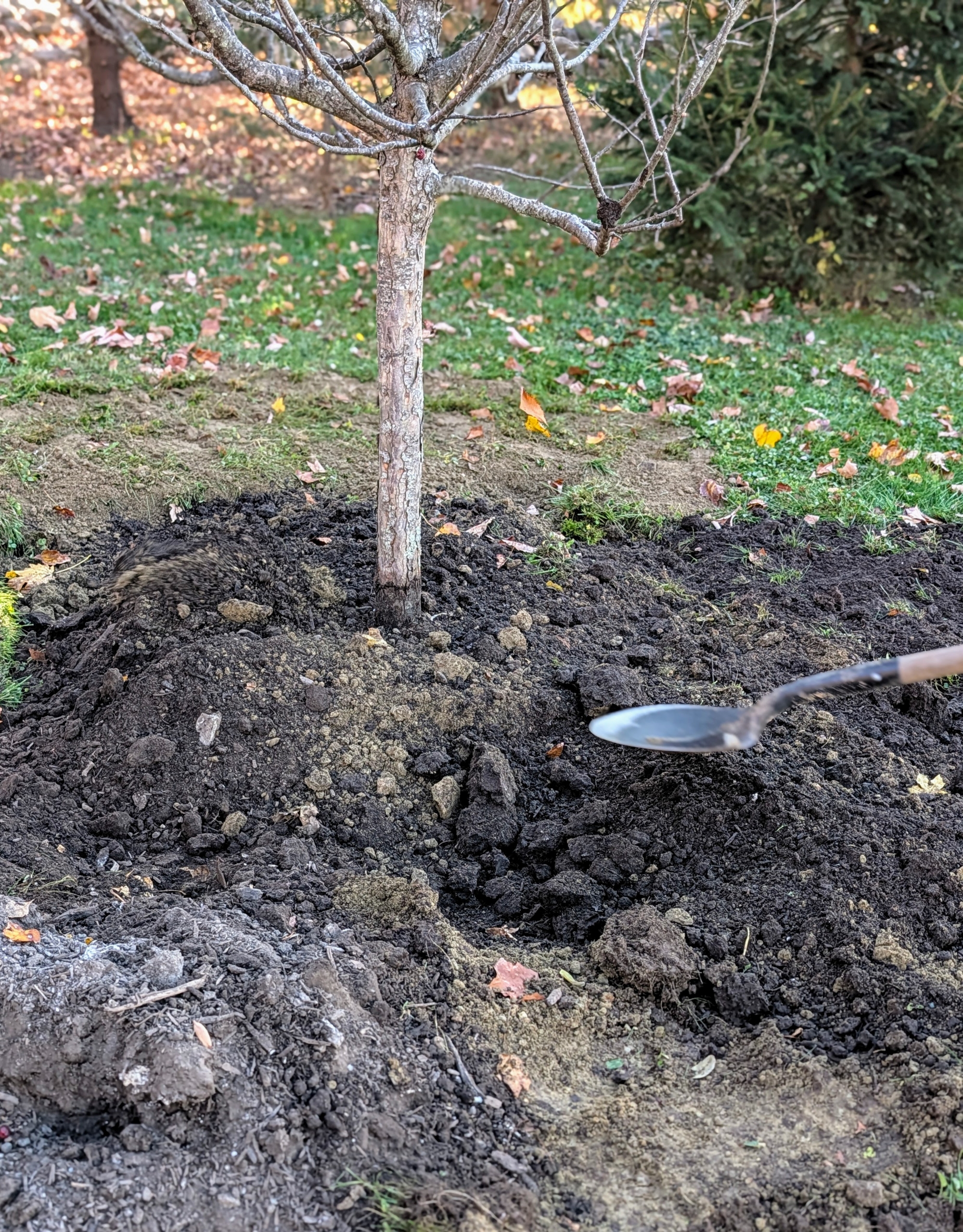
- A crucial step in growing healthy trees is to plant them at the proper depth. Planting a tree too deep can kill it. Plant it only at its flare – the bulge just above the root system where the roots begin to branch away from the trunk.
-
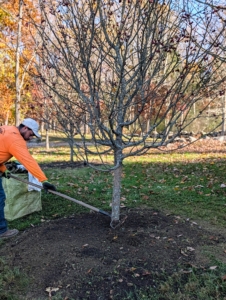
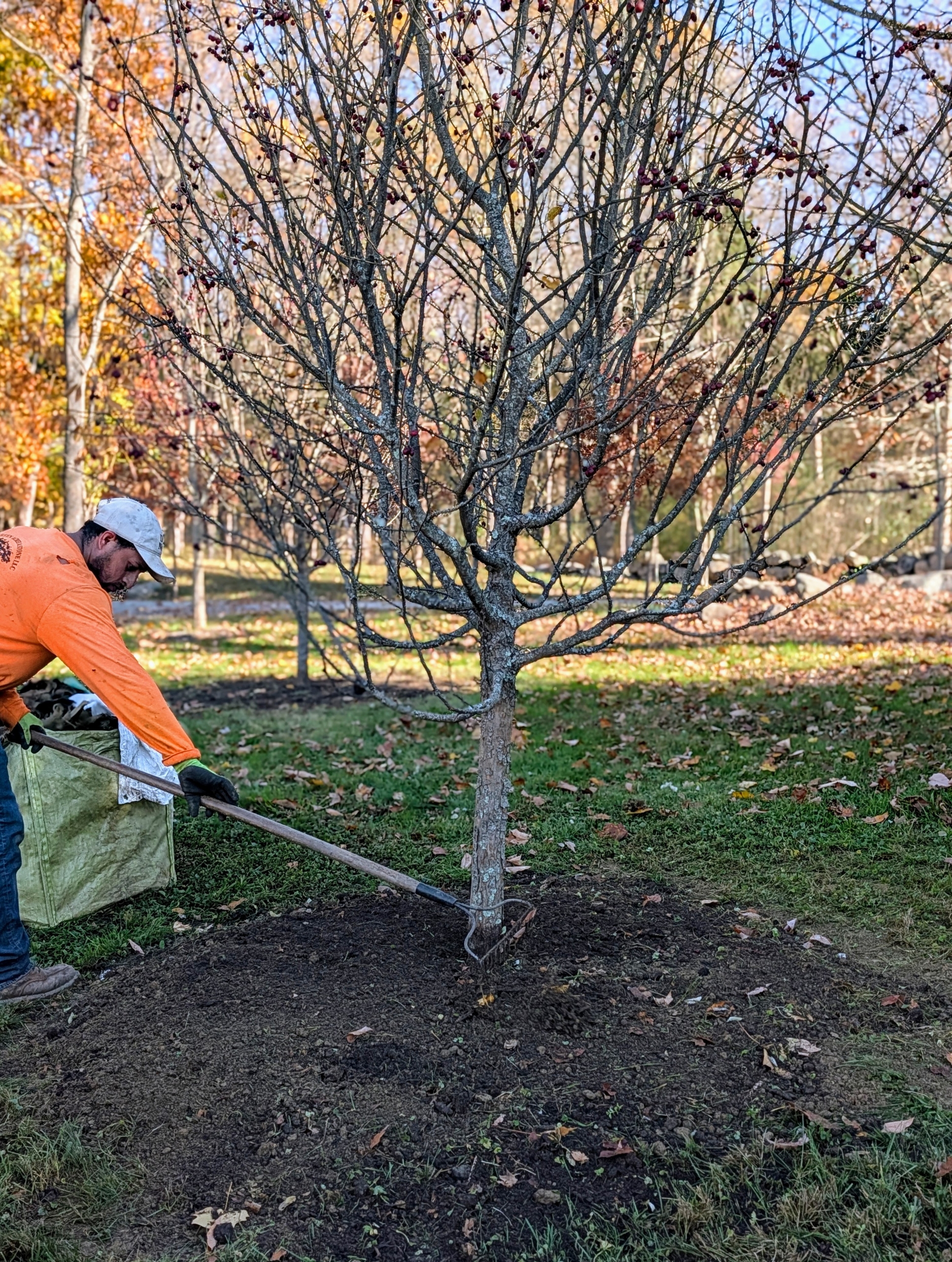
- Then the area is raked neat and tidy.
-
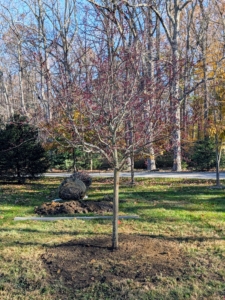
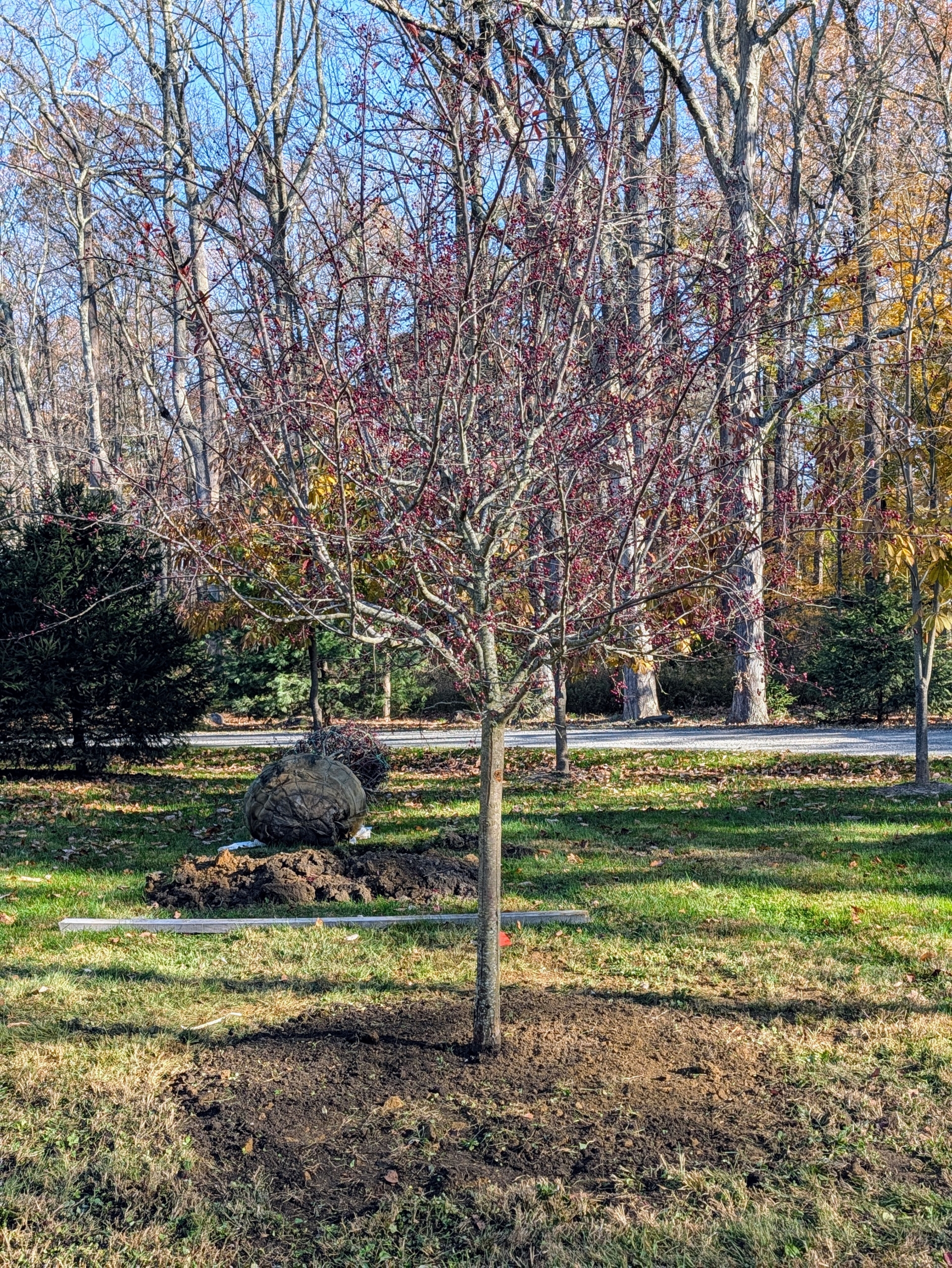
- Crabapple trees thrive in full sun, with at least six to eight hours of direct sunlight daily. These trees will flourish in this space.
-
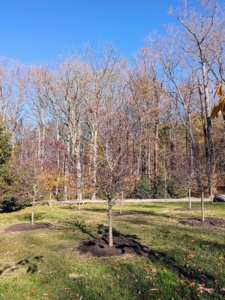
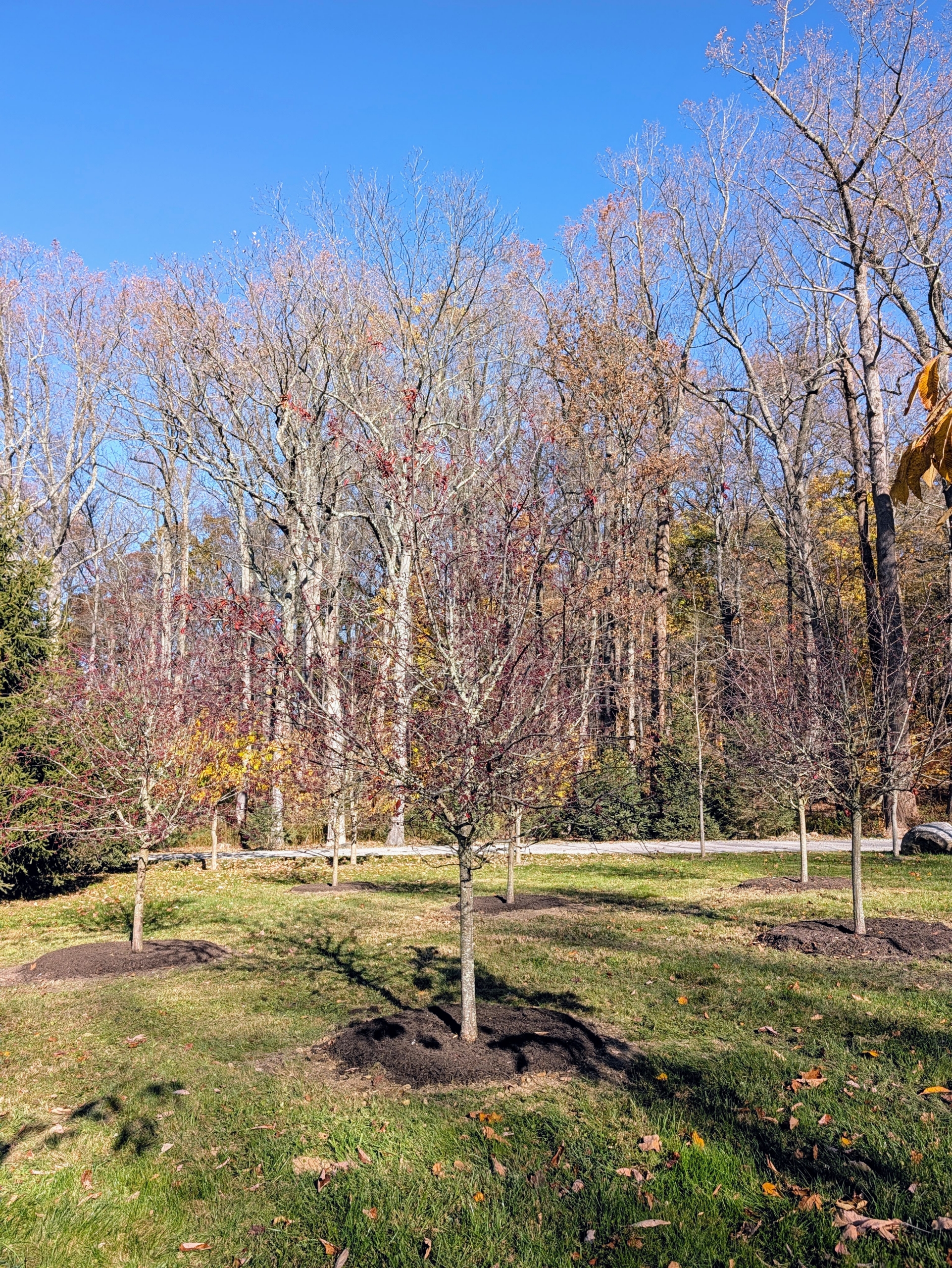
- Here are six of the nine planted on one side – another three are planted across the carriage road. And they were all planted just in time. We are expecting to get lots of rain over the weekend – everything at the farm will get a good watering.
This story originally appeared on Martha Stewart Blog

