


Warning: This article contains SPOILERS for The Rings of Power Season 3, Episodes 1–4.The Lord of the Rings: The Rings of Power is back, and Season 3’s four-episode, movie-level premiere event is ripe with deep-cut Tolkien lore, references, and curious plot decisions. It takes the Prime Video series to new heights as Sauron’s reach continues to expand, threatening all of Middle-earth.
It also raises questions about what’s to come as the show grows darker, particularly after The Rings of Power Season 3, Episode 4’s shocking ending. With many storylines intersecting, viewers may have questions about certain characters and storylines introduced in these initial installments.
Why You Should Trust Us: MovieWeb’s Senior Features Editor Charles Papadopoulos and Features Editor Amanda Mullen have collaborated on fantasy TV journalism for three years, including The Rings of Power Season 2, The War of the Rohirrim, and miscellaneous Lord of the Rings franchise coverage.
Season 3, Episode 1 – “Marnûkh”
Where Are All the Rings of Power?
At the start of The Rings of Power, there are 19 Rings of Power in Middle-earth: Three Rings for the Elven-Kings under the sky, Seven for the Dwarf-Lords in their halls of stone, and Nine for Mortal Men doomed to die. Their locations are as follows:
Three Rings for the Elves
- Galadriel wears the ring Nenya.
- High King Gil-galad wears the ring Vilya.
- Círdan wears the ring Narya.
Seven Rings for the Dwarves
- Before Durin III’s death, he gave his ring to Durin IV.
- Durin IV possesses all seven Dwarven rings but has hidden them.
Nine Rings for Men
- Sauron has distributed the Rings for Men to his new servants, the Nazgnagôl.
- Khamûl the Easterling of Rhûn earns his ring in a fight against the other Gaudrim in Season 3, Episode 1.
How Much Time Has Passed & What Has Happened Since Season 2?

Since Season 2, five years have passed, and Sauron has waged war with the Elves of Middle-earth, expanding his domain up into Eriador, though repelled by forces from Rivendell and Lindon. Elrond’s refuge at Rivendell was established after the Siege of Eregion in Season 2.
In Mordor, Sauron looks to forge the One Ring, which would give him supreme power over Middle-earth and those who wield the Rings of Power. Sauron’s armies consist of Orcs of Mordor, as well as the Lossoth and the Haradrim. The Dwarves of Khazad-dûm, the forces of Rhûn, and the forces of Númenor have yet to join the fighting, making them potential allies for both sides.
Every New Original Character & Lore Change in ‘The Rings of Power’ Season 3, Episodes 1–4
- Marnûkh, the Orc who travels with Galadriel and Arondir to Gundabad.
- Maitalle, the last Elven Smith.
- Celeborn’s imprisonment.
- Pallando killing the other Blue Wizard in Rhûn and the whole Dark Wizard plotline.
- Thráin as Durin IV’s brother.
- The Nazgnagôl are original to the series as supposed early versions of the Nazgûl.
- The Gaudrim and their lore are original to the series.
- Fell beasts are not “corrupted eagles” in Tolkien’s lore.
What Sauron Is Missing From the One Ring

The Rings of Power Season 3 opens with Sauron trying to forge the One Ring to control all the others, but his efforts prove futile. He doesn’t have the knowledge to recreate Celebrimbor’s work, especially since he wasn’t involved in the creation of the Three Elven Rings. With Celebrimbor and his technical expertise gone, Sauron is incapable of making another Ring of Power.
After his failure in the premiere, it’s revealed that all Celebrimbor’s records and secrets were “put to the torch” during the Battle of Eregion. Sauron charges the Orcs in his service with finding someone familiar with the smith’s work to help him. Unfortunately, there are few people who meet that description left in Middle-earth.
Who Is Celeborn? (& Why You Recognize That Name)
-
 Prime Video
-
 Prime Video
-
 Prime Video
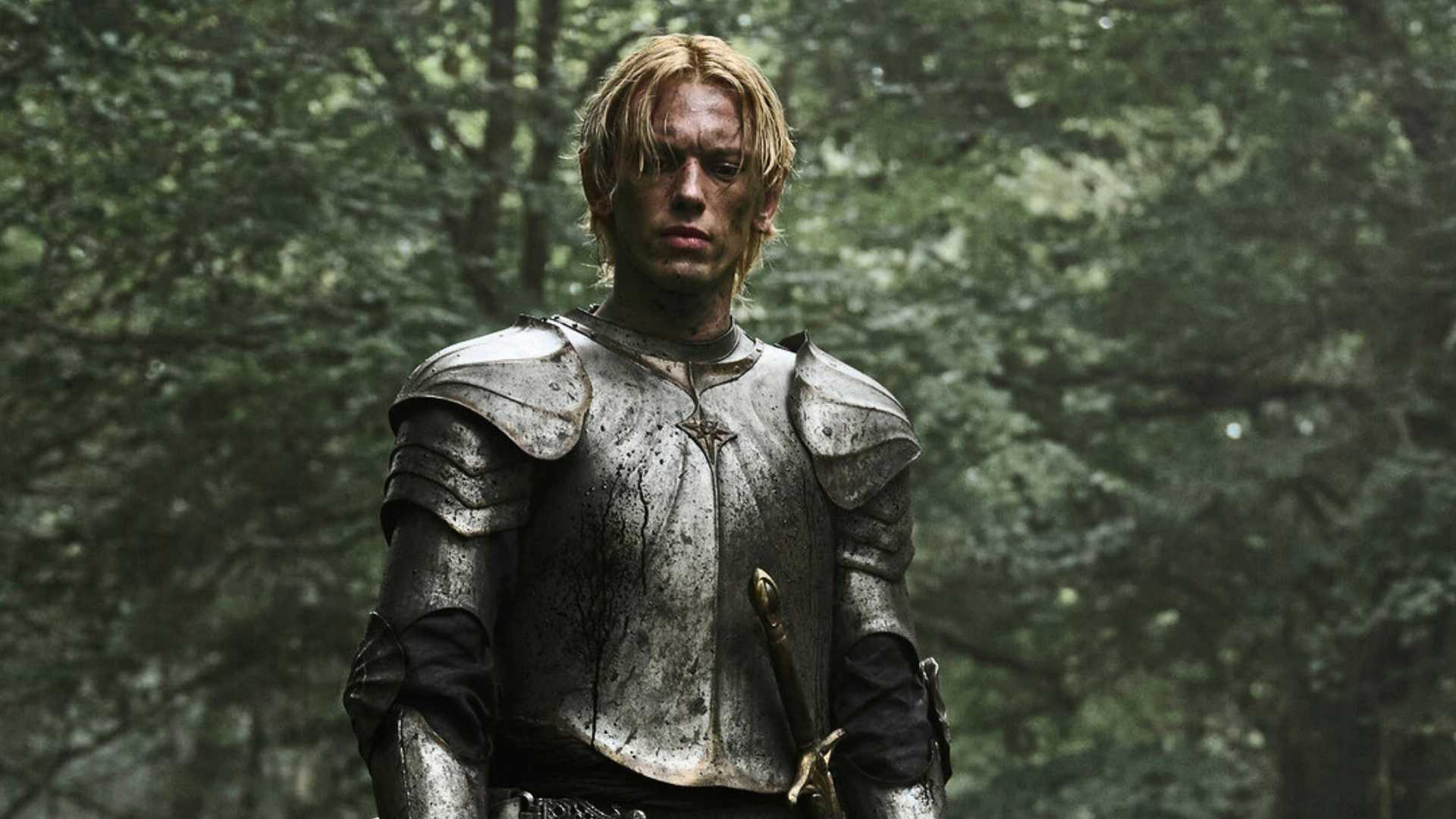
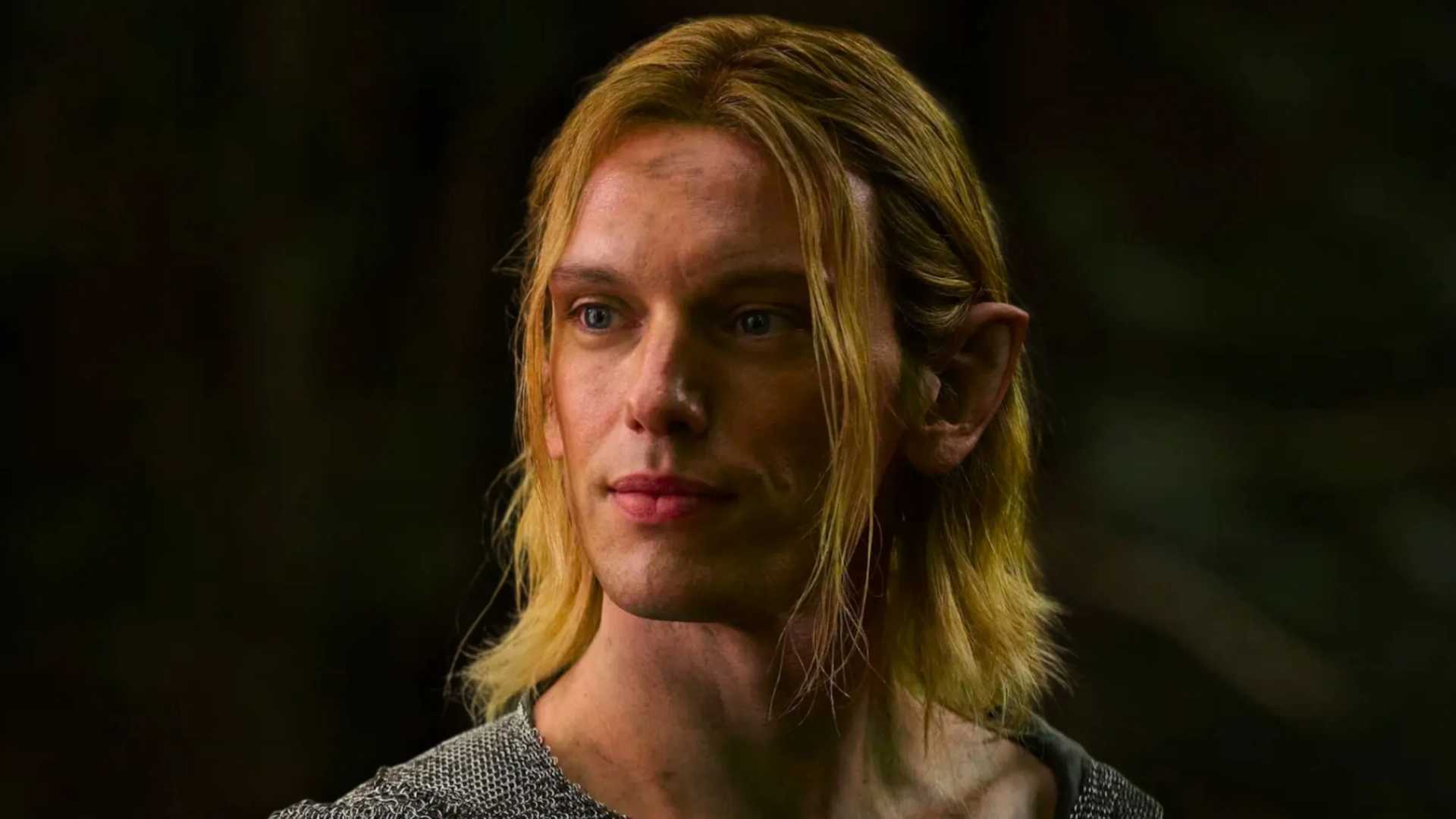
The Rings of Power Season 3 introduces Jamie Campbell Bower’s Celeborn in the premiere, taking viewers back thousands of years to see how he and Galadriel fell in love. Celeborn is Galadriel’s husband, and although this is the first time he’s been shown on-screen, he was mentioned in earlier episodes. In Season 1, Galadriel reveals that he’s been missing ever since the war against Morgoth.
Galadriel and the other Elves believe Celeborn is dead — something that contributes to the loneliness she speaks of in “Marnûkh” — but the series later disproves that notion. Considering that Celeborn survives until the Fourth Age in J.R.R. Tolkien’s lore, it’s not a huge surprise. It’s nice that he’s finally making an appearance, however, as he’s one of Middle-earth’s most legendary warriors.
Who Are the Nazgnagôl & How Do They Differ From Nazgûl?


Following Sauron’s failure and Celeborn’s introduction, The Rings of Power Season 3 segues into a fight sequence between Sauron’s supporters and the Elves. The battle is interrupted by one of the Nazgnagôl, a being that even Galadriel can’t hold her own against. The Nazgnagôl are the recipients of the Nine Rings for Men; Season 3 reveals that Sauron has already turned mortals into these “Ring-servants” during the five-year time jump, though he has yet to create all of them.
The Nazgnagôl will eventually become the Nazgûl seen in The Lord of the Rings, but they’re still Men at this point of Middle-earth’s Second Age. This is a change to their lore in the source material, as Tolkien never references this stage. Speaking to Empire Magazine, actor Zubin Varla — who plays Khamûl the Easterling — promised that viewers will see how they transform into the Ringwraiths, losing their humanity along the way:
“In a sense, they go on the same journey as Gollum. Evil begets evil, and violence begets violence. Their souls, and their bodies, are corrupted until they are literally hollowed out, almost devoid of physical form.”
Who Are the Lords of Rhûn & Why Do They Join Sauron’s Side?

One of Sauron’s most ruthless moments in The Rings of Power Season 3 occurs when the Lords of Rhûn arrive to accept an alliance with him. They’re originally speaking on behalf of the Dark Wizard, but Sauron wants their support, not his. He appeals to the Easterlings’ past, reminding them that they used to be kings — and that, in the Prime Video show, the Dark Wizard cursed and subjugated them.
They initially balk at betraying the Dark Wizard to join Sauron, but he uses fear to appeal to them. The two that voice concerns over betraying their leader are killed by one of Sauron’s Orcs. The others kneel, and he uses the remaining Rings for Men to sway them further. He makes them fight to the death for one, ensuring only Khamûl the Easterling remains alive at the end of it all.
Who Is Khamûl the Easterling?
Khamûl the Easterling emerges victorious from the first on-screen scuffle over the Rings for Men, and he finds that the object gives him an unnatural ability to heal. Sauron dubs him “the fairest of the Nine,” and he’ll prove important later on. In J.R.R. Tolkien’s books, he’s the only named character to receive one of the Nine Rings for Men outside the Witch-king of Angmar. He’s also the Witch-king’s second-in-command.
Who Is Durin’s Brother, Thráin?

The Rings of Power Season 2 left off with Durin IV ascending the throne after his father’s death, but it doesn’t take long for a challenger to emerge in Season 3. The premiere introduces Prince Thráin, Durin IV’s exiled older brother, who returns to Khazad-dûm following their father’s death. Thráin initially seems supportive of Durin, but his motives are thrown into question by the end of the premiere.
Season 3, Episode 2 – “The Gift of Men”
What Is Ar-Pharazôn’s Plan?
-
Trystan Gravelle as Pharazon in The Lord of the Rings: The Rings of Power Prime Video -
-

The harbor of Numenor in The Lord of the Rings: The Rings of Power Prime Video
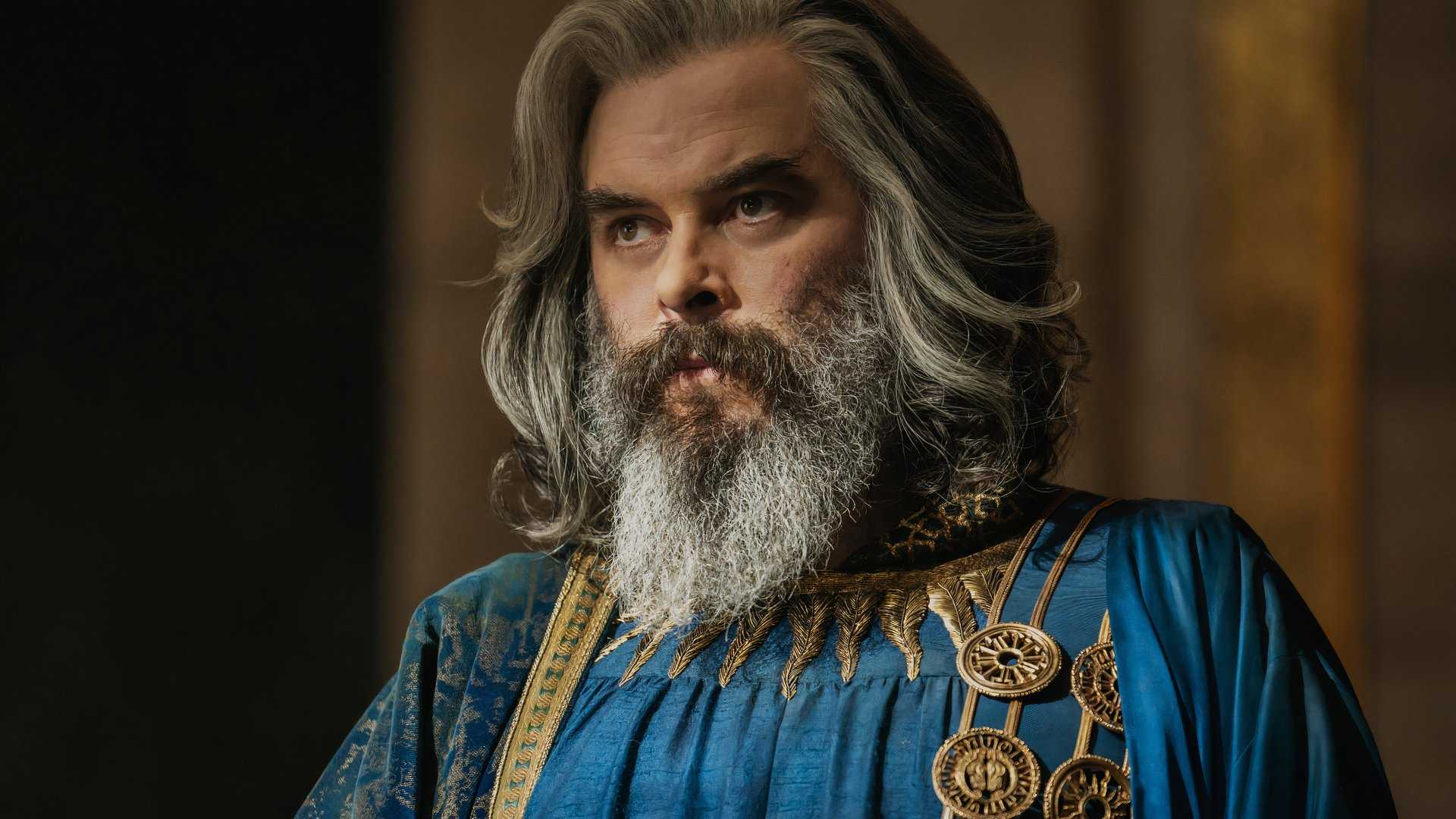
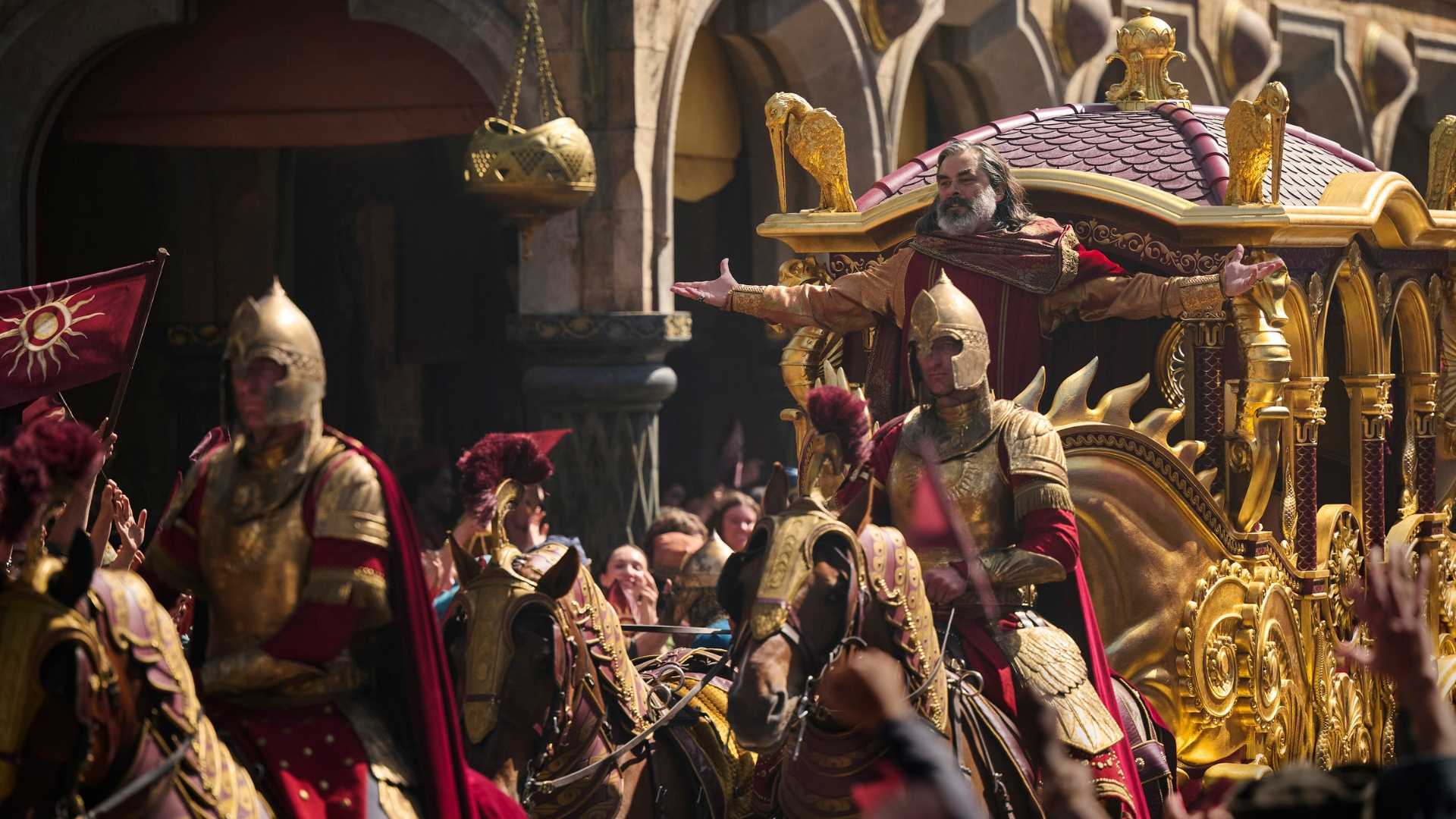
Pharazôn rose to power in Númenor and has since consolidated his wealth and power through the construction of a vast armada. As a conqueror, he has brought glory to his people, and Season 3 demonstrates his growing hubris as he not only considers taking on Sauron for dominion of Middle-earth, but contemplates sailing West to conquer Valinor.
Why Is Pharazôn Targeting Valinor?
Pharazôn’s plan may seem ridiculous, and it is. Valinor is the mystical Undying Lands, where the Elves were born and where the Valar stake their claim. To invade Valinor is insanity, but Pharazôn believes he is able to and believes his cause is just. His reasoning dates back to the creation of Númenor.
As a reward for the role Men played in the war against Melkor in the First Age, the Valar created Númenor for a faction known as the Edain. The Edain became the Númenóreans, a kingdom of enhanced Men given gifts of longer lifespans, advanced physical and mental capabilities, and fair appearances.
In Tolkien’s lore, the Númenóreans ultimately became proud and resentful of the Elves, who were granted complete immortality, while they, despite their longer lifespans, were doomed to eventually die just like mortal Men. The Faithful remained loyal to the Valar, while the King’s Men sought to rise up against the Valar.
What we’re seeing in The Rings of Power Season 3 is the result of that resentment. In the text, Sauron goes into disguise and guides Pharazôn to this end, but in the TV series, the act is derived from pure hubris. One could suggest that Sauron’s presence in Númenor during Season 1 was an early catalyst for this dark fate to unravel.
Who’s Working Against Pharazôn?
-
 Prime Video
-
 Prime Video
-
 Prime Video
The Faithful, led by Míriel and Elendil, seek to restore order in Númenor and prevent the foreseen prophetic doom. While Pharazôn drives their people toward chaos and ruin, the Faithful seek to restore balance under the Valar and could potentially be great allies to the Elves of Middle-earth.
What Is Gundabad? (& Where You’ve Heard That Name Before)
In “The Gift of Men,” Marnûkh betrays Sauron and tells Galadriel and Arondir that he knows where to find the last living Elven-smith in possession of Celebrimbor’s secrets. After being captured, she was brought to Gundabad, which he describes as “the most feared, most impenetrable of all Orc dungeons.“
Marnûkh, Galadriel, and Arondir set out to find Maitalle there, and the fortress is shown on-screen in Episode 4. Gundabad may sound familiar to viewers, as it’s a location pulled straight from Tolkien’s writings. Mount Gundabad is located at the North End of the Misty Mountains, and it’s where Durin the Deathless woke during the Years of the Trees. As such, it’s highly regarded by the Dwarves. However, it was overtaken by Orcs in the Second and Third Ages. It’s also depicted in The Hobbit: The Battle of the Five Armies.
Why Marnûkh Turns on Sauron & Helps the Elves

Marnûkh is proof that every Orc isn’t loyal to Sauron in Season 3. He betrays the Dark Lord because he’s still in support of Adar’s cause. He points to Adar’s short-lived agreement with Galadriel as the reason he’s willing to work with her. Selfishly, he also seems to understand that Sauron’s destruction of Middle-earth will hurt him and his people as much as everyone else.
Who Was Theo’s Father?

After recruiting Theo to his cause, Sauron performs a ritual in order to uncover the identity of Theo’s father. He communicates with him in the Unseen World, and Theo’s father speaks to Sauron using the Black Speech. Following this exchange, Sauron tells Theo, “Your father’s name is Fäldred, Son of Hammethreg.” According to the Dark Lord, this means Theo is from “a Noble house of old, the sworn stewards of Mordor, blessed with certain powers.“
This grants Theo newfound importance in The Rings of Power‘s narrative, with Sauron implying he could have ruled the Southlands. It also adds fuel to the theory that he’ll become the Witch-king of Angmar in later outings. Sauron tells Theo that his mother is the one who killed his father after learning what he was. Given that only Sauron understands the Black Speech, it’s possible he’s manipulating the boy — but pieces of his story do seem to fit.
Why Eärien Makes That Fatal Choice
Eärien, daughter of Elendil and one of the TV show’s original characters, suffers a cruel fate at the end of Season 3, Episode 2. As a covert member of the Faithful, Eärien remained loyal to her father and brothers until she was discovered by Pharazôn. Feeling like she had no choice but to be imprisoned, Eärien jumps from a balcony, dying by suicide.
Season 3, Episode 3 – “The Secret Fire”
Who Are the Five Wizards?
“The Secret Fire” explains the lore of Middle-earth’s Wizards to Gandalf, which comes from Tolkien’s Appendix B. The Five Istari are as follows:
- Saruman the White
- Radagast the Brown
- Gandalf the Grey
- The Blue Wizards (Likely named Alatar and Pallando, though Tolkien’s work on their stories was incomplete and written as speculation in Unfinished Tales)
Who Is Pallando the Blue Wizard?
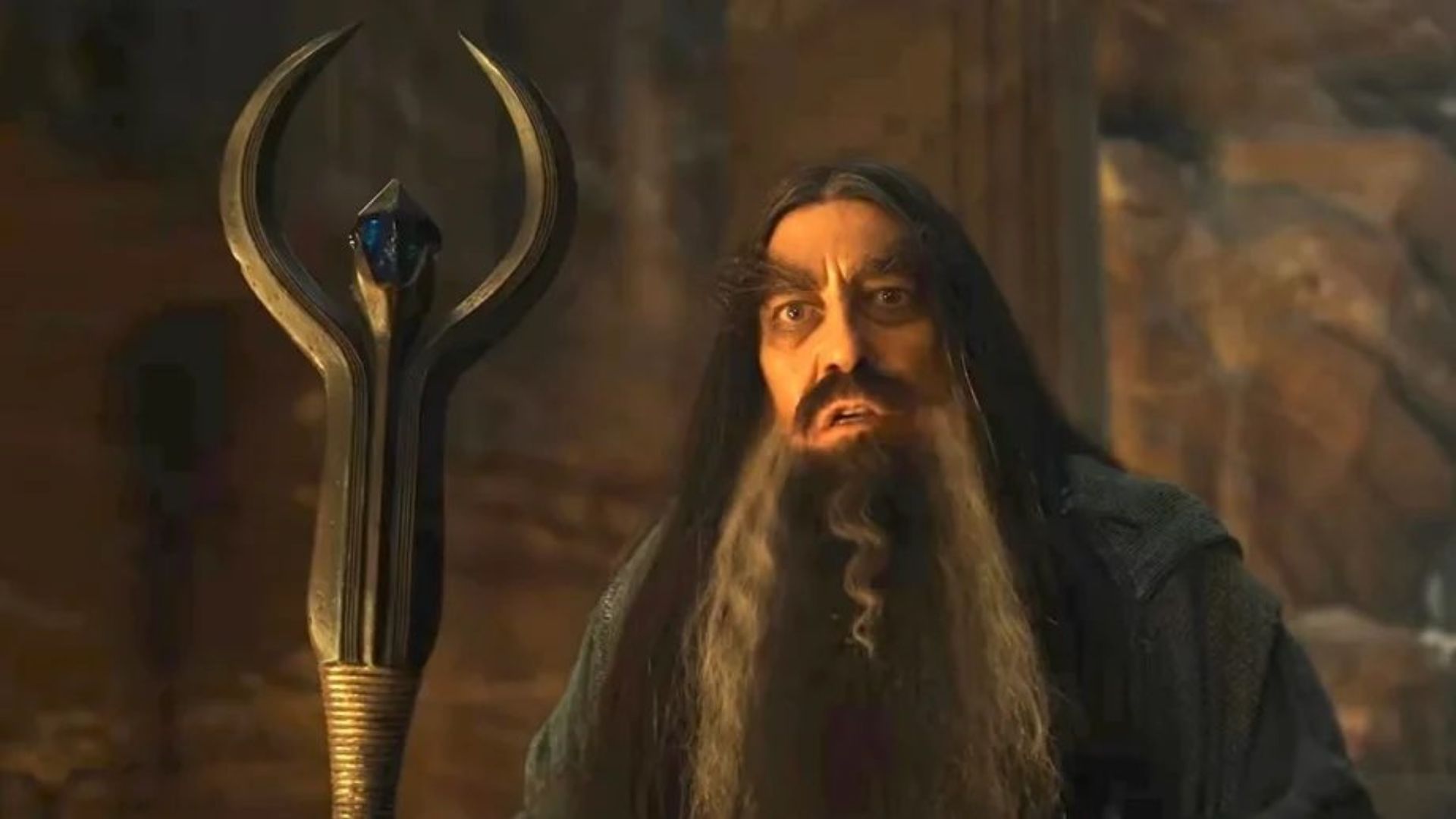
In Unfinished Tales, a posthumous collection of J.R.R. Tolkien’s essays about Middle-earth edited by Christopher Tolkien, Pallando is one of the Blue Wizards whose fate and eventual absence from the Third Age were left undecided. J.R.R. Tolkien considered the possibility that they traveled to the far East and never returned, with potential outcomes being that they joined forces with Sauron, or simply continued wandering.
In Tolkien’s Letter 211, he wrote the following:
“I really do not know anything clearly about the other two [wizards] – since they do not concern the history of the N[orth].W[est]. I think they went as emissaries to distant regions, East and South, far out of Númenórean range: missionaries to ‘enemy-occupied’ lands, as it were. What success they had I do not know; but I fear that they failed, as Saruman did, though doubtless in different ways; and I suspect they were founders or beginners of secret cults and ‘magic’ traditions that outlasted the fall of Sauron.”
The Rings of Power gives some definition to these characters by establishing the Dark Wizard as one of the Blue Wizards. Episode 3 reveals that he strayed from his path and did something to his partner. Gandalf’s mission is not to defeat him, but to save him, implying that he will deter him from joining forces with Sauron. This plot is almost entirely original to the series, but is largely inspired by Tolkien’s unfinished ideas.
What Happened to Pallando’s Partner?
Pallando’s partner is Alatar, but as for his fate in The Rings of Power, more will be revealed in Season 3 as Gandalf fights to reunite with his Istari kin. Khamûl the Easterling implies that Pallando subjected Alatar to some devious, ill fate.
Where Are the Missing Wizards?


The implication of Season 3, Episode 3, is that all five Wizards came to Middle-earth. The imagery depicts all five landing together, which makes it curious as to why Gandalf arrived later and without his memories. That said, the biggest question now is what has become of Radagast and Saruman.
The two wizards who appear in The Hobbit and The Lord of the Rings could very well still appear in The Rings of Power if it serves the story, given this retcon establishing their arrival. As of now, there’s no information regarding their whereabouts. In Appendix B, Tolkien states that the Istari arrive in the Third Age, not the Second Age, so this whole plotline is improvisational on the showrunners’ part.
What Is the Meaning of the Oliphaunt?
Aside from being an exciting Lord of the Rings cameo as a cold open to Episode 3, the appearance of the Oliphaunt serves as a demonstration of both Gandalf’s power and his character. Rather than use his five years of training to destroy the beast, he smiles at it, and calms it of its rage. This could be foreshadowing for how he will rescue the Dark Wizard, choosing gentleness over violence, similar to what Míriel suggests to Isildur.
Who Is Elendil’s Son, Anarion?

The Rings of Power Season 3 introduces Anarion, Elendil’s other son from Tolkien’s lore, and a major new player in the upcoming seasons. Anarion is a loyal member of the Faithful and proves to be a valuable soldier and leader, much like his father. The series appears to be creating a “good son-troubled son” duality between him and Isildur.
Where Is Tom Bombadil Going & Why?
After The Rings of Power Season 2 finally gave Tom Bombadil proper on-screen representation, the character reappears in Season 3. Gandalf is staying with him still, though the wizard is growing frustrated with Tom’s riddles and indifference to Middle-earth’s plight. Tom doesn’t do much to appease him. In fact, he announces his intention to return to the Withywindle by the time his only scene is through.
Season 2 explains that Tom left the Withywindle, a river in the Old Forest in Eriador, to look into the destruction happening in Rhûn. He sets up a temporary home there, but it seems he’s heading back to his original location. This is where he remains and eventually meets the Hobbits in The Lord of the Rings, though it was cut from Peter Jackson’s films. He doesn’t give an explicit reason for leaving, but it’s clear he’s frustrated with Gandalf’s prodding, too.
Season 3, Episode 4 – “Gundabad”
What Is Gil-galad & Círdan’s Plan?

Following multiple losses, Gil-galad and Círdan plan to enlist help from Númenor in the fight against Sauron. Their first call for aid doesn’t work, as Ar-Pharazôn responds with a letter about the kingdom tending to its own affairs. Hoping to change his mind, they decide that Gil-galad and Elrond will venture to Númenor to meet with its leaders.
For Gil-galad, this is an opportunity to inspire his people, giving them hope that he’s doing everything possible to save them. Elrond’s presence as an emissary stems from his familial connection to Númenor, which the Elves hope will help convince its people.
What Is Elrond’s Connection to Númenor?
Elrond is connected to Númenor through his twin brother, Elros, who founded the island kingdom and served as its first king. Both brothers were half-Elven and half-human. Elros chose a mortal life among the Men of Númenor, while Elrond chose to be with the Elves. As Elrond bears a resemblance to his brother, Círdan suggests the people of Númenor may feel some sense of loyalty toward him.
What Happened Between Thráin and Disa?

From the time Thráin arrives in Khazad-dûm, there’s tension between Durin IV’s brother and Disa — made worse when he alludes to some romantic past between them. The Rings of Power Season 3, Episode 4 reveals what unfolded between the pair, and it’s not nearly as bad as he makes it out to be.
Disa admits that something happened between herself and Thráin when she and Durin IV were on the outs, decades ago and before they were married. She confesses this to Durin IV, who admits he has his own regrets about the row in question. It’s a touching moment of trust between the Dwarven couple, but unfortunately, Thráin still manages to come between them.
How Thráin Defeats Durin (& What This Means for Khazad-dûm)
-
 Prime Video
-
 Prime Video
-
 Prime Video
Although Disa comes clean about her past with Thráin in Episode 4 — and Durin IV is understanding — their son dredges up the drama all over again. Thráin challenges Durin IV’s right to the throne, arguing their father was under the influence of his Ring of Power when he chose his heir. The two agree to a trial by combat, and just before it happens, Durin IV’s son reveals he saw his mother and Thráin together.
Viewers know that Disa was rejecting his advances, but the misunderstanding causes Durin IV to enter the trial blinded by rage. His anger gets the best of him, which gives Thráin an opportunity to gain the upper hand and knock him out.
This means Thráin will become the new king of Khazad-dûm, which doesn’t bode well for the Dwarves. Thráin wants to use the rings Sauron gifted them, and now that he’s in power, Durin IV may be forced to hand them over. Those familiar with Tolkien’s work know that the rings negatively impact the Dwarves, and that Sauron recovers several of them. This will likely stem directly from Thráin’s win.
Why Celeborn Was at Gundabad & Is This the Full Story?
Galadriel reunites with Celeborn at Gundabad, after Arondir and Marnûkh come by the Elf and free him from his cell. It seems that Celeborn was imprisoned during the war with Morgoth. There could be more to this story, as there isn’t much time to catch up with Celeborn. This is another plotline invented for the show, which means Tolkien’s texts don’t hold the answer.
Celeborn knows the layout of Gundabad very well, and it seems the guards keep bringing him back after attempted escapes. Clearly, they want him alive for some purpose, so there is likely more to his story than it seems.
Why Theo Kills Arondir (& Was This Planned From the Beginning?)


The Rings of Power Season 3, Episode 4’s shocking ending officially transforms Theo into a Nazgnagôl. His humanity isn’t totally gone, as he pleads with Arondir to leave Galadriel and Marnûkh behind and save himself. However, once Sauron arrives, he commands Theo to kill the Elf, and the boy obliges. He’s wearing one of the Rings for Men, and his hand shakes before doing so, implying it’s influencing him to some degree. However, Theo actor Tyroe Muhafidin also believes it’s his choice, telling TV Insider:
“He’s lived oppressed and put down and he blames Arondir for all of that because it was him that was the first perpetrator … “I don’t think he wanted to kill him really, but I think in that moment when he gets told to, he’s like, ‘Well, yeah, I’m going to do it.’ He wouldn’t have if he didn’t want to.”
The Rings of Power sets up Theo’s turn to darkness as early as Season 1. He’s drawn to a broken sword hilt connected to Sauron and Morgoth, and he’s prone to anger. It seems he was always headed toward this end, but Nazanin Boniadi‘s departure from The Rings of Power may have sped it along. Without Bronwyn, both Theo’s and Arondir’s storylines needed to evolve.
Is It Too Late for Theo to Take Off the Ring?

Following the shock of Theo killing Arondir, one question remains: whether the boy can still be redeemed. Theo is initially painted as a morally complicated character, not outright evil, but it’s clear his experiences are changing him for the worse. Now tied to Sauron and sporting one of the Nine Rings, his negative qualities are likely to be amplified. The chances of him coming back from this are minimal.
At present, the theories about Theo becoming the Witch-king of Angmar look increasingly convincing. Even if he doesn’t go that far, he’s bound to Sauron in a way that’s difficult, if not impossible, to undo. His full corruption seems inevitable, and the creation of the One Ring is poised to worsen the situation.

- Release Date
-
September 1, 2022
- Network
-
Amazon Prime Video
- Showrunner
-
John D. Payne, Patrick McKay

This story originally appeared on Movieweb

