


November 18, 2026
Planting Bulbs Under My Long Pergola
We’re planting an abundance of beautiful spring-blooming bulbs at my farm!
One of my biggest projects each autumn is planting thousands of bulbs in anticipation of spring. Yesterday, my gardeners and outdoor grounds crew were busy planting in the pergola garden, one of the first gardens I see as I drive onto the property. Among the varieties they planted were several beautiful Allium cultivars from Colorblends Wholesale Flowerbulbs, a third-generation flower merchant based in nearby Bridgeport, Connecticut. Once planted, the bulbs remain beneath the soil for months, until they emerge in spring with an extraordinary display of color and beauty.
Here are a few photos of yesterday’s planting, enjoy.
-
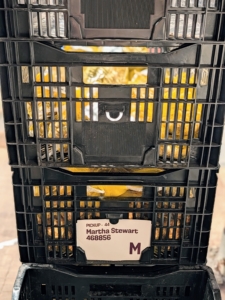
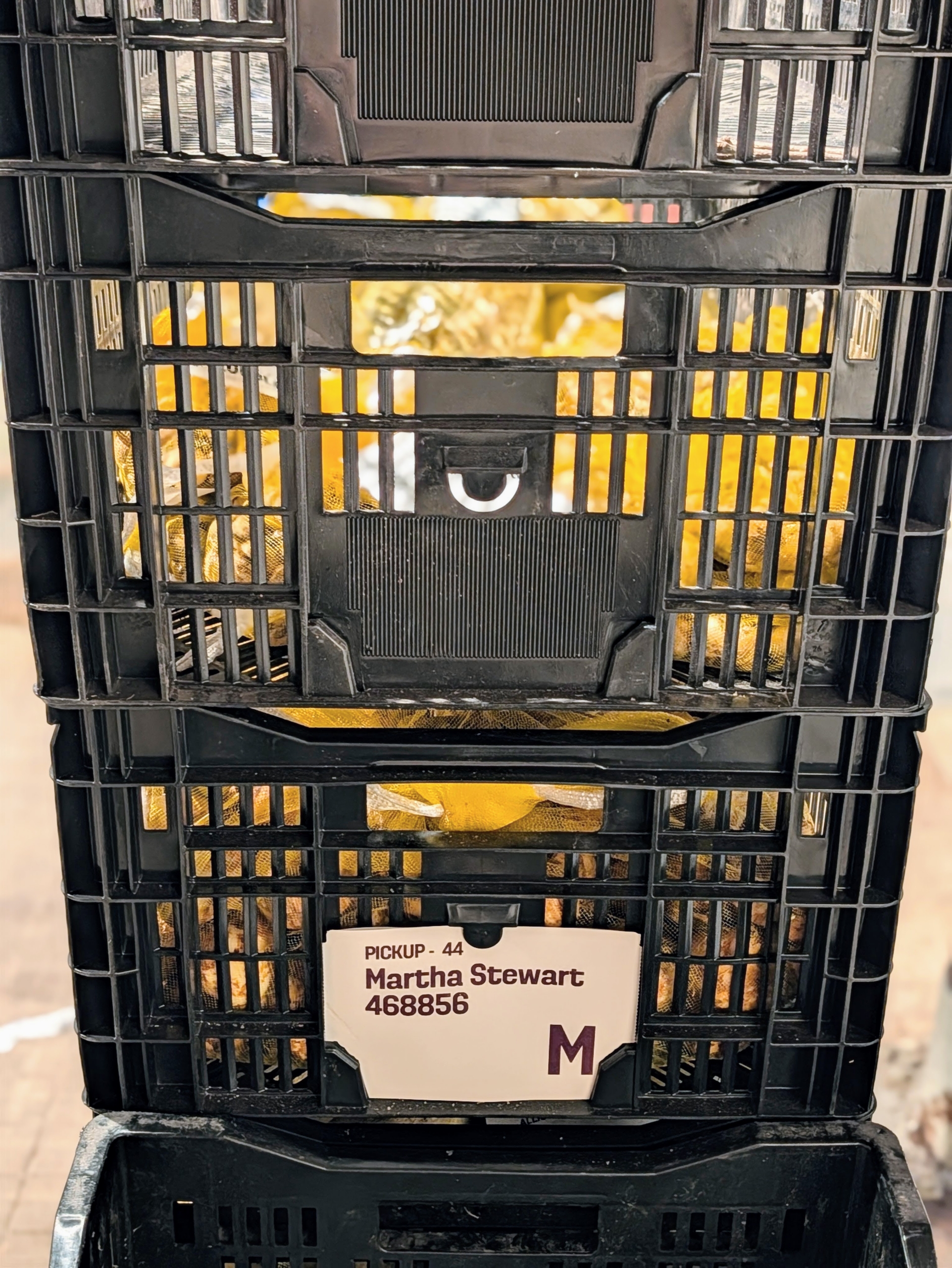
- We’re getting down to the last batches of spring-flowering bulbs. If you haven’t yet planted yours, this is the time to do it. Every year, I order lots of bulbs in batches of 50, 100, 500, and a thousand. These bulbs are from Colorblends – they come in these breathable sacks and crates.
-
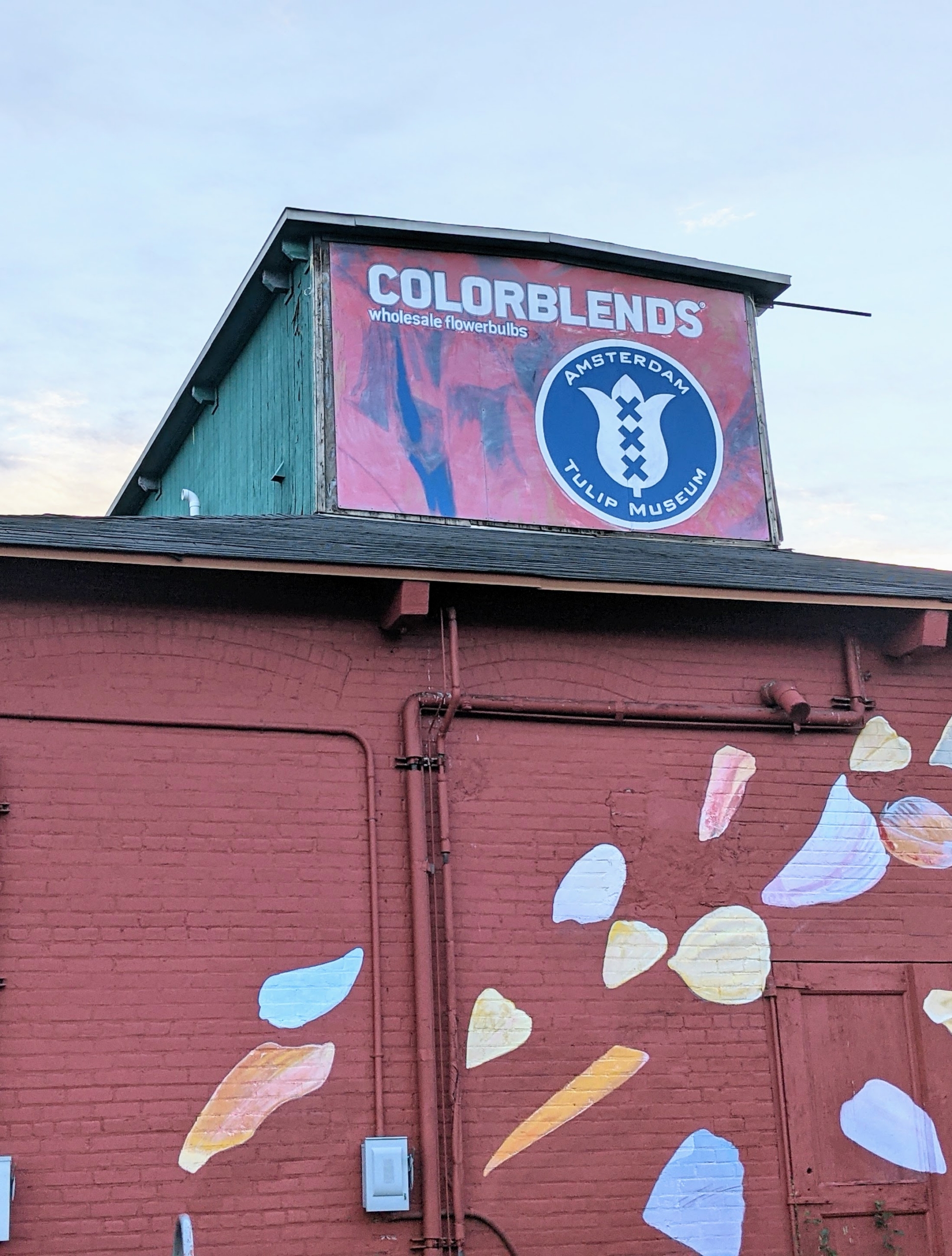
- The Colorblends facility is housed in an old factory originally built in 1879. Colorblends has been selling bulbs for more than 50-years.
-
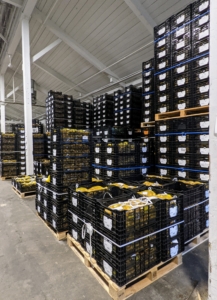
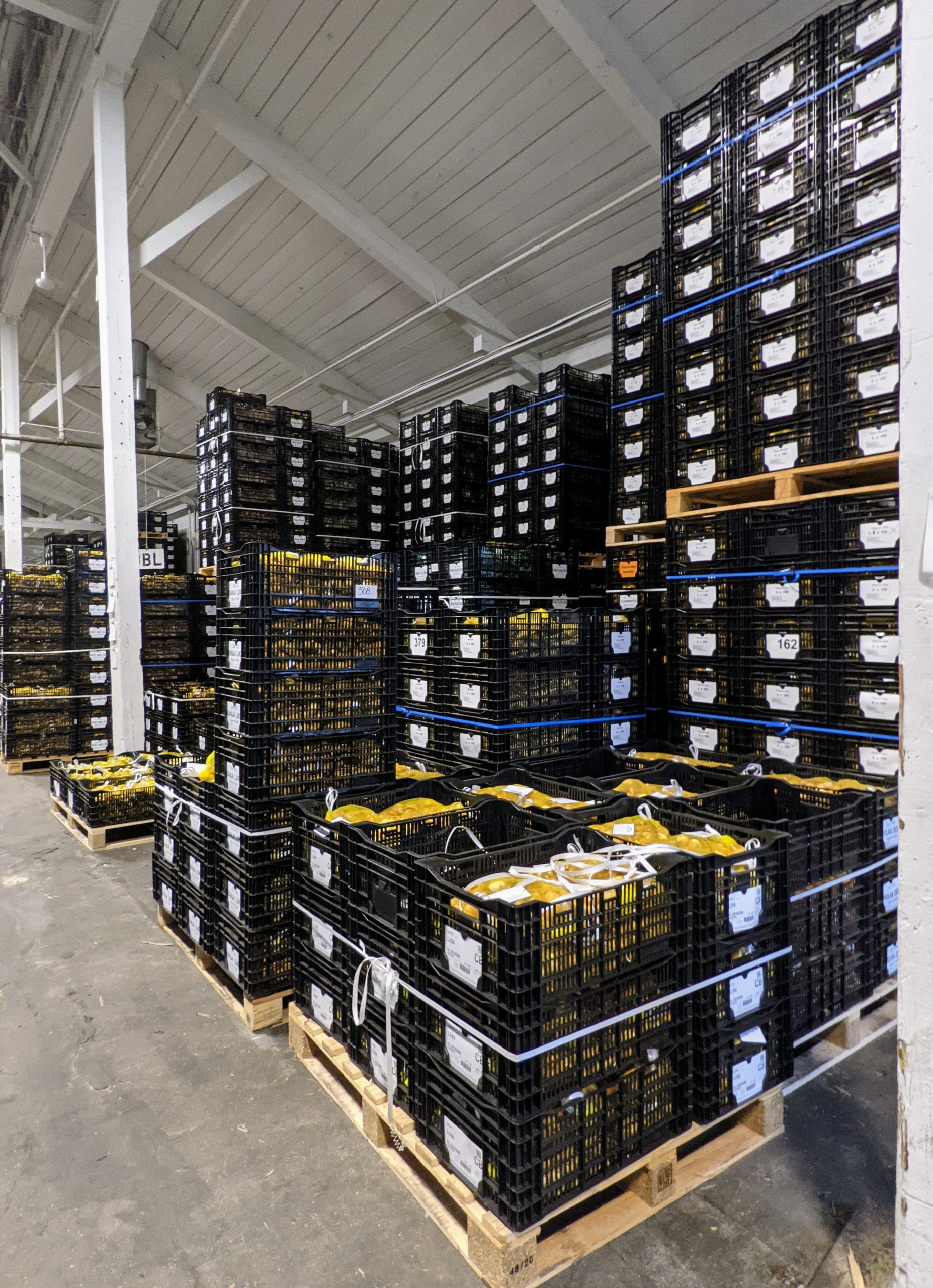
- Its large warehouse is filled with all kinds of bulbs that arrive from the Netherlands in early fall. While Colorblends does handle some bulb order pickups, the wholesale company mainly ships bulbs to customers from online catalog orders and by phone. Once the bulbs are ready, they are delivered according to a planting map. After the first frost in one’s area, bulbs can be planted safely for about two months.
-
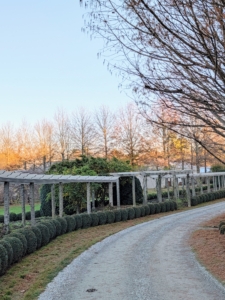
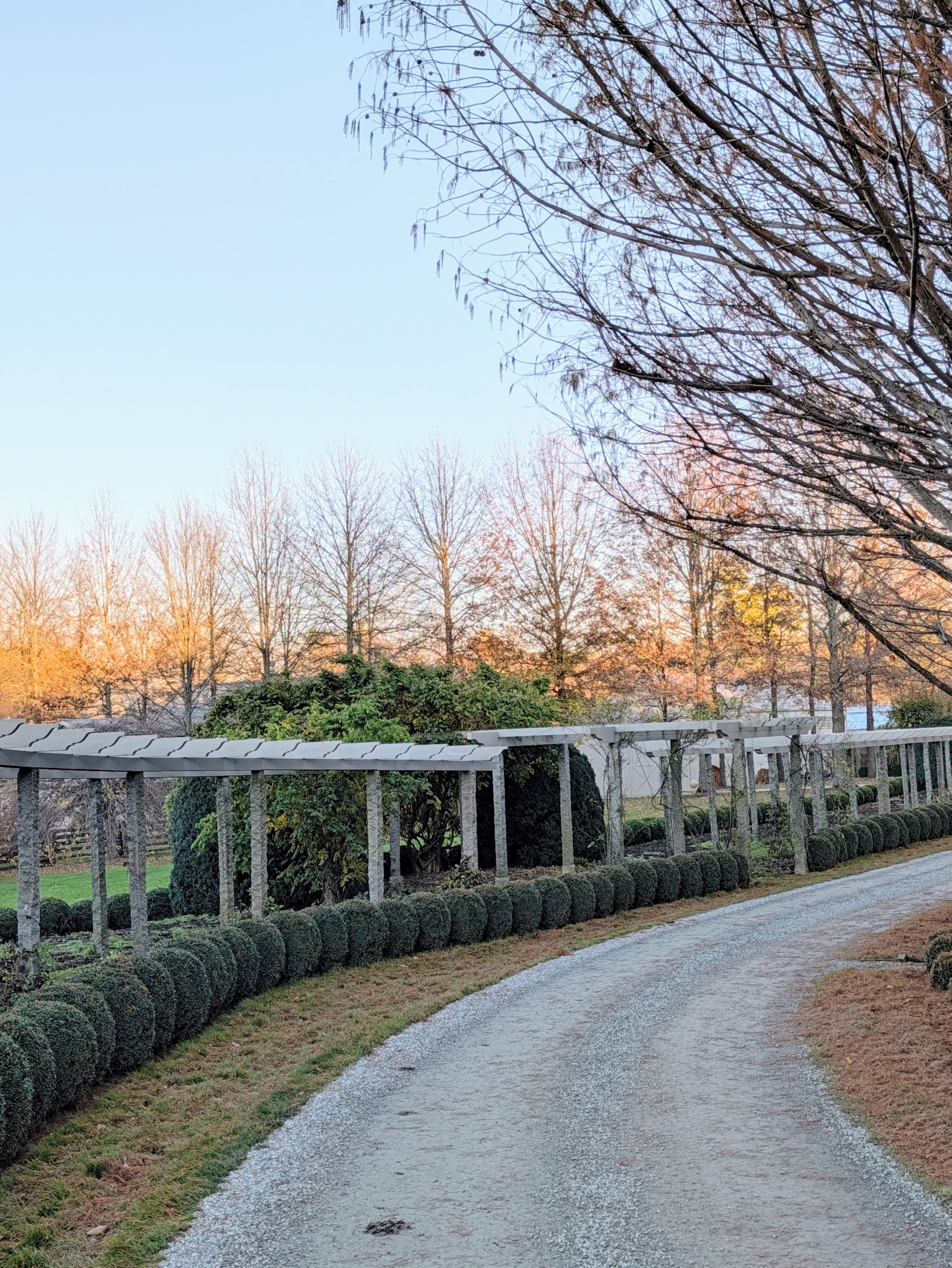
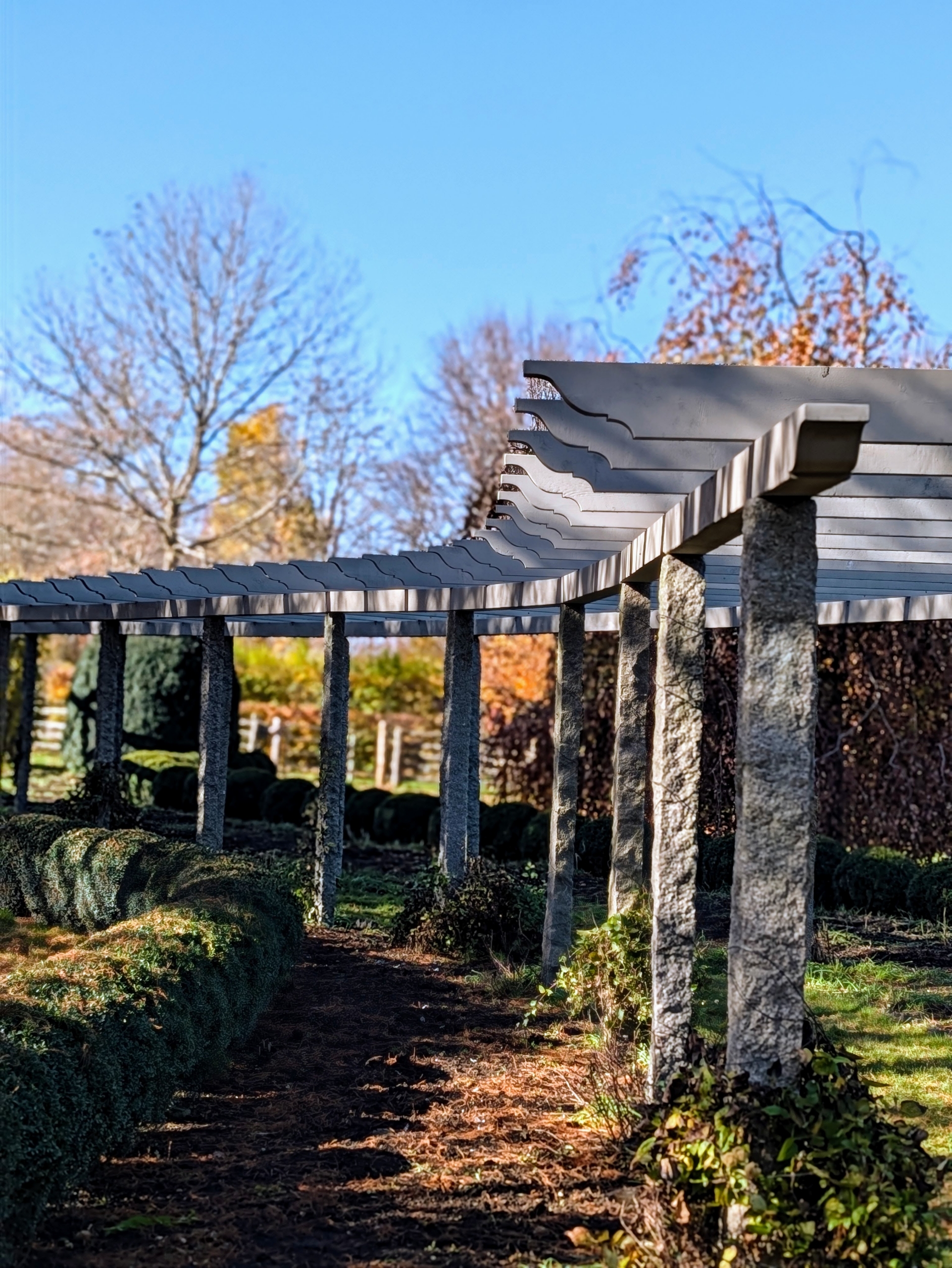
- One of the first areas we plant is my long pergola garden. I designed this pergola myself – it extends from my flower cutting garden to my Winter House driveway.
-
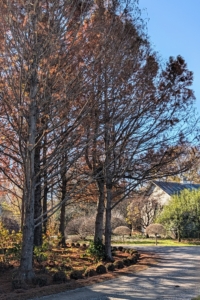
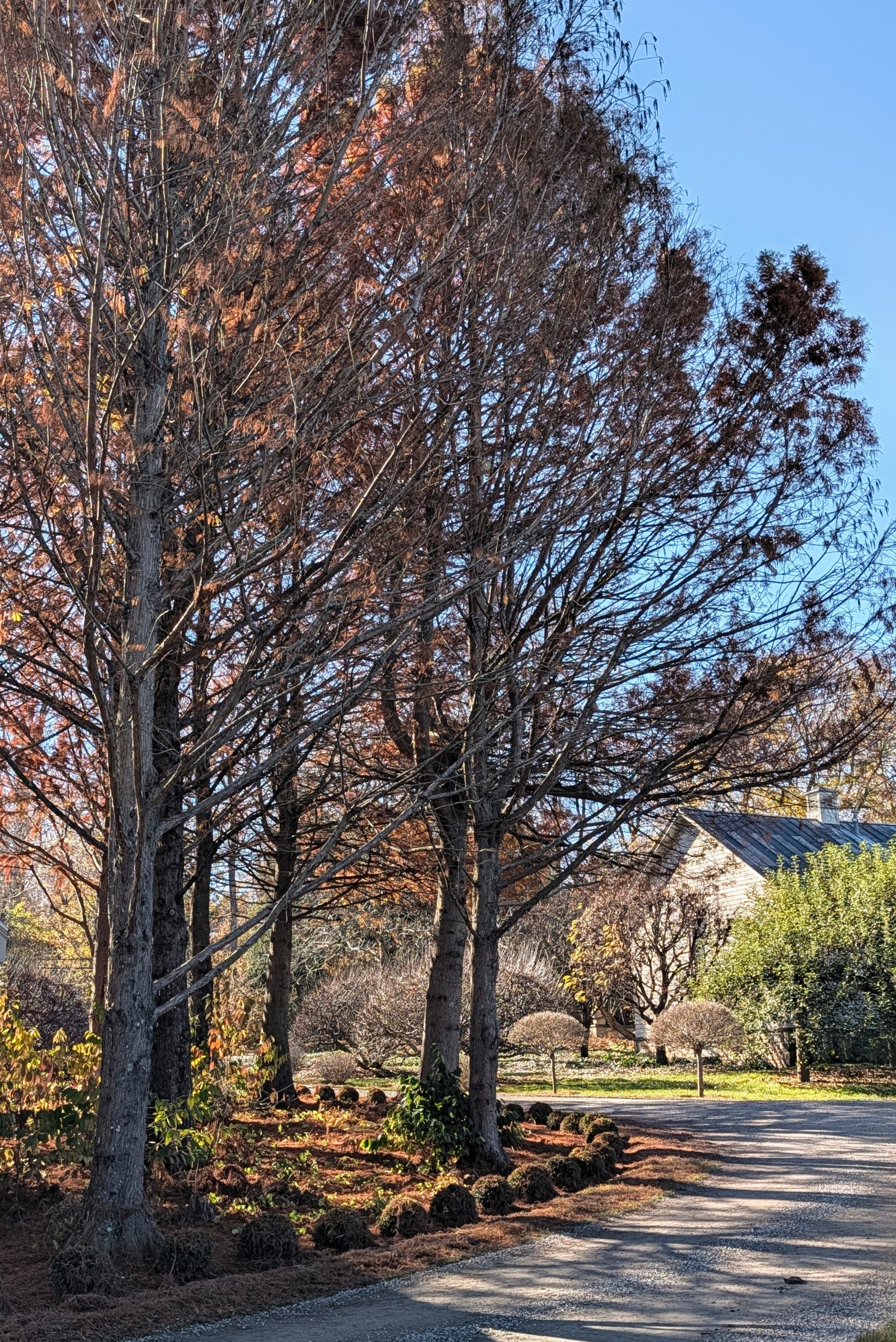
- The pergola is also just across the carriage road from my beautiful bald cypress trees with their russet brown colored fall foliage.
-
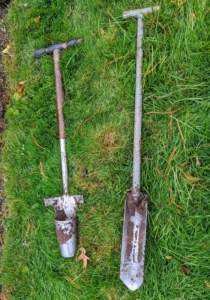
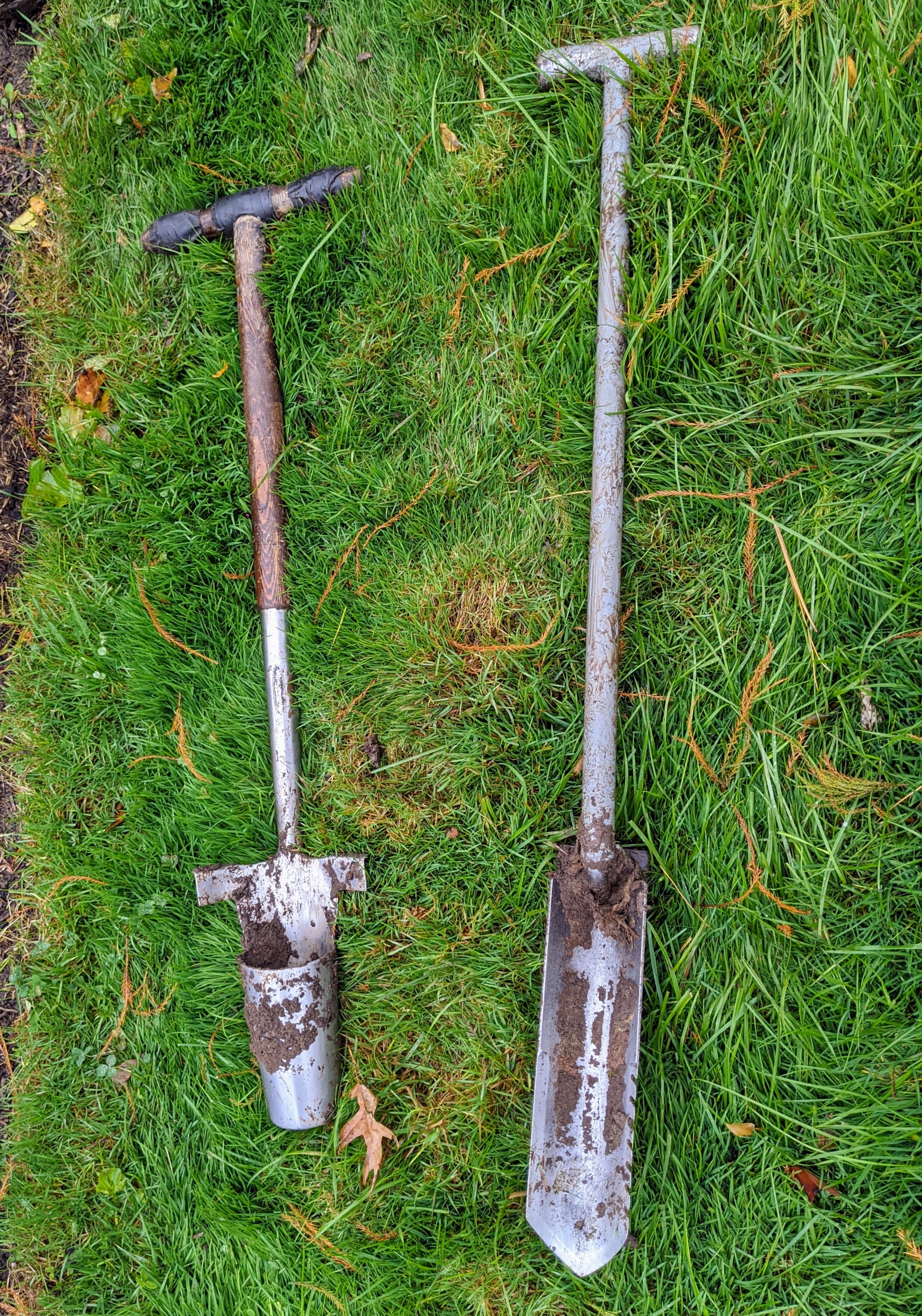
- There are several different tools used for planting bulbs depending on the size of the bulb. Here we have traditional long handled bulb planters made with powder-coated steel. The six inch barrel is perfect for planting most bulbs and has a 37 inch long handle for planting ease.
-
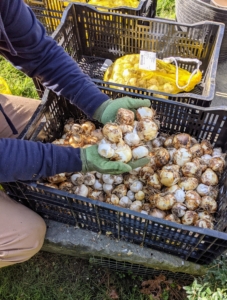
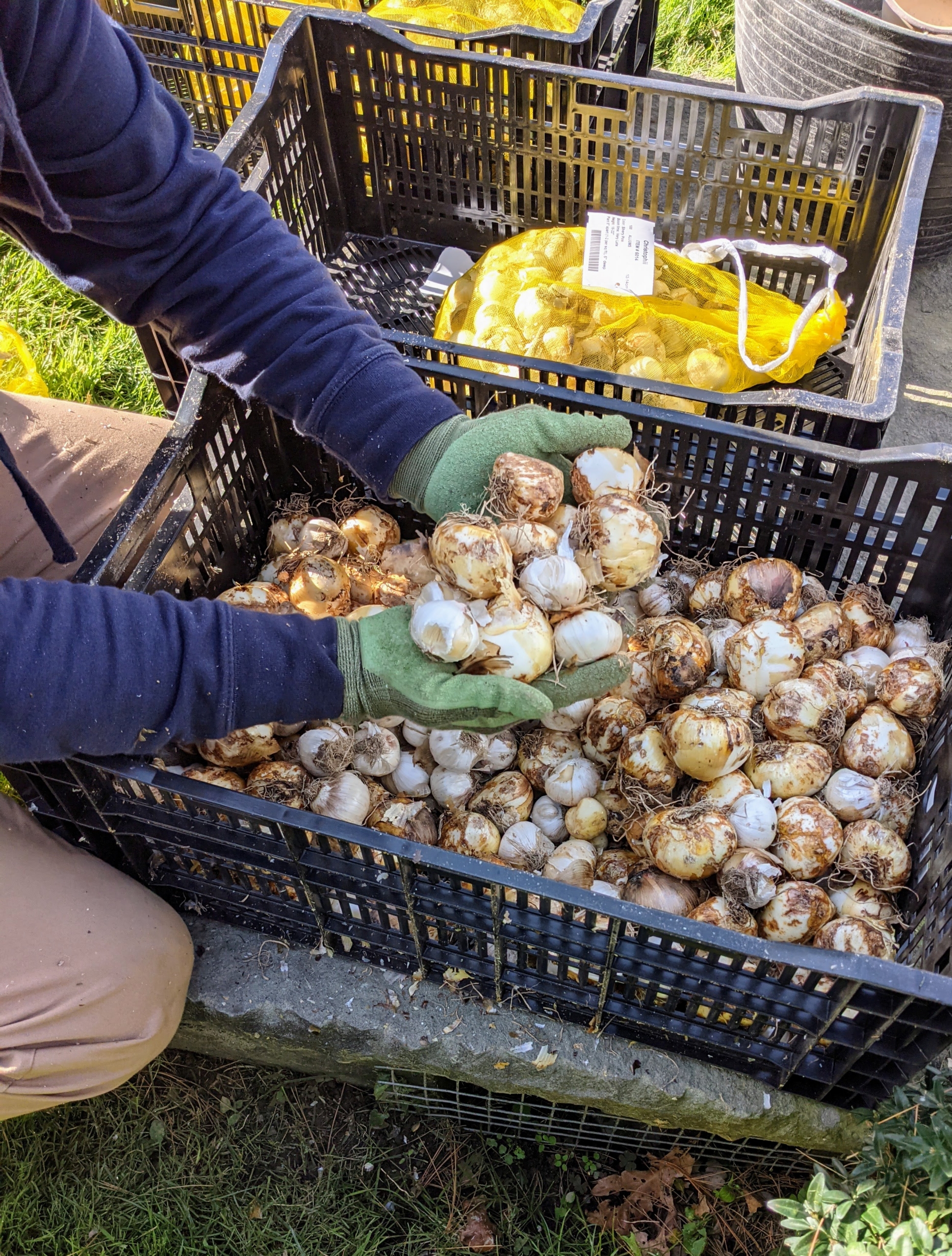
- This year, I’m planting lots of alliums. Among the varieties – ‘Ambassador’, Purple Sensation’, ‘Gladiator’, ‘Globemaster’, ‘Schubertii’, and ‘Christophii,’
-
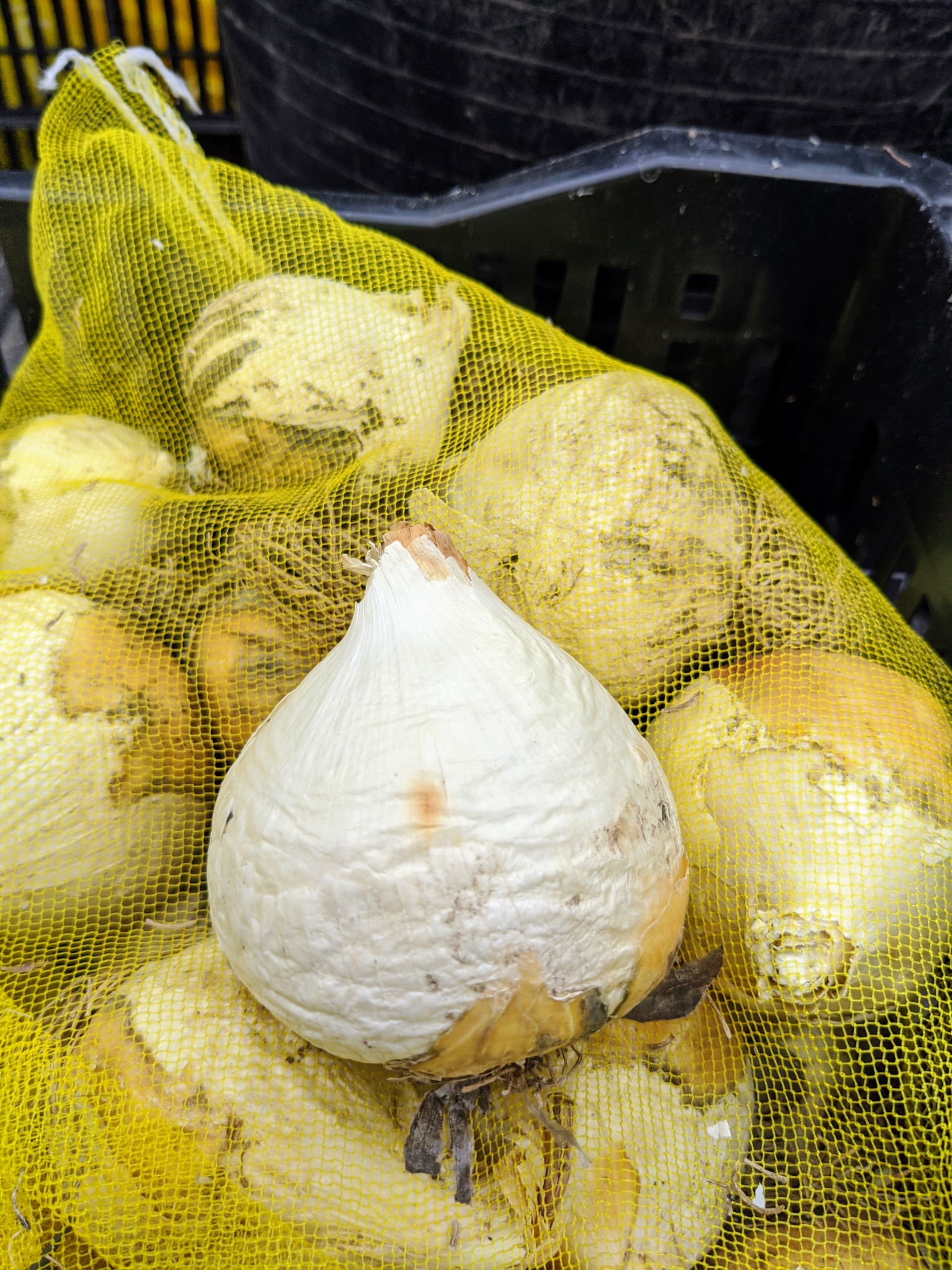
- When purchasing bulbs, always look for those that are plump and firm, and avoid those that are soft. These bulbs from Colorblends are in great condition. Bulbs come in a variety of sizes depending on the flower – the bigger the bulb the more time it has to grow and the bigger the flower bloom.
-
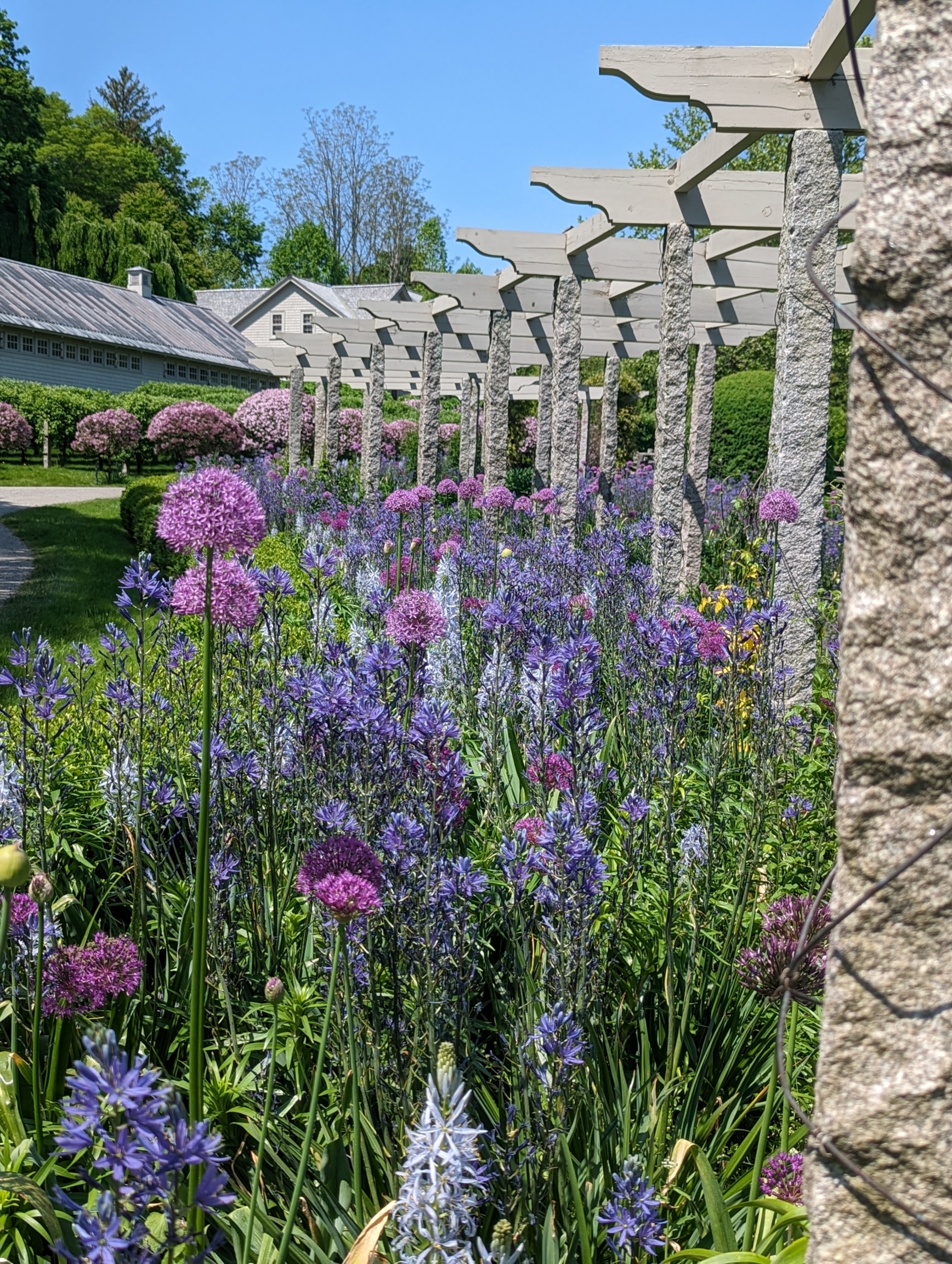
- This is my pergola garden in May with lots of Camassia, and several varieties of alliums blooming.
-
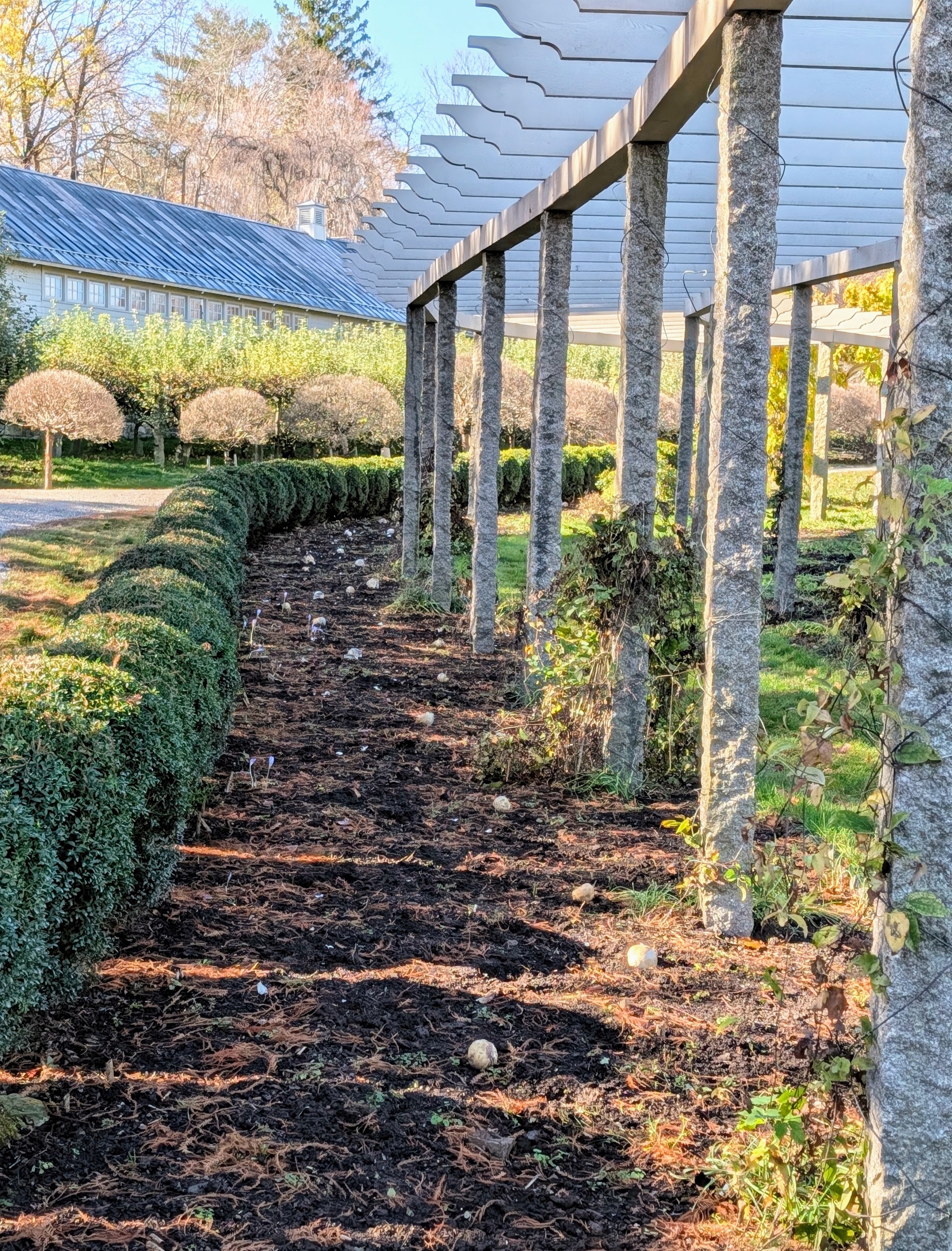
- When fall planting the alliums, Ryan tosses the bulbs naturally along the entire length of the pergola garden. Where they fall is where they will be planted.
-
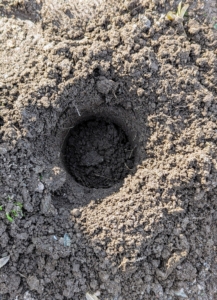
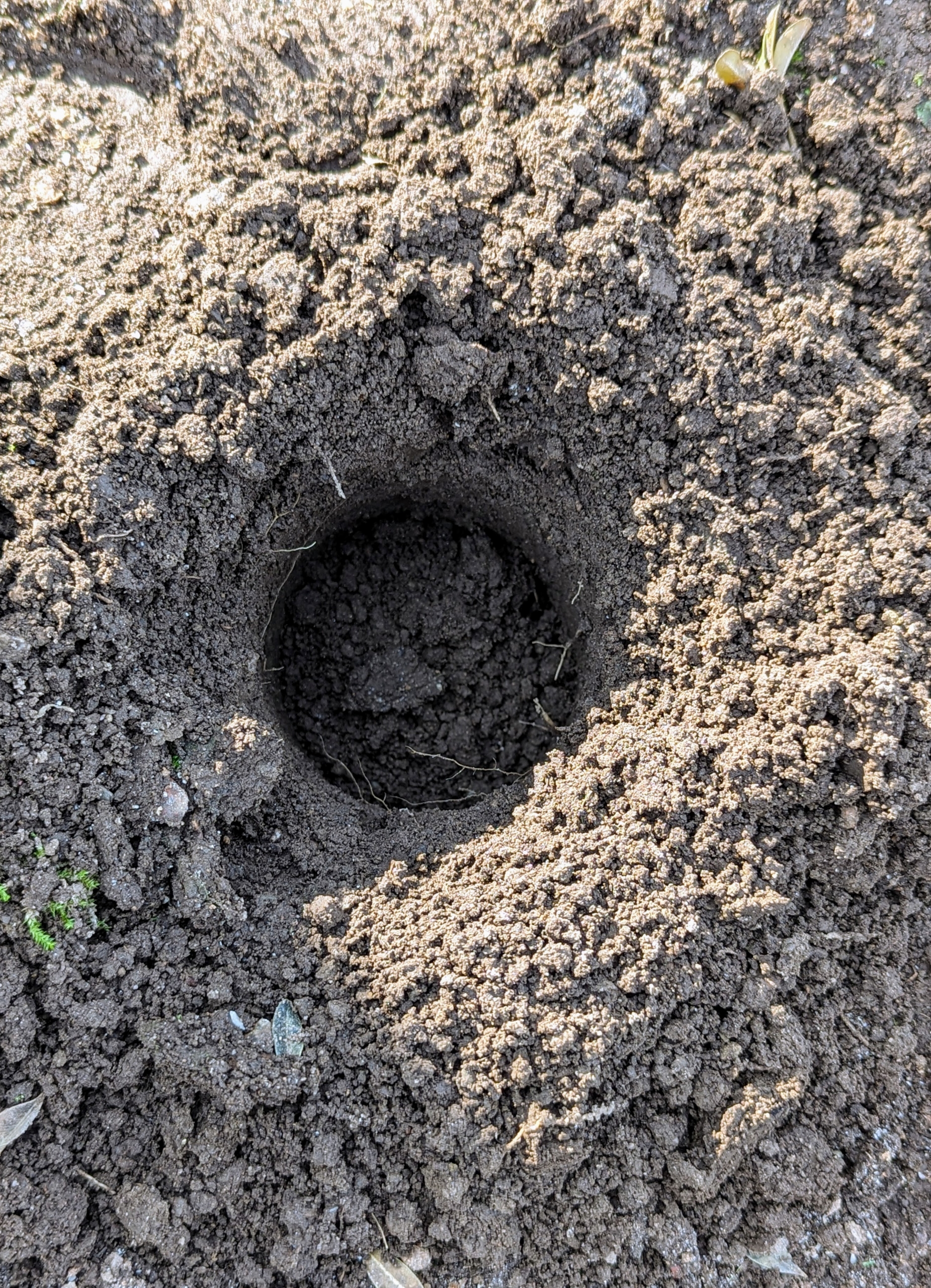
- This tool is best for planting larger bulbs that need to be buried at least six-inches deep. In general, holes should be three times deeper than the bulb’s length.
-
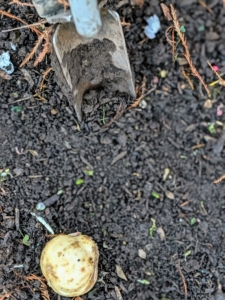
- Using the stand-up bulb planter, Phurba is able to make holes faster without kneeling. He makes a hole just next to where the bulb was tossed.
-
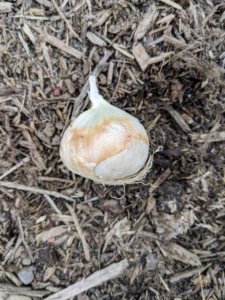
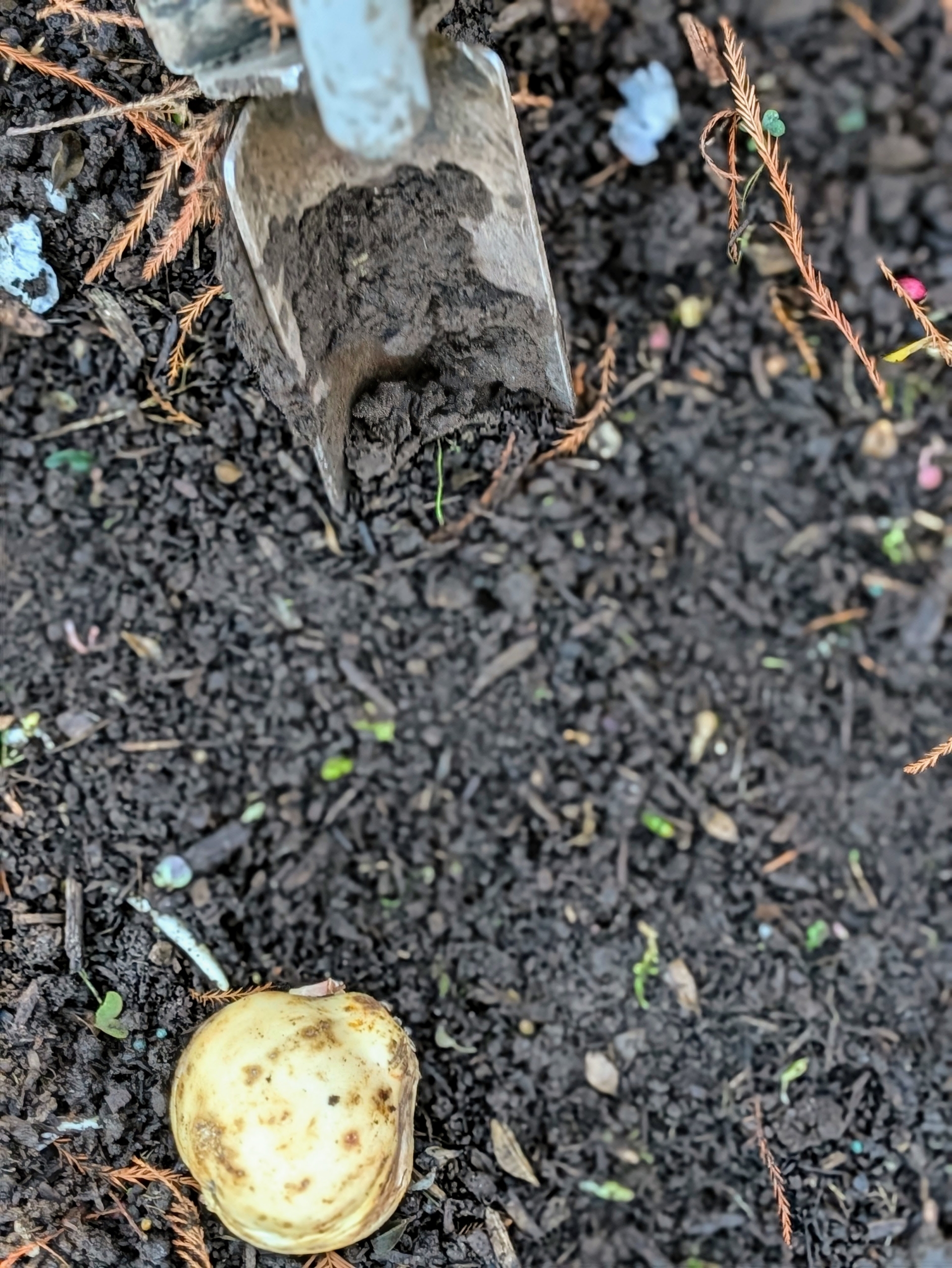
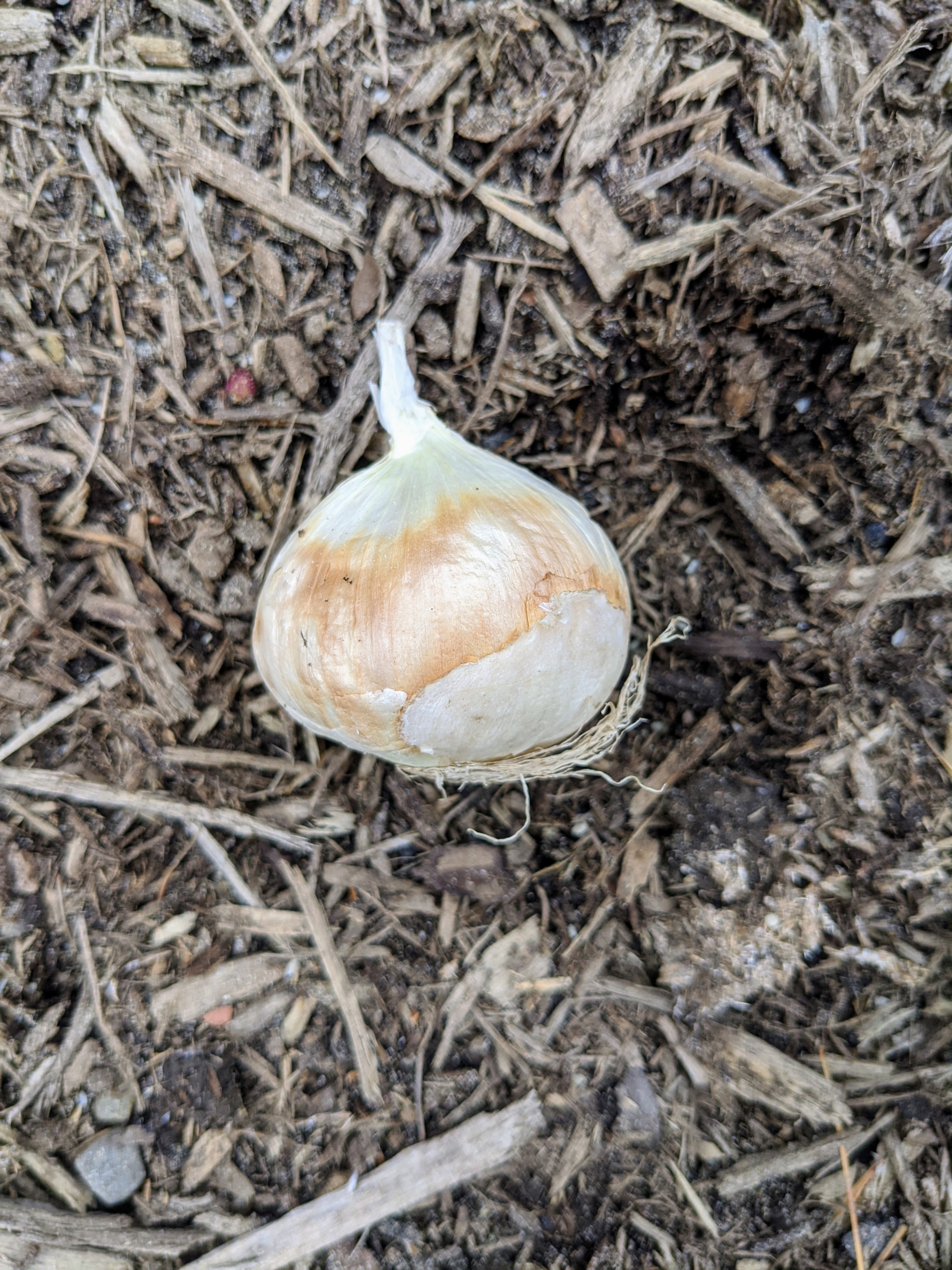
- This is one of the allium bulbs – it’s clear which end is the pointed top, and which end is the bottom.
-
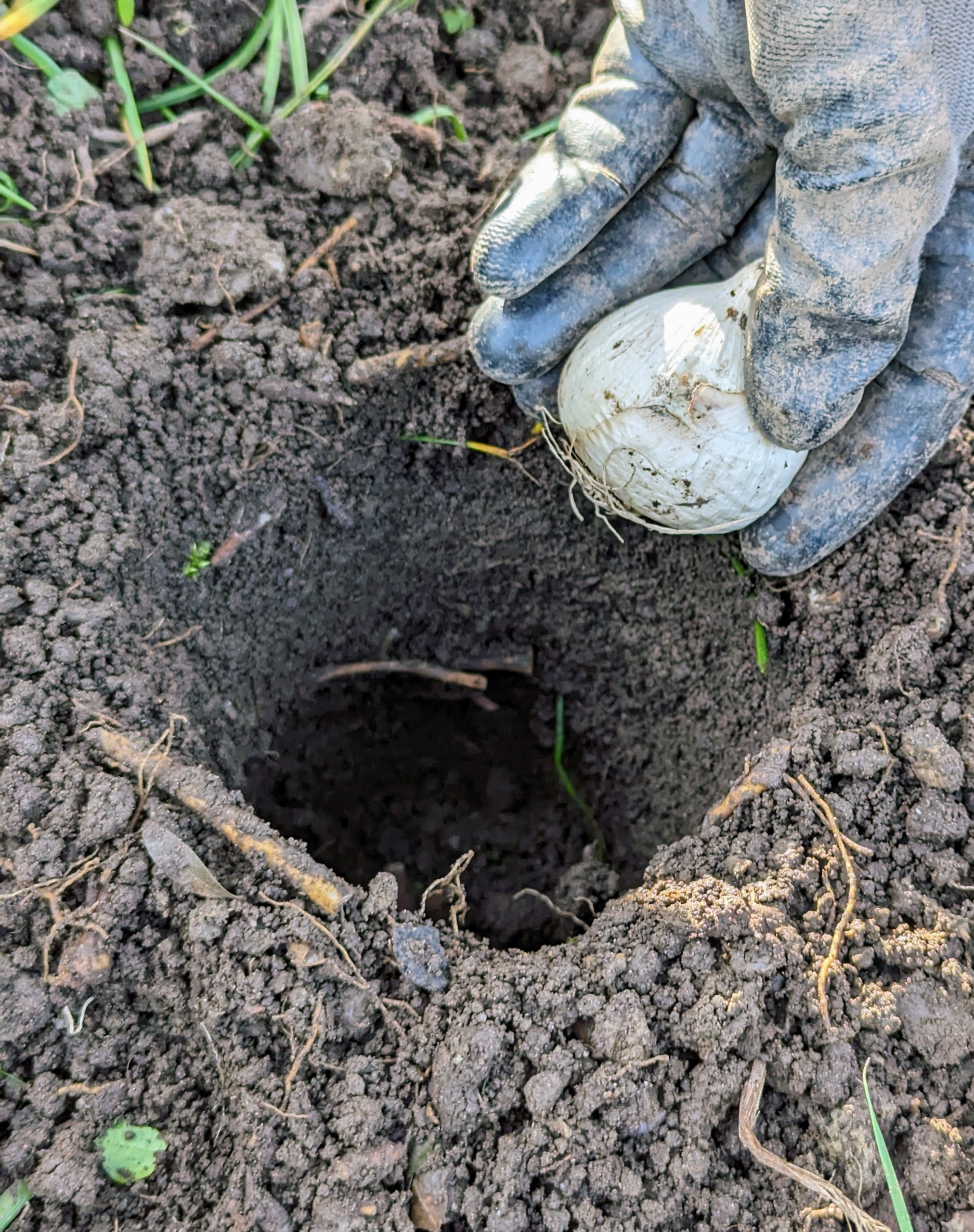
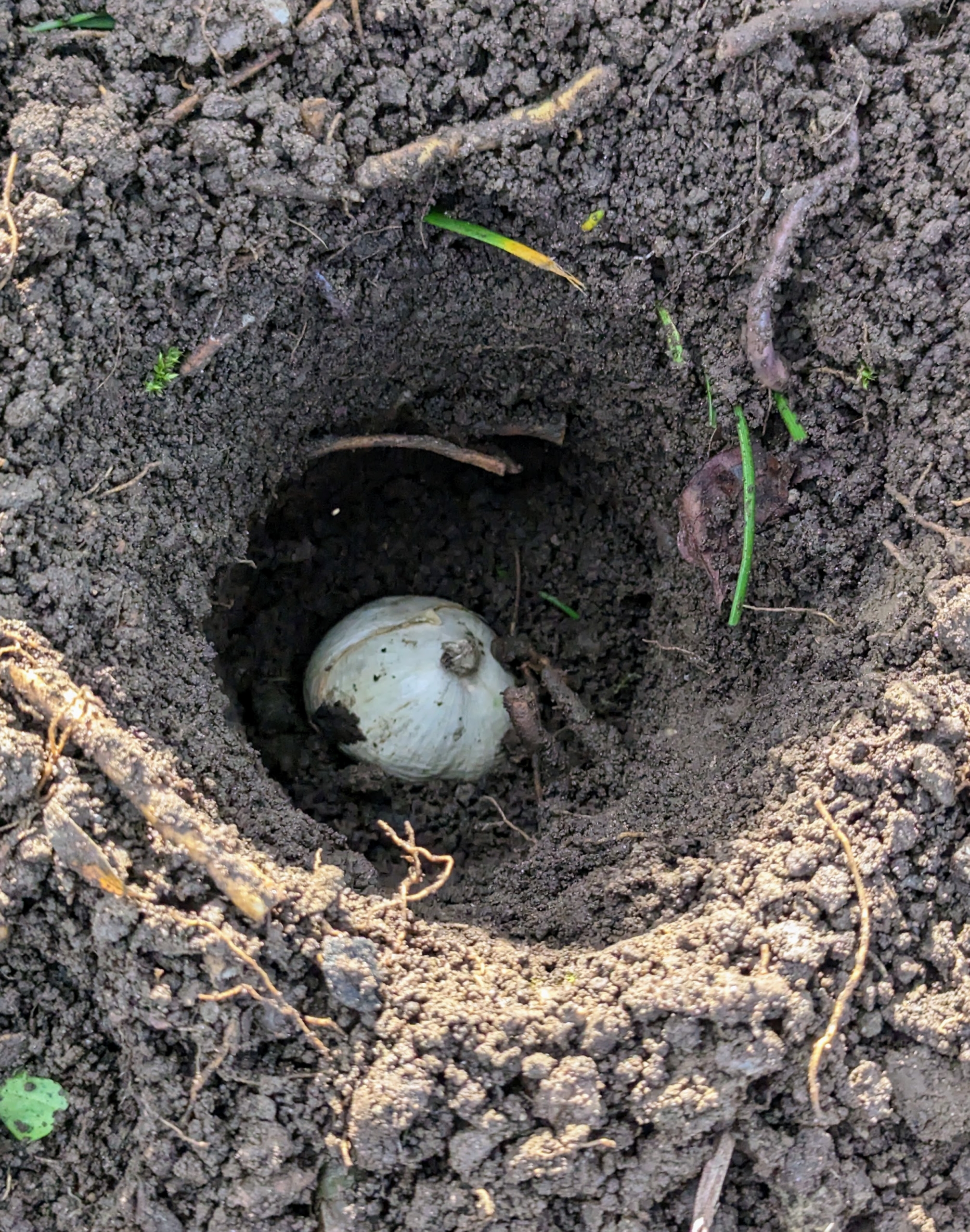
- One by one, each bulb is carefully placed into a hole, with the pointed end faced up, or root end faced down. This is very important, so the plant grows properly from the bulb.
-
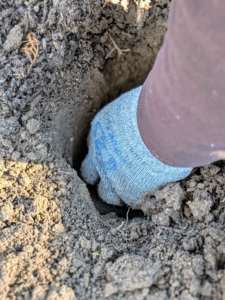
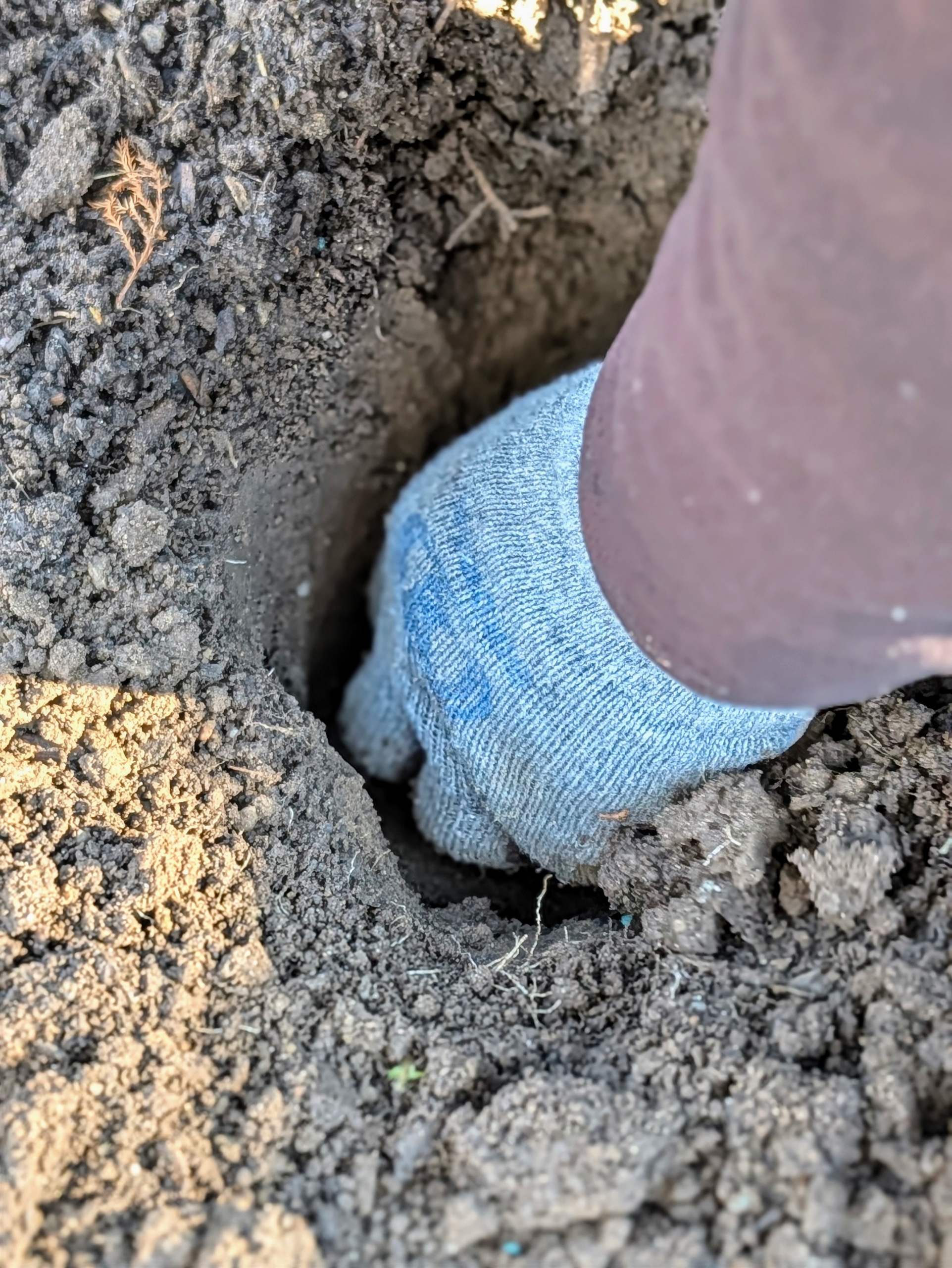
- There are already many other bulbs planted here, so Phurba is very careful when planting additional bulbs in this space.
-
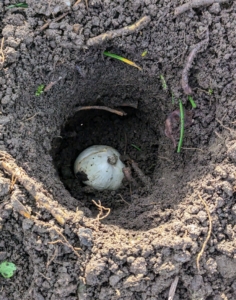
- Here is the bulb in its hole, properly positioned. Because the pergola garden is long, this bed needs hundreds of bulbs to fill it. Most bulbs do best in full sun with at least six hours of direct sunlight a day and well-drained soil.
-
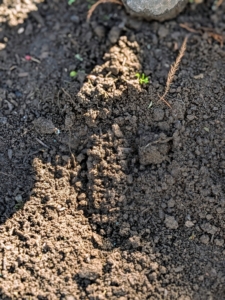
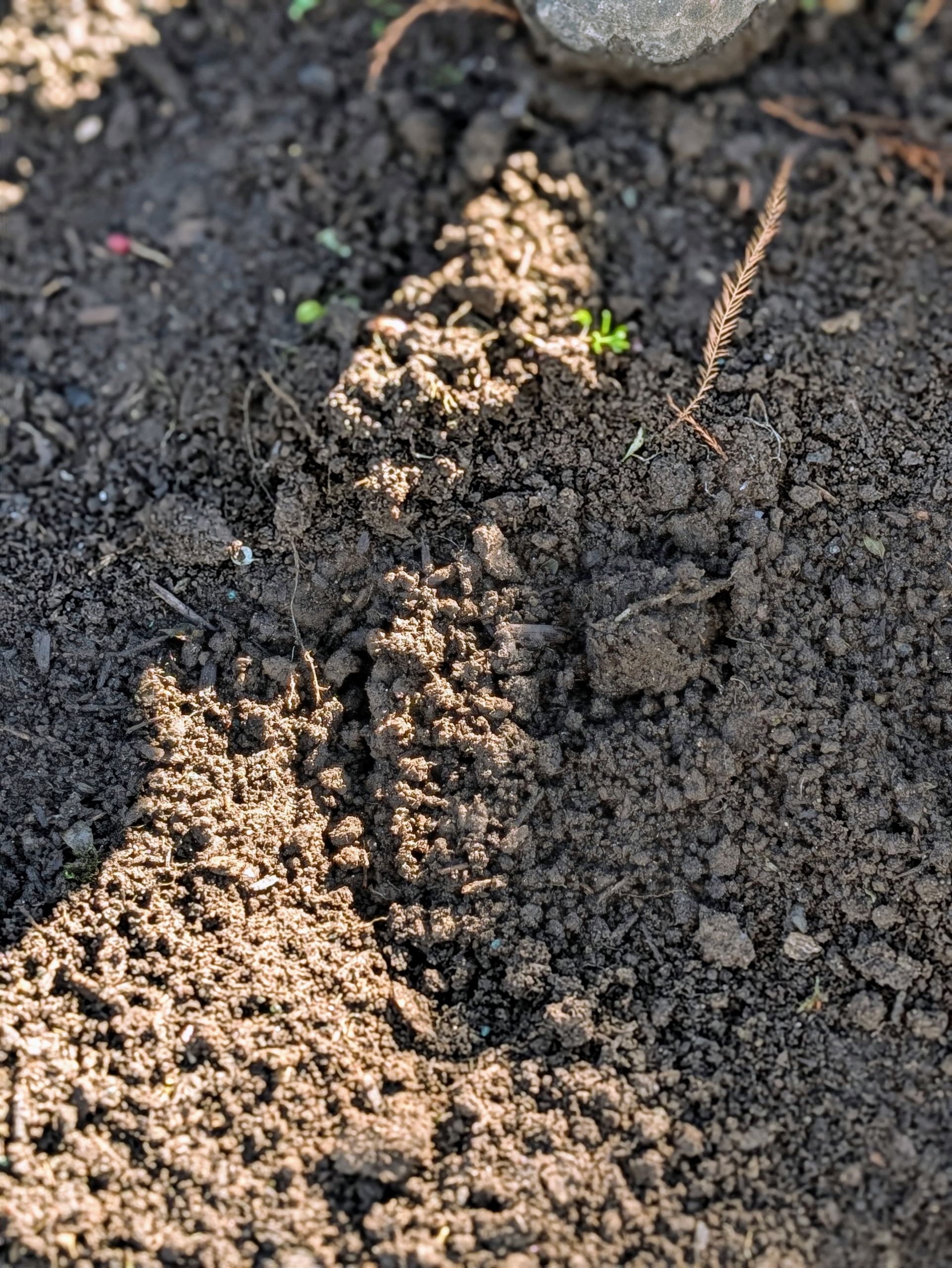
- Once in the hole, Phurba backfills and covers the hole with soil. The soil is soft and very workable.
-
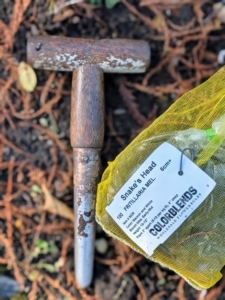
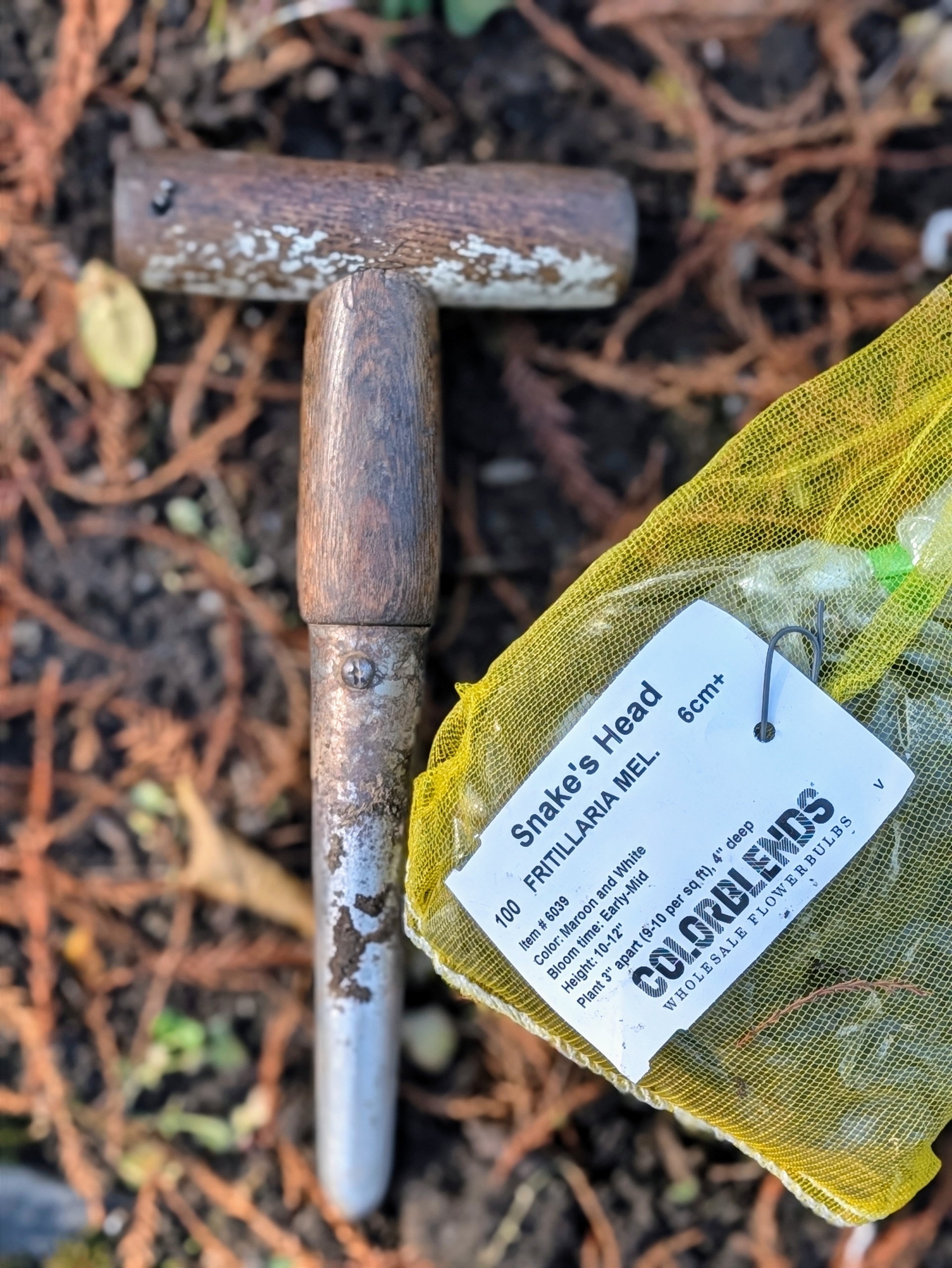
- In another area of the pergola, Phurba plants some Fritillaria ‘Snake’s Head’. These bulbs are smaller, so a dibber will work nicely for planting.
-
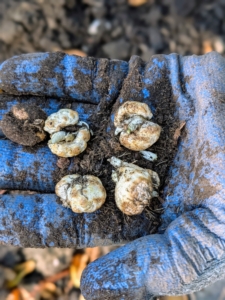
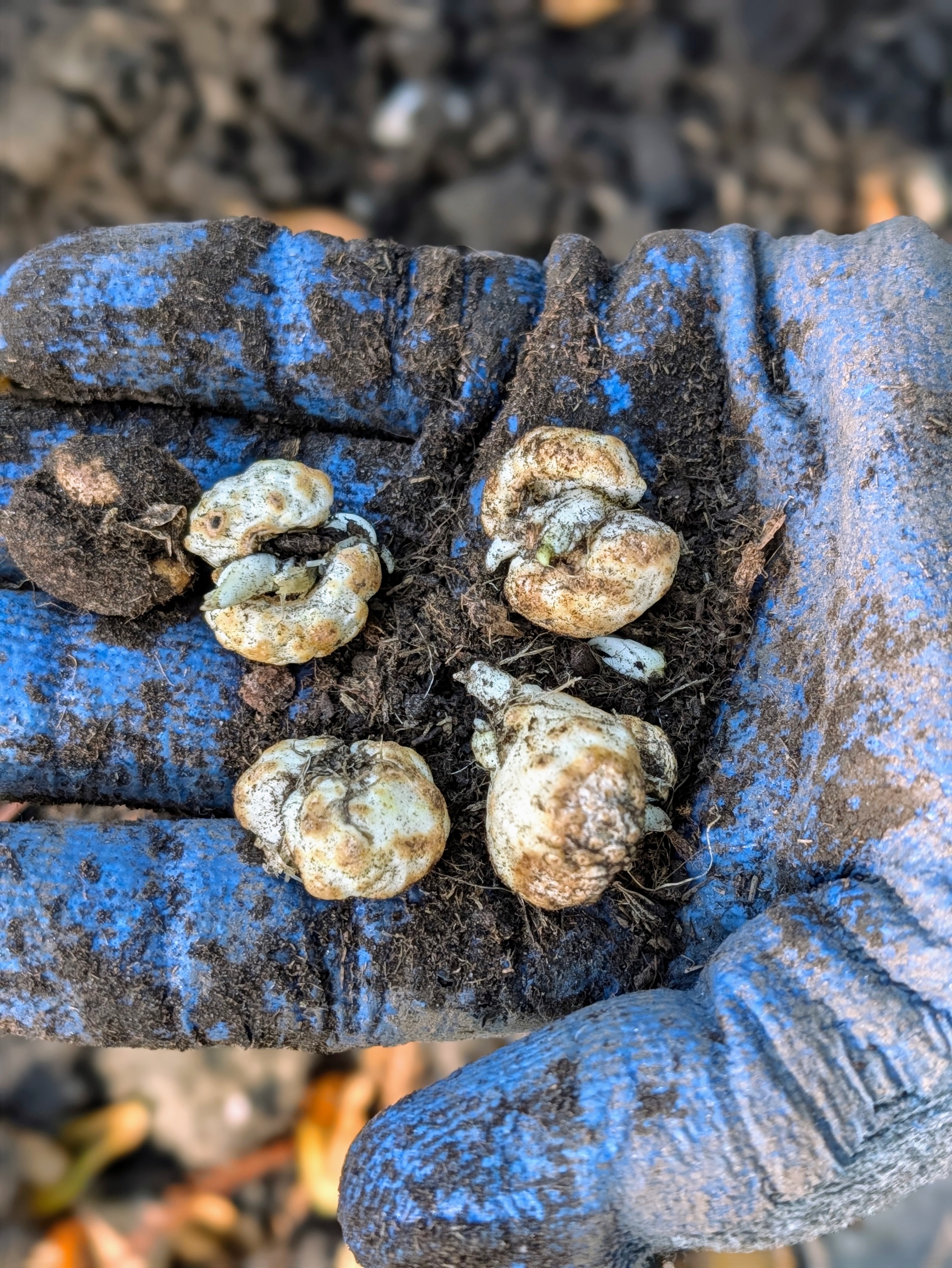
- Fritillaria bulbs are fleshy, ivory-to-tan, bulbs without the papery outer skin.
-
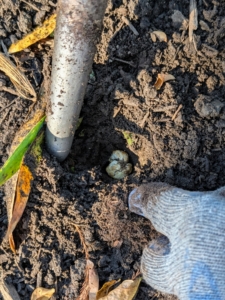
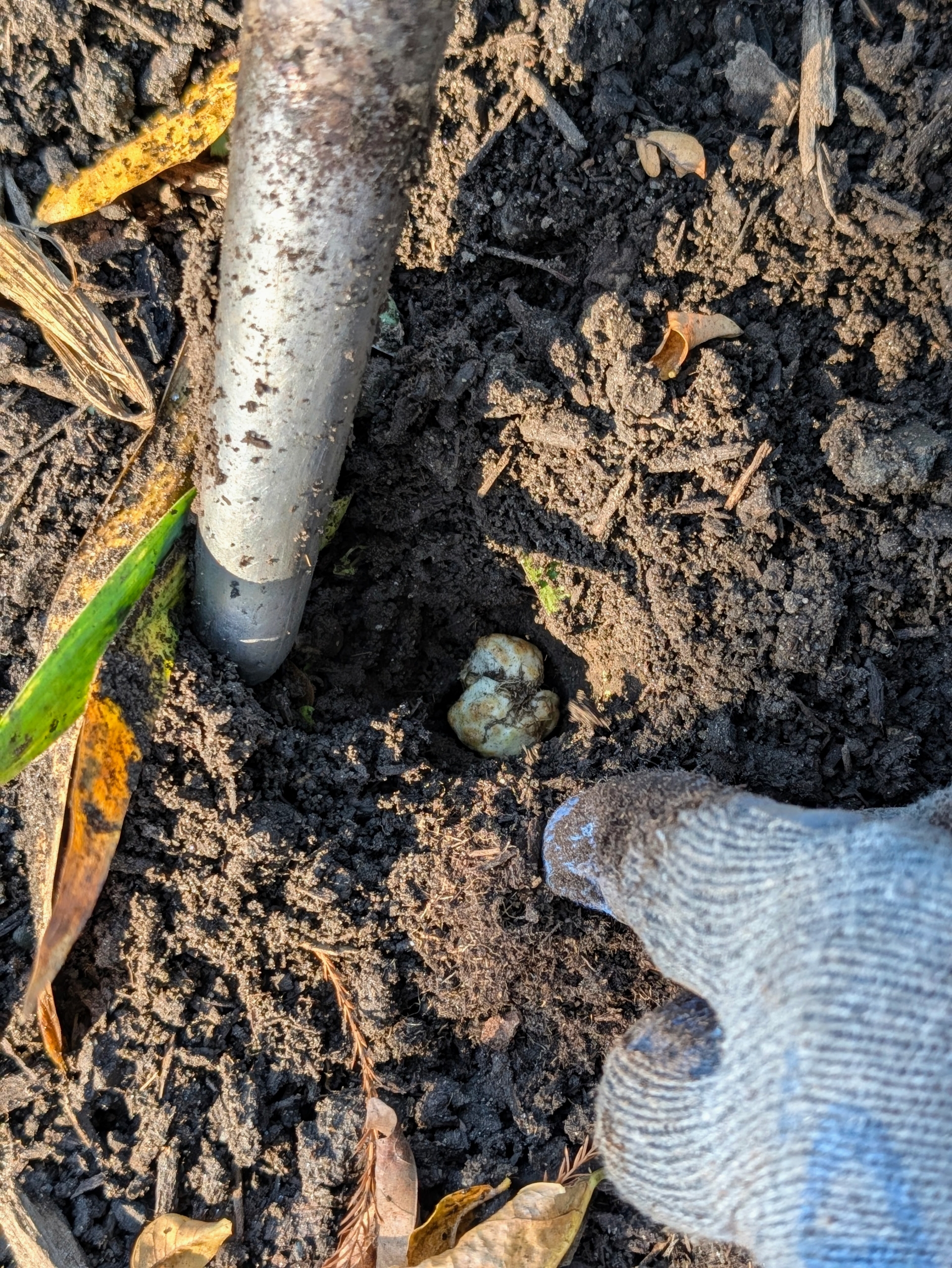
- Using the tip of the dibber, Phurba makes a hole about three inches deep and places the bulb into it – always point facing up.
-
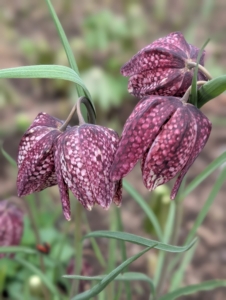
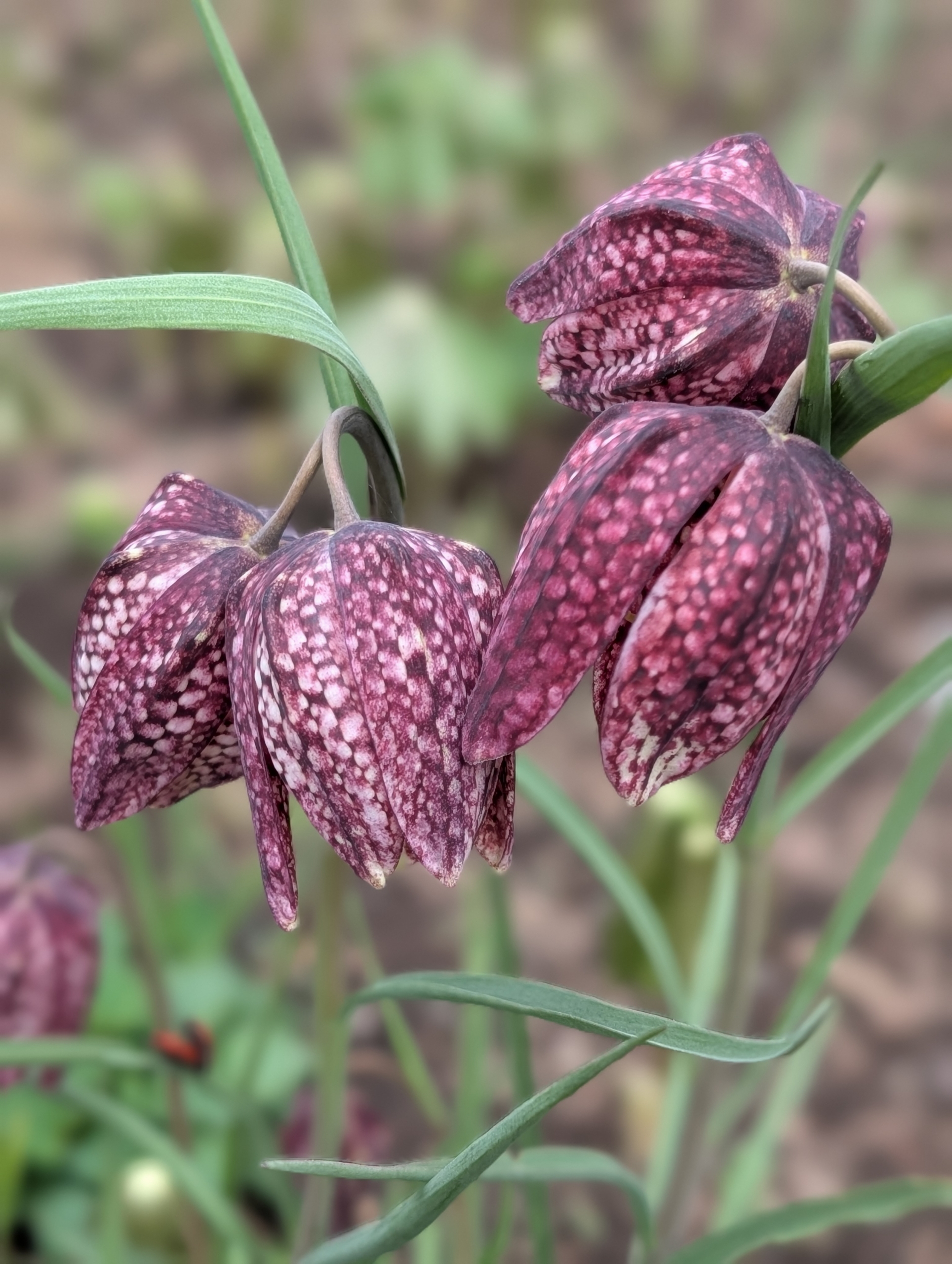
- In spring, they open to maroon, sometimes white, checkered bell-shaped blooms. I plant many of these around my farm.
-
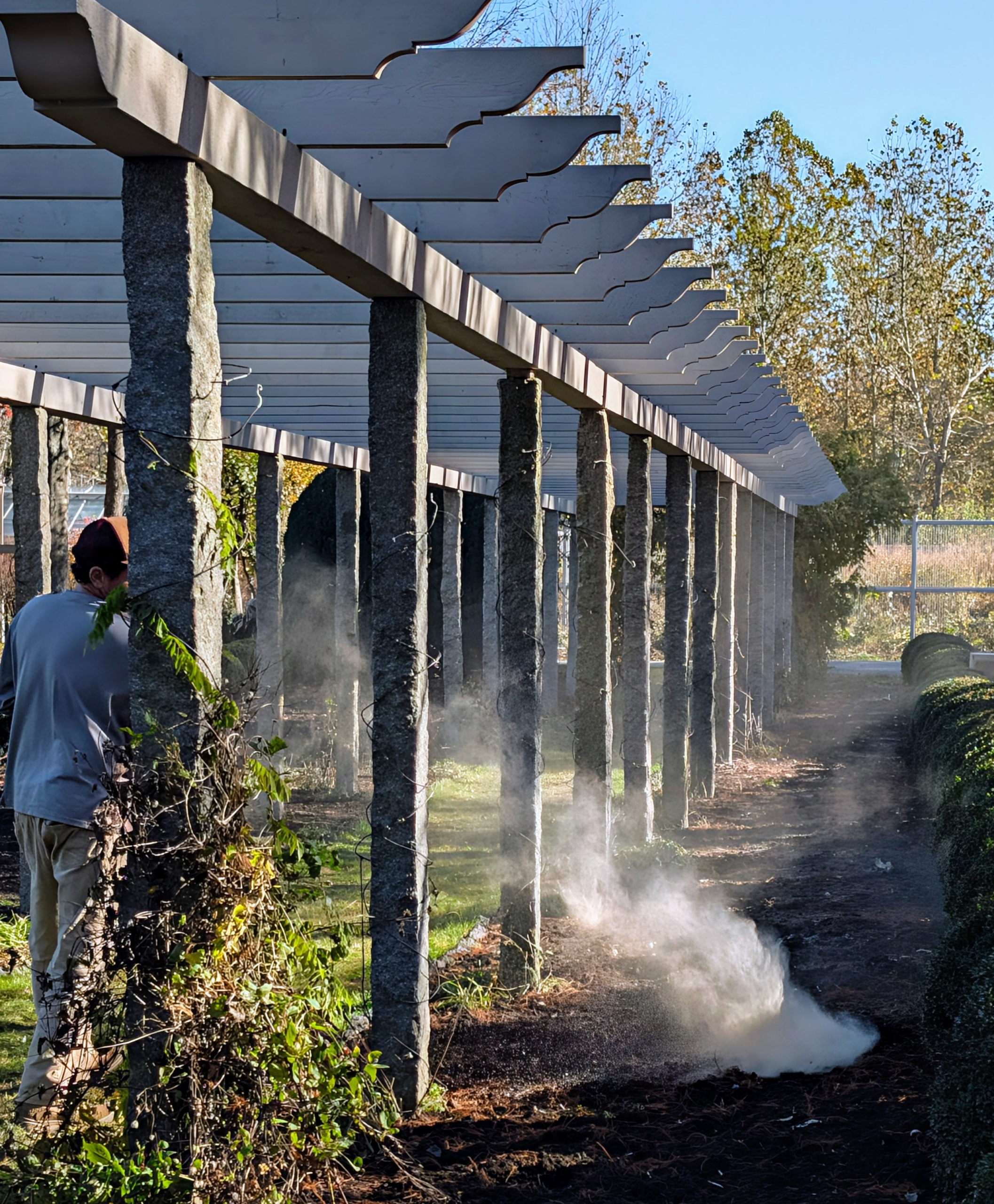
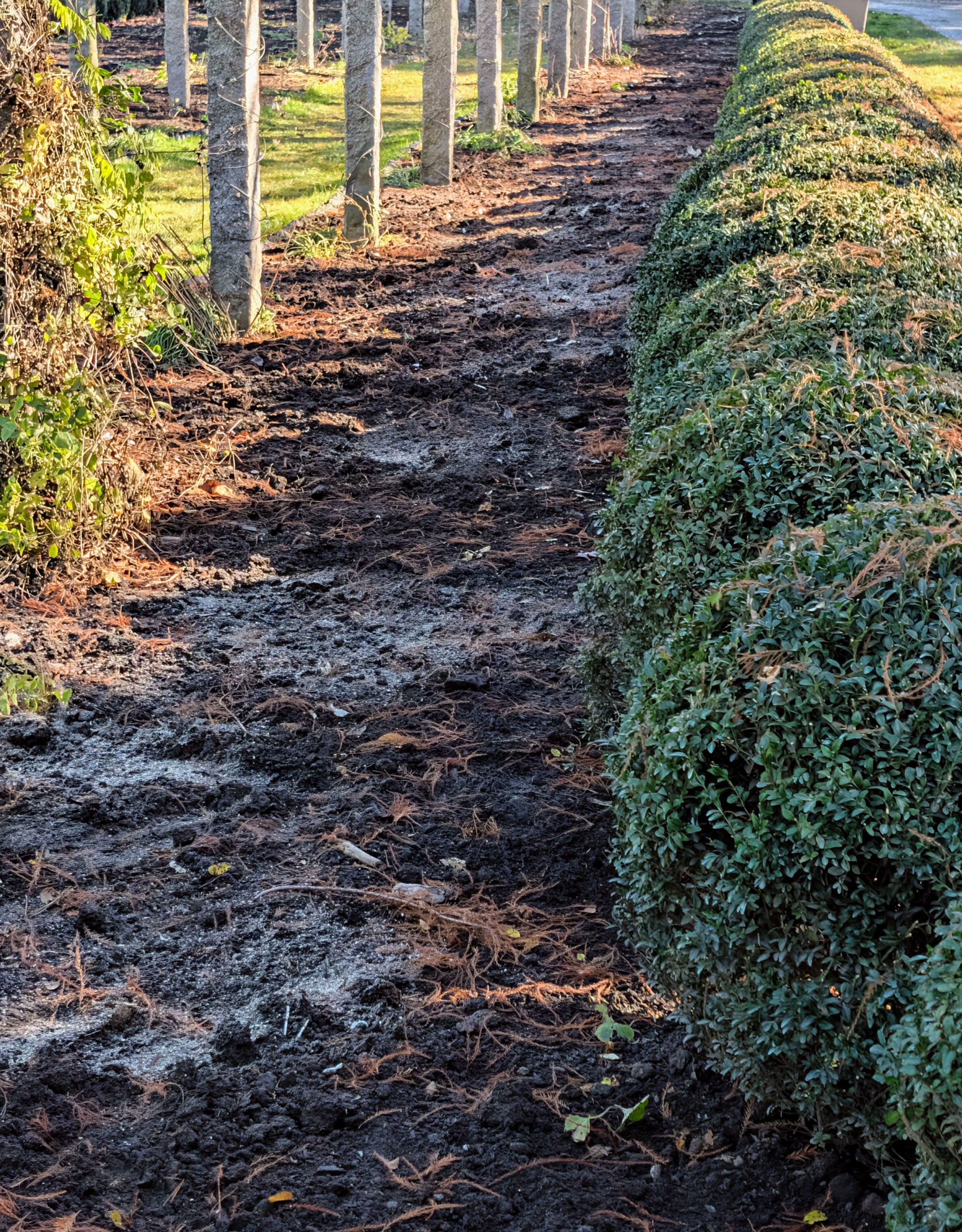
- Next, Ryan sprinkles a generous amount of fertilizer over the entire bed. The food should be a balanced fertilizer that has a good amount of phosphorous. Fertilizing spring-blooming bulbs also helps them fight off diseases and pests.
-
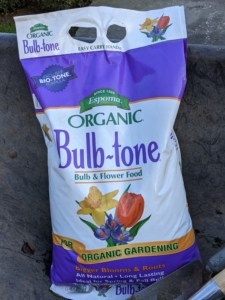
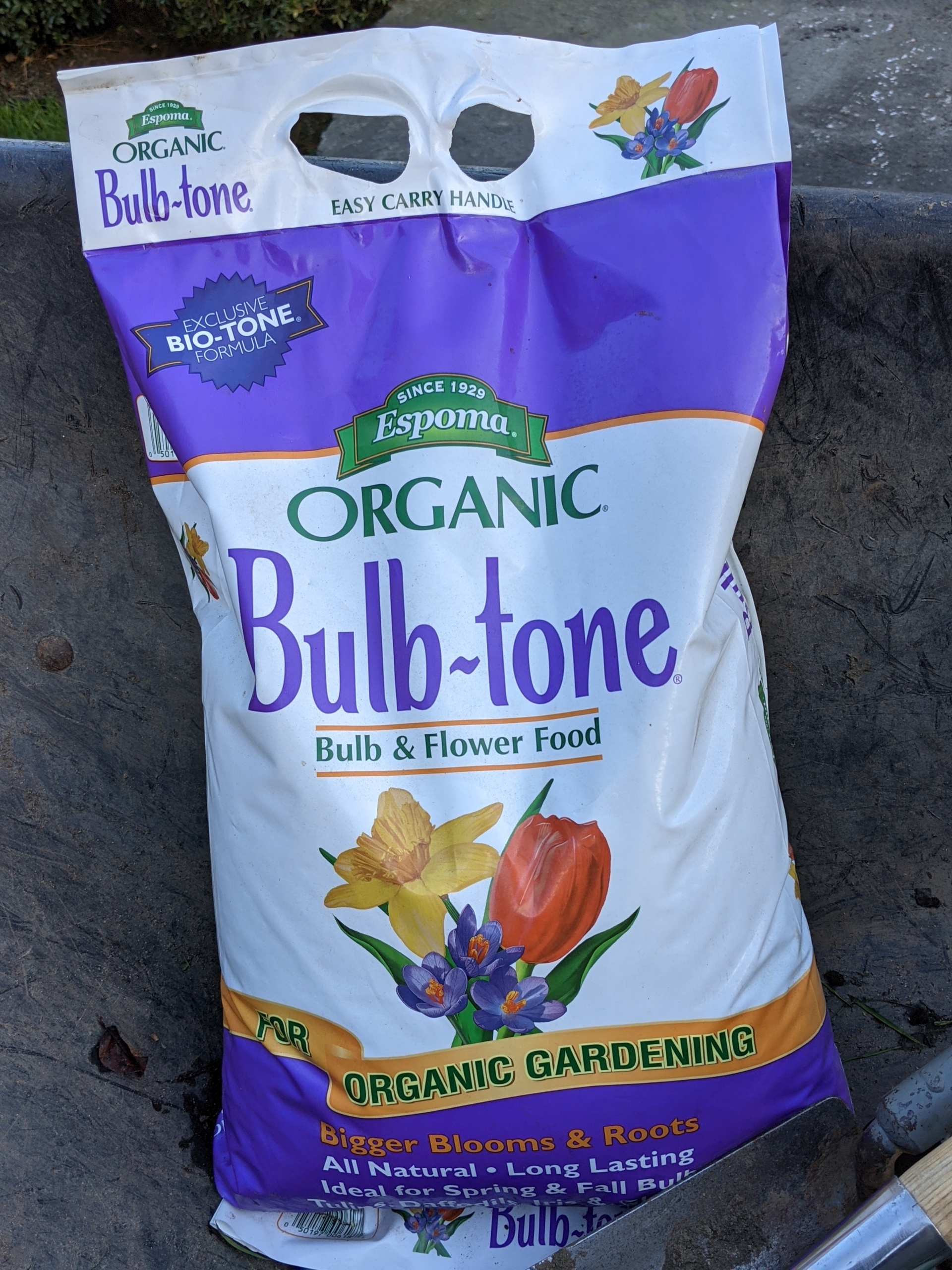
- For planting bulbs, I add Bulb-tone to the already nutrient-rich soil.
-
- Bulb-tone is a slow-release organic fertilizer, 3-5-3, that breaks down gradually through moisture and soil to feed bulbs over time.
-
- I am glad the weather has allowed us a good head start this season. I cannot wait to see the fruits of our labor, and the swaths of color that will emerge in spring. Happy bulb planting!
This story originally appeared on Martha Stewart Blog

