


Getting denied for a credit card is one of the most frustrating experiences in personal finance. You meet the income requirement, you have a job, you pay your bills on time, and you still get a rejection letter with no useful explanation.
I’ve heard this story from readers more times than I can count over the past year. Lenders have been tightening their approval criteria across the board, and the result is that perfectly reasonable applicants are getting shut out of cards they’d have no trouble managing.
Secured credit cards are the most reliable way around this problem. They let you put down a refundable deposit, get approved with near certainty, and earn the same rewards as any other cardholder. If you’re building credit for the first time, rebuilding after a rough patch, or just tired of unexplained rejections, this guide covers everything you need to know.
What Is a Secured Credit Card?
Secured credit cards work almost exactly like regular credit cards, except you need to leave a cash deposit at the issuing bank to cover your entire credit limit. For a $1,000 limit, the bank holds a $1,000 deposit.
You can effectively set your own credit limit based on the size of your deposit. If you try to spend over your limit, the transaction will be declined.
From the bank’s perspective, the risk is essentially zero. If you default, they keep the deposit. That guarantee is what makes them willing to approve applicants they’d otherwise turn away.
Some issuers, typically smaller ones, have specific products marketed as secured cards. Many don’t carry rewards, like the Home Trust Secured Visa with no annual fee. Others offer rewards or low interest rates, but charge an annual fee.
Larger banks take a different approach. Instead of dedicated secured products, they’ll let you secure one of their regular credit cards with a deposit.
How the deposit is held varies by bank. Some treat it as a locked balance in a chequing account. If you have $2,000 in chequing and $500 is securing a card, your spending power in that account drops to $1,500.
Some banks also let you keep the deposit in an interest-bearing account like a GIC, which is a nice touch while the money sits idle.
How Do Secured Credit Cards Work?
Once your deposit is in place, a secured credit card works exactly the same as any other credit card. You won’t notice a difference in day-to-day use.
You make purchases up to your monthly credit limit. At the end of each billing cycle, you receive a statement. Pay the full balance before the due date to avoid penalties and interest.
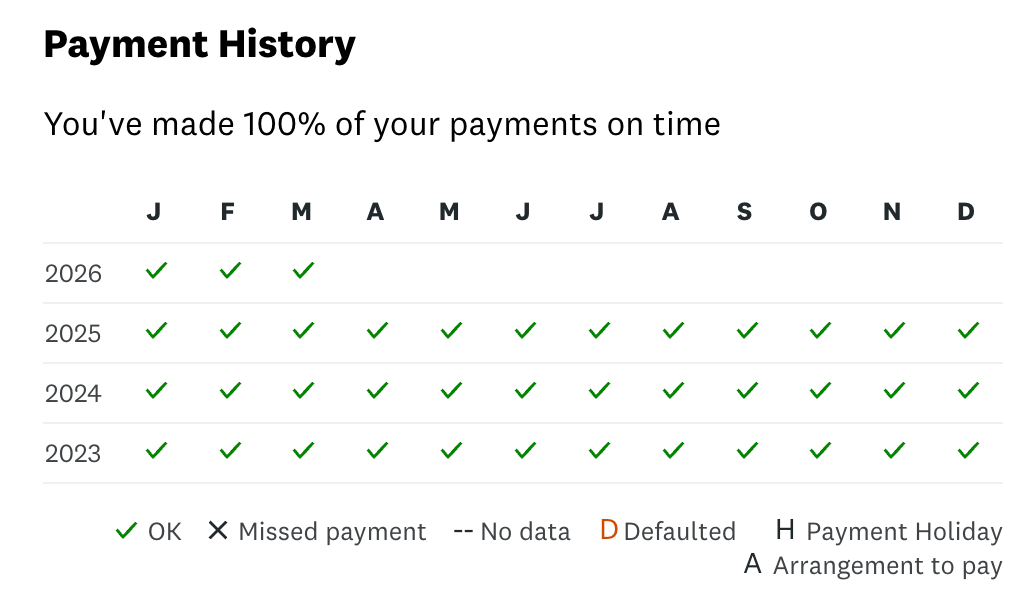
You must make at least the minimum payment to maintain a positive report with the credit bureau. Like any other card, late payments will hurt your credit score.
If you don’t pay in full, a portion of your deposit covers the interest, and your limit shrinks accordingly.
After 6–12 months of responsible use, your issuer will typically unlock your deposit and upgrade the card to an unsecured product. At that point, or earlier if you close the card, you get your deposit back.
Who Should Get a Secured Credit Card?
Regular credit cards are unsecured. The bank trusts you to repay based on your track record, and if you default, they pursue collections. They’re willing to take that risk because your credit history shows you’re reliable.
If you have poor credit or no history at all, that trust doesn’t exist yet. In particular, anyone without a credit history, students, new immigrants, or people recovering from past debts will find it difficult to get approved on a promise alone.
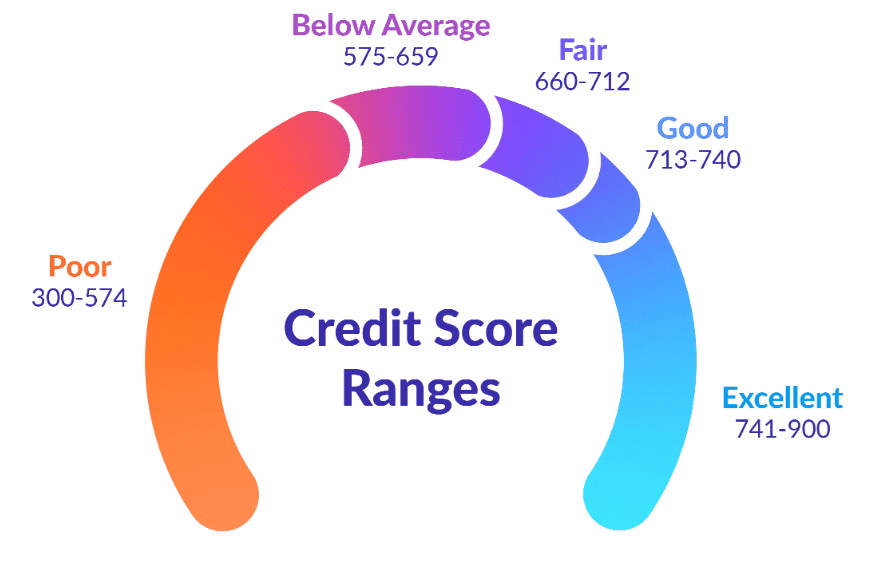
Secured credit cards are one of the best ways to build or repair your credit. They report to the credit bureaus and contribute to all of the same factors as unsecured cards: payment history, utilization, and age of accounts.
Many secured cards are marketed specifically at people with poor credit. Banks advertise guaranteed approval, a minimum credit score of 300, or eligibility right after a bankruptcy discharge.
If you’re struggling to get approved through normal channels, a secured card will help. Most people see a significant credit score improvement within 12–18 months.
Why Secured Cards Matter More Right Now
Over the past year or so, I’ve noticed a clear shift in how Canadian banks handle credit card applications. Approval criteria have tightened noticeably, and it’s not just affecting people with weak credit files.
I regularly hear from readers who meet every stated requirement on paper and still get declined. The income threshold is met, the credit score is healthy, and the application is clean. Yet the answer comes back no.
Banks use internal scoring models that go well beyond what’s on your credit file. Factors like your existing relationship with the bank, total credit exposure across all lenders, and even how many recent applications you’ve made all play a role. None of this is transparent to the applicant.
This is where secured cards become useful even for people who shouldn’t “need” one. If a bank declines your unsecured application, asking about a secured version of the same card can get you through the door. You still earn the same rewards, you still get the same perks, and the bank’s risk drops to zero.
It’s a pragmatic solution. You pay the annual fee, you put down the deposit, and you walk away with the card you actually wanted. The alternative is an unexplained rejection and nothing to show for it.
How to Benefit from a Secured Credit Card
The primary reason to get a secured card is to build a positive relationship with the issuing bank and improve your credit score, particularly if you’re having trouble getting approved elsewhere.
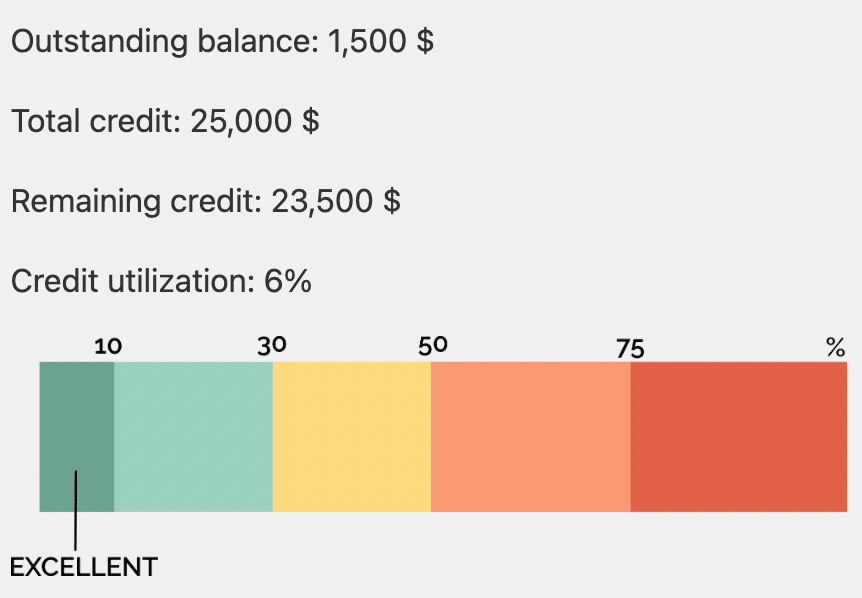
The bank wants to see responsible use. Keep your utilization low by using the card for small, routine purchases like coffee or groceries, then pay the statement in full each month.
As a general rule, try to keep your monthly statement balance under 30% of your credit limit.
Your long-term banking relationships and credit health take priority over short-term spending power. A strong foundation now translates to bigger rewards on better cards later.
In fact, a good relationship with a specific bank is arguably more important than your credit bureau score. The bank is the one deciding whether to lend to you. They’re the party you need to convince.
A healthy credit file helps you carry that trust from one bank to the next. Fortunately, you can build both at the same time.
Which Issuers Offer Secured Cards?
If you’re looking for a dedicated secured card product, your options in Canada are more limited than you might expect. Most of the Big Five banks have either discontinued their secured cards or only offer them quietly through in-branch conversations.
BMO is one exception. They’ve been known to offer secured versions of their regular cards in-branch, and in some cases will award the full welcome bonus and regular earning rates. It’s not advertised online, so you’ll need to speak with an advisor directly.
For a straightforward, no-questions-asked secured card, Capital One’s Guaranteed Secured Mastercard is the most accessible option. It’s designed specifically for credit building, comes with guaranteed approval, and reports to both credit bureaus monthly. It won’t earn you travel rewards, but it gets the job done if your priority is establishing a clean credit file.
Neo Financial: A Model Worth Watching
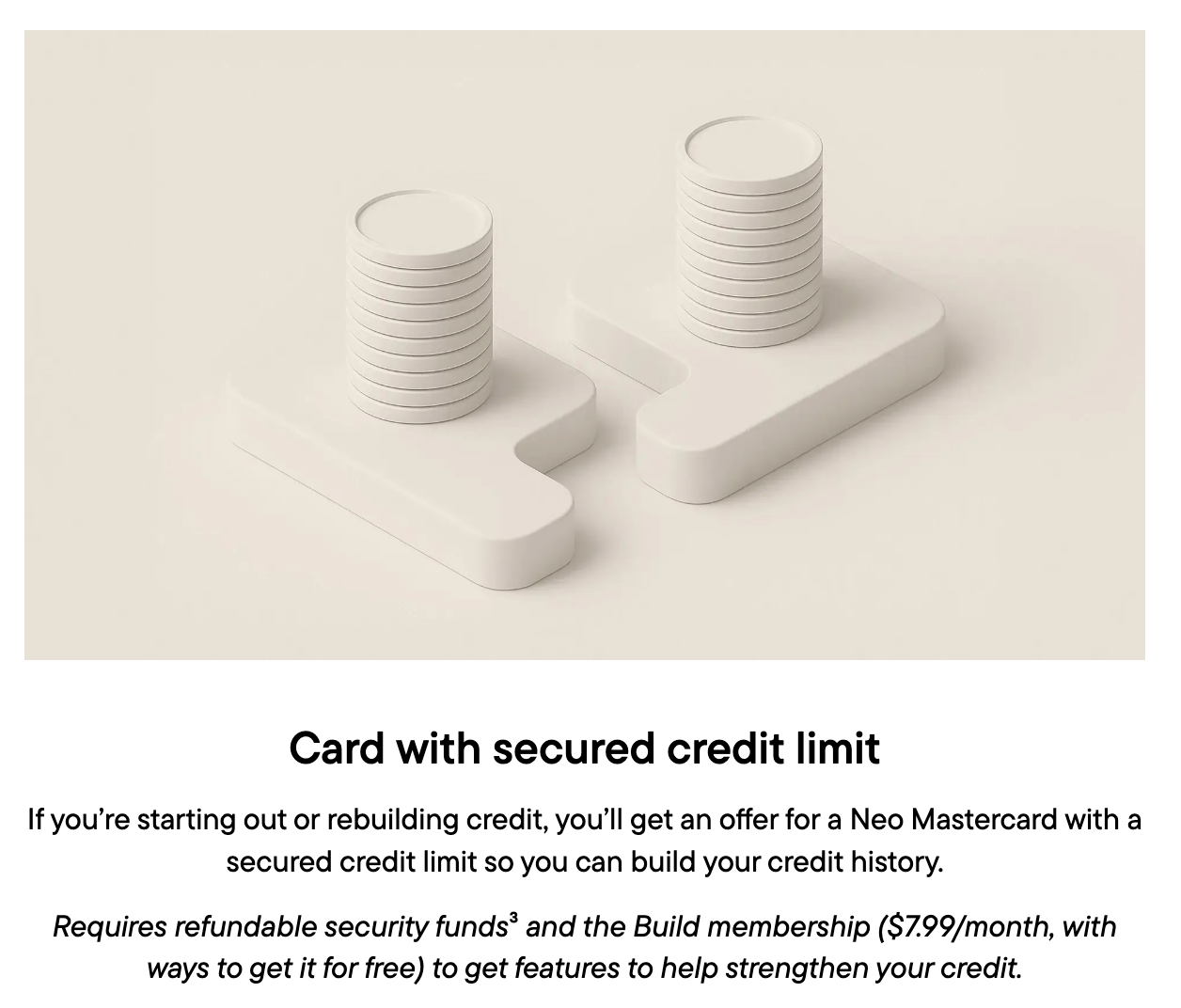
One issuer that’s taken a different approach entirely is Neo Financial. Rather than offering a single “secured card” product, Neo allows most of its credit cards to be opened as secured versions.
This is a big deal. It means you’re not limited to a stripped-down, no-rewards product just because you need to put down a deposit. You can get a card with real benefits, a real welcome bonus, and real earning potential, all while building your credit.
Interestingly, Neo doesn’t prominently advertise this on their website. You won’t find a dedicated “secured cards” page or any marketing around it. The option only surfaces during the application process if you don’t meet the standard approval criteria.
It’s a bit of a missed opportunity, in my opinion. If I were Neo, I’d be shouting this from the rooftops. The ability to secure any card in your lineup is a real competitive advantage, especially in a market where rejections are becoming more common. Making it easier for applicants to discover upfront would go a long way.
The Cathay World Elite® Mastercard® – powered by Neo is a good example. It offers up to 30,000 Asia Miles as a welcome bonus and earns Asia Miles on every dollar spent. Available as a secured card, it’s one of the few products in Canada that combines a premium travel rewards structure with a secured approval path.
Even more relevant right now is the upcoming United® MileagePlus® Neo World Elite® Mastercard®, launching in April 2026. This card will also be available as a secured version. For anyone who wants to earn United MileagePlus miles on everyday spending but isn’t confident about approval, that’s a significant safety net.
I wish more banks followed this model. The traditional approach forces people into bare-bones secured products with no rewards and no perks, as if needing a deposit somehow means you don’t deserve to earn points. Neo’s approach flips that assumption. You put down the deposit, the bank eliminates its risk, and you get the full card experience. Everyone wins.
Other Ways to Build Credit History and Earn Rewards
If locking up a deposit isn’t practical for your situation, there are other paths to building credit while still earning rewards.
American Express used to be one of the easier approvals in Canada, but they’ve tightened up considerably in recent years. Don’t assume it’s a guaranteed yes, especially if your credit file is thin. Capital One still markets to people with limited or no history, though their cards typically come without meaningful rewards.
Stay away from banks where you don’t expect an approval. Every application generates a credit inquiry that can drag your score down further, and you don’t want to spend the effort pushing an application through only to come out empty-handed.
If any part of your credit story needs explaining, meet with a banking advisor in person. Online application algorithms will typically reject you immediately if there’s a negative mark on your file, regardless of context.
Be prepared to explain what happened and why you’re seeking credit now. Bring evidence that any delinquent accounts have been paid and closed. If you have a reasonable story and a clean record since, most advisors can work with that.
A personal connection at the bank helps too. Family member’s existing accounts, your own deposit history, or even a relationship with a specific advisor can make a difference. Newcomers to Canada can use this strategy as well, since many banks offer immigrant packages that include a chequing account and a path to credit.
Credit Building Without a Credit Card
If you’d rather not deal with a security deposit or a credit card application at all, tools like KOHO’s Credit Building program offer another path. For a small monthly fee ($5–$10 depending on your plan), KOHO opens a dedicated line of credit on your behalf and reports your on-time payments to Equifax each month.
There’s no deposit, no hard credit check, and no application to get declined on. You simply pay the monthly fee, and it builds a positive tradeline on your credit file over time. KOHO reports that members see an average credit score increase of 31 points within four months.
Chexy takes a different angle. It reports your rent payments to Equifax, turning something you’re already paying every month into a credit-building tool. The credit builder feature is free to opt into, and since payment history makes up 35% of your credit score, consistent rent reporting can make a real difference over time.
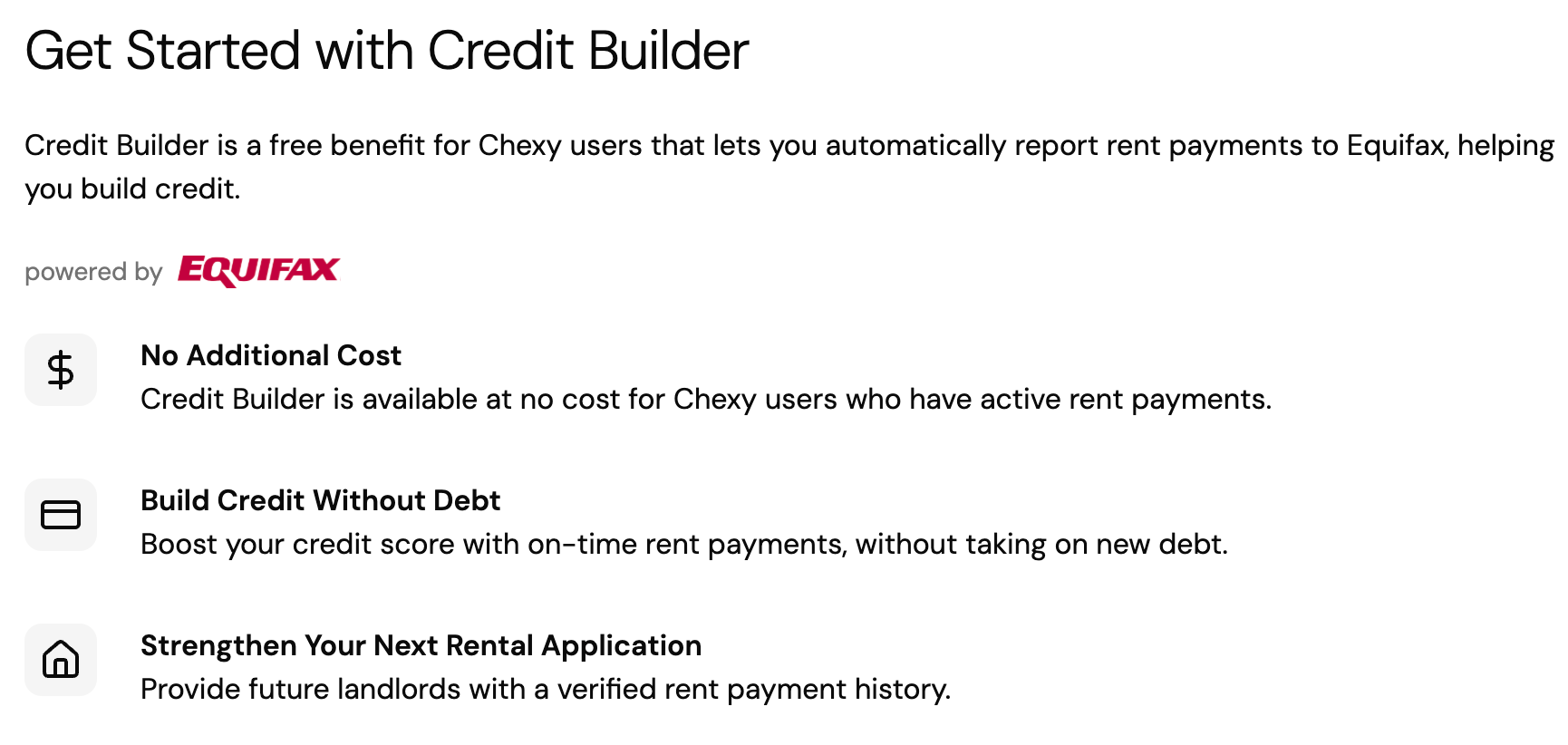
Neither of these is a replacement for a secured credit card, but they can be useful starting points if your credit file is completely empty and you want to establish a baseline before applying for anything else.
Conclusion
If I could change one thing about how Canadian banks handle credit cards, it would be this: every card should have a secured option. The deposit eliminates the bank’s risk entirely. There’s no reason to deny someone a card they’re willing to collateralize.
Neo Financial is the closest thing to this model that exists today, and with the United MileagePlus Neo card arriving in April, their secured lineup is only getting more interesting.
For everyone else, the strategy is the same as it’s always been. Pick a bank you want a long-term relationship with, start with a secured card if you need to, keep utilization low, pay on time, and let the credit history build. Within a year or two, you’ll have the foundation to go after the premium products that make this hobby worthwhile.
This story originally appeared on princeoftravel

