


The revenge subgenre can certainly get violent and messy. For me, it has long been core to my cinematic journey, with my entry point into cult movies coming largely from exploitation films that often used the premise to dish out gritty violence and nudity. I have a soft spot for those early films, but the genre itself has evolved in many ways, and classics and new boundary-pushing movies are still being made today.
Here, though, I wanted to focus specifically on the most brutal entries in the genre, for those who love boundary-pushing, rule-breaking film experiences. If you are looking for revenge stories that deliver without so much violence, there are plenty of other great options to check out. But for those who want violence in abundance, these are the most brutal revenge movies you will find.
Honorable Mentions
-
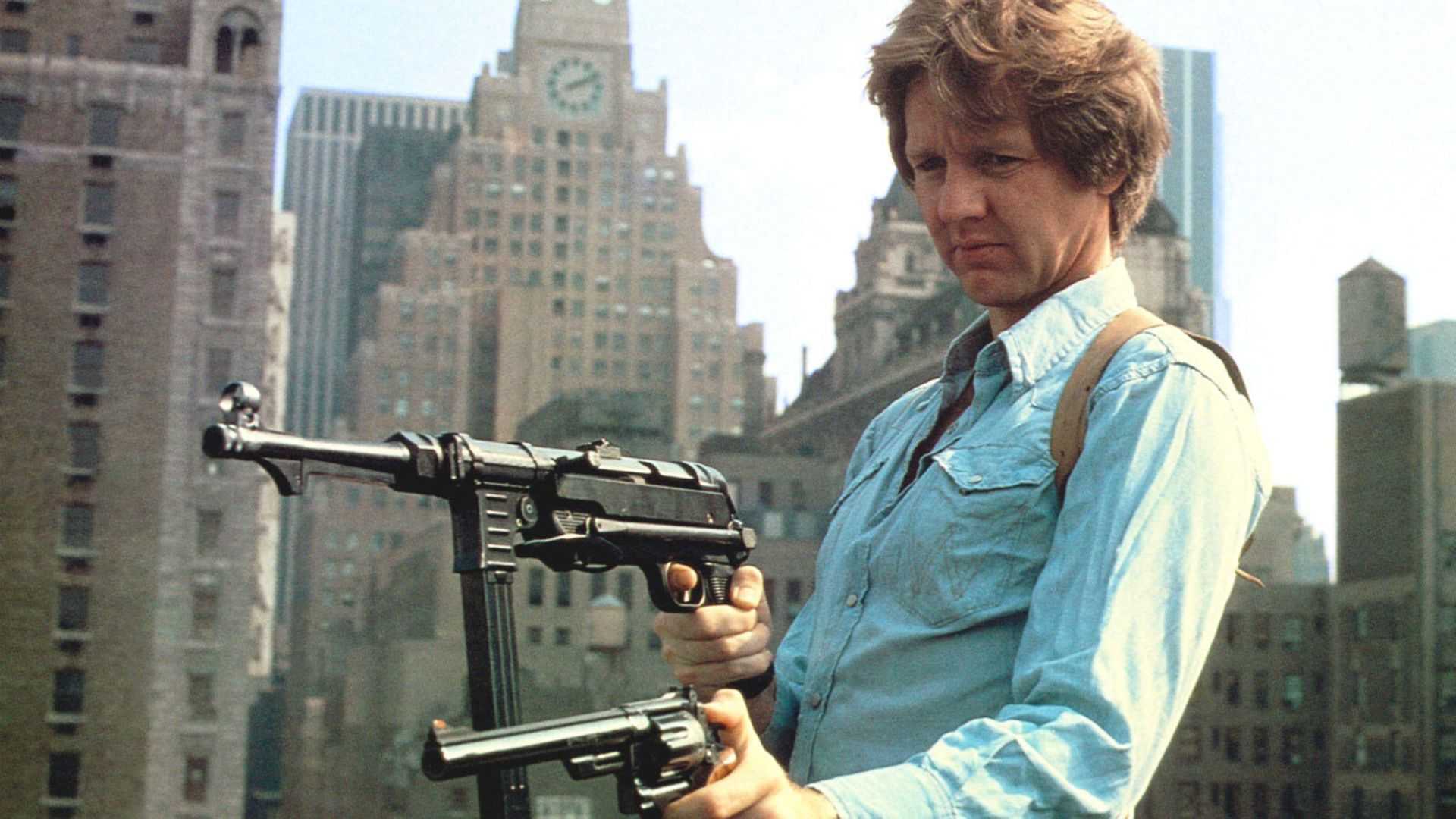
Robert Ginty as The Exterminator (1980) Amsell Entertainment / AVCO Embassy Pictures / Shapiro-Glickenhaus Entertainment /Troma -
Before diving into the main list, I wanted to share a few personal favorites from cult and international cinema that don’t get enough love. If you have seen everything below, these will be your next titles to track down:
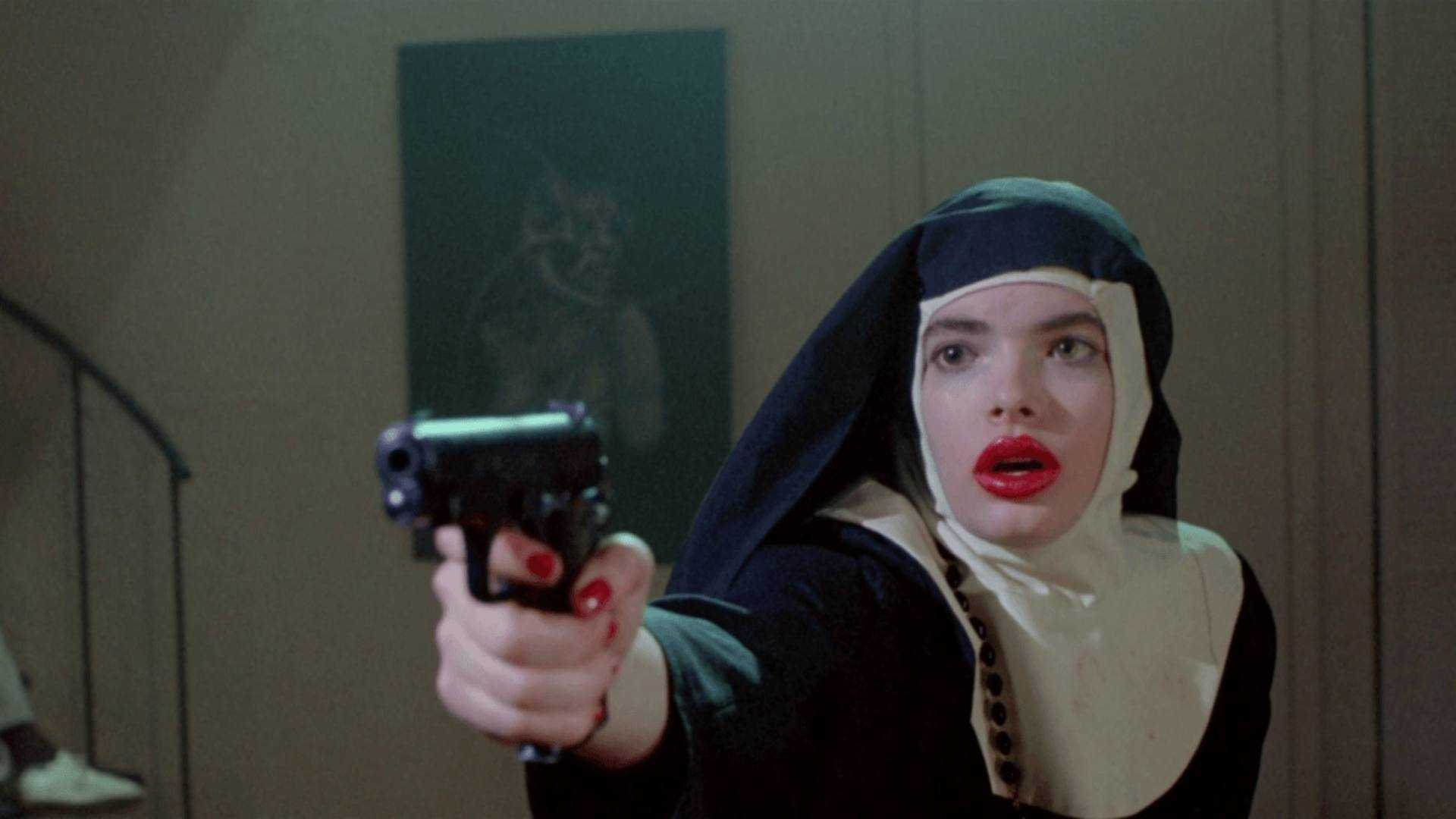
- Ms .45 (1981): Abel Ferrara’s grimy New York cult classic follows a mute garment worker who, after being assaulted twice in one day, becomes a pistol-wielding avenging angel stalking the city’s men.
- Mermaid Legend (1984): Toshiharu Ikeda’s environmental revenge thriller sees an ama diver framed for her fisherman husband’s murder by corrupt developers. The final act erupts into some of the most savage carnage in Japanese cult cinema, rivaling anything Oldboy put on screen.
- Deadbeat at Dawn (1988): Jim Van Bebber wrote, directed, and starred in this ultra-low-budget Ohio gang epic, in which a street fighter goes on a suicidal rampage after his girlfriend is murdered. I have watched this one too many times to count; nothing else in the genre oozes the same insanity and countercultural charm.
- Liverleaf (2018): Eisuke Naito’s snowbound Japanese horror is one of the meanest bullying-revenge stories ever made. Relentlessly bleak and unforgiving, its final moments are unforgettably cruel.
- Pieta (2012): Kim Ki-duk’s Golden Lion winner is less a revenge thriller than a nightmare about guilt. It is certainly savage, and elements of the story turn it into more of a revenge narrative not worth spoiling here.
- The Exterminator (1980): One man tackles corruption in New York, in a picture that Roger Ebert gave zero stars. Don’t let that fool you, though; this and its sequel are vicious revenge stories with a lovely NYC grit.
- Fair Game (1986): An Australian oddity, this one is more extreme in its constant harassment of a young woman that leads her to strike back. In an era where sexual assault was the standard catalyst, the approach here is refreshing but no less shocking.
‘Law Abiding Citizen’ (2009)
Panned by Critics for Being Unnecessarily Violent

The vigilante action thriller stars Gerard Butler as Clyde Shelton, a former CIA engineer seeking justice for the murder of his wife and daughter. When he doesn’t feel like he’s getting what he needs from a broken system, he takes matters into his own hands.
While it may be the tamest revenge flick on this particular list, critics still panned it for being “unnecessarily violent,” landing it a rating of just 26% on Rotten Tomatoes. Audiences, on the other hand, couldn’t get enough of the blood-soaked chaos, with the movie proving a box office success.
‘Blue Ruin’ (2013)
Bleak and Hopeless
Blue Ruin is a dark thriller about Dwight Evans, a vagrant living in his car who returns to his hometown to seek revenge on the man who murdered his parents, only to uncover information that changes everything. An unwavering exercise in bleakness, the story immerses viewers in a grim, desolate world where vengeance unfolds with unflinching realism and haunting inevitability, offering not a single glimmer of hope.
An underrated gem, Blue Ruin is a slow-burning, gritty masterpiece focusing on the futility of revenge and the vicious cycle of violence its characters are trapped in. The ending will etch itself into your mind, haunting you long after the credits roll. This is an utter indie gem, and one of the best modern revenge stories.
‘Oldboy’ (2003)
A Landmark of Korean Revenge Cinema

Directed by Park Chan-wook, Oldboy is a dark South Korean psychological thriller that follows Oh Dae-su, a man mysteriously imprisoned for 15 years and released without explanation. Driven by revenge and the need for answers, he embarks on a bloodthirsty rampage to get to the bottom of things. With a twist so shocking it will be imprinted on your mind for years to come, Oldboy is dark, twisted, and thoroughly entertaining.
The original garnered a strong cult following among those who appreciate the darker, edgier side of cinema. Recognizing the potential to expand this audience, an American remake was commissioned, with Spike Lee handling directing duties. Unfortunately, the remake failed to recapture the unfiltered, raw intensity of the original and is widely considered an inferior, “watered-down” version, especially when it comes to the nastier elements of the story.
‘The Seasoning House’ (2012)
Deeply Disturbing and Difficult To Watch

The Seasoning House is a deeply disturbing British indie horror that follows Angel, a young deaf girl with an “unattractive” birthmark on her face who is captured and forced to work in a brothel supplying kidnapped women to be raped by military personnel. Initially meant to be a sex slave, she is coerced into becoming the brothel owner’s assistant, drugging and preparing the women for abuse while she remains trapped in a horrifying cycle of exploitation, desperate to escape.
A deeply wounding exploration of cruelty and inhumanity, the story builds to Angel’s escape, in which she turns the tables on her captors in a violent yet cathartic way. You almost wish the revenge went further, considering the pain and suffering she and the other women had gone through. While it’s certainly not an easy watch, Paul Hyett’s direction feels measured, confident, and darkly poetic throughout, weaving an emotional web of tenderness amidst hopelessness and abuse.
‘The Last House on the Left’ (1972)
A Controversial Video Nasty

Horror master Wes Craven’s directorial debut sees a teenage girl abducted, raped, and murdered by a violent gang. When her parents discover what happened to her, they seek vengeance against the killers, who have taken shelter in their home.
One of the most controversial titles in cinema history, The Last House on the Left‘s unflinching depiction of sexual violence and the ensuing tale of bloody revenge landed it on the United Kingdom’s infamous list of banned “video nasties” and saw it either heavily censored or outlawed in multiple other countries. Retrospectively, however, the movie has been reassessed as an important work for its raw, uncompromising approach to horror and its influence on the revenge and slasher subgenres.
‘I Saw the Devil’ (2010)
A Deadly Game of Cat and Mouse

Never flinching during its descent into depravity, I Saw the Devil is an exercise in savagery that rarely lets up. This South Korean action thriller follows NIS agent Kim Soo-hyun as he embarks on a quest for vengeance after his fiancée is murdered by a psychopathic serial killer. As the body count rises, the deadly game of cat and mouse reaches levels of cruelty rarely seen on screen.
A hit with critics, the movie was praised for its hyper-stylized graphic violence and relentless sense of overhanging tension, scoring an impressive 81% on Rotten Tomatoes and winning multiple awards. Drawing out its revenge in sudden spurts of extreme violence makes for an uncomfortable yet engaging watch.
‘Kill Bill’ (2003–2004)
Over-the-Top Blood and Guts
-

Uma Thurman as the Bride in ‘Kill Bill’ Miramax Films -

Lucy Liu’s O-Ren Ishii in Kill Bill Miramax Films -
 Miramax/courtesy Everett Collection
We’re considering Kill Bill Vol. 1 and Vol. 2 as one movie, as it is how director Quentin Tarantino himself has always intended it to be. In this stylized, bloody, and visceral action epic, Uma Thurman plays The Bride, a deadly assassin hell-bent on revenge after her wedding rehearsal is crashed and everyone, including her fiancé and unborn child, is slaughtered, leaving her for dead.
Tarantino has never been one to shy away from graphic violence, but here he takes it to another level with a frankly absurd amount of blood and guts being spilled. The Bride samurai-slices her way through her foes with the goal of exacting bloody revenge on “Bill,” the criminal mastermind behind the wedding massacre. The fights are gloriously over-the-top and stuffed with nods to the classics, chief among them the Japanese revenge landmark Lady Snowblood.
‘Dead Man’s Shoes’ (2004)
Intense and Unforgettable

Dead Man’s Shoes is a gritty, grimy, and gut-wrenching psychological thriller from the United Kingdom. Shane Meadows’ feature follows a man who returns from serving in the military to exact revenge on a group of drug dealers who horrifically abused his mentally impaired brother. Its unflinching portrayal of violence among the British underclass, combined with a jaw-dropping final twist, makes it essential viewing for fans of revenge cinema and the more extreme end of the medium. Garnering a strong cult following in the UK, the movie has become a constant fixture on many “best of British” lists.
Made on a shoestring budget, stripped of glossy cinematography and slick production values, the production feels raw, unfiltered, and uncomfortably real. It’s this lack of Hollywood sheen that makes the violence land even harder, placing audiences squarely in the grit of Britain’s underclass with an almost documentary-like sense of realism. Dead Man’s Shoes is visceral, bleak, and surprisingly thought-provoking.
‘I Spit on Your Grave’ (1978)
The Film That Roger Ebert Hated

After a young woman is tortured and raped, she embarks on a horrific, but arguably warranted, path of violent revenge. Noted for its controversial depiction of extreme graphic violence, particularly the lengthy depictions of gang rape that take up 30 minutes of its runtime, the picture was famously labeled “a vile bag of garbage” by renowned critic Roger Ebert.
Like The Last House on the Left, I Spit on Your Grave sits among the infamous titles that landed on Britain’s “video nasties” list in the ’70s and ’80s and was banned in multiple countries. The movie remains an important entry in the history of exploitation cinema, its scoreless, cold violence setting the groundwork for many other low-budget nasties chasing similar infamy. There are plenty of B- and Z-grade knockoffs that play on the film’s title, along with a successful franchise relaunch.
This story originally appeared on Movieweb

