


September 4, 2026
A Guest Blog from a Trip to Kenya
Whenever family, friends, and colleagues travel to interesting places, I encourage them to take plenty of photos and share them when they return.
Ryan Mesina, our VP of Creative Services at Marquee Brands, enjoys traveling as much as I do. One of his latest trips took him to Kenya, the East African nation renowned for its breathtaking landscapes, abundant wildlife, and rich cultural heritage. While there with friends, Ryan embarked on safari, where he spotted Africa’s famed “Big Five” – the lion, leopard, rhinoceros, elephant, and African buffalo – the continent’s most iconic species. Ryan also visited Lamu Town, the historic port city and island off Kenya’s coast. There, he sampled local cuisine, explored charming shops, relaxed on the beach, and sailed aboard a traditional dhow on the Indian Ocean.
Here are some photos from his memorable two-week adventure, enjoy.
-
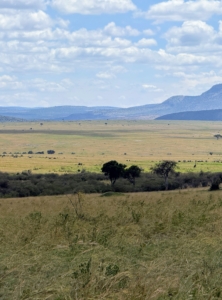
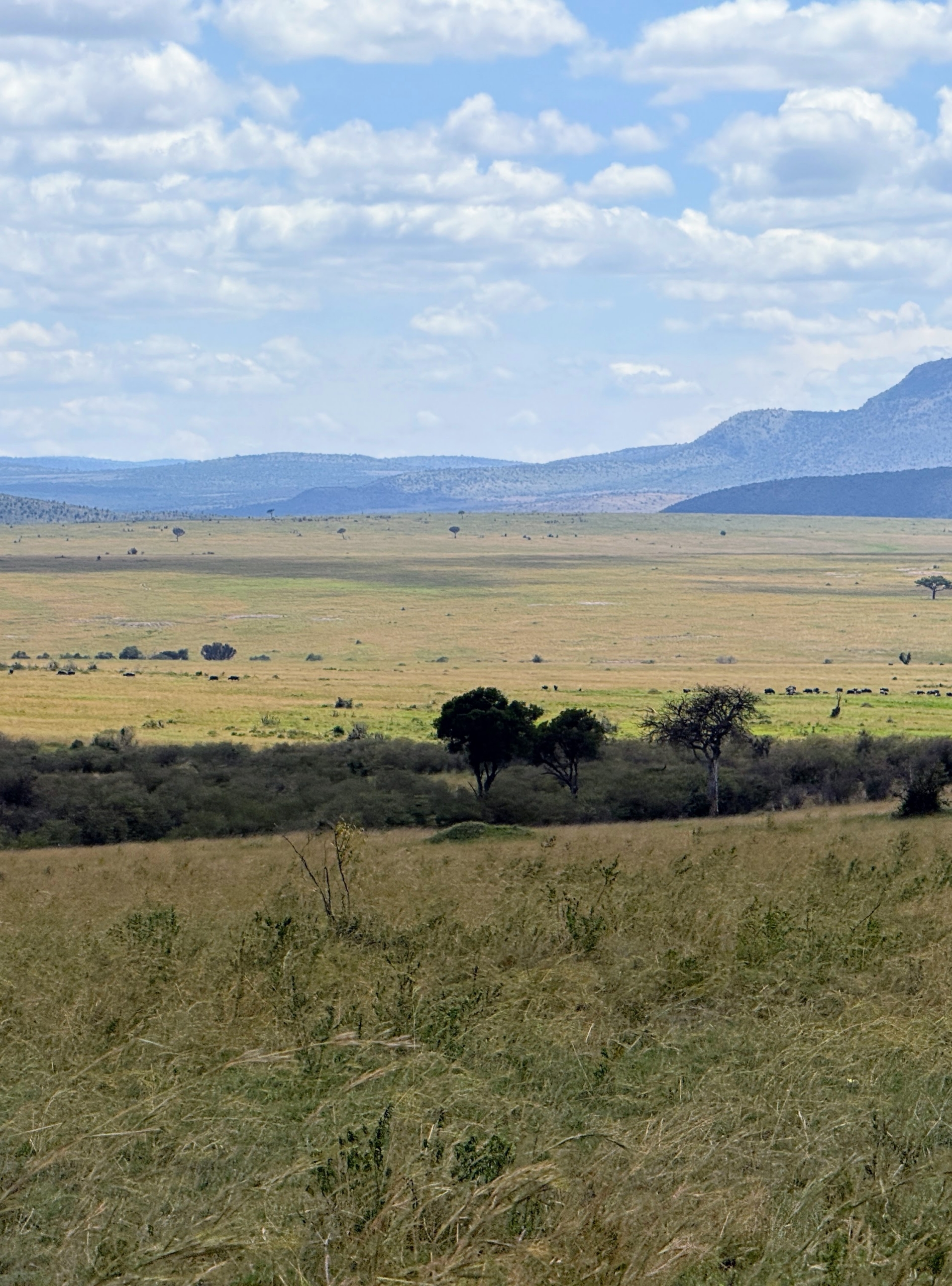
- A safari day in Africa is structured around the natural activities and movements of wildlife. Early mornings and late afternoons are the prime times for sightings. Ryan and his friends spent more than six to eight hours in a vehicle looking for animals.
-
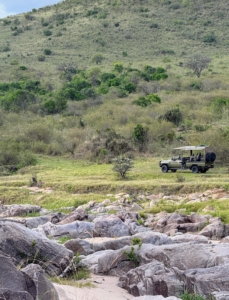
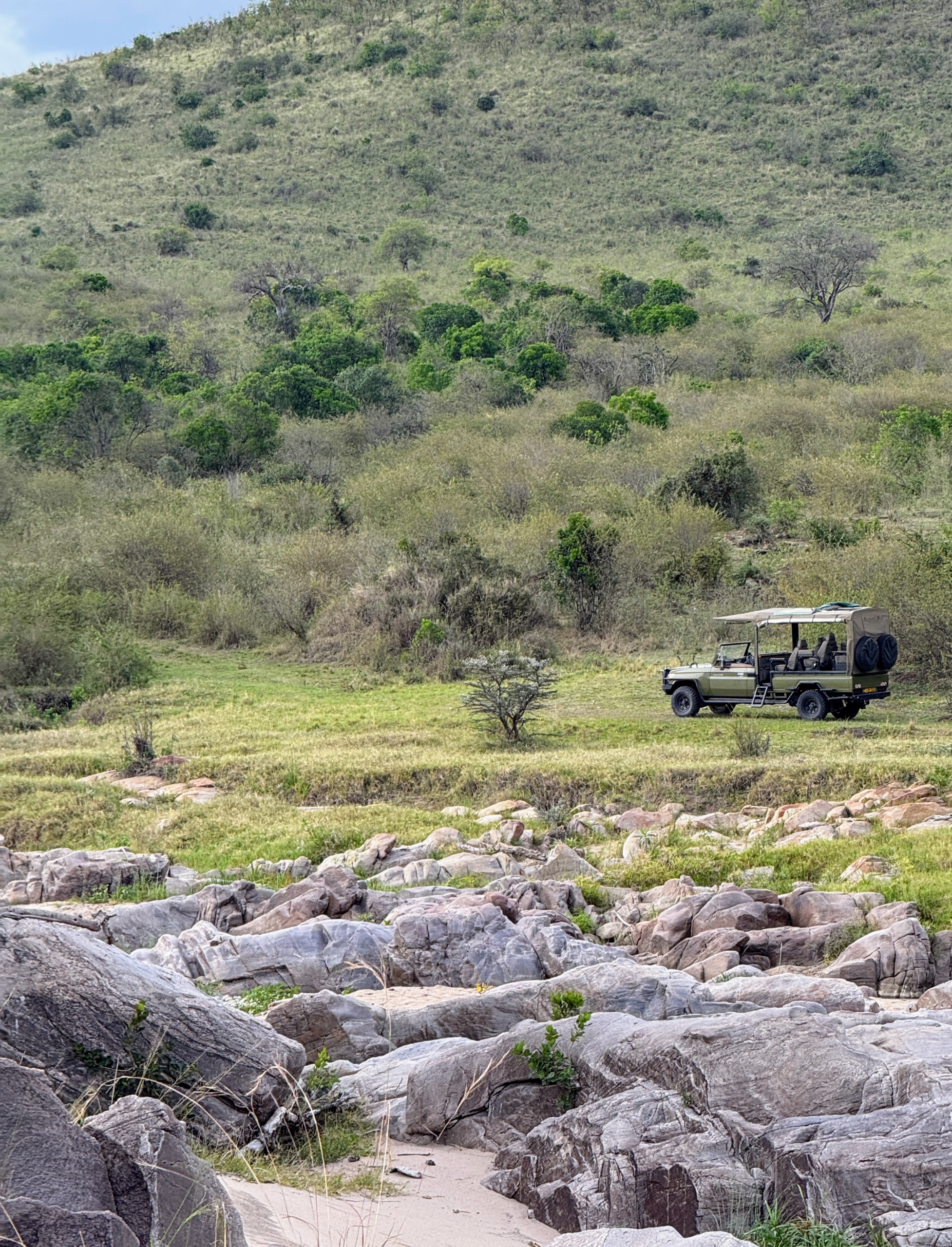
- Ryan’s group was small – just enough to fill the jeep. They had a knowledgeable guide and a spotter who would sit in the back on “lookout.”
-
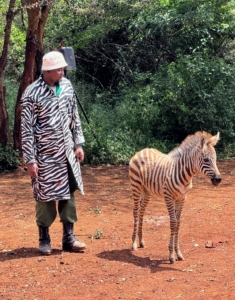
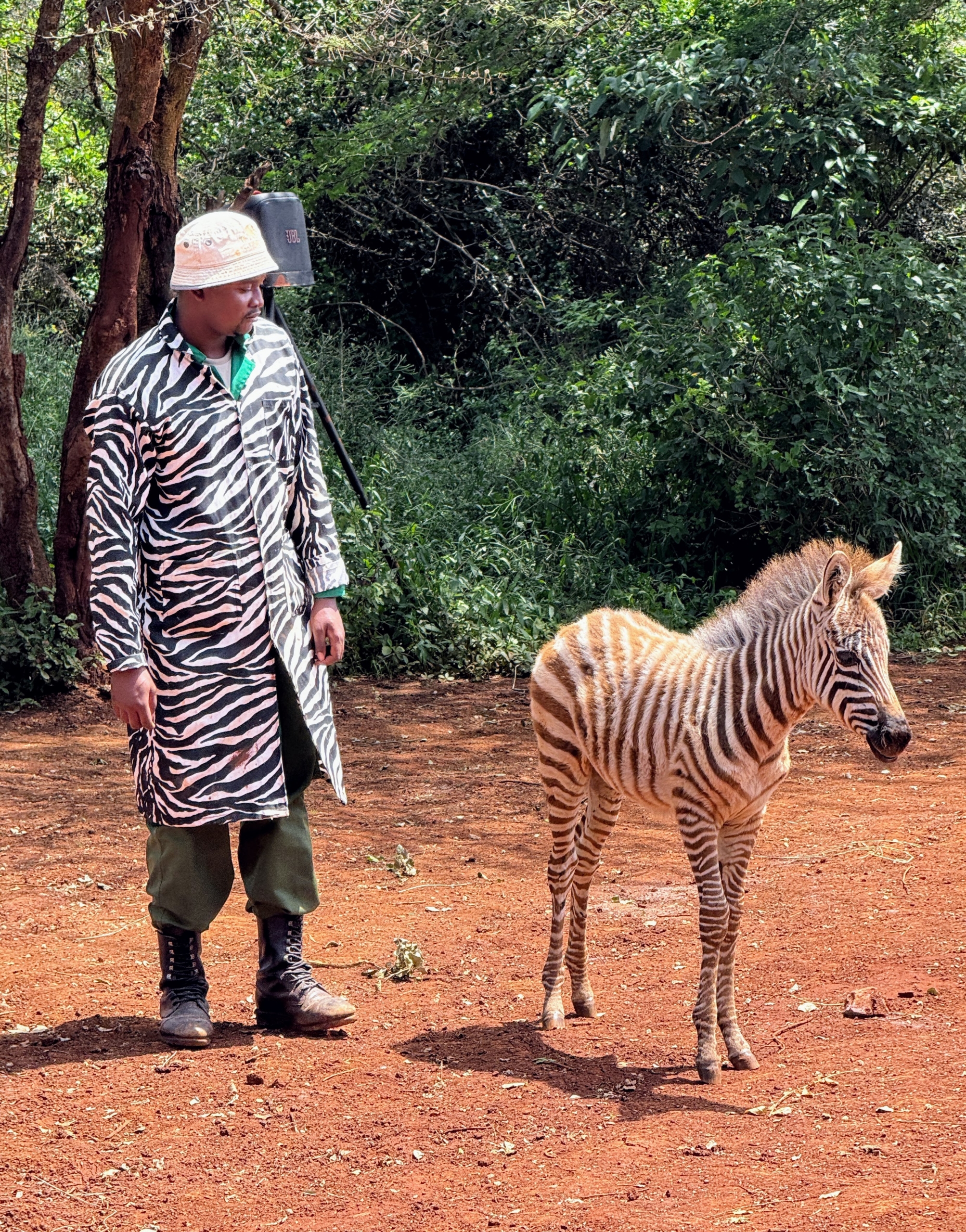
- The Sheldrick Wildlife Trust is an organization that cares for orphaned African elephants and rhinos – sometimes orphaned zebras too. The caretakers wear similar striped coats so young zebras can recognize them without feeling threatened.
-
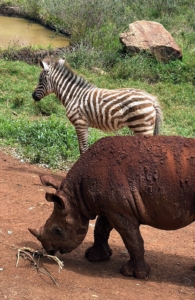
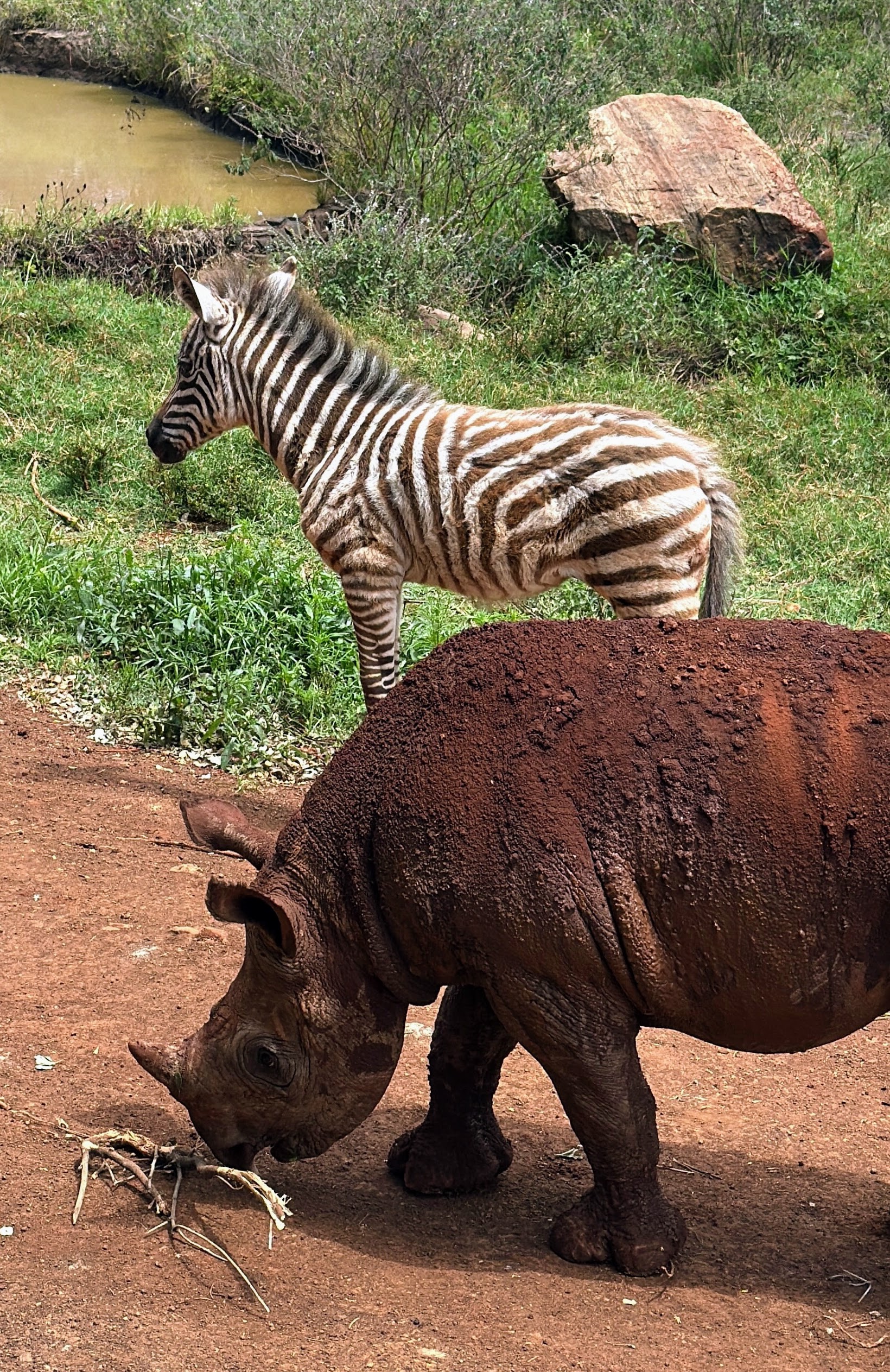
- This orphaned zebra, Notty, and the orphaned rhinoceros, Tytan, were rescued one week apart and became fast friends in the nursery. Now they are inseparable and always look out for each other.
-
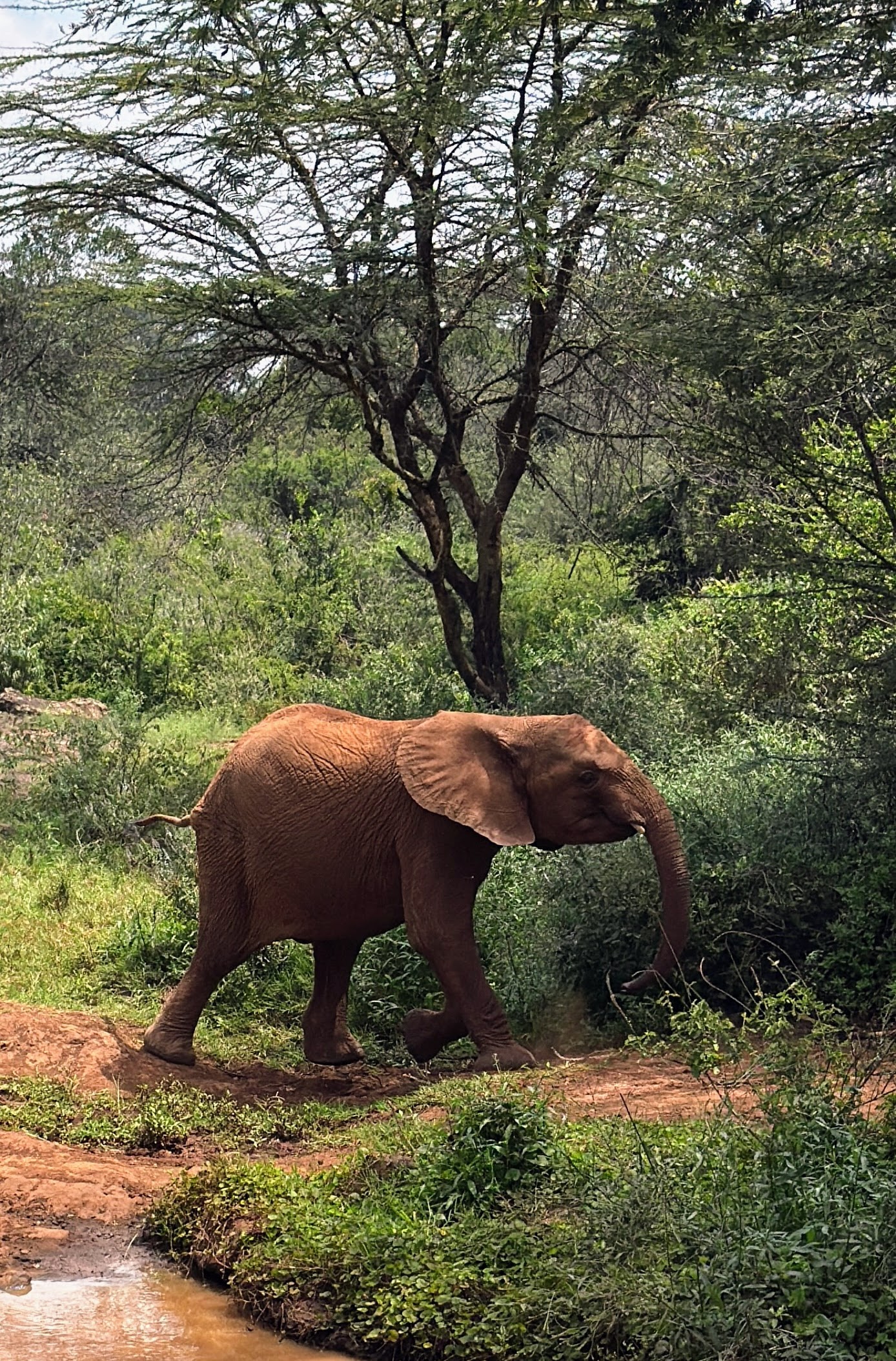
- Here is another young elephant cared for by the Sheldrick Wildlife Trust. African elephants are the largest land animals on Earth, with males reaching up to 13 feet tall and weighing as much as 24,000 pounds. This one has a lot of growing to do.
-
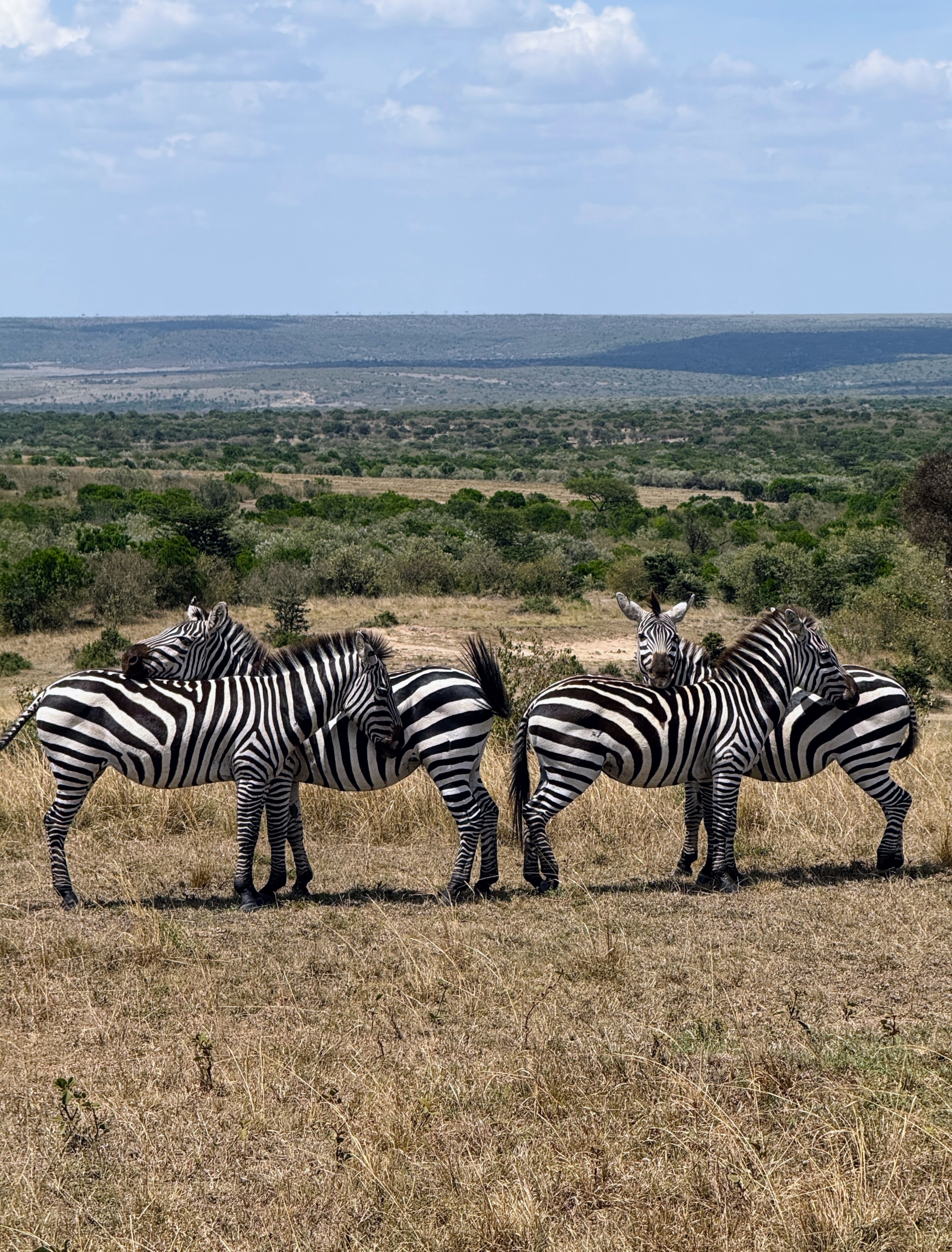
- Ryan road through the Masai Mara Reserve. When entering, he saw these zebras in a formation, where they stand in groups facing different directions. It is part of a cooperative survival strategy that helps protect a herd from predators – “I’ll watch your back, you watch mine.”
-
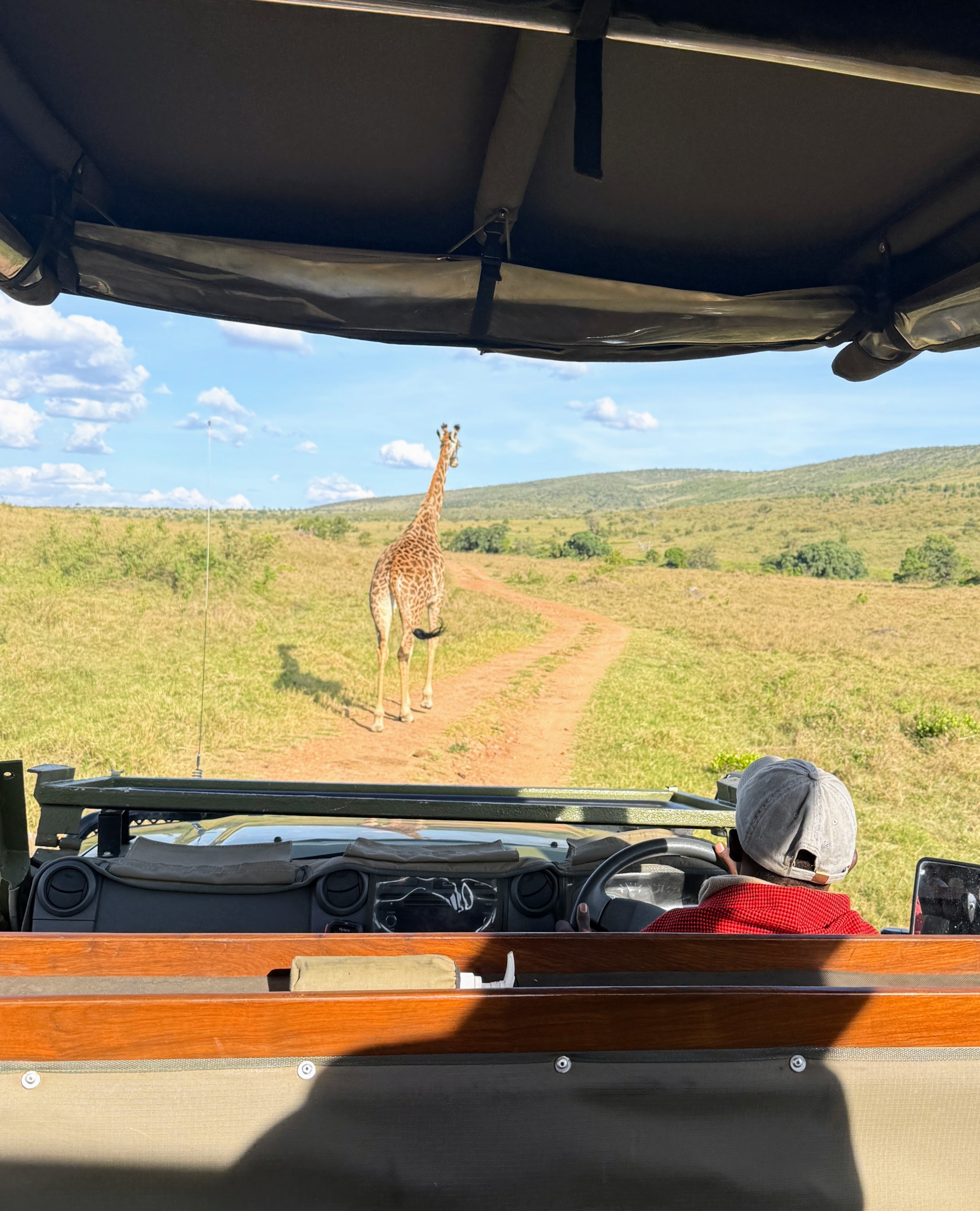
- Ryan also saw this giraffe walking along one of the dirt roads. Animals are not scared of the safari vehicles because they know they won’t be hurt by them, so they typically allow visitors to get pretty close.
-
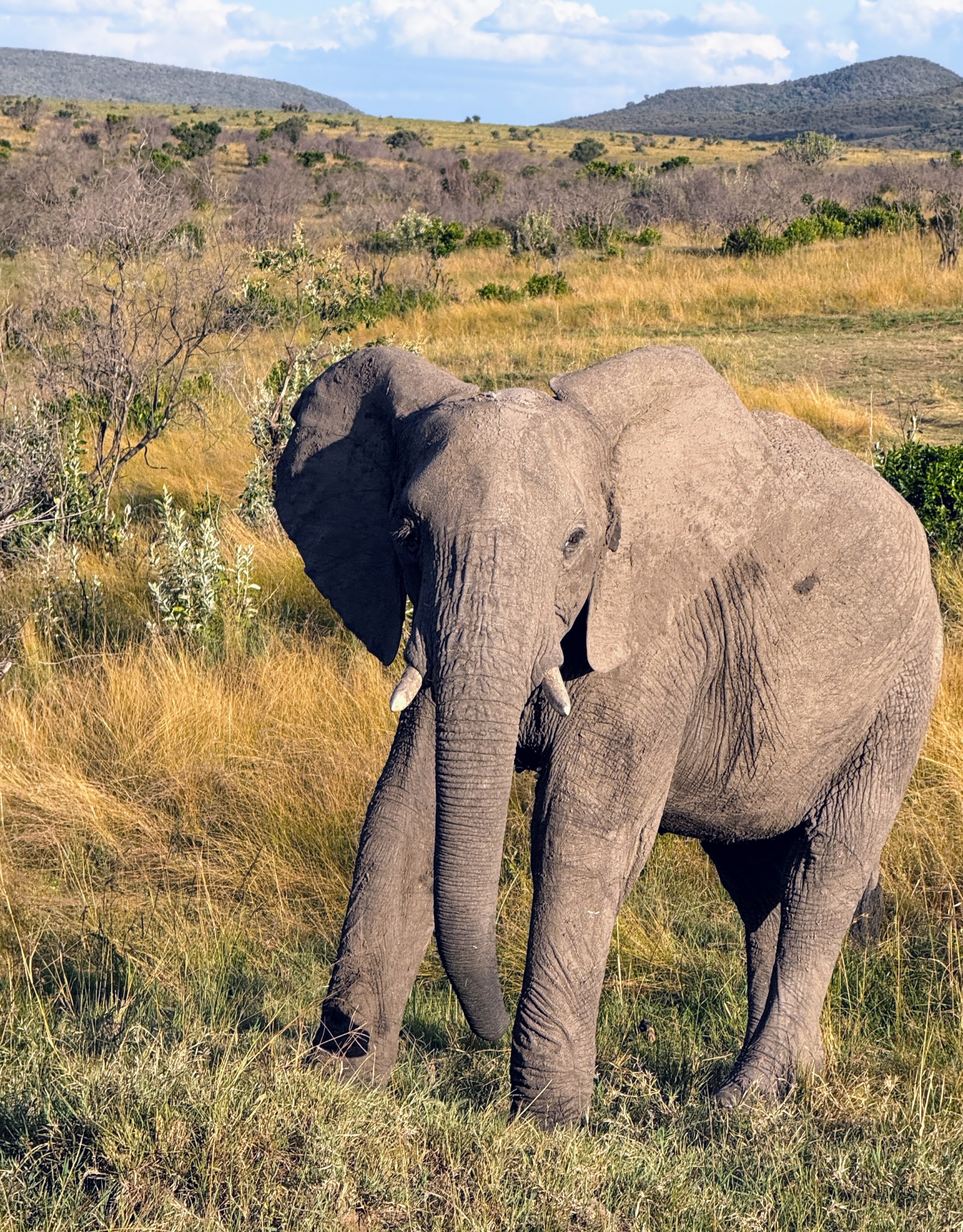
- Here is another elephant. On safari, one never knows what animals will be seen – some days, one can spot many; other days, only a few. Ryan was lucky – he saw lots of animals roaming the area.
-
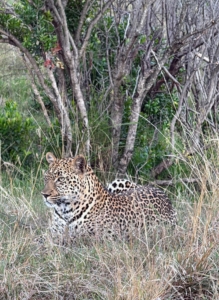
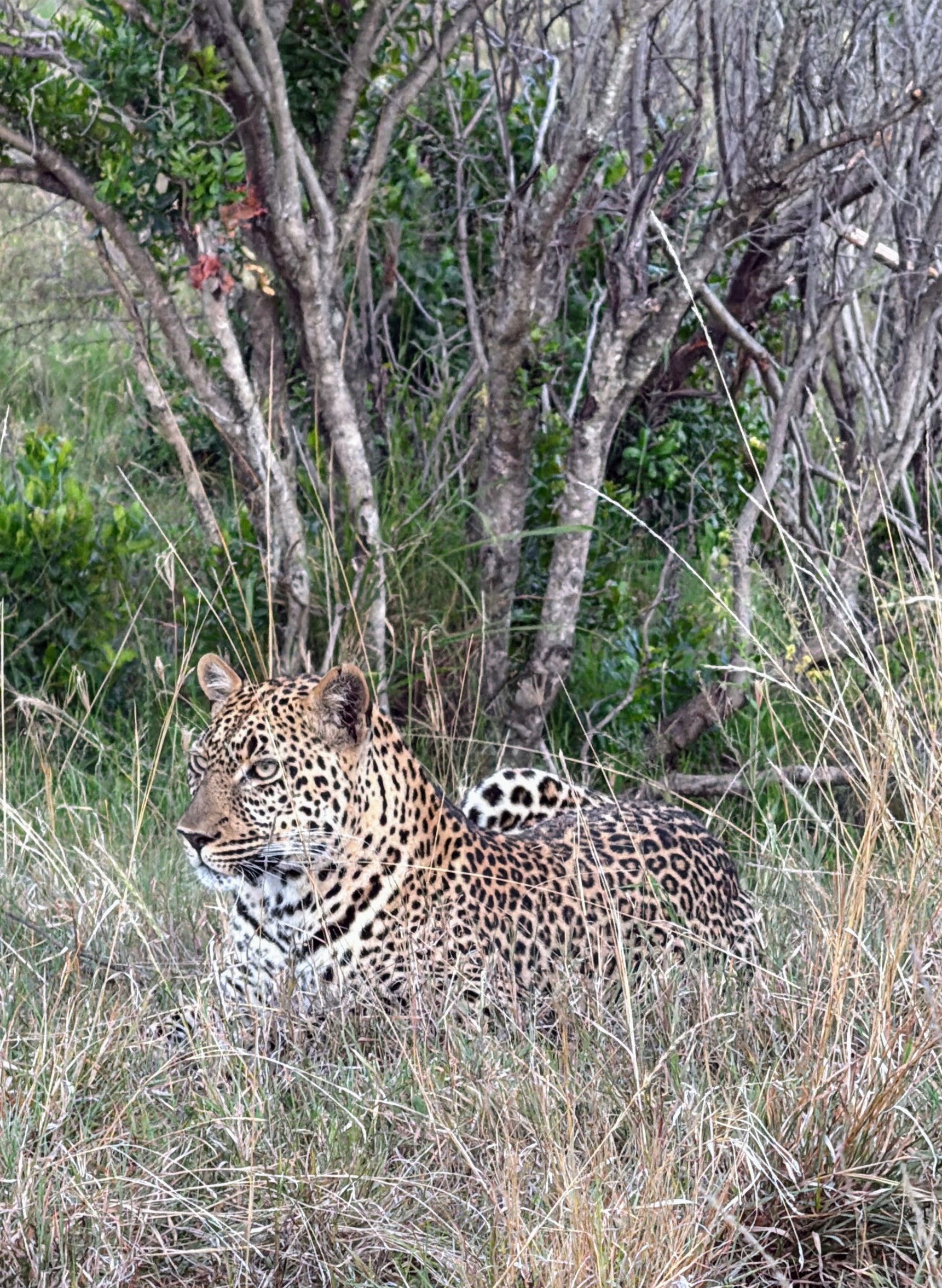
- This is a leopard. Do you know the difference between the cheetah, the leopard, and the jaguar? Cheetahs have solid spots and tear marks, leopards have rosettes without inner dots, and jaguars have larger rosettes with central spots and the strongest build.
-
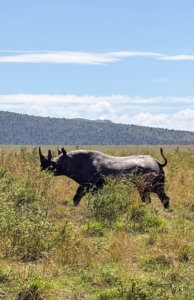
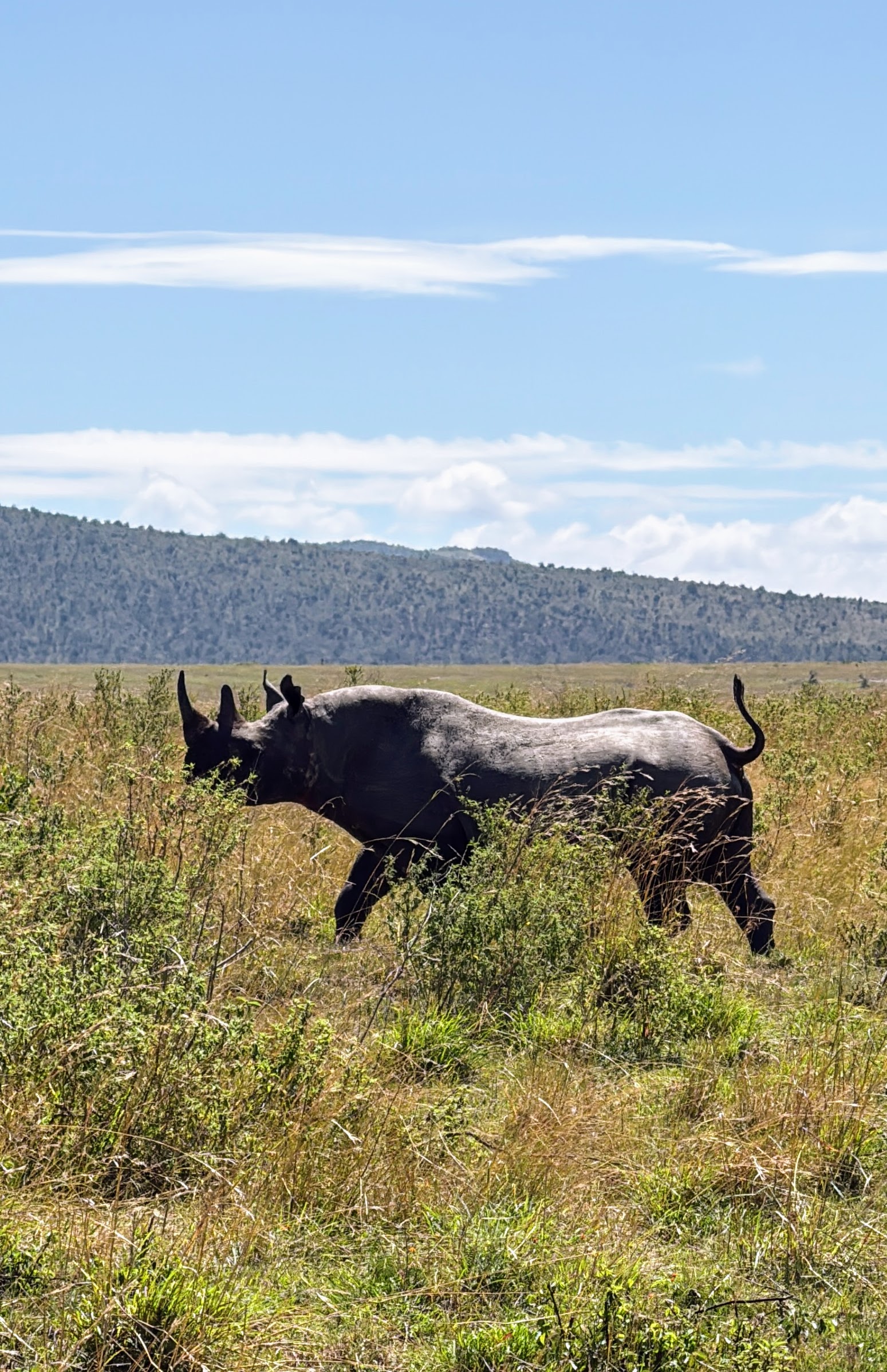
- Black rhinos are the only species found in Masai Mara. They are slightly smaller but more aggressive compared to white rhino.
-
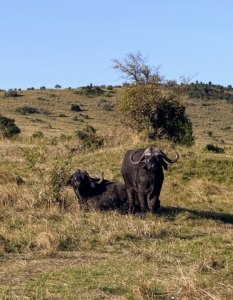
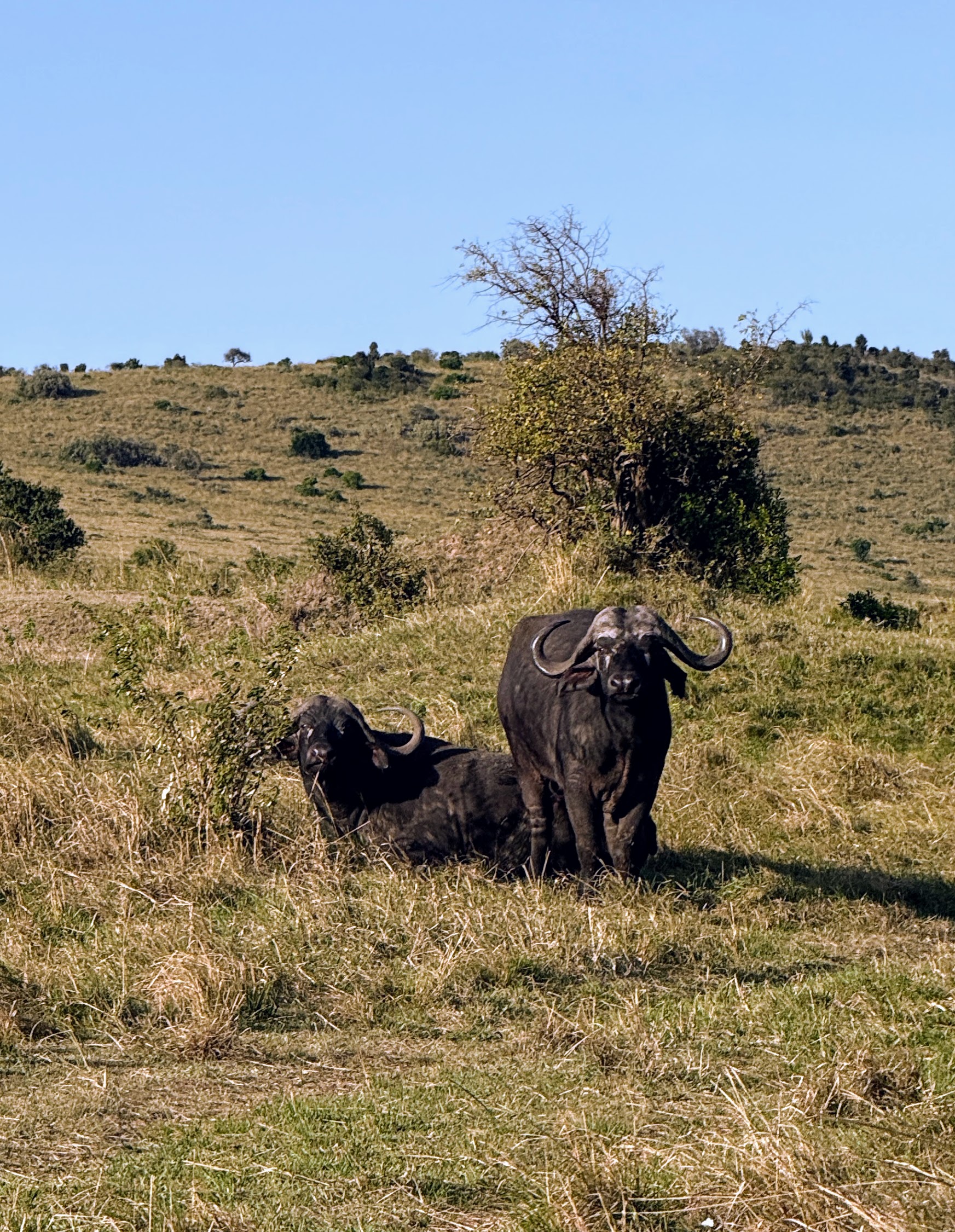
- African buffalo are abundant in the Masai Mara. They are often seen in large herds near rivers, swamps, and open plains. This large animal is also one of the Big Five and among the most powerful and dangerous animals in the Masai Mara.
-
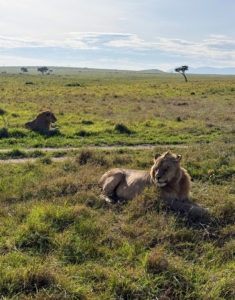
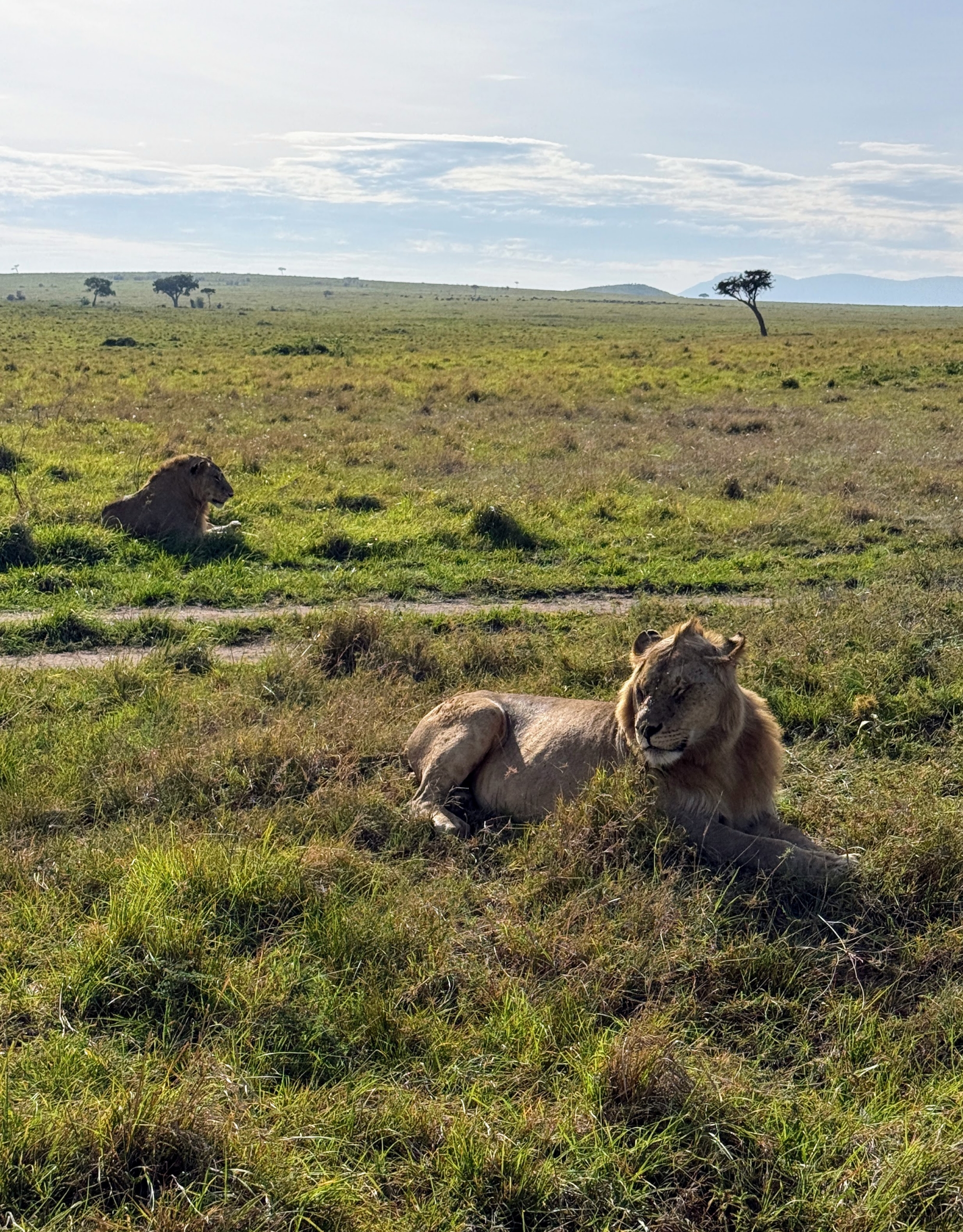
- The majestic lion is also one of the Big Five. This one is a younger male noted by his still developing mane.
-
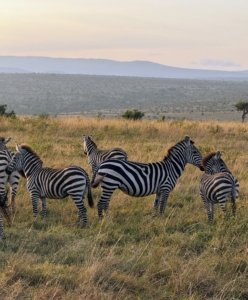
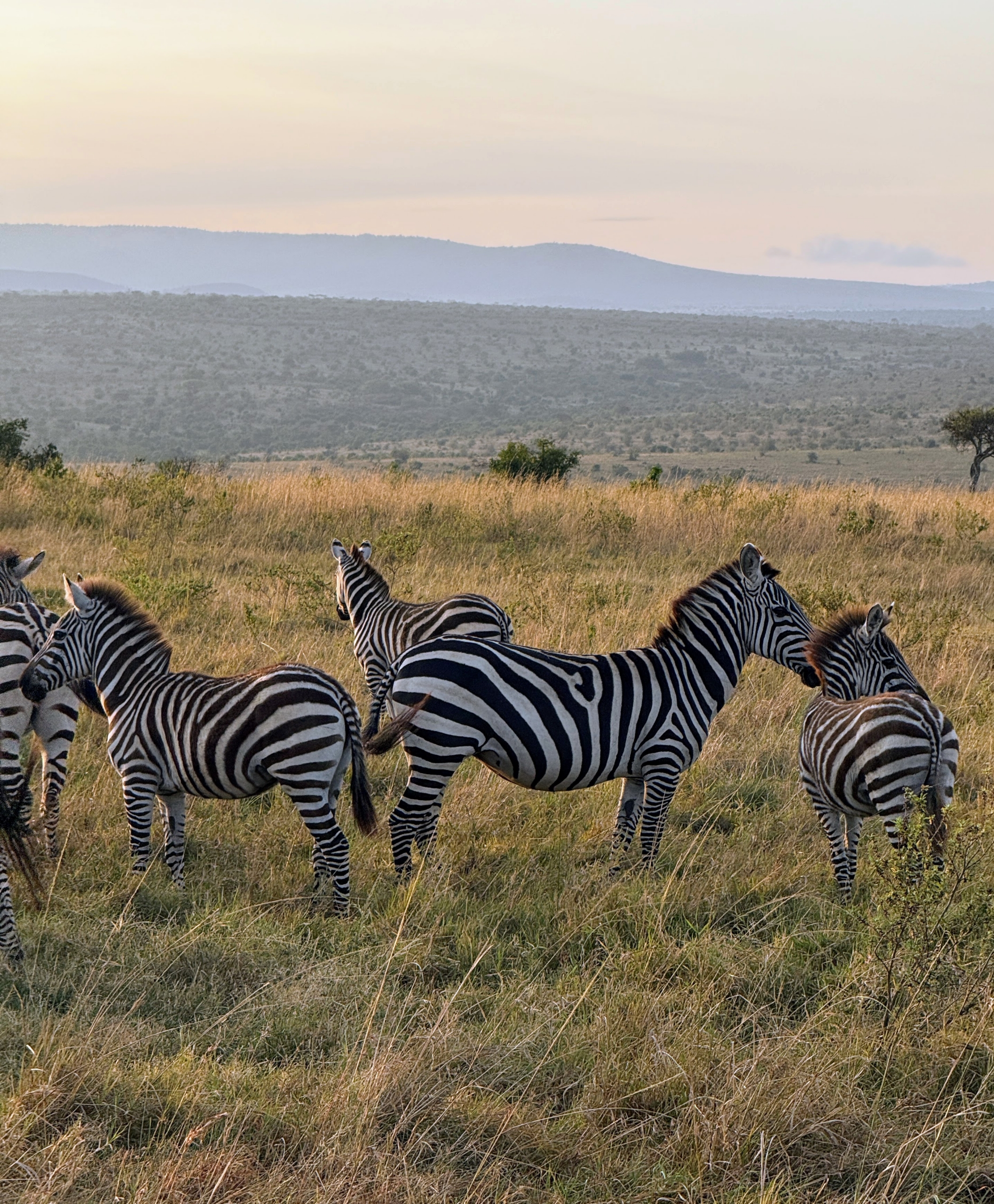
- More zebras are spotted. As beautiful as they are, these wild animals are not friendly. In fact, they are often unpredictable, defensive, and aggressive – characteristics shaped by the predatory pressure of their environment.
-
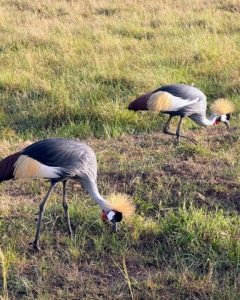
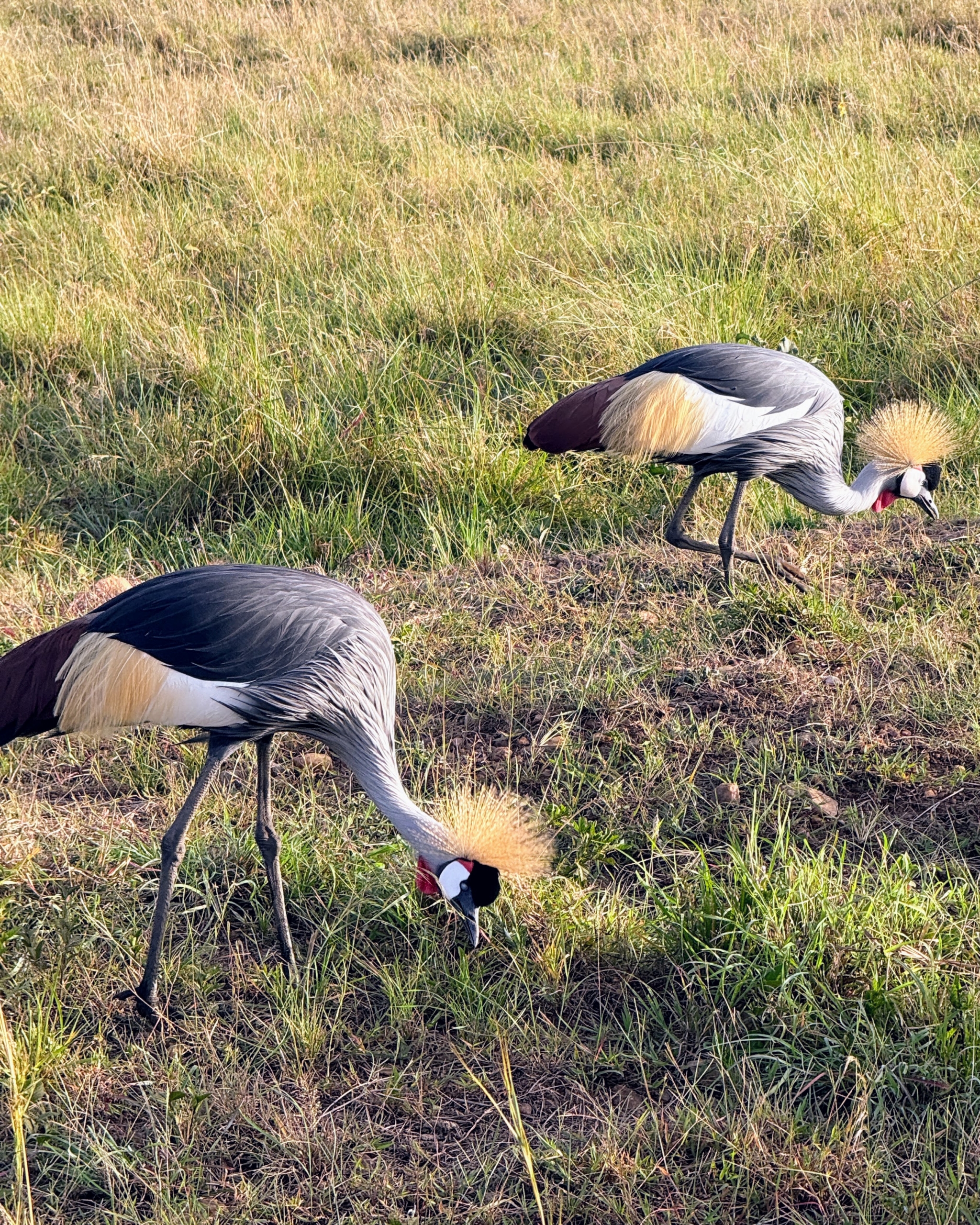
- The gray crowned crane is a large crane species native to Sub-Saharan Africa. Its body plumage is mainly grey and it has white cheeks, a red throat patch, and a stiff golden crown. It is omnivorous and forages for plants, seeds, grain, insects, frogs, worms, snakes, small fish and the eggs of aquatic animals.
-
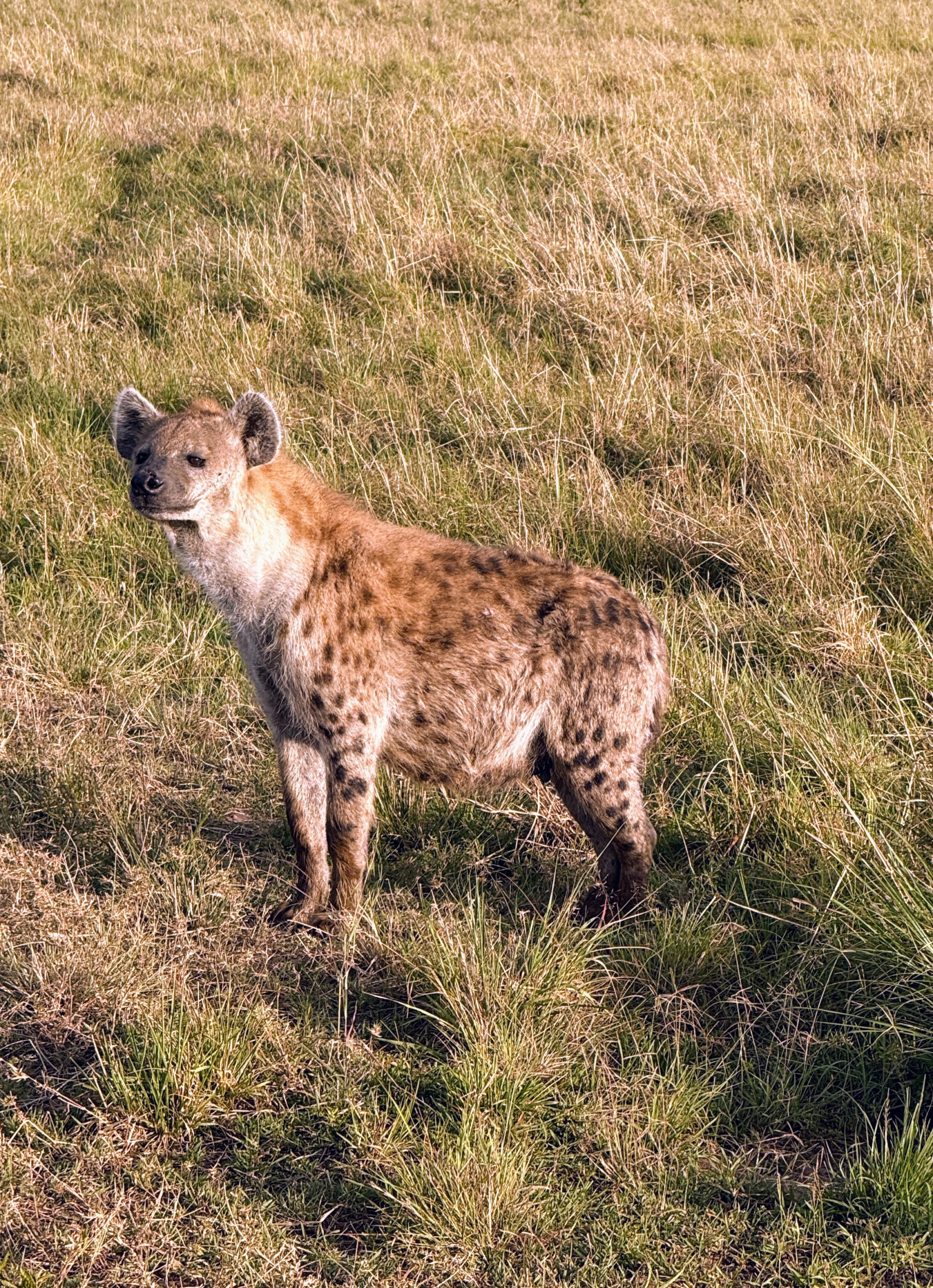
- Here is a spotted hyena – a very skilled hunter, known to take down prey like wildebeest, zebra, and even large mammals like Cape buffalo.
-
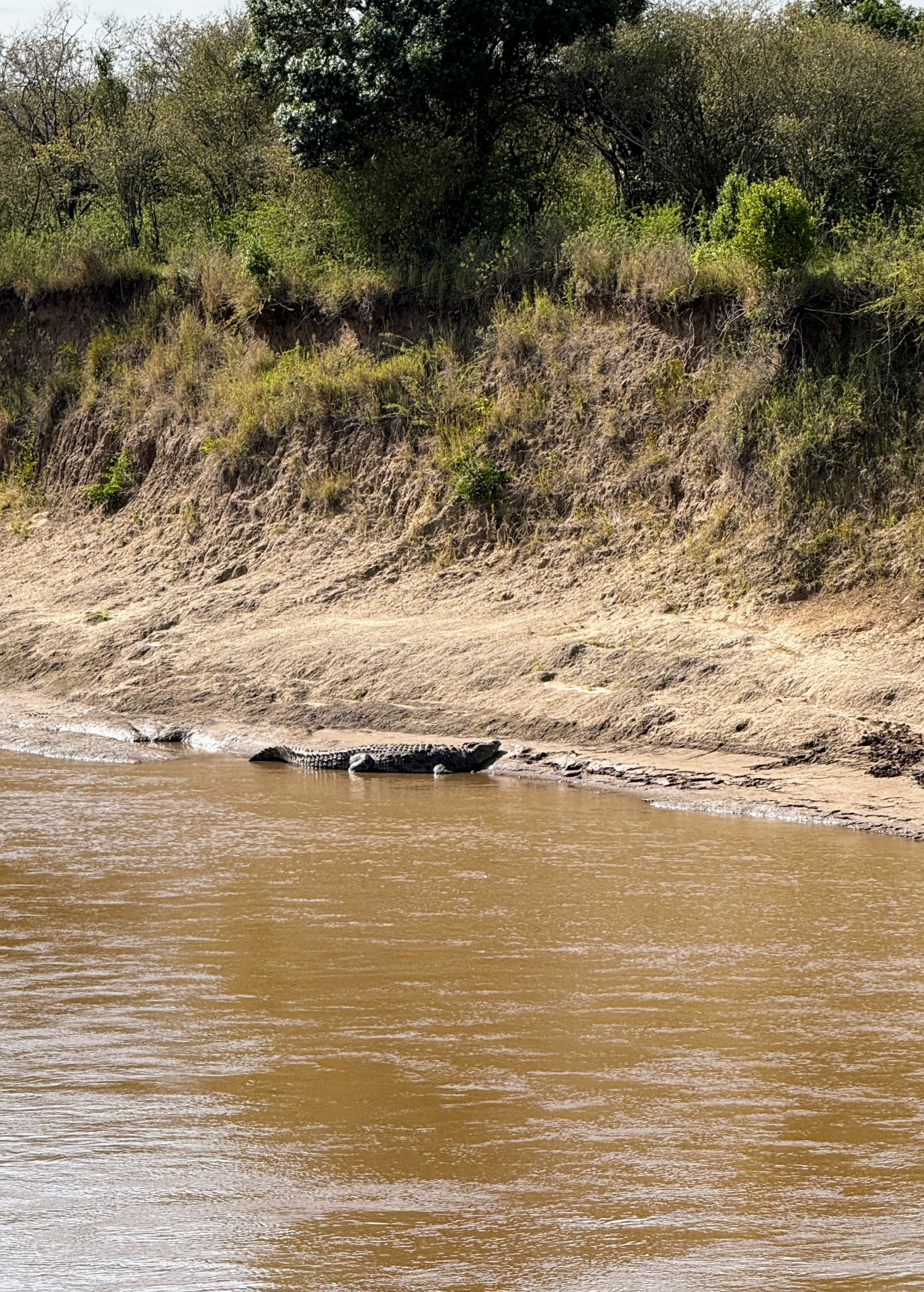
- Ryan and his group were lucky to see this Nile Crocodile. It was massive in size, more than 15 feet long.
-
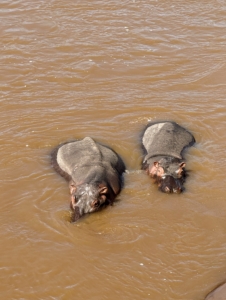
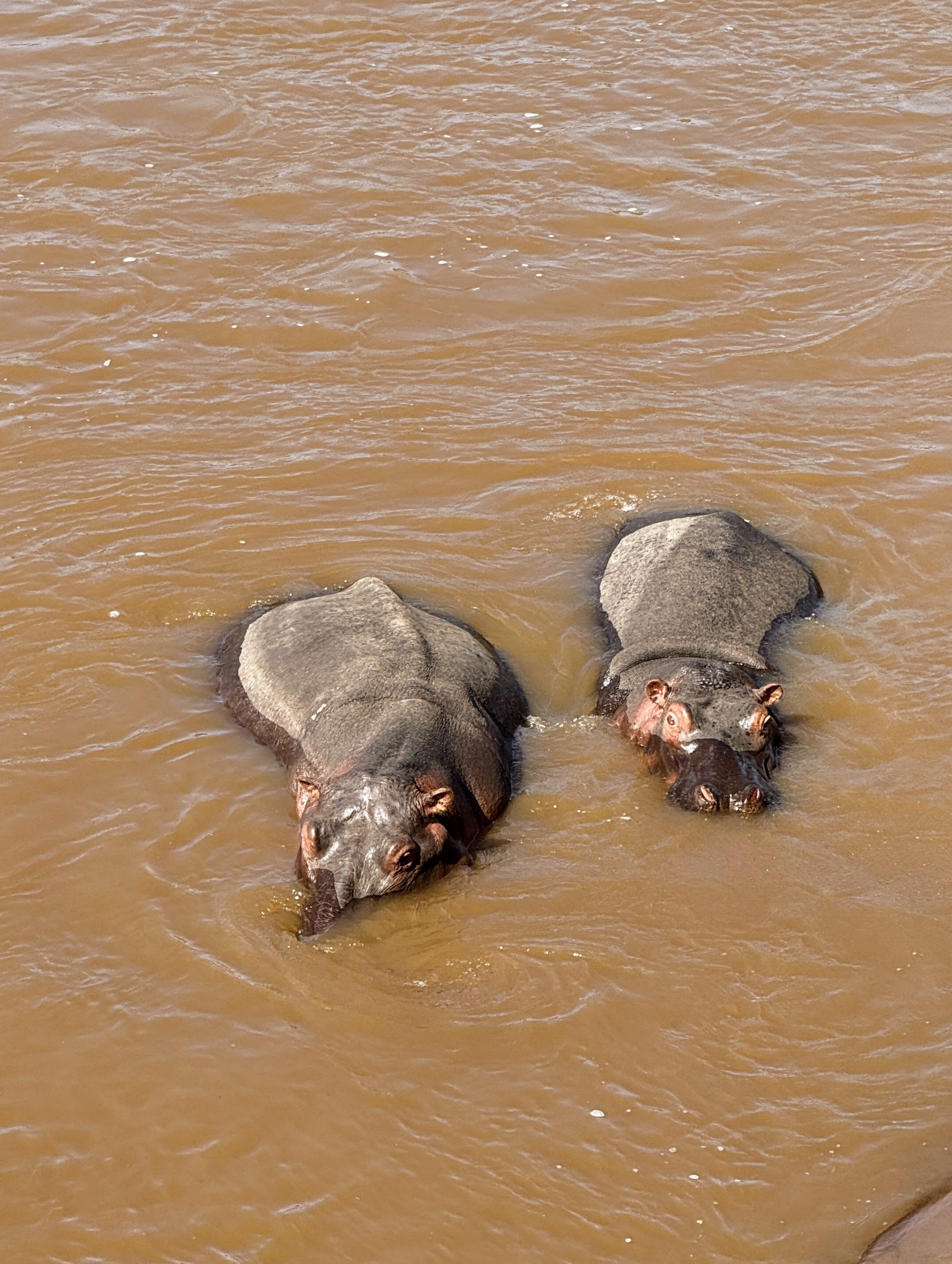
- And here is a pair of young African hippopotamuses. These animals are semi-aquatic giants, spending most of the day submerged in rivers, lakes, or pools to stay cool and out of the sun.
-
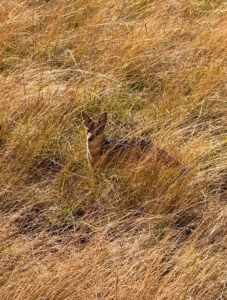
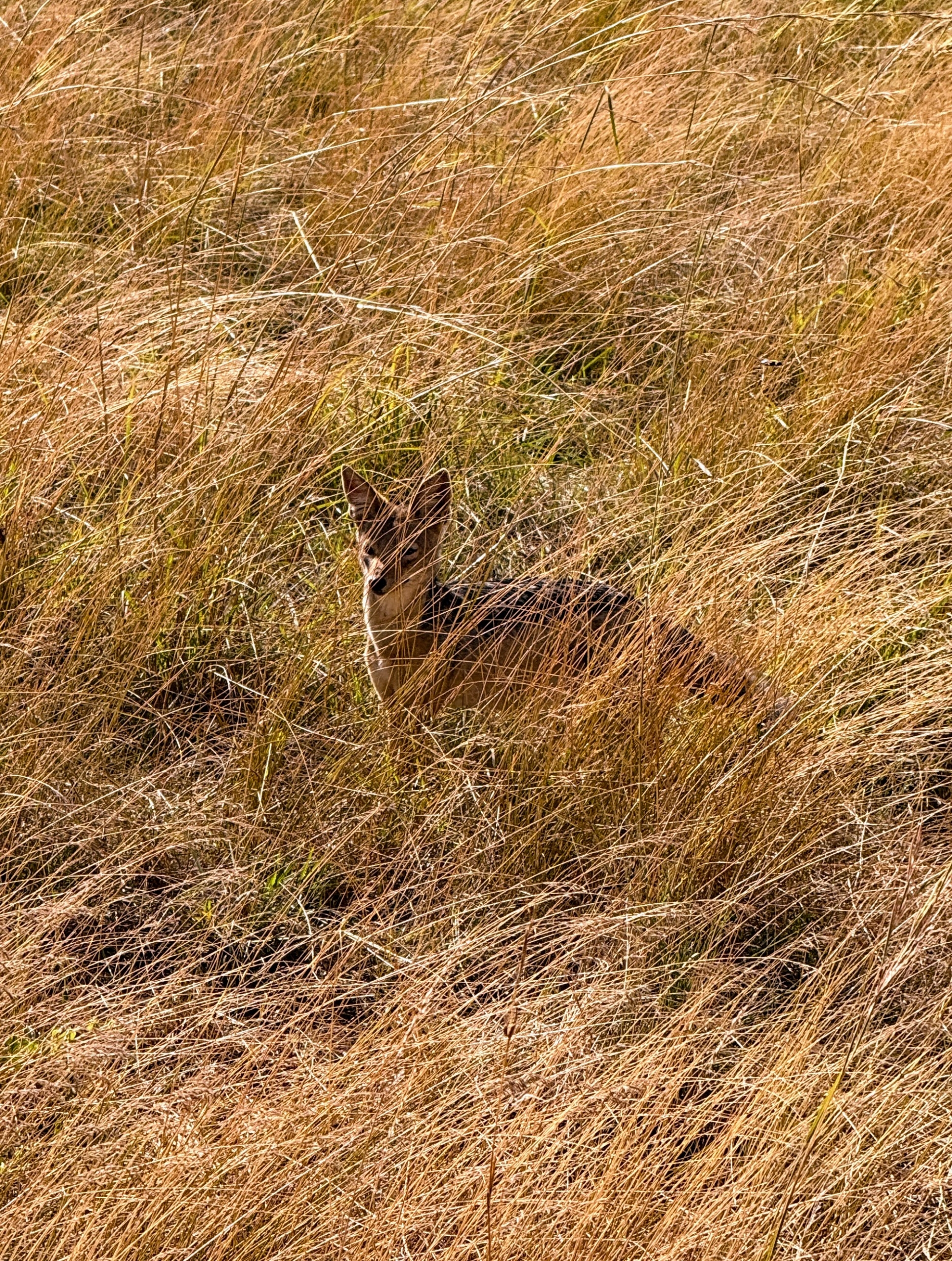
- Another good sighting – this black backed jakhal, one of the most agile, intelligent, and adaptable carnivores in the Masai Mara.
-
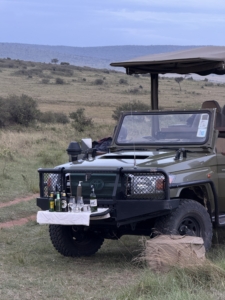
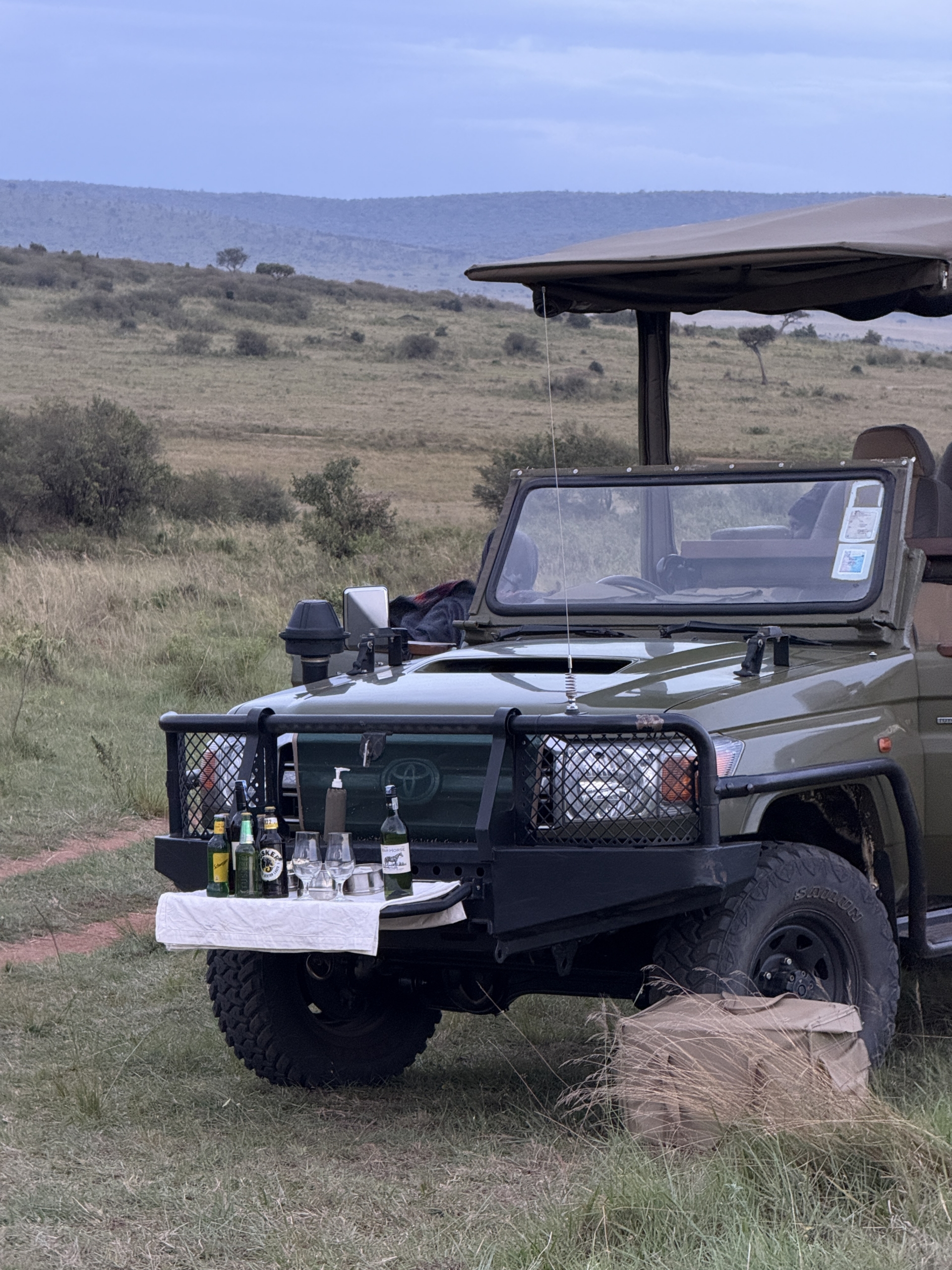
- At the end of the day, Ryan and his group enjoyed what’s called a sundowner – a traditional ritual where travelers pause at sunset to enjoy a refreshing drinks and snacks before setting out again in search of wildlife.
-
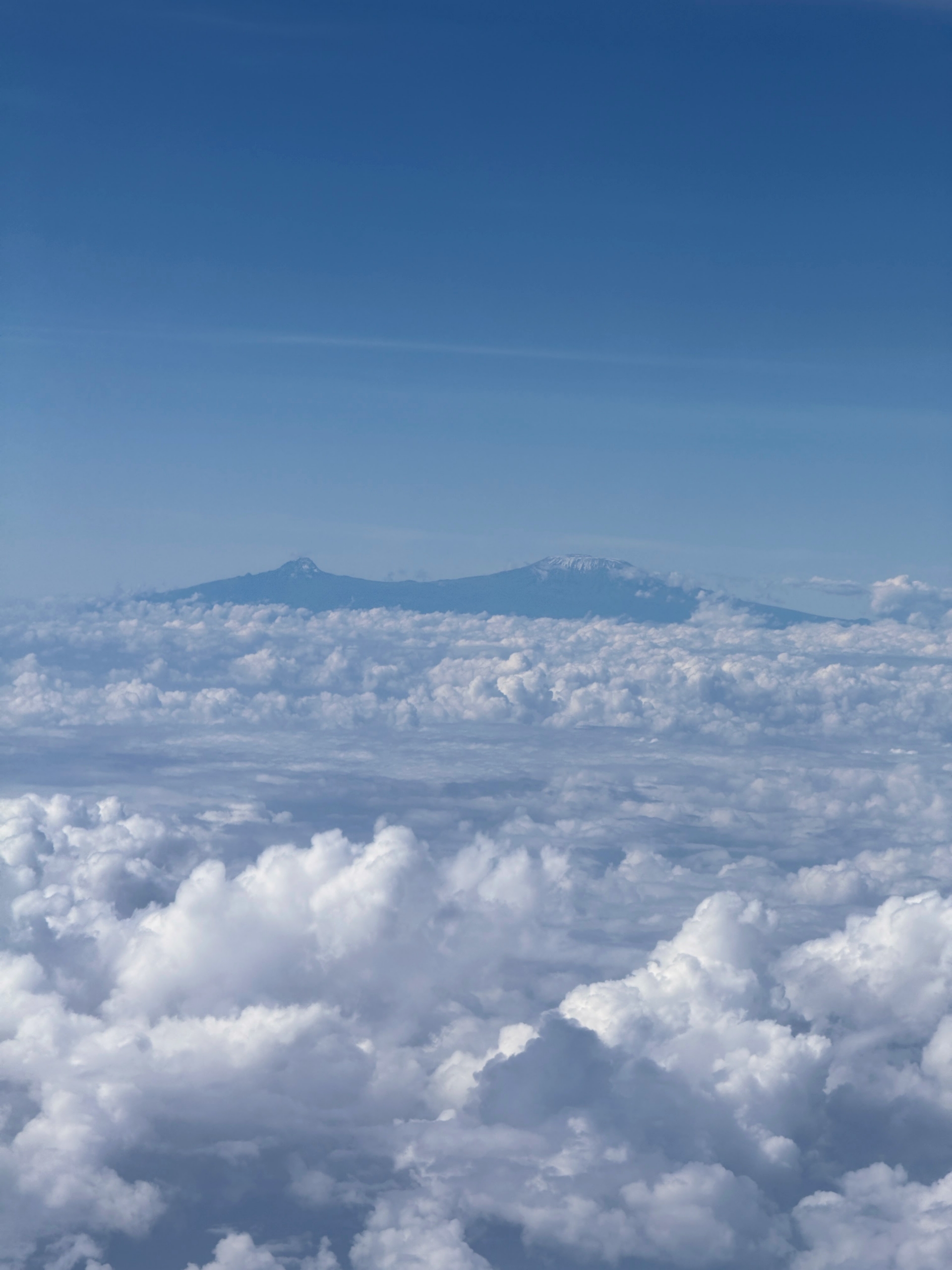
- Leaving the Masai Mara en route to Lamu, Ryan took this snapshot of Mount Kilimanjaro, the highest mountain in Africa and the highest free-standing mountain above sea level in the world. I climbed Kilimanjaro years ago.
-
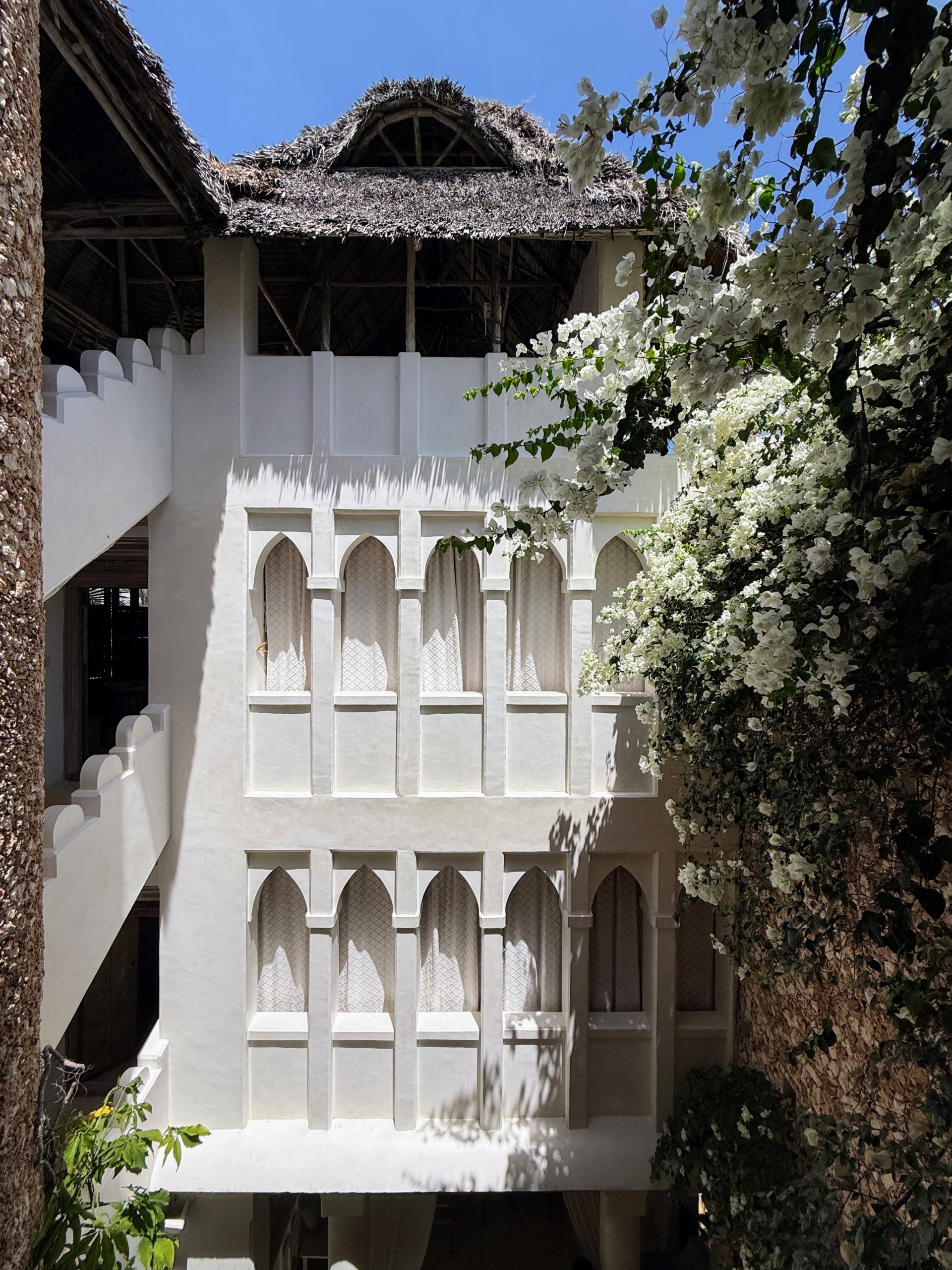
- In Lamu Town, Ryan and his friends rented this house called the “Fishbone” House. It was built to pay tribute to the beautiful Swahili architecture and is decorated with natural elements like found whale bones and drift wood.
-
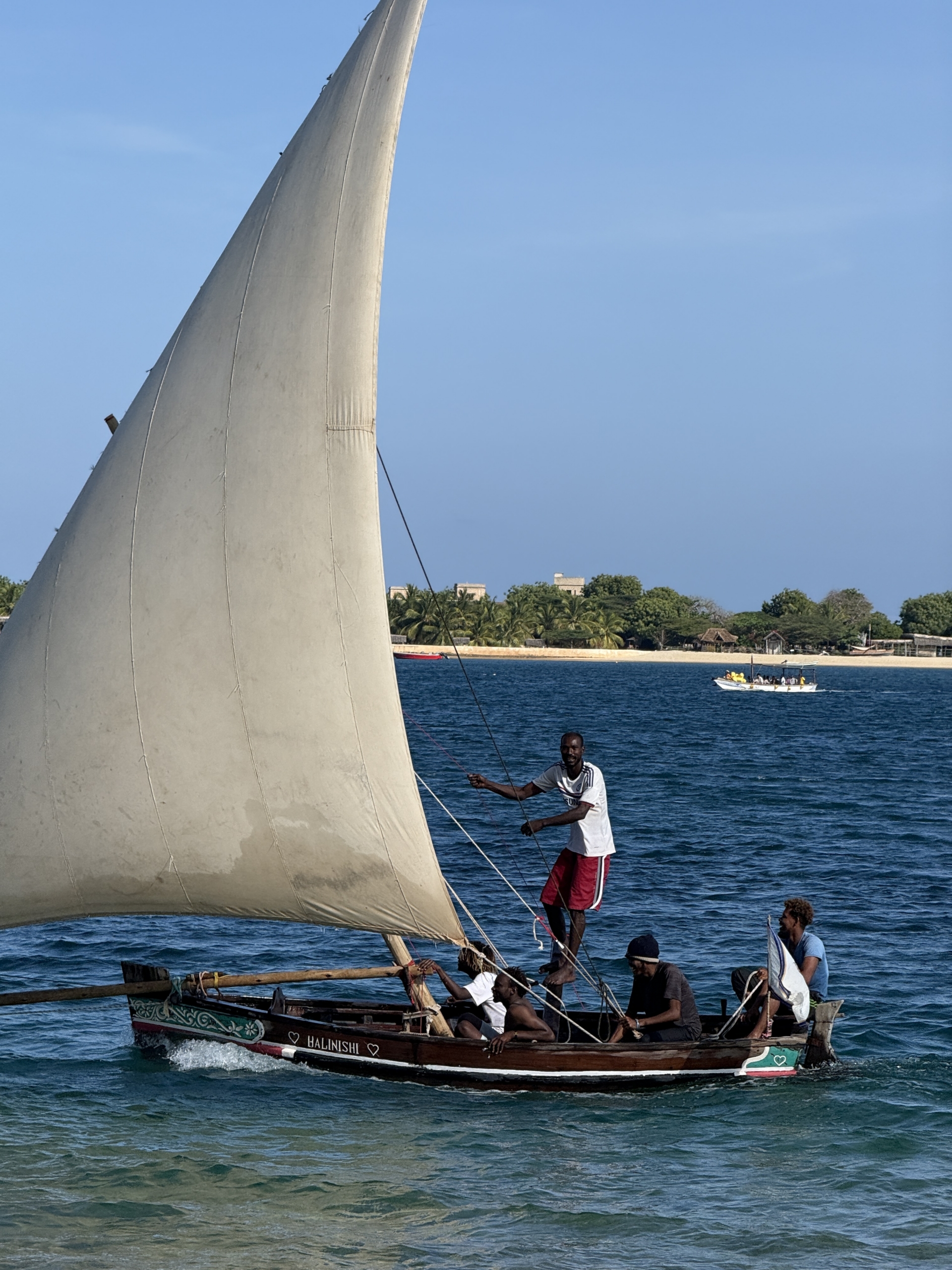
- A dhow is a traditional sailing vessel with a lateen, or triangular sail. Most dhows used in Lamu are made from mango or mahogany wood and can be small like this one, or longer and more ornate. They are built entirely by hand, using methods passed down through generations.
-
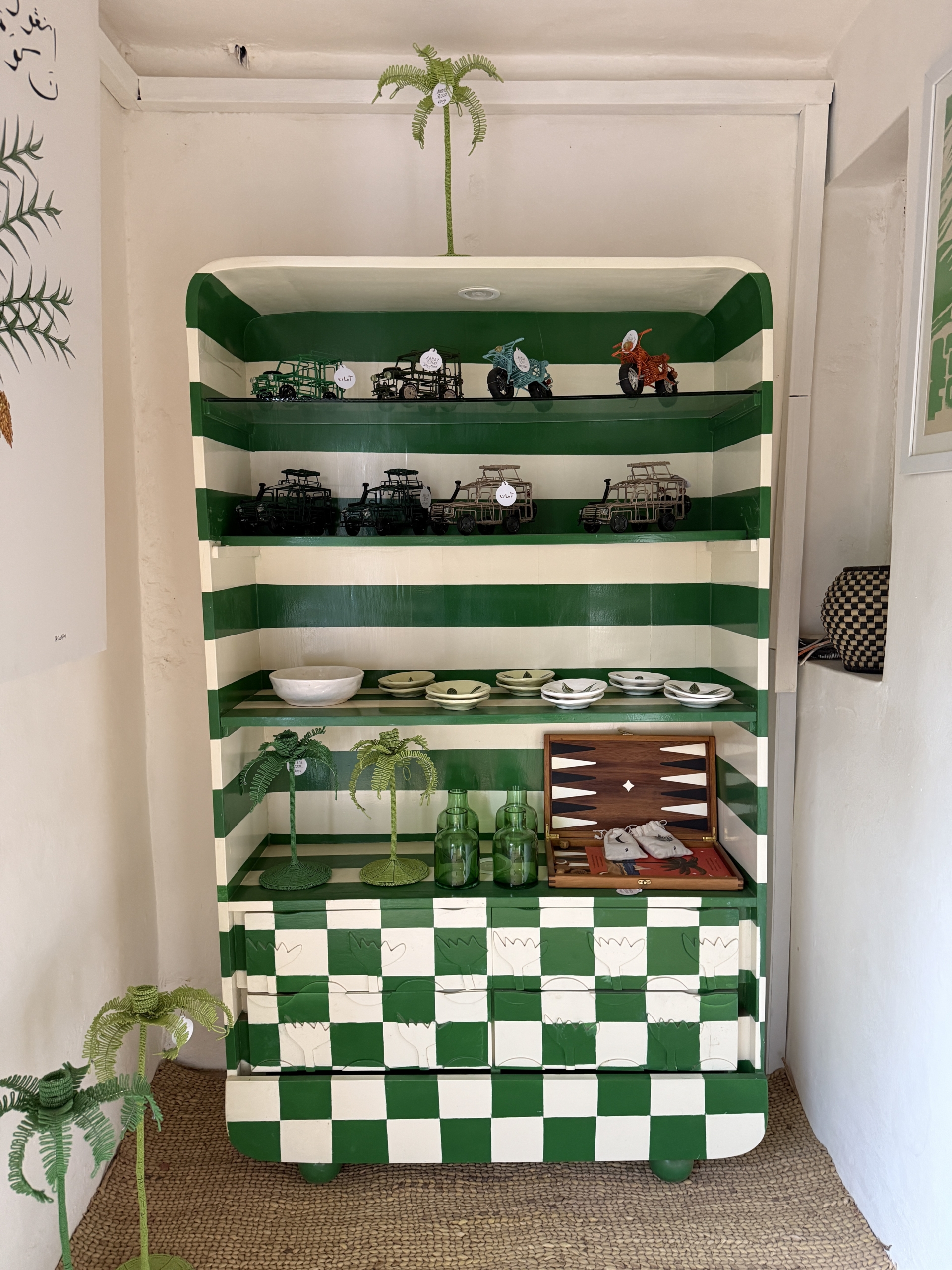
- Walking through Lamu Town, Ryan stopped in several quaint shops, which are popular with tourists.
-
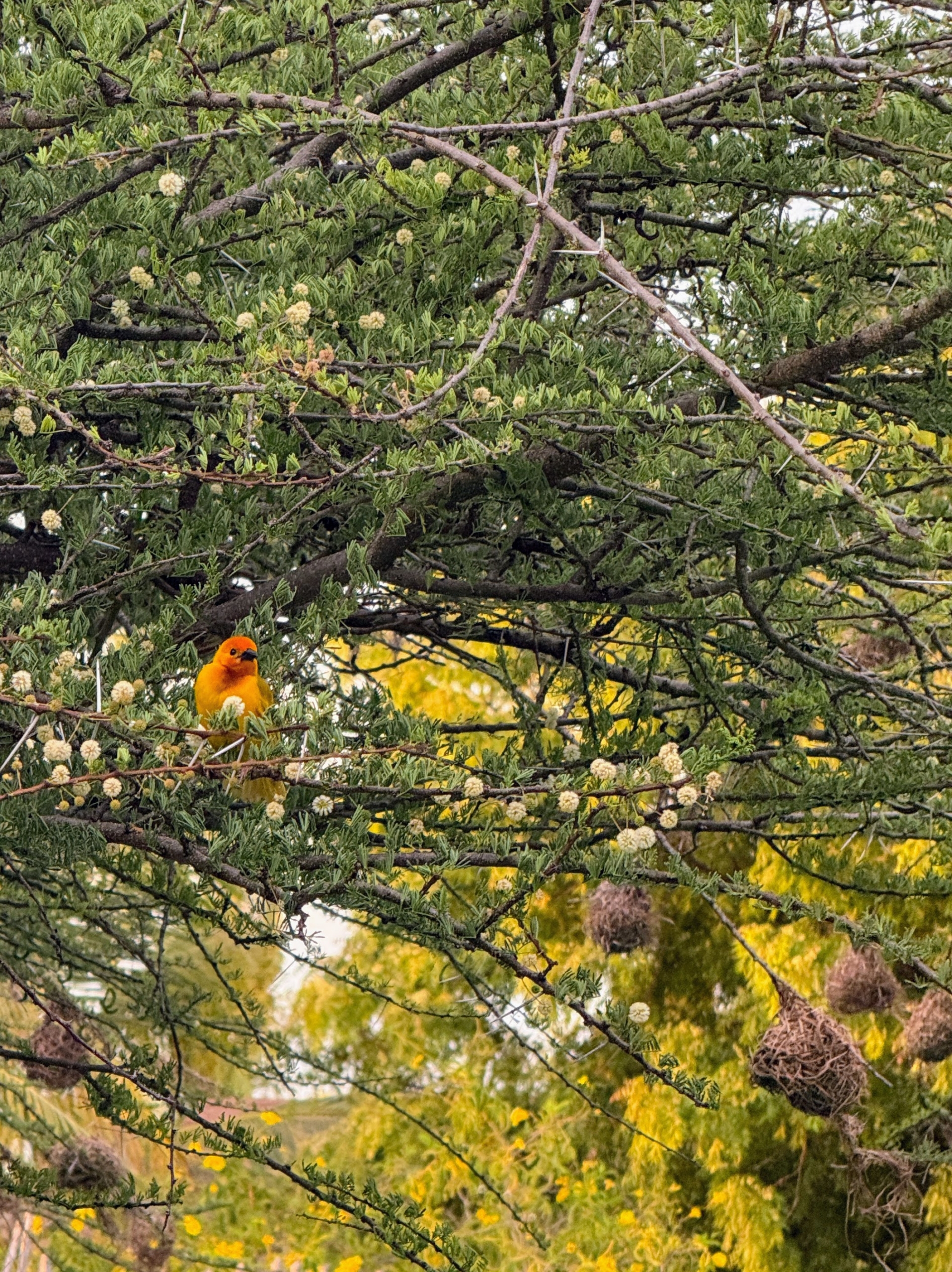
- This is a Goldenn Palm Weaver with its mostly orange to red head.
-
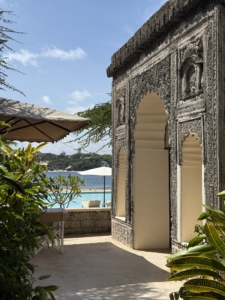
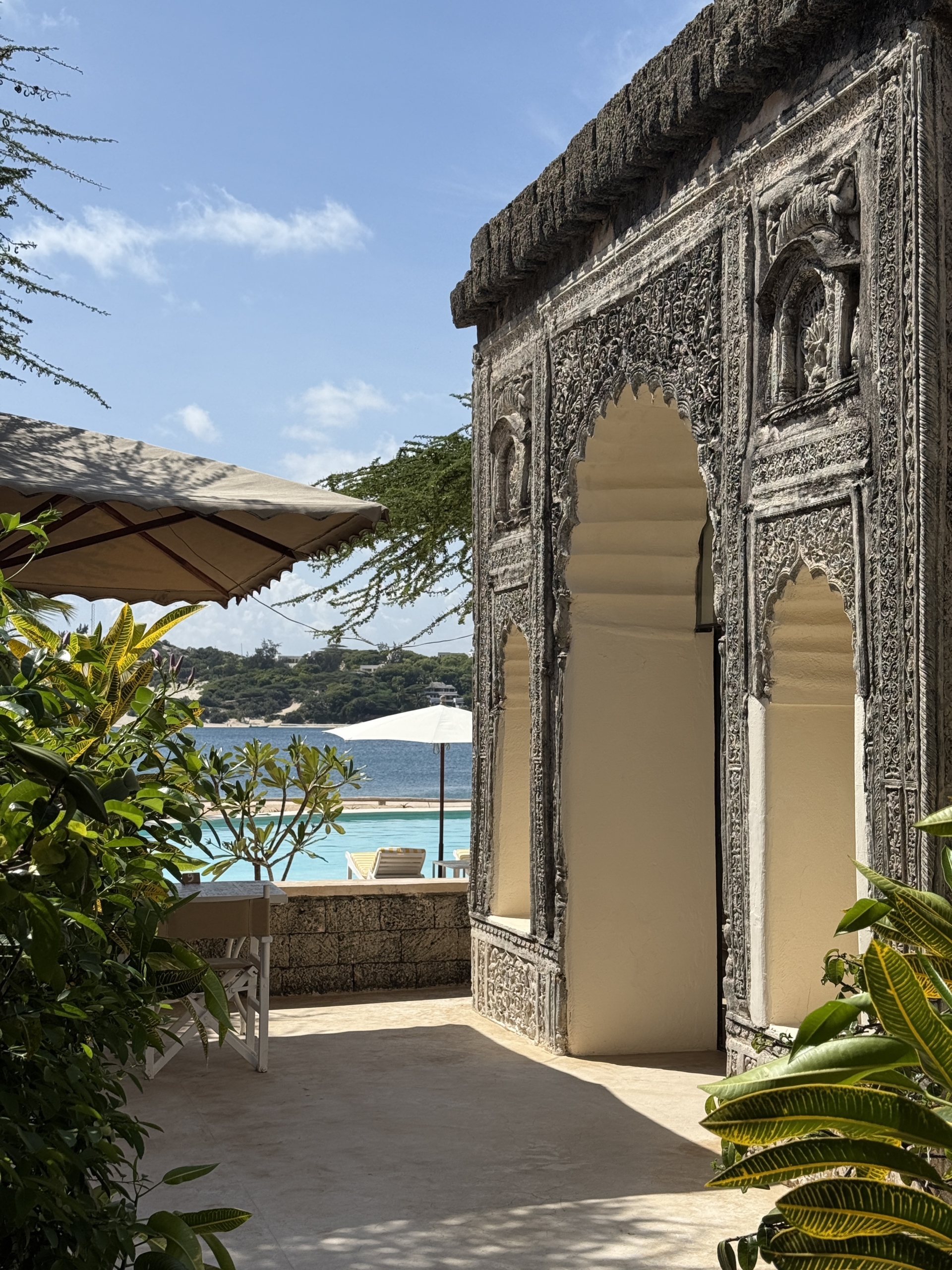
- This is The Majlis Hotel on Manda Island in the Lamu Archipelago. Ryan caught beautiful views from this vantage point.
-
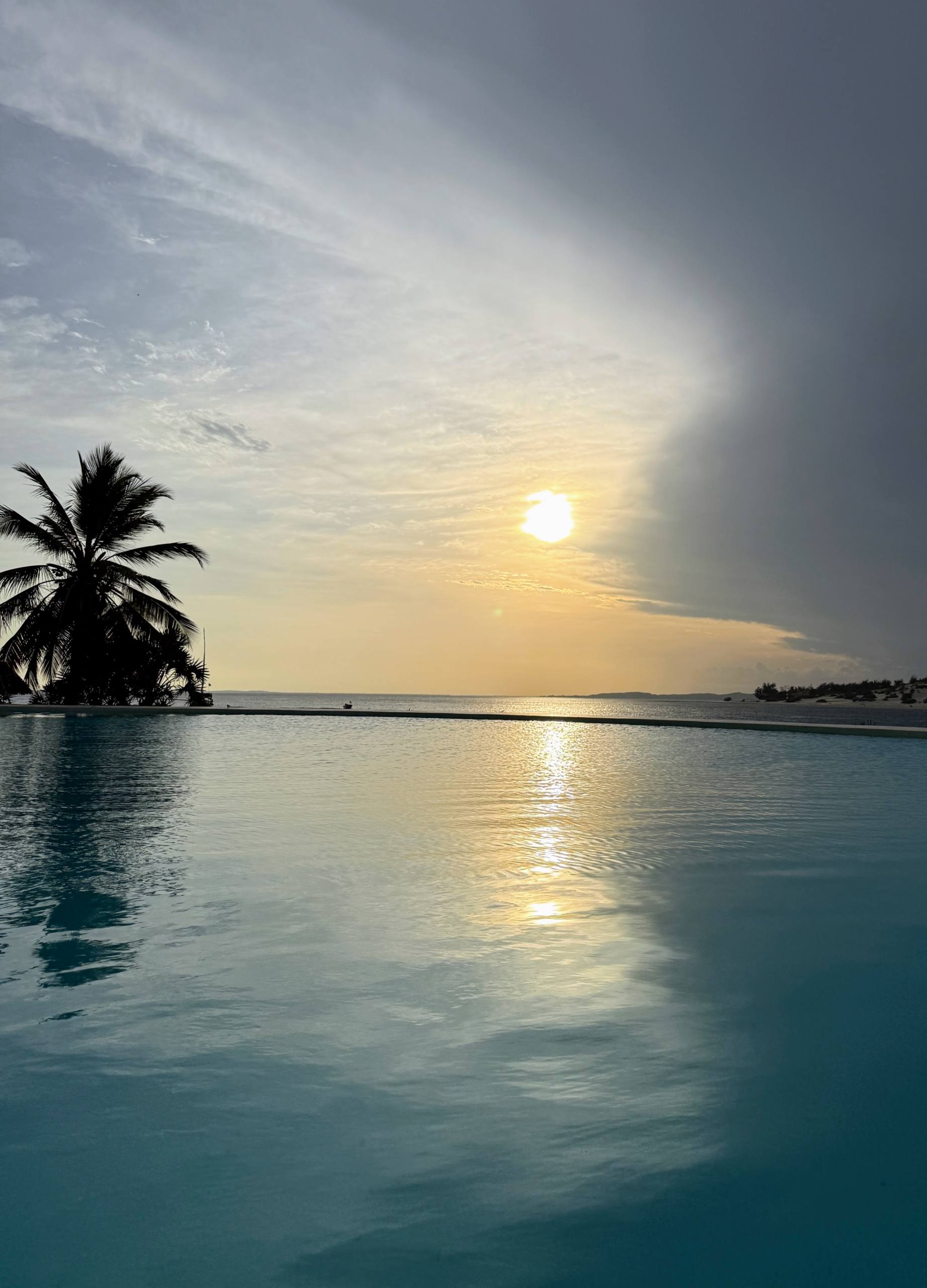
- And a beautiful sunset. I’ve been to Africa several times, but I always learn something new when I see photos from others who travel there. Thanks for sharing your images, Ryan.
This story originally appeared on Martha Stewart Blog

