


After four years, the James Gunn and Peter Safran era of the DC Universe is over. The DCU is still moving forward, and the duo will remain involved in DC projects, including Man of Tomorrow, The People vs. Gorilla Grodd, and another unconfirmed third project. However, their tenure as shepherds of the DC Universe’s long-term plan has ended.
It has been a long road since the pair were announced in October 2022. In January 2023, there was a slate announcement, followed by a corporate takeover of Warner Bros. in 2026.
While the DCU only officially started almost two years ago with Creature Commandos in December 2024, James Gunn hasmade some big swings with a connected universe. With the critical response to titles like Superman and Lanterns, and the respectable success of Clayface, the DC brand is certainly in a better place than when he took over. However, not everything was a hit, and Gunn’s tenure as the head of DC Studios had its fair share of misfires.
The Emphasis on Niche Characters
Audiences Weren’t Willing to Wait for the Big DC Names
-
 Warner Bros.
-
 HBO
Instead of copying the MCU’s template of introducing a bunch of main solo heroes and building up to a team-up movie, Gunn grew the DC Universe by developing projects that touched on various corners. He built out the world with a model he compared to Star Wars.
Gunn didn’t ignore the DC heavy hitters. Superman and Green Lantern had projects centered on them. He also took a chance on a team like the Creature Commandos or a villain movie centered on a lower-tier Batman foe like Clayface.
This wasn’t a bad idea. The MCU built its foundation on turning non-A-list characters like Iron Man, Ant-Man, and the Guardians of the Galaxy into big-name properties. However, James Gunn might have been too optimistic about our patience for the arrival of heroes like Wonder Woman, Aquaman, and the Flash. Audience expectations for a shared superhero universe are high, and Gunn fought an uphill battle to get people on board with his plan.
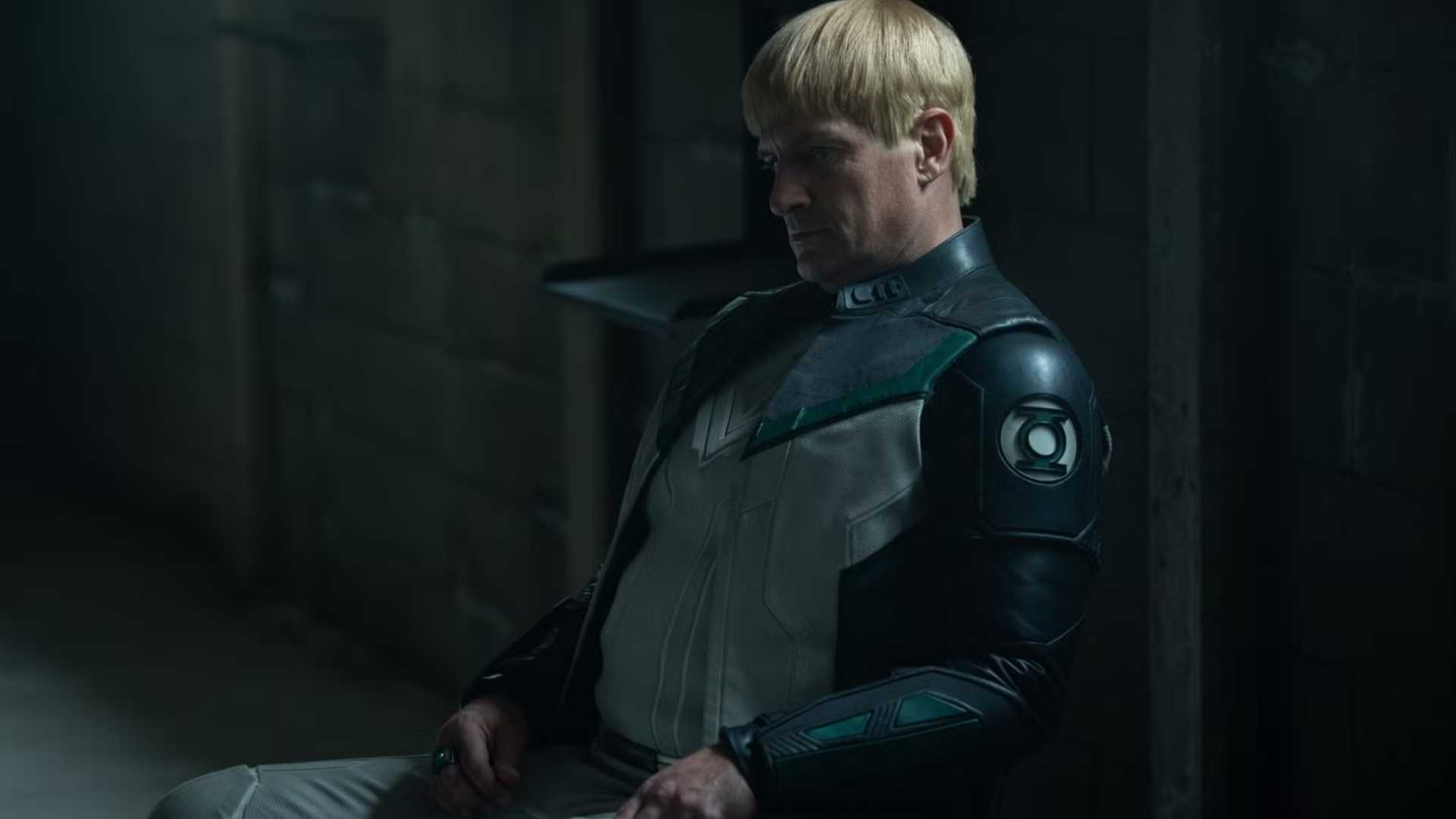
It also didn’t help that Gunn’s DCU connective characters were Rick Flag Sr. and Guy Gardner, rather than more recognizable names. Maybe if there were announcements about projects based on big DC characters who had never appeared on screen before, like Zatanna or Static Shock, people wouldn’t constantly ask about what audience they were trying to appeal to once a new project was announced.
There Has Been No Batman News
Delays to ‘The Batman – Part II’ Impacted the DCU’s Batman
Despite the abundance of Batman movies, whether and when the DCU would introduce its own version of Batman became a constant thorn in Gunn’s side. Even after the initial announcement of The Brave and the Bold in January 2023, development has been slow. Gunn also didn’t inspire much confidence when he tapped Andy Muschietti to direct and Christina Hodson to write The Brave and the Bold after their previous work on The Flash.
It was clear that part of the delay for the DCU Batman came from James Gunn actually wanting to honor Matt Reeves’ vision for The Batman — Part II and let that movie come out first before introducing another Batman. That was a commendable decision, and so was allowingSteven Soderbergh to finish filming the upcoming sequel while Matt Reeves dealt with a personal issue. Reeves will return for post-production.
Yet the many delays to The Batman – Part II had a domino effect on the DCU’s introduction to Batman. Gunn didn’t need to rush another Batman movie into development, but if DC Studios had announced an actor to play the character, some might have been more lenient.
After all, Ben Affleck was cast as Batman in August 2013, which was around two and a half years before his big-screen debut in Batman v. Superman: Dawn of Justice. The potential financial gains of a new Batman movie were too big for Warner Bros. to wait on.
‘Supergirl’ Was a Flop
The Second Film in the DCU Hurt the Franchise’s Reputation Early On
-
 Warner Bros.
-
 Warner Bros.
-
 Warner Bros. Pictures
There is no way to shake it; Supergirl was both a financial and critical flop for Warner Bros. and the DCU. The film cost between $165 and $170 million to produce and brought in only $72.3 million domestically and $126.4 million worldwide (via Box Office Mojo).
Critics and audiences largely dismissed the movie, which earned a middling 52% on Rotten Tomatoes and a B- on CinemaScore. Supergirl being released so early in the DCU’s run certainly damaged the brand’s reputation and likely dampened excitement and momentum.
Even when a movie like Iron Man 2 was considered a critical disappointment in the early days of the MCU, it still managed a 72% on Rotten Tomatoes and $623.9 million worldwide. Supergirl was also the movie where reports started to emerge that Gunn wasn’t following his own ambitious words about the DCU being “director-driven” and that no film would move forward until a script was ready.
DC Studios Fell Back on Its Promise to Be Director-Driven
James Gunn Became the Very Studio Head He Criticized
In January 2023, when James Gunn announced his initial DCU slate, he said:
“One of the things that is very important for me in all of these movies and TV series is that the director’s vision and the vision of the writers and all of the creators is unique and something special. Storytelling is always king, that’s all that matters to us.”
Gunn also stressed the importance of finishing screenplays before cameras roll. This was both a statement of intent by Gunn as the head of DC Studios, but many also saw it as a dig at Marvel Studios. Since the beginning of the MCU, reports have surfaced about projects beginning filming before a script was completed. Directors ranging from Nia DaCosta to Louis Leterrier have said the studio took over and cut down their movies. DC Studios was going to be different. Unfortunately, that wasn’t the case.
Despite the initial exciting announcement of a Challengers reunion between director Luca Guadagnino and screenwriter Justin Kuritzk, Sgt. Rock was shelved. Reportedly, the script didn’t meet Gunn’s standards, leading both Guadagnino and Kuritzke to drop out. The DCU lost an acclaimed director and writer, and the cancellation became even more frustrating after Supergirl’s release. The movie’s screenplay drew widespread criticism, particularly compared with its acclaimed comic source material.
Supergirl highlighted many of Gunn’s struggles as a CEO and his creative ambitions. The Hollywood Reporter detailed behind-the-scenes issues with Supergirl, including Gunn and the film’s director, Craig Gillespie, never being creatively aligned. Despite saying he would trust the filmmaker’s vision, Gunn and DC Studios reportedly took a hands-on approach to editing Supergirl. Ultimately, Gunn had made the same decision he had criticized in the past, calling into question if the DCU was actually that different from its competitors.
Announcing Projects and Never Moving Forward
Several Announcements, But Nothing to Show For Them
-
The Authority from DC Comics DC Comics -
 DC Comics
-
 DC Comics
Part of the appeal of James Gunn coming aboard DC Studios and shepherding plans for a new shared universe was the sense of cohesion and certainty among projects. The days of the DCEU announcing three different Harley Quinn-related movies were supposedly done.
Gunn laid out a diverse slate of films and television titles spanning various corners of the DC Universe, and there was plenty of room to announce more. The DCU followed in the path of its predecessor and gained a reputation for announcing projects and not following through.
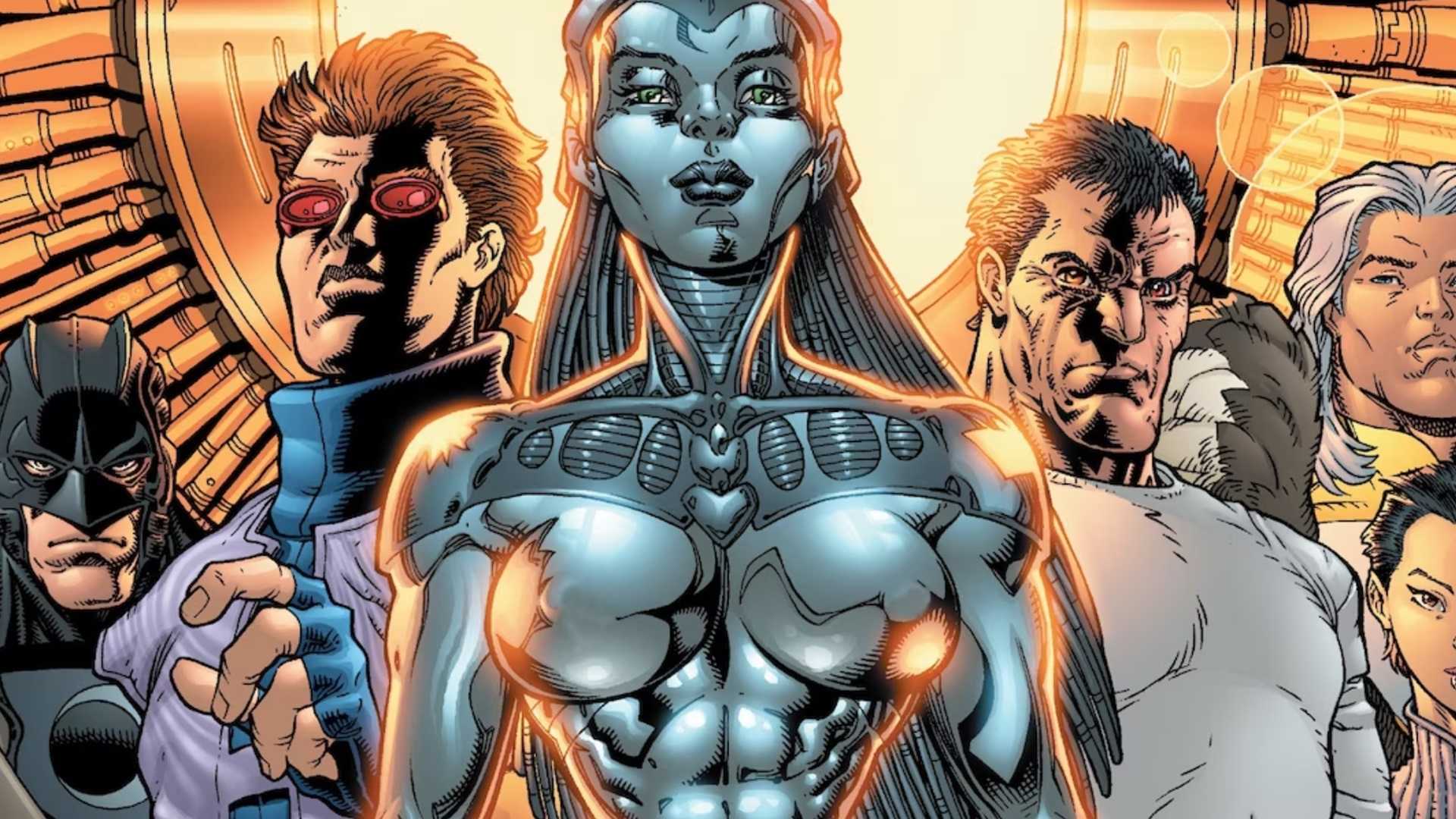
In addition to the previously mentioned Sgt. Rock, there was also The Authority, a film based on a more violent team of heroes. It was ultimately canceled because Gunn said the script never reached the level he wanted. The Wonder Woman prequel series Paradise Lost never manifested, while Booster Gold has cycled through at least two creative teams.
Even though Marvel Studios has its fair share of film announcements that never happened, they’re few and far between. What made Blade‘s lack of development so frustrating is that when the MCU announces a movie, it typically happens.
Inhumans and The Runaways were shifted to TV. For every DCU title that was completed, just as many were halted, creating a sense that the DCU was making the same mistakes as its predecessor.
A Large Focus on Adult-Oriented Stories
The DCU Only Had Two Titles for Kids to Enjoy
-
 Warner Bros. Pictures
-
 HBO
-
 HBO
What is strange about James Gunn and Peter Safran’s tenure as heads of DC Studios is that, despite being considered lighter than the grim, dark DC projects of Zack Snyder, the DCU’s projects were largely aimed at mature viewers rather than kids. Of the six DCU titles released under James Gunn and Peter Safran’s tenure, four of them had either R-ratings (Clayface) or TV-MA (Creature Commandos, Peacemaker Season 2, Lanterns).
Only Superman and Supergirl were aimed at a wide four-quadrant audience. Even then, Supergirl‘s depiction of an alcoholic superhero might not have appealed to families. This isn’t to say the DCU should have appealed only to a wide audience, though.
In fact, the R-rated material helped distinguish it from the MCU and showed how vast the universe could be, allowing a PG-13 action adventure like Superman to exist alongside the body horror of Clayface. Gunn wanted to show that superheroes could be part of many genres and appeal to different audiences, even those burned out by superheroes.
An attempt to appeal to a wide audience might partly explain why Skydance hired Jeremy Latcham, whose work at Marvel Studios and in family-friendly movies like The Breadwinner suggests a producer who wants to appeal to a four-quadrant audience. Latcham has said a guiding principle at Marvel Studios was asking if his grandparents would enjoy the film. That could become the DCU’s new direction, giving audiences what they want. However, that could come at the expense of creative swings that led to Lanterns, a TV show audiences didn’t know they wanted until they got it.
This story originally appeared on Movieweb

