


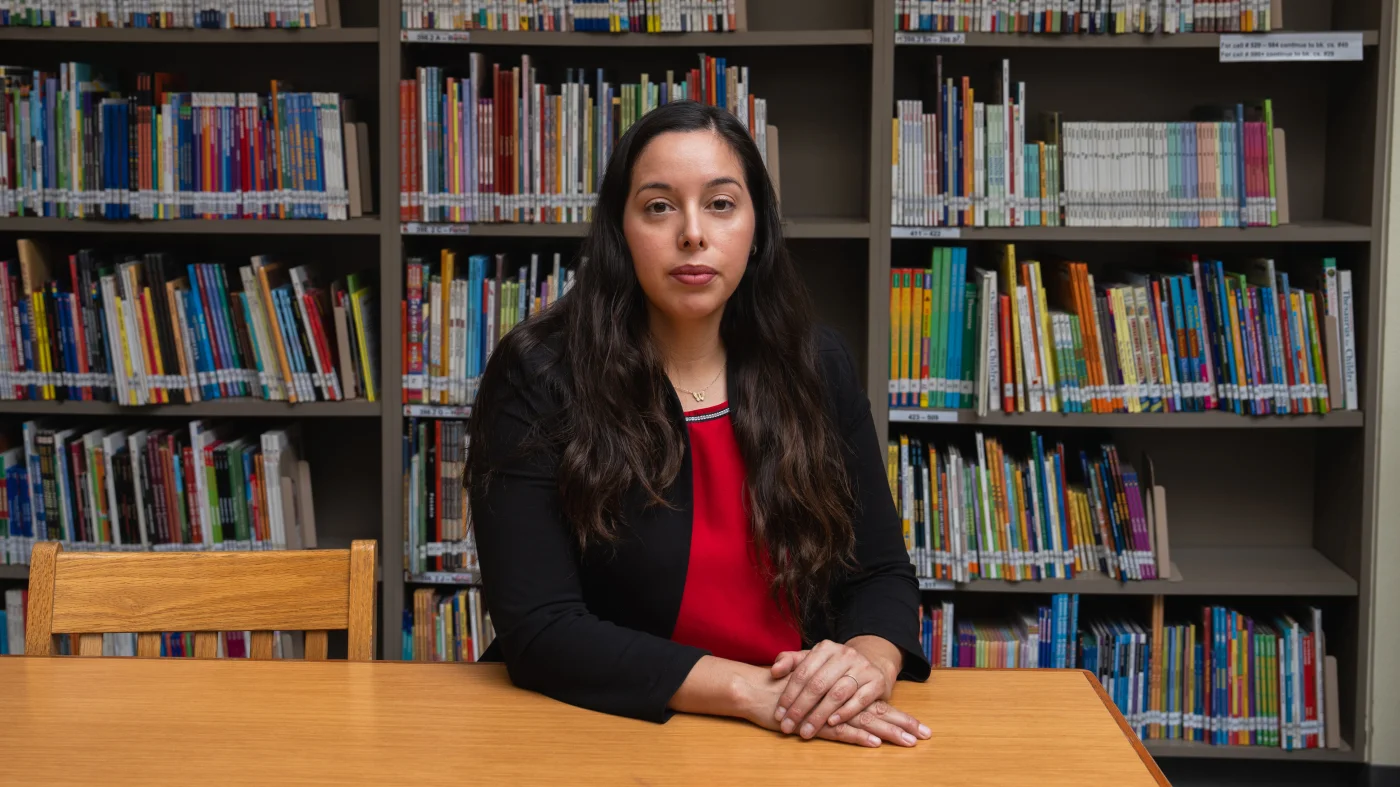
Kelly Gonez, a longtime school board member in the Los Angeles Unified School District, says public school enrollment declines worsened after ICE raids escalated in the city in 2025. District officials say low birth rates and the loss of immigrant children in classrooms mean school campuses will likely have to close.
Carlos Jaramillo for NPR
hide caption
Carlos Jaramillo for NPR
Catch up on what you missed with our Education newsletter, sent weekly.
LOS ANGELES — Long before the Trump administration started deporting hundreds of thousands of immigrants, many with school-age children, public schools nationwide faced a massive and accelerating drop in student enrollment caused mostly by shrinking families.
“Birth rates here in Los Angeles County have been declining for decades, which means fewer children enrolled in our schools,” said Kelly Gonez, a board member in the LA Unified School District (LAUSD), the second largest in the country, which lost more than 300,000 students over the last two decades.
LA isn’t alone. The population of children under age 18 began to fall nationwide after 2010, according to U.S. Census data, dropping by roughly 2.1 million kids through 2025.
With public schools in much of the country facing a demographic cliff, the Trump administration last year began detaining and expelling large numbers of foreign residents. A study by the Migration Policy Institute found as many as 1.9 million people left the U.S. during the first 18 months of Trump’s second term.
As part of the crackdown effort, federal officials weakened restrictions that prevented ICE agents from operating near public schools. “Many of our families immediately went into hiding,” Gonez said. “We were predicting a 2% drop in enrollment. It was double that.”
Researchers who study education and population trends aren’t surprised. This is the first time in nearly a century, since the era of the Great Depression, that birth rates and immigration levels are low at the same time. Large-scale deportations mean even bigger and more rapid changes in areas with large immigrant communities.
“The U.S. isn’t alone in facing the challenges of demographic decline,” said Thomas Dee, an economist who specializes in education policy at Stanford University. “To stop or slow immigration really exacerbates those problems. Communities are now confronting very painful decisions about closing schools.”
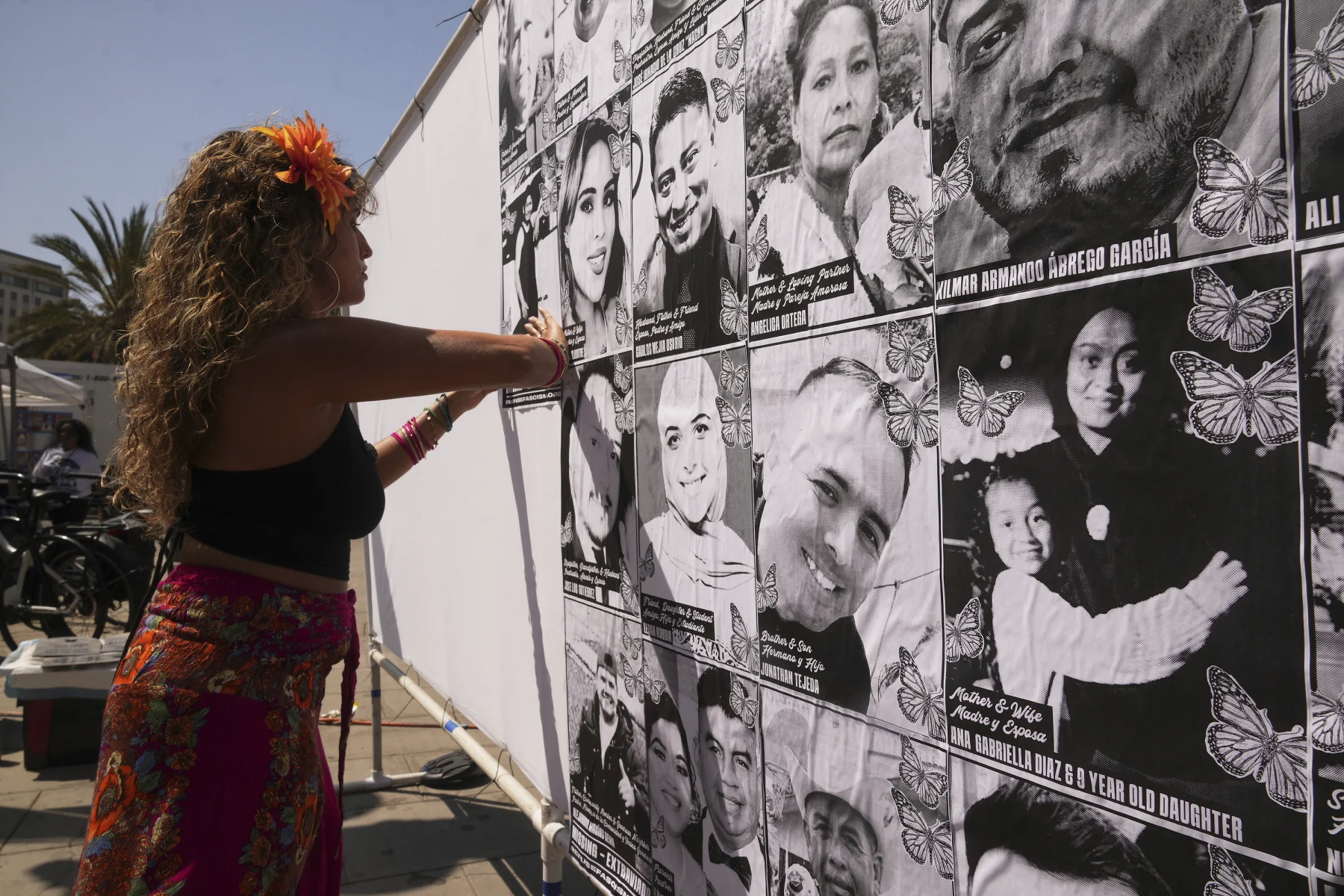
Special needs teacher Deja Nebula sets up an art installation displaying names and faces of people who have been detained or deported during ICE raids in Southern California, at Olvera Street Plaza in Los Angeles, July 2025.
Damian Dovarganes/AP
hide caption
Damian Dovarganes/AP
The scale of decline is daunting. According to the U.S Department of Education, the number of kids in public schools nationwide peaked in 2019 and fell by roughly 1.5 million students as of the 2024 school year.
Based on data gathered before Trump’s immigration crackdown began, federal researchers project enrollment will decline by at least another 2 million students by 2030. That would mean a 7% national decline in roughly a decade.
40 states see public school enrollment declines

An empty classroom is seen at Hollywood High School in L.A. The school district has begun a process aimed at closing and consolidating schools.
Rodin Eckenroth/Getty Images
hide caption
Rodin Eckenroth/Getty Images
It’s unclear how large or sustained the impact of Trump-era immigration policies will be on enrollment trends. Dee and other researchers say that depends on how long ICE crackdowns and other restrictions remain in place.
In the short term, the blow to many districts could be severe. When Dee studied public schools in communities hit by ICE raids in California’s Central Valley in 2025, he found student daily absences spiked more than 20%.
Texas, meanwhile, saw the number of kids in classrooms plunge statewide last year by more than 76,000 students. The vast majority of that drop came among Hispanic kids and the children of immigrant families, according to a study by the Texas Education Agency.
Florida, home to a large community of Haitian refugees who were stripped of temporary protected status by the Trump administration in July, saw a big drop in enrollment this year. The state’s two largest public school districts, Miami-Dade and Broward County, lost roughly 30,000 children combined in a single year.

“It’s really the effect of both the exodus of the existing families and stopping the inflow [of foreign migrants and children] that normally would have occurred,” Dee said.
A report published in June by two education think tanks, Bellwether and WestEd, warned that public schools have entered an era of “sustained” enrollment declines which are already reshaping districts in 40 states.
The analysis found the “primary overall driver of declining enrollment is a sustained drop in birth rates” followed by a “national slowdown in immigration.”
“At the local level, enrollment decline may permanently reduce available resources and will significantly reshape public education systems for years to come,” the study concluded, while predicting a loss of $11 billion a year in public school funding linked to falling enrollment.
Other factors have spurred public school enrollment losses, including the COVID-19 pandemic and the shift of more students to private and homeschool learning. But the U.S. Department of Education projects private schools, too, will lose more than a million students by the end of this decade.
“We had over 200 students that didn’t show up”
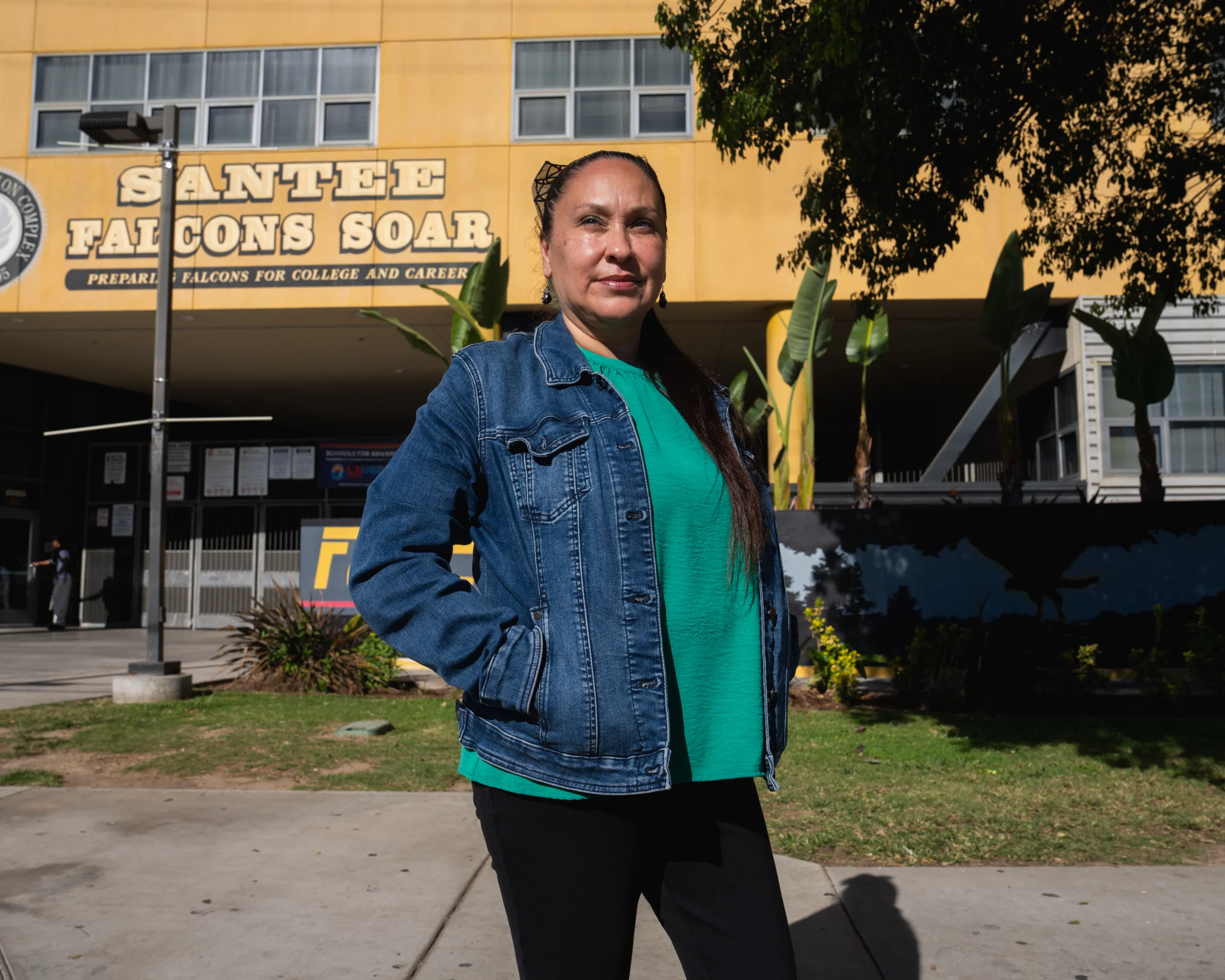
Guadalupe Cardona, a teacher in the Los Angeles Unified School District, said kids vanished from her public school after ICE raids surged in 2025.
Carlos Jaramillo for NPR
hide caption
Carlos Jaramillo for NPR
While debates over immigration policy play out in Washington, D.C., teachers, parents and students say ICE crackdowns already mean more empty classrooms and less vibrant neighborhoods around schools.
“This street right here is actually where the ICE standoff happened. It was right before school,” said teacher Guadalupe Cardona, who stood recently outside Santee Education Complex, a high school in South Los Angeles as school buses rumbled past.
In October 2025, an ICE agent opened fire here. No children or school employees were injured, but a man from Mexico without legal status and an ICE agent were struck by bullets. Cardona believes fear following that clash and other raids caused enrollment to plummet.
“In my school alone, we had over 200 students that didn’t show up on the first day of school,” she said.
“We found that a lot of them were just [gone], no longer living where they had put their address down. We lost two teachers at the beginning of the school year because of it. It is something that hurts beyond just, like, putting your job at risk.”
Guadalupe Pineda, a parent, works in a shop just down the street from Santee High. She says dread of ICE, combined with fewer students coming and going, have hurt her community. “There’s definitely less sales, less traffic, less everything.”
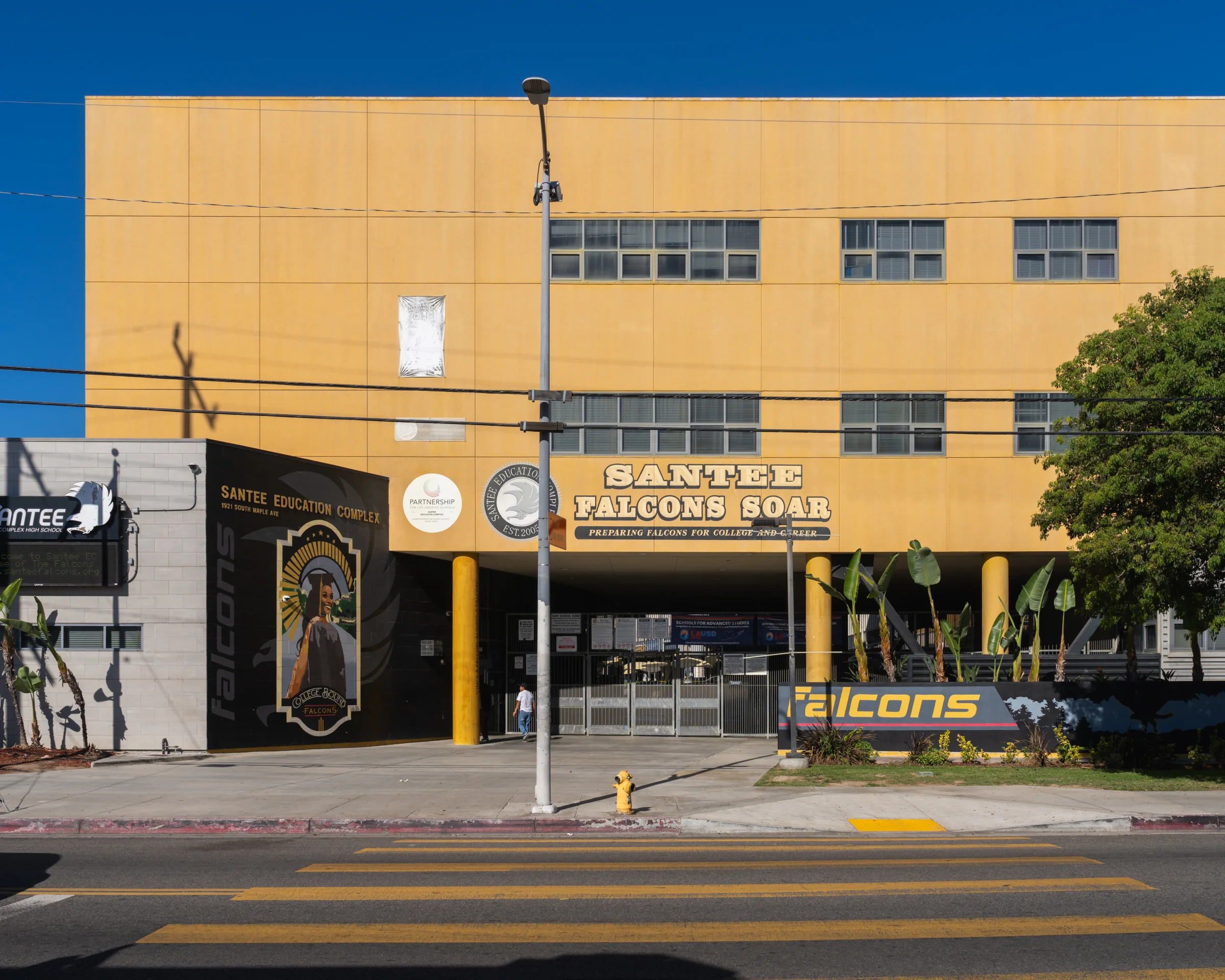
Declines in enrollment at Santee Education Complex, a high school in Los Angeles, intensified after immigration raids started in the city last year. Education experts say public schools nationwide are being hit hard by low birth rates and aggressive Trump-era immigration policies.
Carlos Jaramillo for NPR
hide caption
Carlos Jaramillo for NPR
After growing up in LA and attending public school here without legal status, Pineda told NPR she was able to secure U.S. citizenship a few years ago. She said she understands why people are pulling their kids out of school and in many cases leaving the U.S. altogether.
“People are still scared, very much scared to go out to do everyday things. I feel like if I didn’t have everything set [with my immigration status], I would probably leave. I would be afraid of being separated from my family.”
White House celebrates deportation campaign
NPR asked White House officials about the impact on public schools of ICE crackdowns and other federal immigration policies, including the revocation of temporary refugee status for hundreds of thousands of people living in the U.S. legally.
White House spokeswoman Lauren Bis sent a brief email response saying deportations “make American classrooms less crowded.” Bis also pointed to a September post on the social media platform X, where administration officials celebrated the overall drop in the number of legal and undocumented immigrants living in the U.S.
“The total foreign-born population declined 2.9 million from January 2025 to July 2026,” the statement said. “The huge recent decline in the foreign-born population indicates that net migration to the United States was negative in the last year and a half for the first time since the 1930s.”

Advocacy groups that support sharply reduced immigration view these trends as a necessary correction after years of what they describe as lax border security. Ira Mehlman with the Federation for American Immigration Reform said he’s not troubled by the prospect that many public school districts will have to downsize.
“We don’t guarantee the school system X number of kids,” Mehlman said. “That is not the job of our immigration system, that you’re going to have X number of kids every single year and if you don’t, we’re going to go find some for you.”

But research suggests it’s not only foreign-born children disappearing from classrooms. According to Brookings Institution estimates, as many as 4.6 million school-age kids including many U.S. citizens live in homes with family members vulnerable to deportation.
Vanessa Salazar was one of them. She was 18 years old, a U.S.-born senior in LAUSD last year, when her mother was detained and deported to Mexico. “It really threw me off balance,” she said. “Coming home without my mother there to be my anchor, really affected my performance in school.”
Salazar dropped out to cope with what she describes as her family’s trauma and now lives in Mexico with her mother. “It’s like, why am I going to be in this country that doesn’t really want my people, my community or my culture?” she said.
With birth rates hitting another record low last year and ICE now arresting as many as 50,000 people each month, future school district losses could soar.
A study released in August by state officials predicted public schools in California alone could lose another 710,000 students over the next decade “if current trends in fertility and migration hold.”
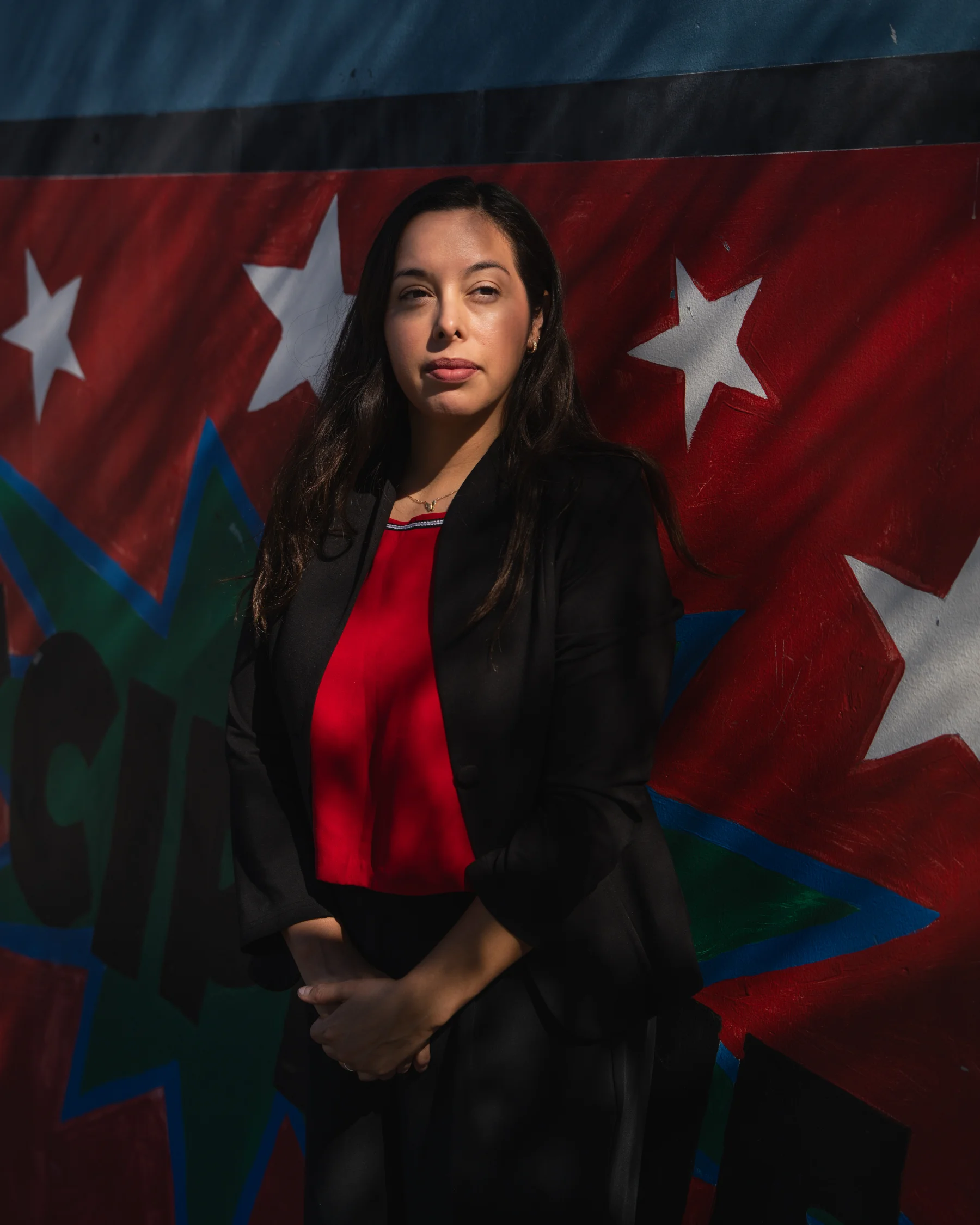
LA school district board member Kelly Gonez said she thinks many of the demographic changes hitting her community are irreversible and will bring big changes, even if the Trump administration’s immigration policies ease.
Carlos Jaramillo for NPR
hide caption
Carlos Jaramillo for NPR
With LAUSD now facing a second school year in a row with 4% enrollment declines, the district announced a citywide effort in September aimed at identifying buildings and campuses that will close.
Kelly Gonez, the school board member, told NPR she expects cuts to be deep and painful. “When your district is roughly half the size of student population it was 20 years ago, it’s hard to find a sustainable path to keep campuses open,” she said.
This story originally appeared on NPR

