


October 2, 2026
Early Colors of Fall at My Farm
If you live in an area where the foliage changes with the seasons, you know how beautiful and exciting this time of year can be.
Here at my Bedford, New York farm, the peak of fall color is still several weeks away, but the changing leaves are already producing touches of gold, amber, and red. Over the years, I’ve planted thousands of trees across the property, making it even more rewarding to watch the landscape transform as autumn unfolds.
Here are some photos, enjoy.
-
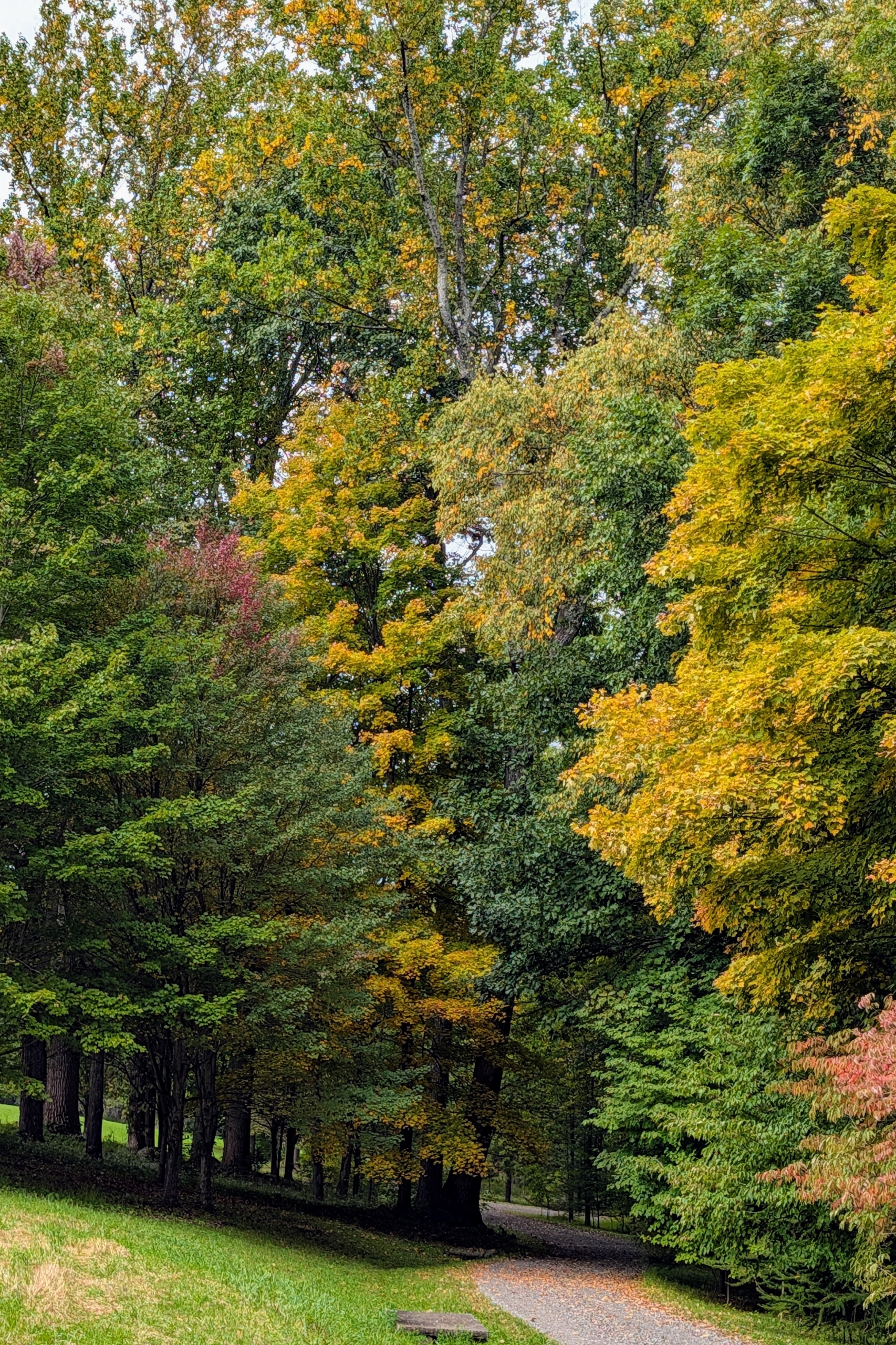
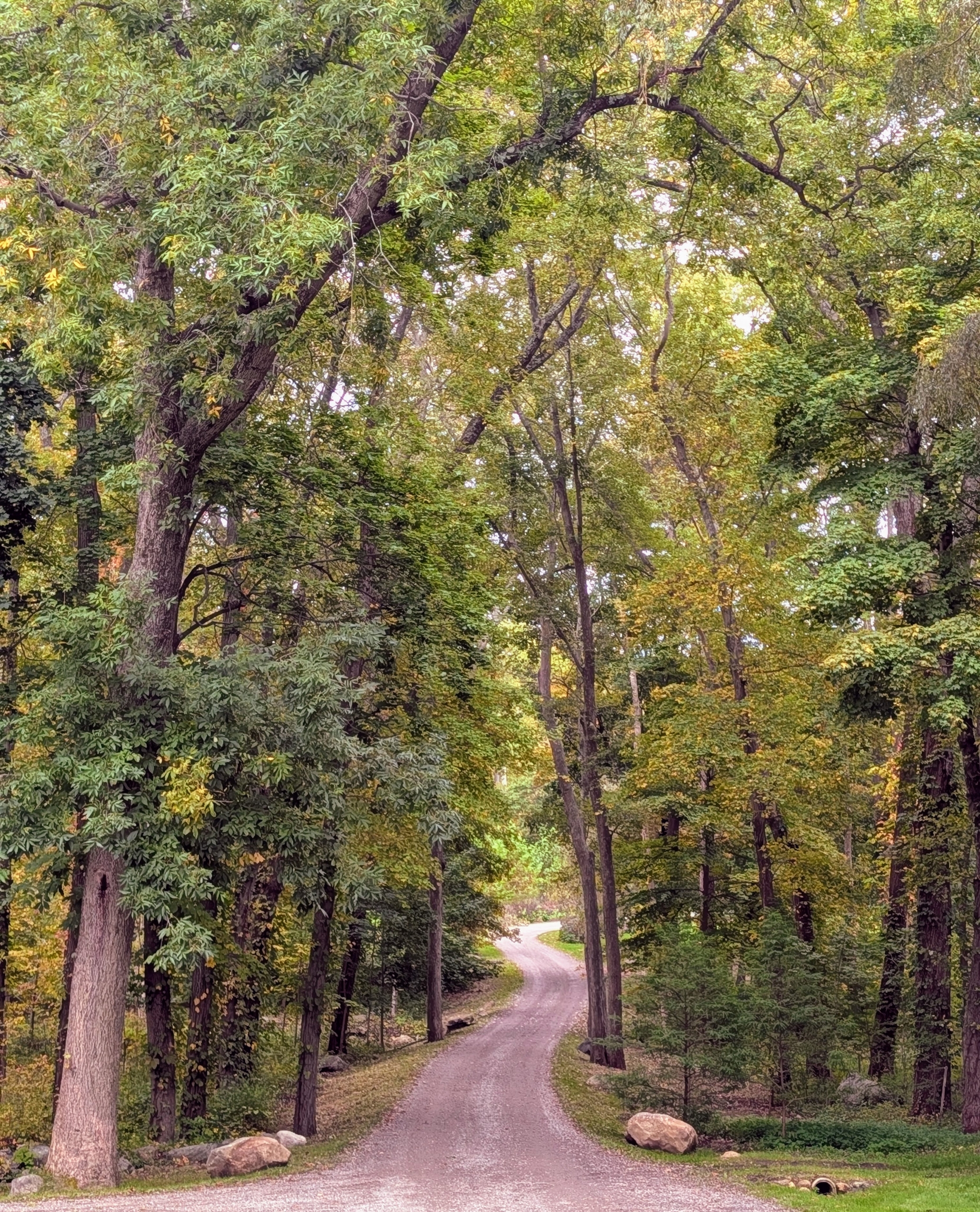
- One of the prettiest times of year to walk the four miles of carriage road around my home and through the woodland is now, when the foliage on so many trees and shrubs begin to show off their fall colors.
-
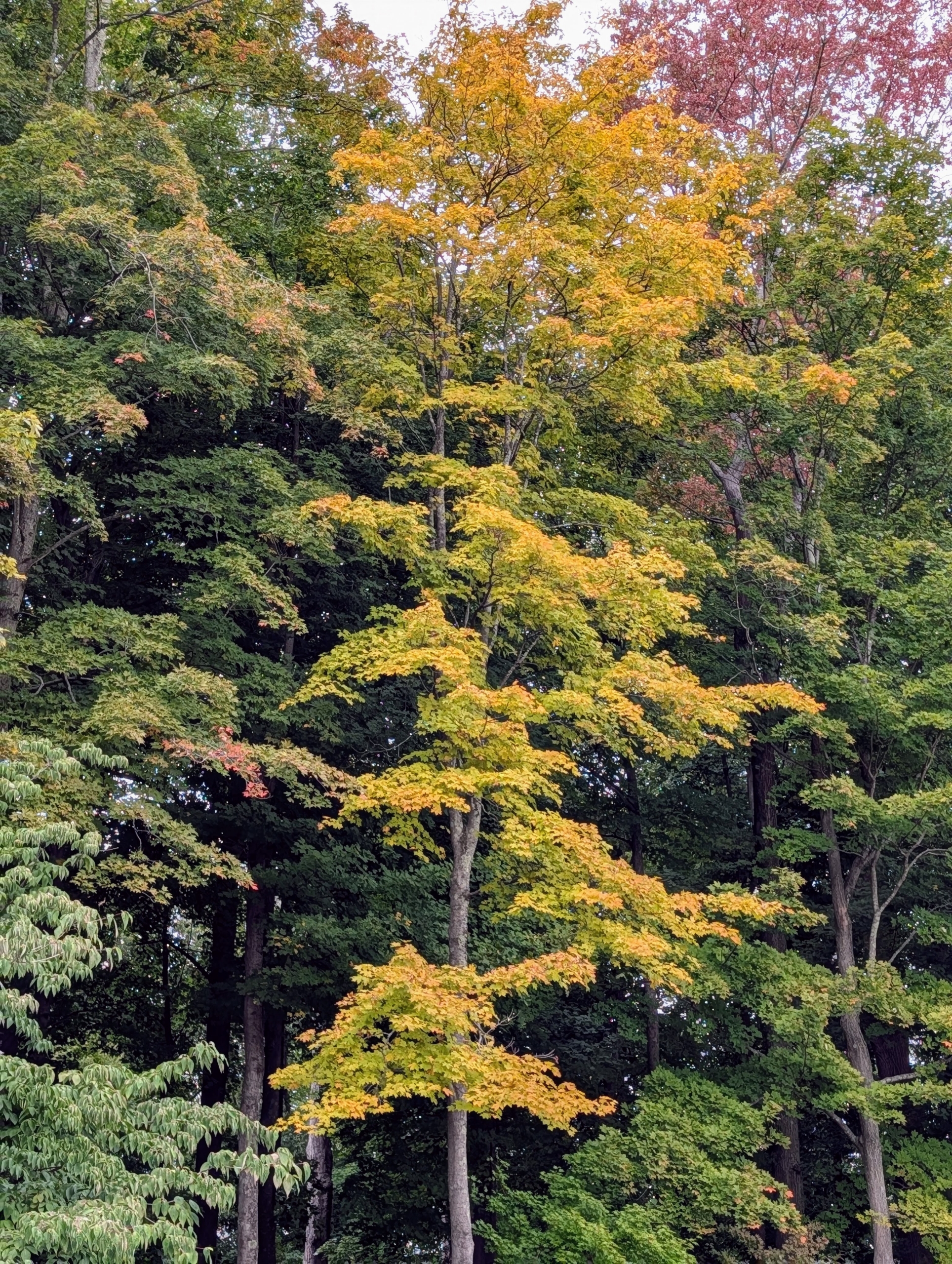
- Late September to early October is when the fall foliage starts to turn here in the Northeast.
-
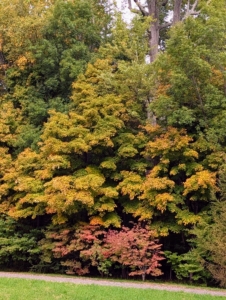
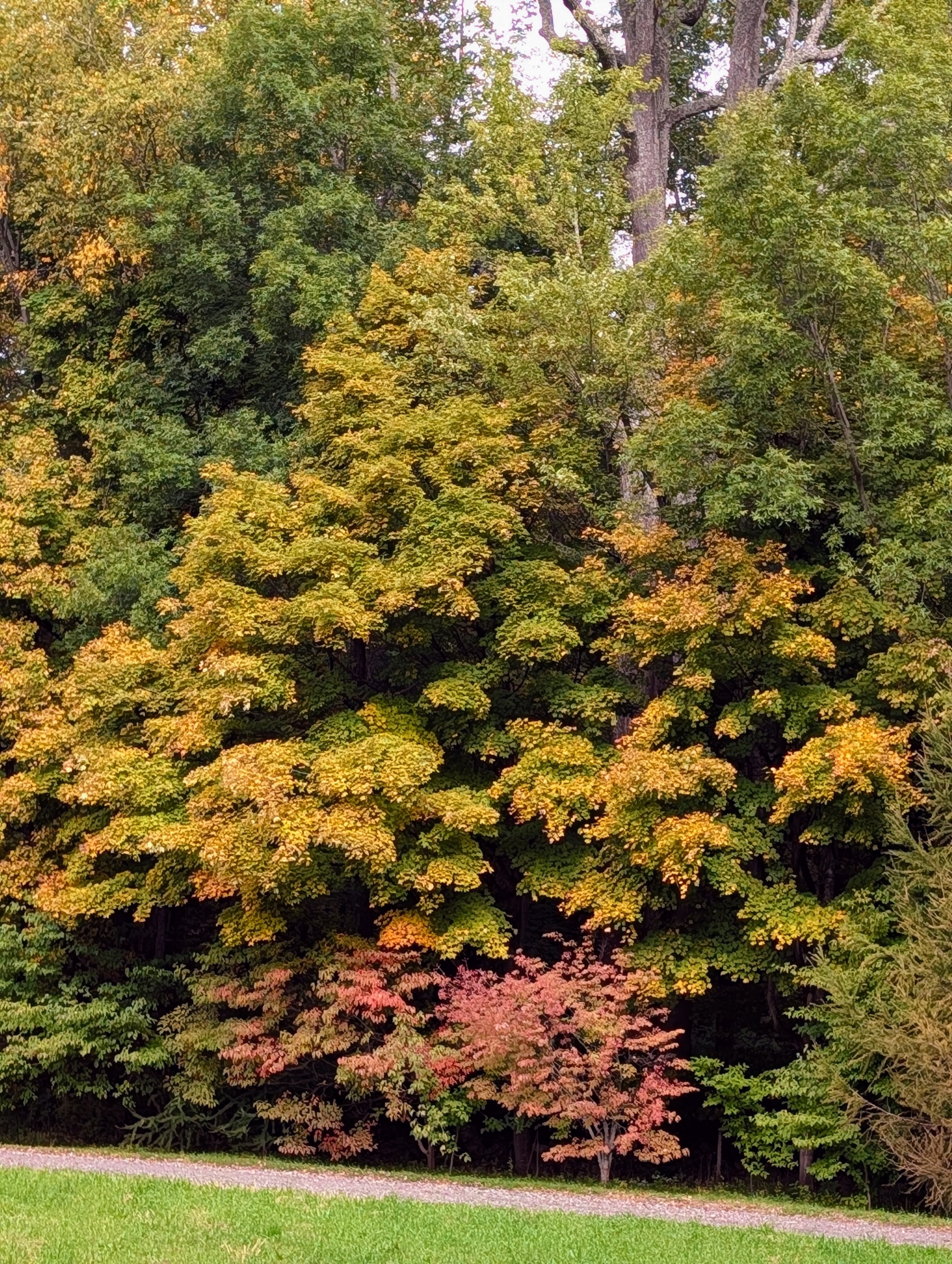
- The range of colors is influenced by several factors, including the type of tree, environmental conditions, and the timing of the leaf drop. Weather also plays a part – cooler nights and sunny days are ideal for the brightest reds and oranges.
-
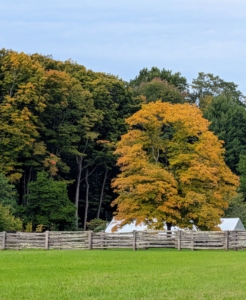
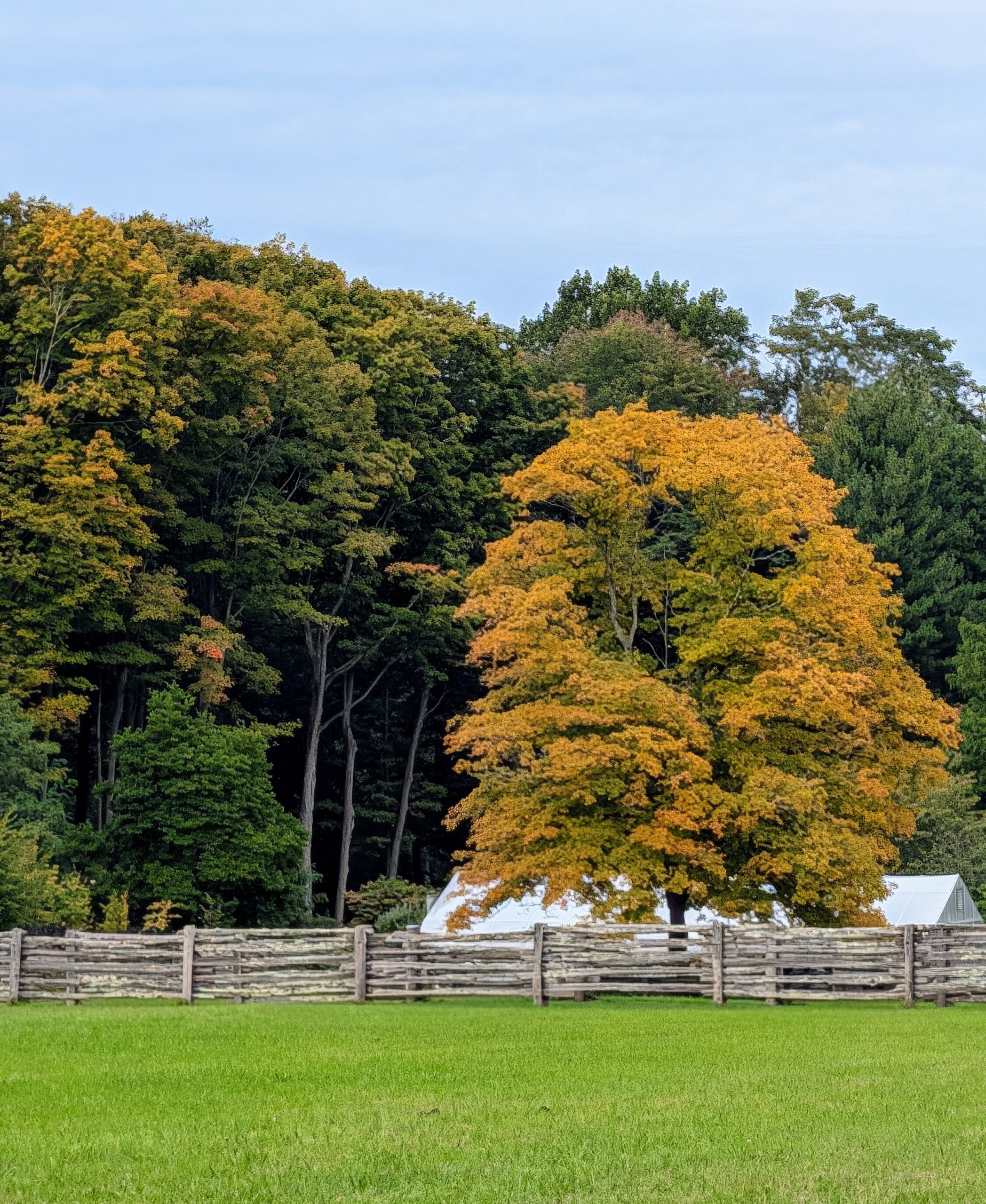
- Because of changes in the length of daylight and changes in temperature, leaves stop their food-making process. The chlorophyll breaks down, the green color disappears, and the yellow to gold and orange colors come out and give the leaves part of their fall splendor. This maple is just up the carriage road from my chickens and near three of my hoop houses.
-
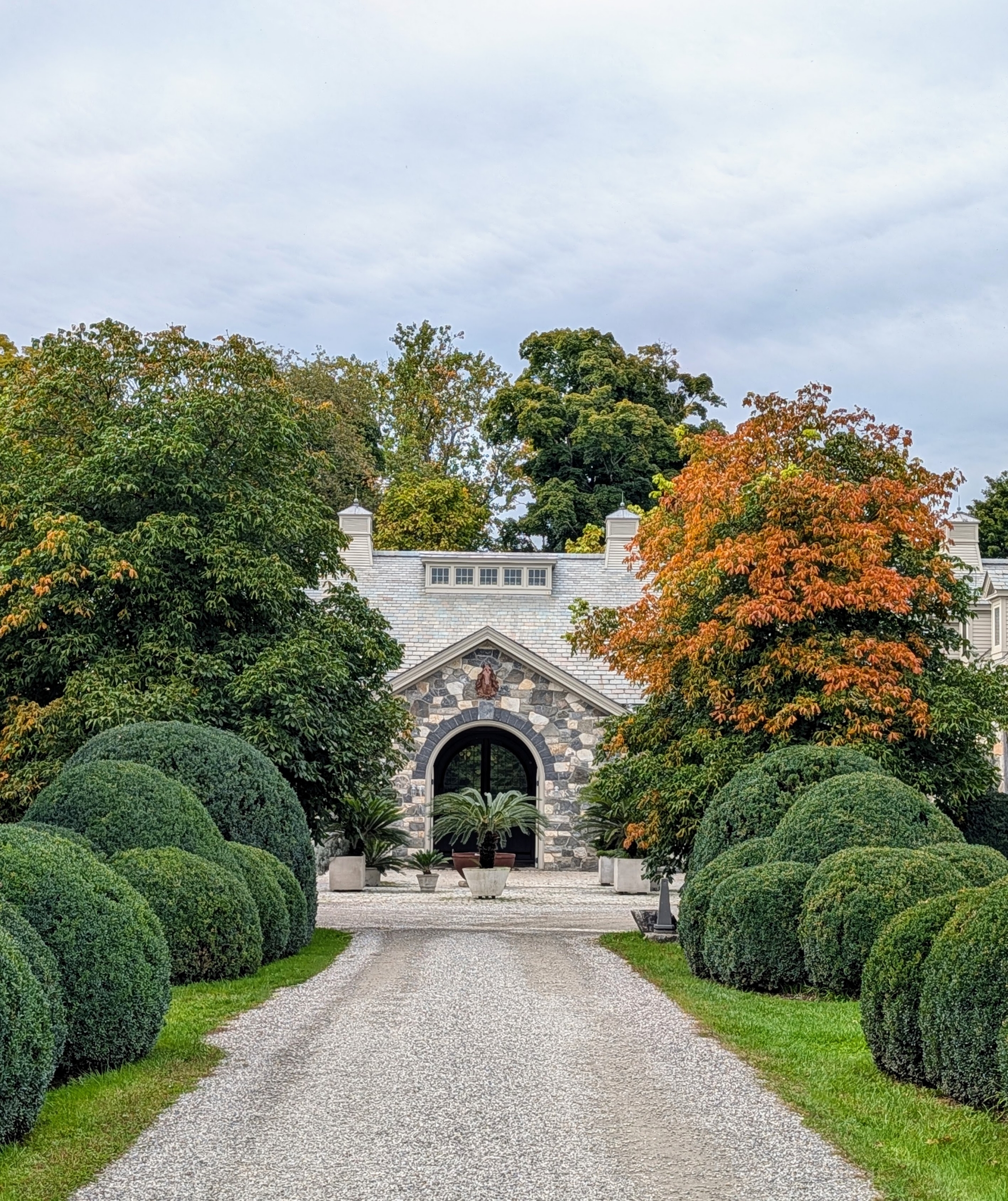
- Here are the horse chestnuts at one end of my long Boxwood Allée. The one on the right is turning beautiful shades of amber.
-
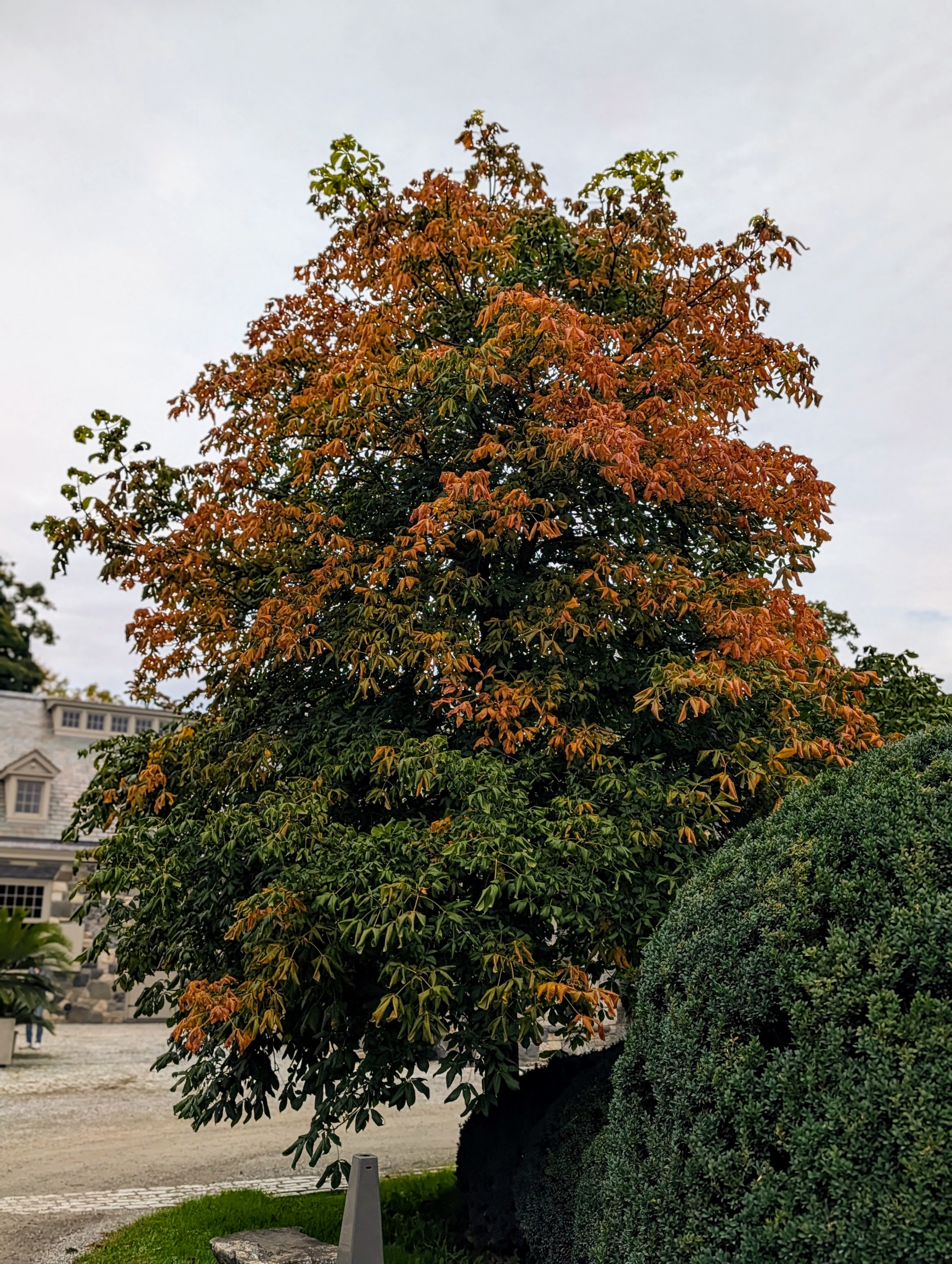
- Even within the same species, the timing of color change can vary from tree to tree. Both trees will turn shades of yellow, orange, and reddish-brown before all the leaves drop.
-
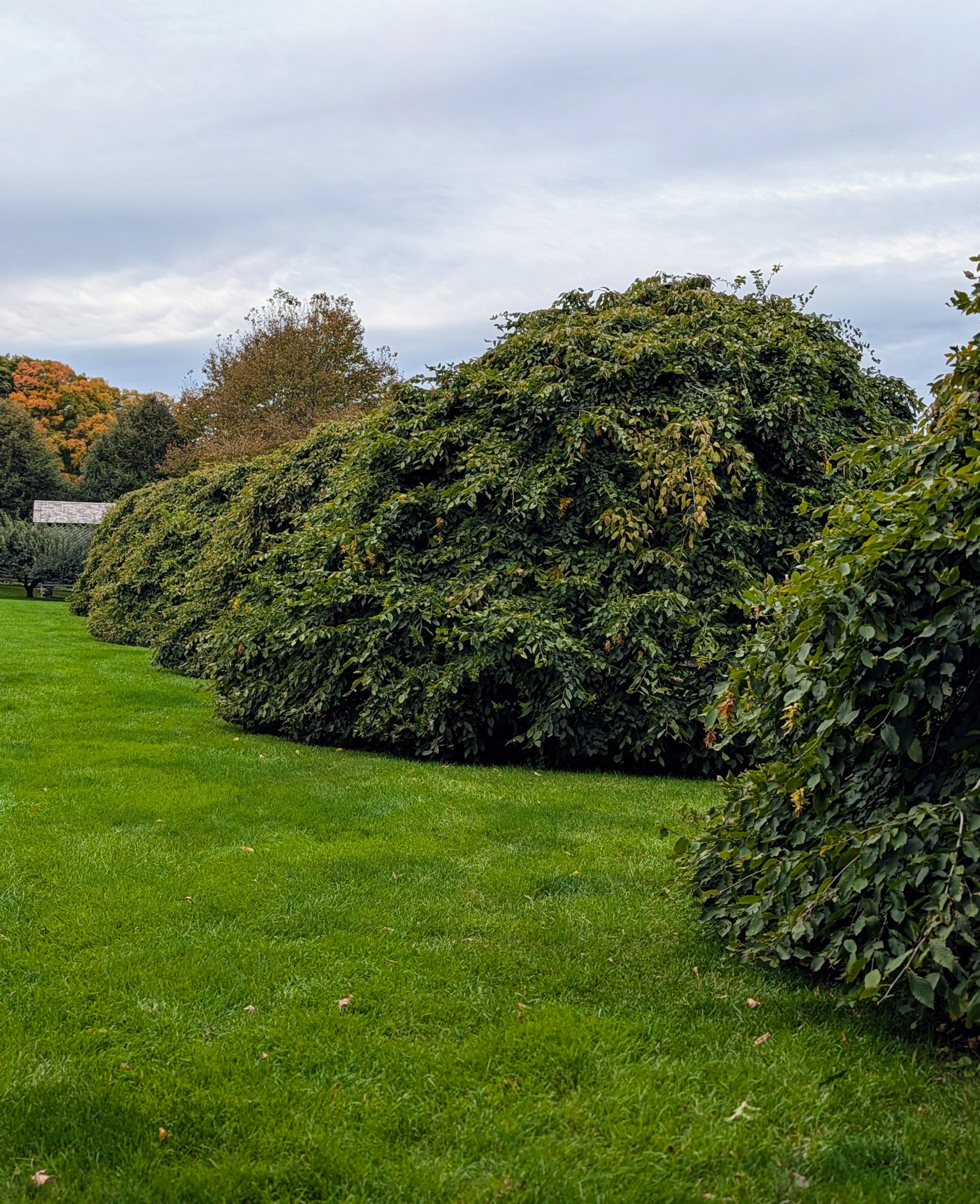
- Here are the weeping hornbeams, Carpinus betulus Pendula, planted between my long pergola and my orchard. I love these weeping hornbeams – the branches of these trees gracefully weep creating an umbrella of foliage that reaches the ground. The leaves are just beginning to change – the foliage turns a bright yellowish color this time of year.
-
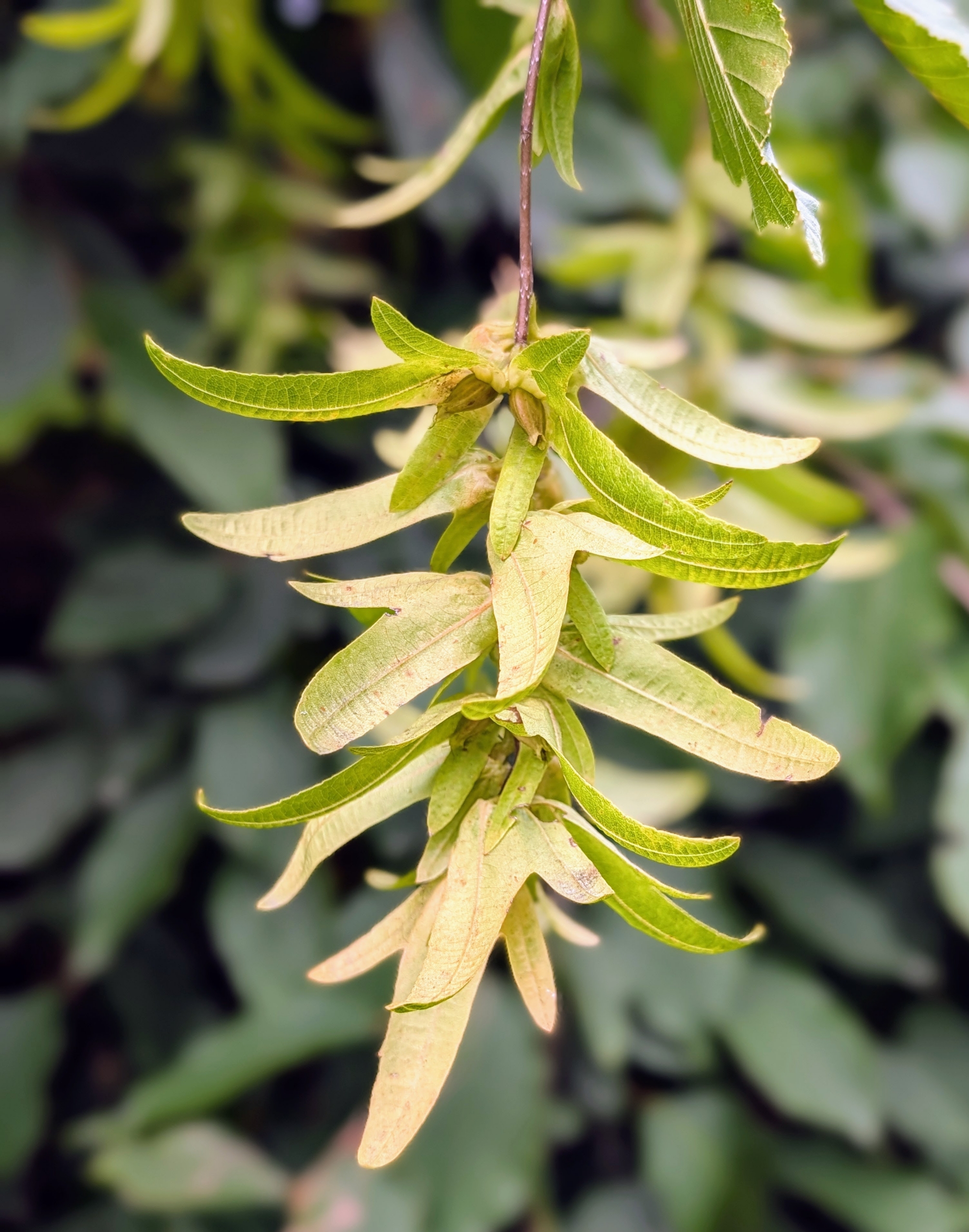
- Up close, one can see the seed catkins hanging from the branches, holding about 10 to 30 seeds each.
-
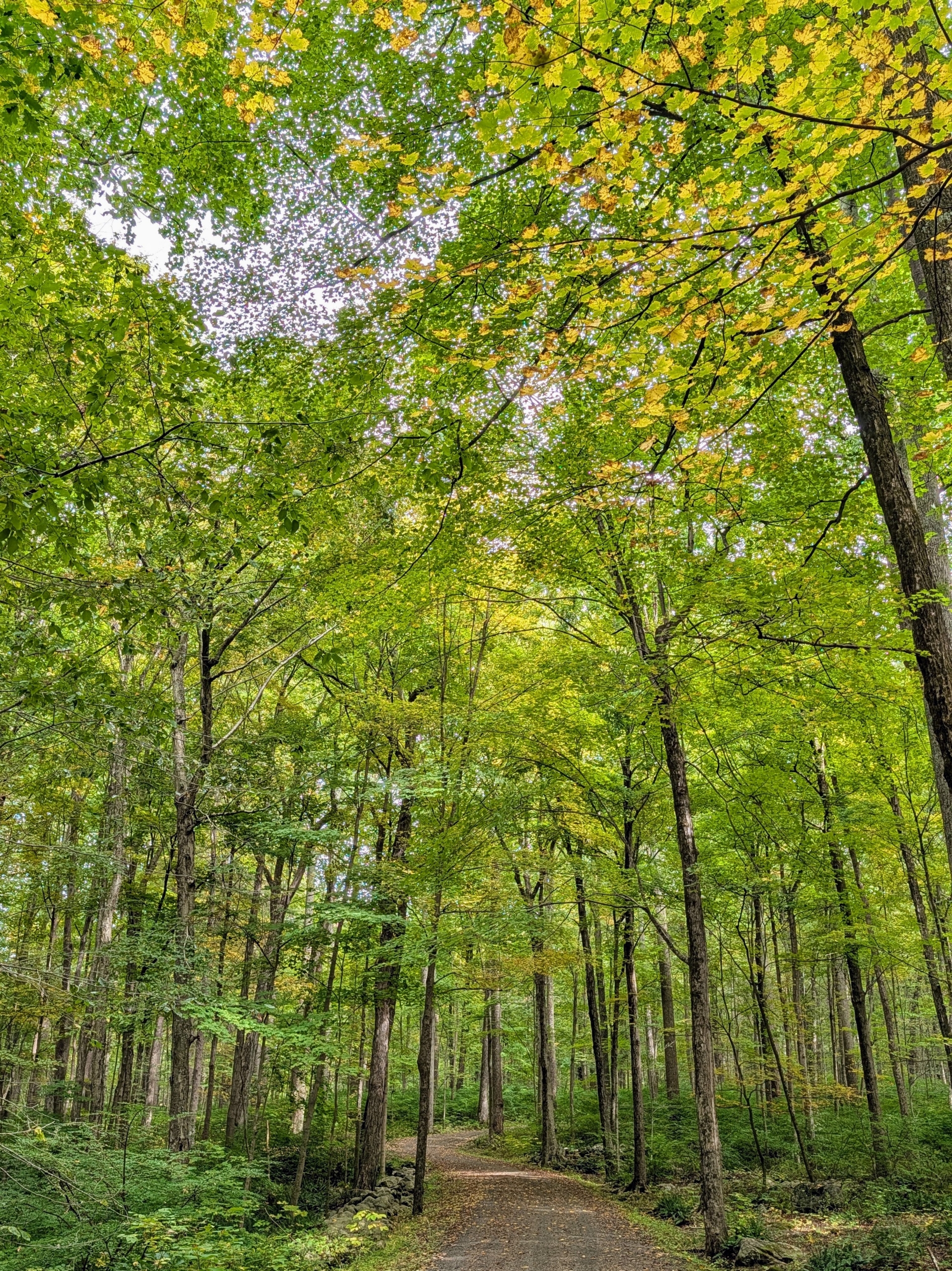
- Deep in my woodlands, many of the trees are showing off their bright green to yellow gold color palette.
-
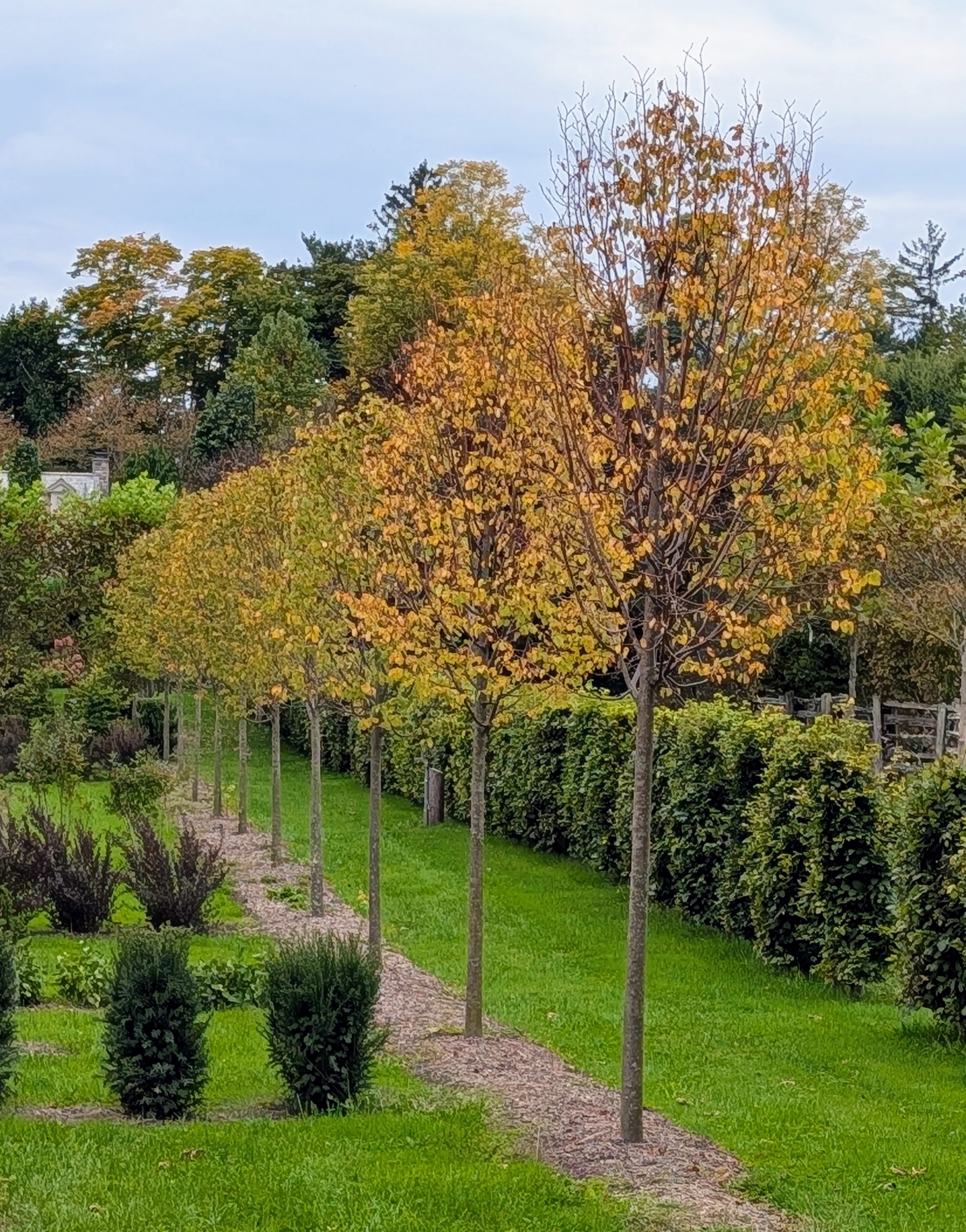
- Some of the lindens in my maze have also started to turn. Lindens, also called basswood or Tilia, are known for this uniform yellow fall color.
-
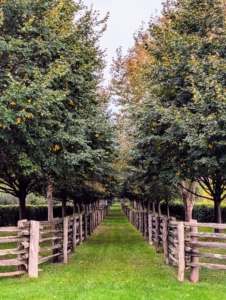
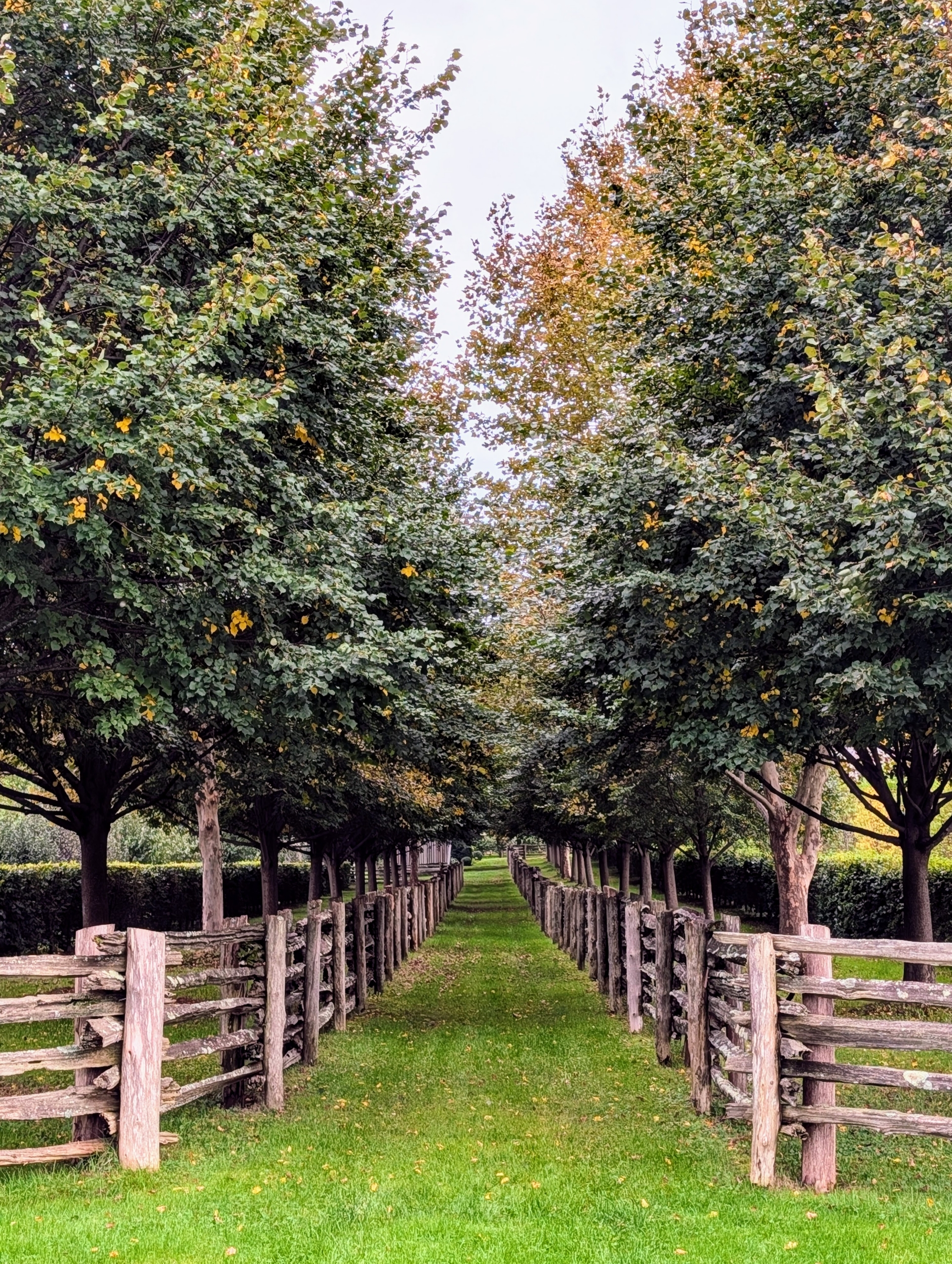
- These lindens are also just starting to change. This section extends from my long pergola all the way to the Boxwood Allée. In 2017, I lengthened the allée all the way down to the chicken coops.
-
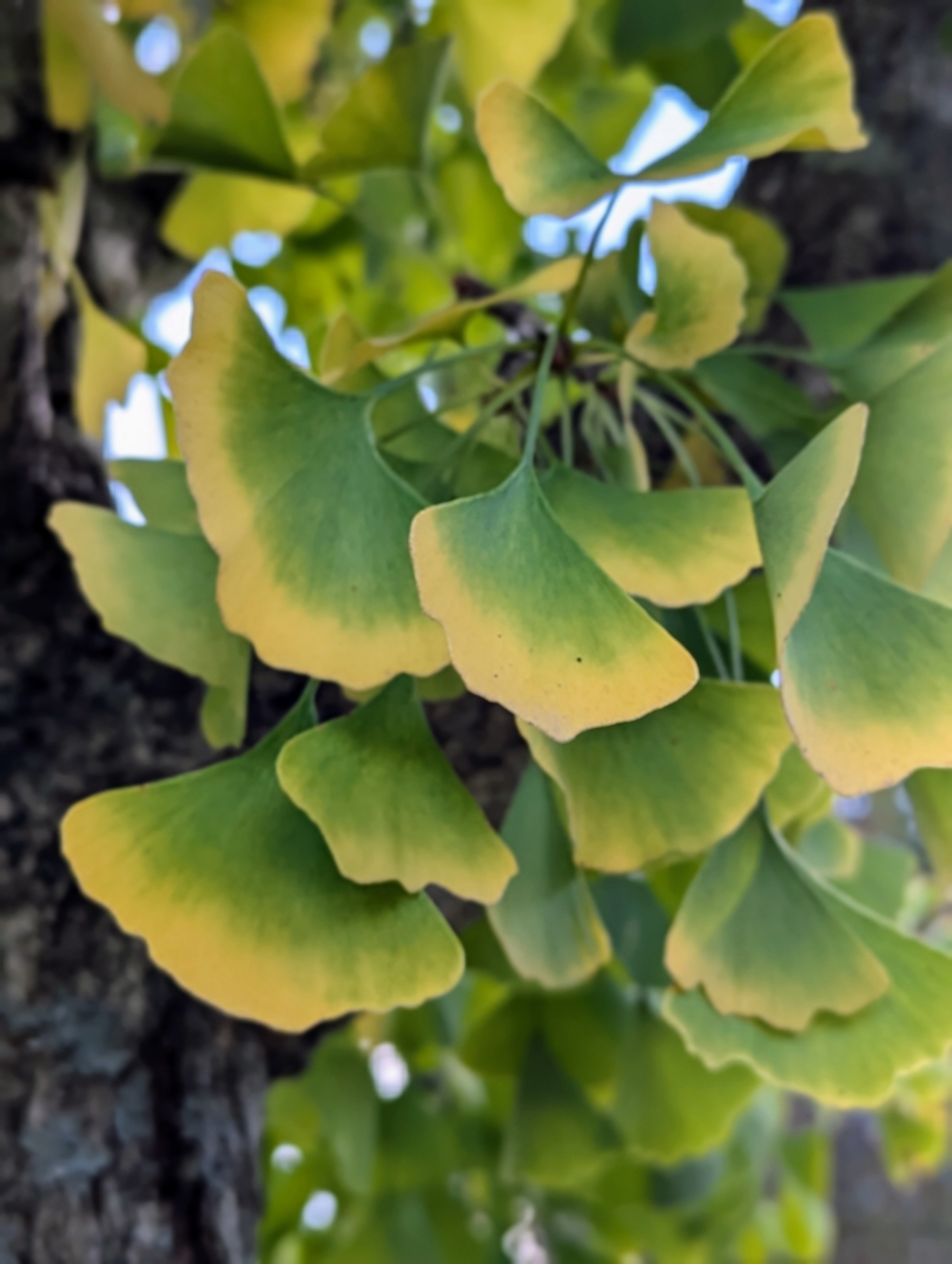
- Ginkgo biloba, commonly known as ginkgo or gingko, and also known as the maidenhair tree, is the only living species in the division Ginkgophyta. It is found in fossils dating back 270-million years. Native to China, the ginkgo tree is widely cultivated, and was cultivated early in human history. Here’s a close look at the leaves showing the changing colors from bright green to yellow.
-
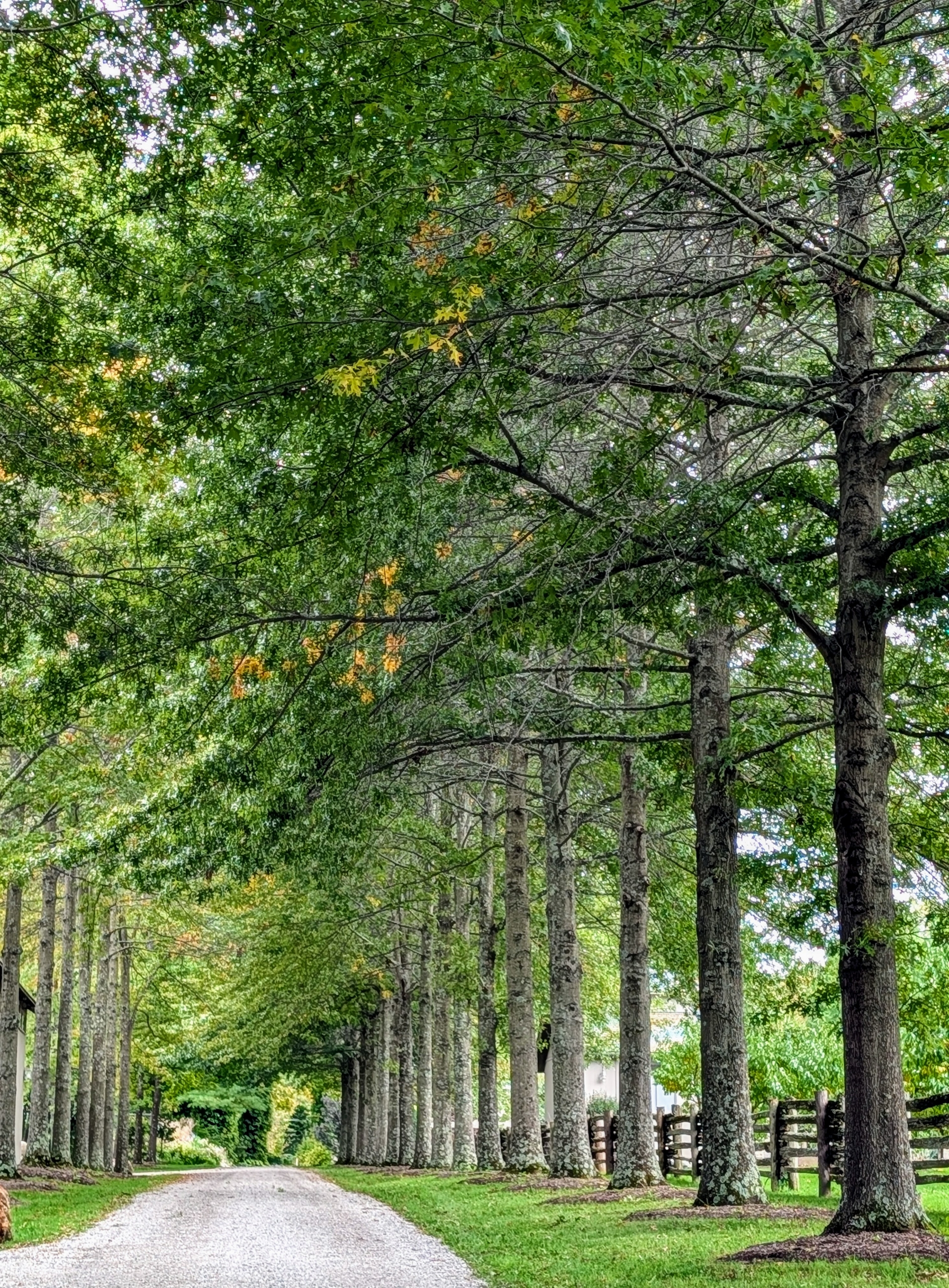
- Here is my Allée of Pin Oaks, Quercus palustris. These have done so well over the years. The leaves are changing to yellow and reddish bronze. Once its fall color display is done, pin oaks often retain brown leaves, which persist on the trees through winter.
-
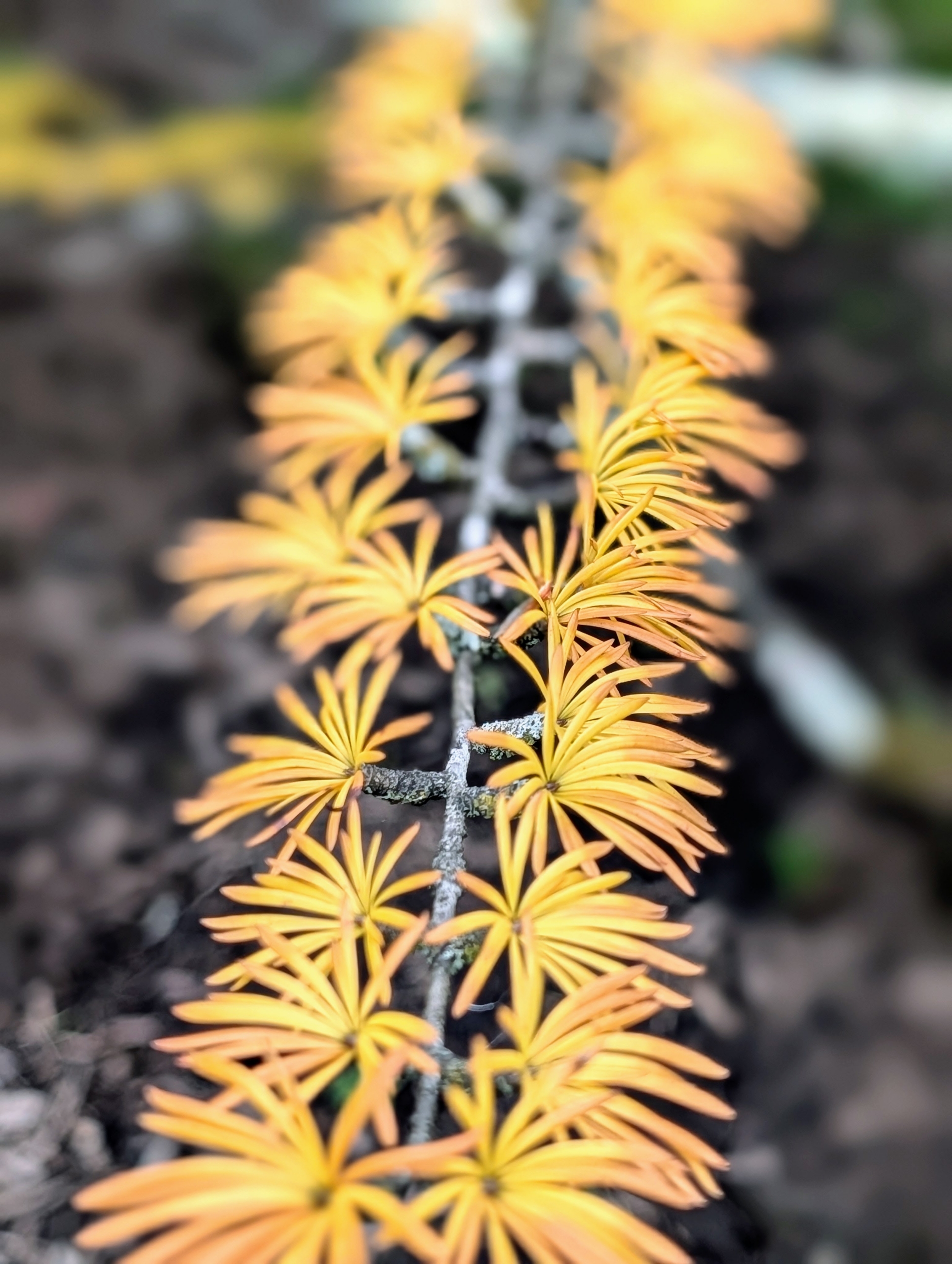
- Just behind my large Equipment Barn in my pinetum is this American larch, Larix laricina. This tree is commonly called tamarack, eastern larch, American larch, or hackmatack. Here is one of its bright yellow fall branches. This deciduous conifer will drop all these showy needles just as winter approaches.
-
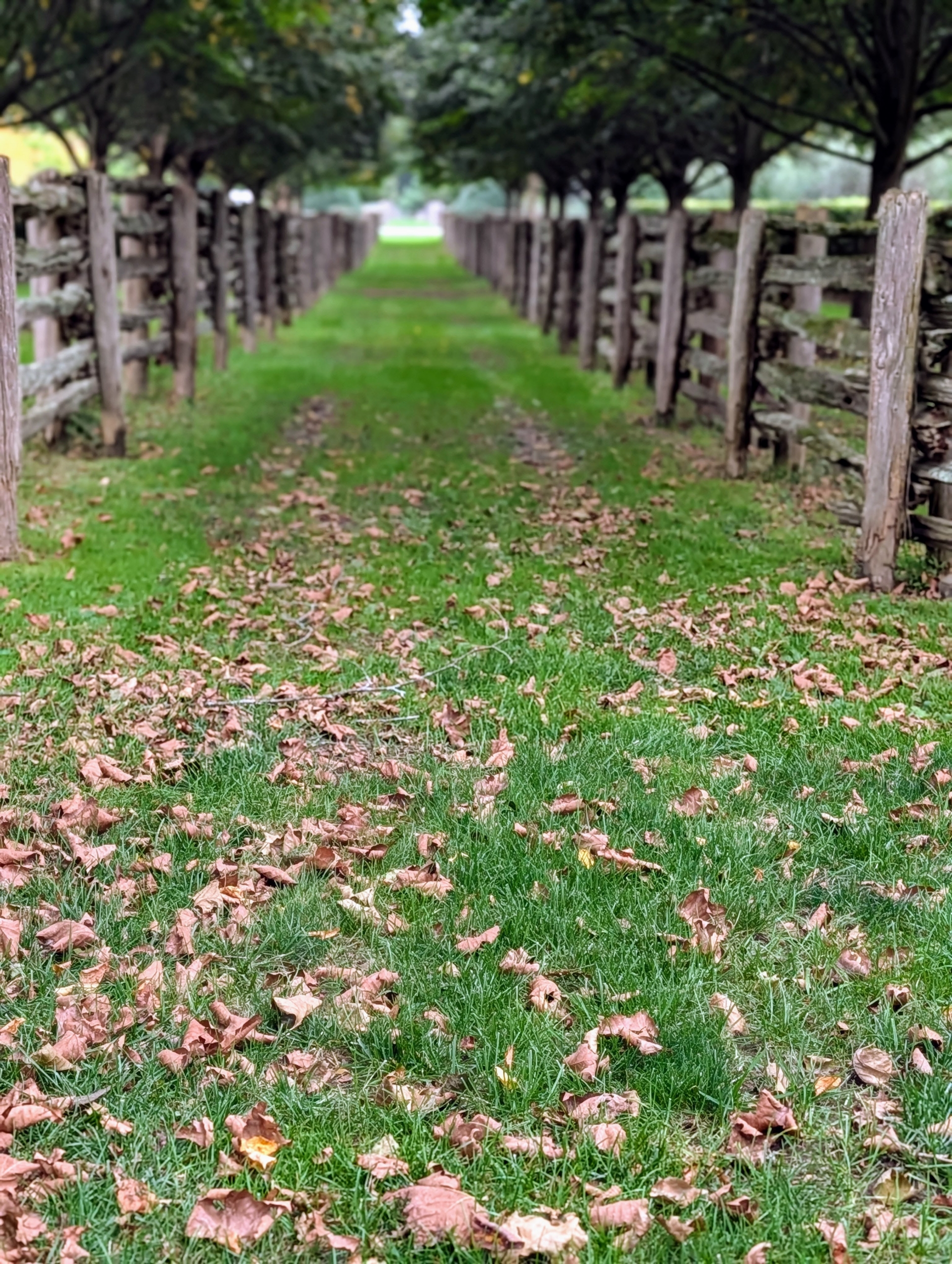
- Autumn leaves have already started falling. My outdoor ground crew will soon be blowing all around the farm.
-
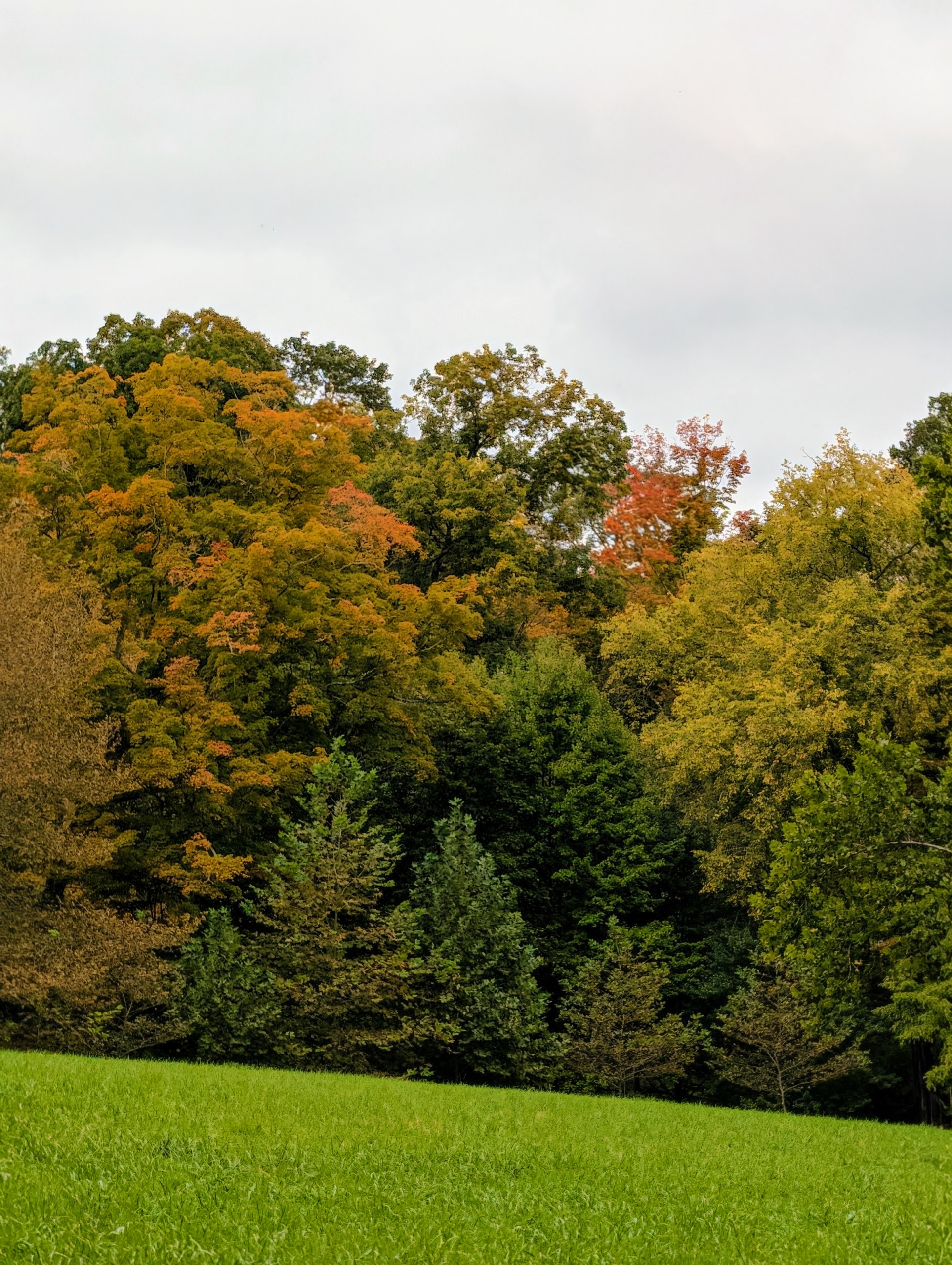
- The trees around my hayfields display such wonderful shades of orange, yellow, amber, brown, and green. I love the layers of color created by the changing leaves. Although some autumn coloration occurs wherever deciduous trees are found, the most brightly colored foliage is seen in Canada, the northern United States, Scandinavia, northern and western Europe, the Caucasus region near the Black Sea, Russia, eastern Asia, Argentina, Chile, southern Brazil, Korea, Japan, and New Zealand’s South Island.
-
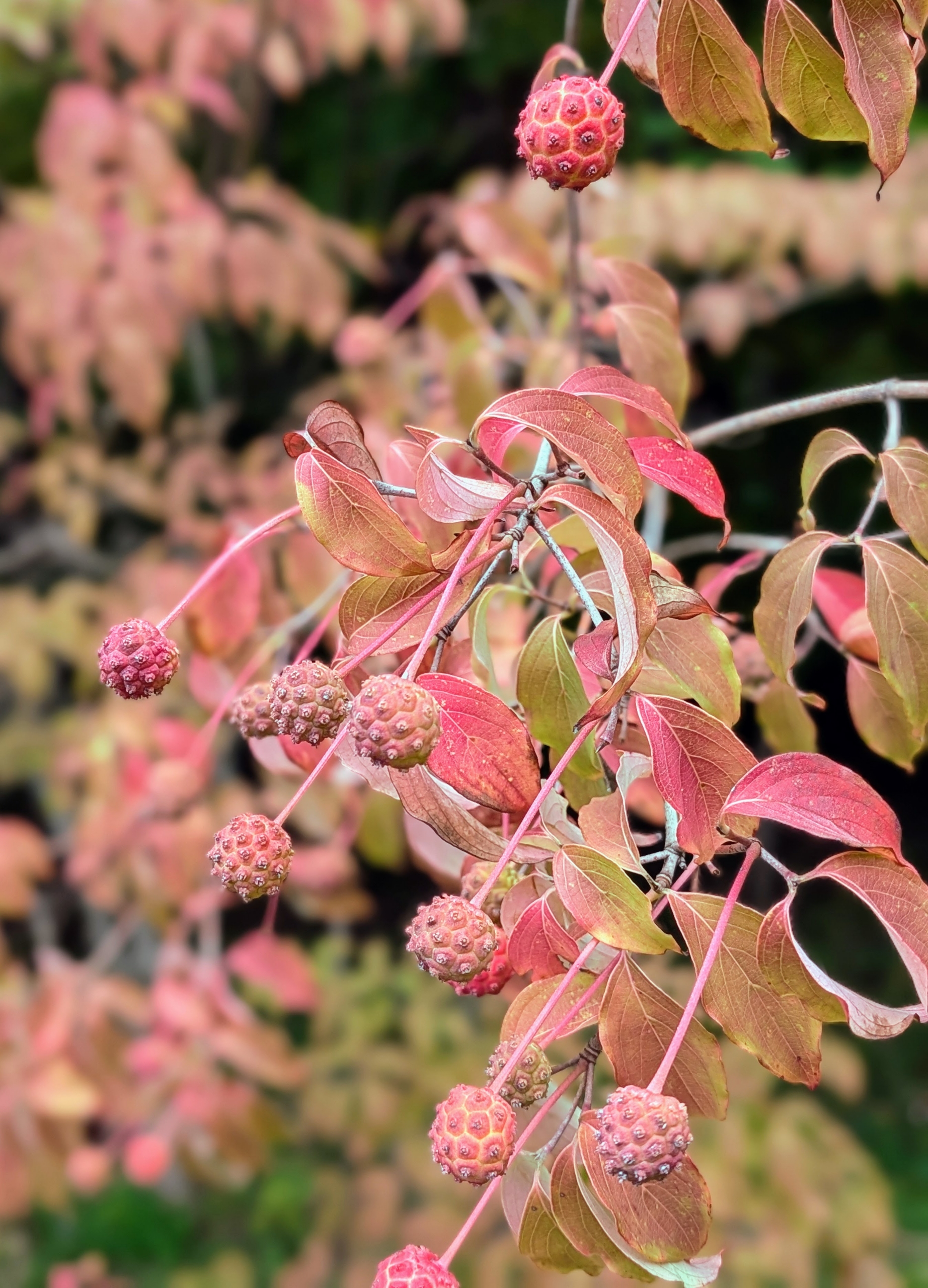
- Some of the berries persist into early fall, such as these kousa dogwood fruits, which are edible. The soft pulp is sweet with a similar flavor to a ripe persimmon but it also has hard seeds inside.
-
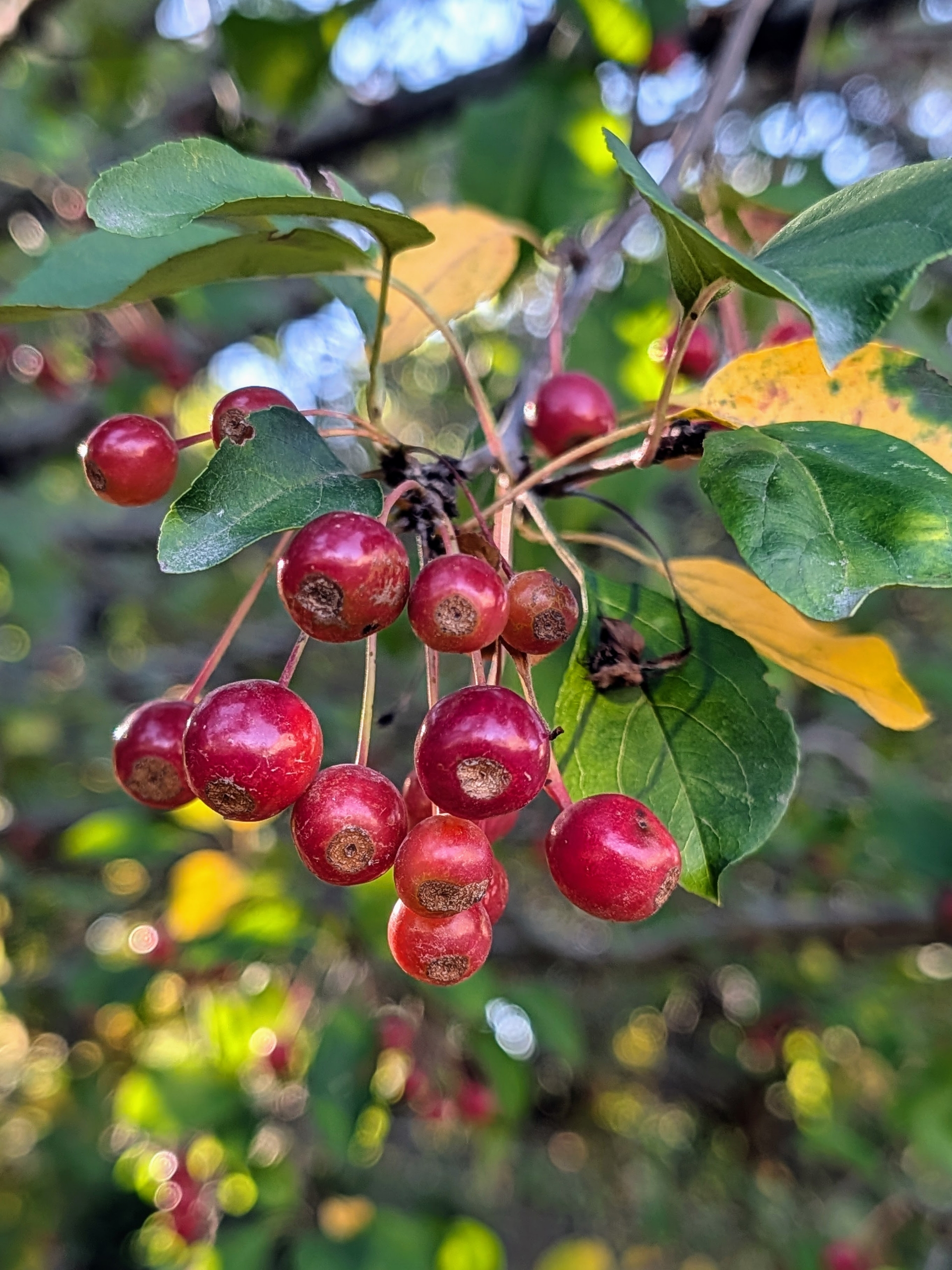
- In fall, crabapple trees offer a dramatic show of vibrant foliage and colorful fruit. I have a grove of crabapple trees outside my stable.
-
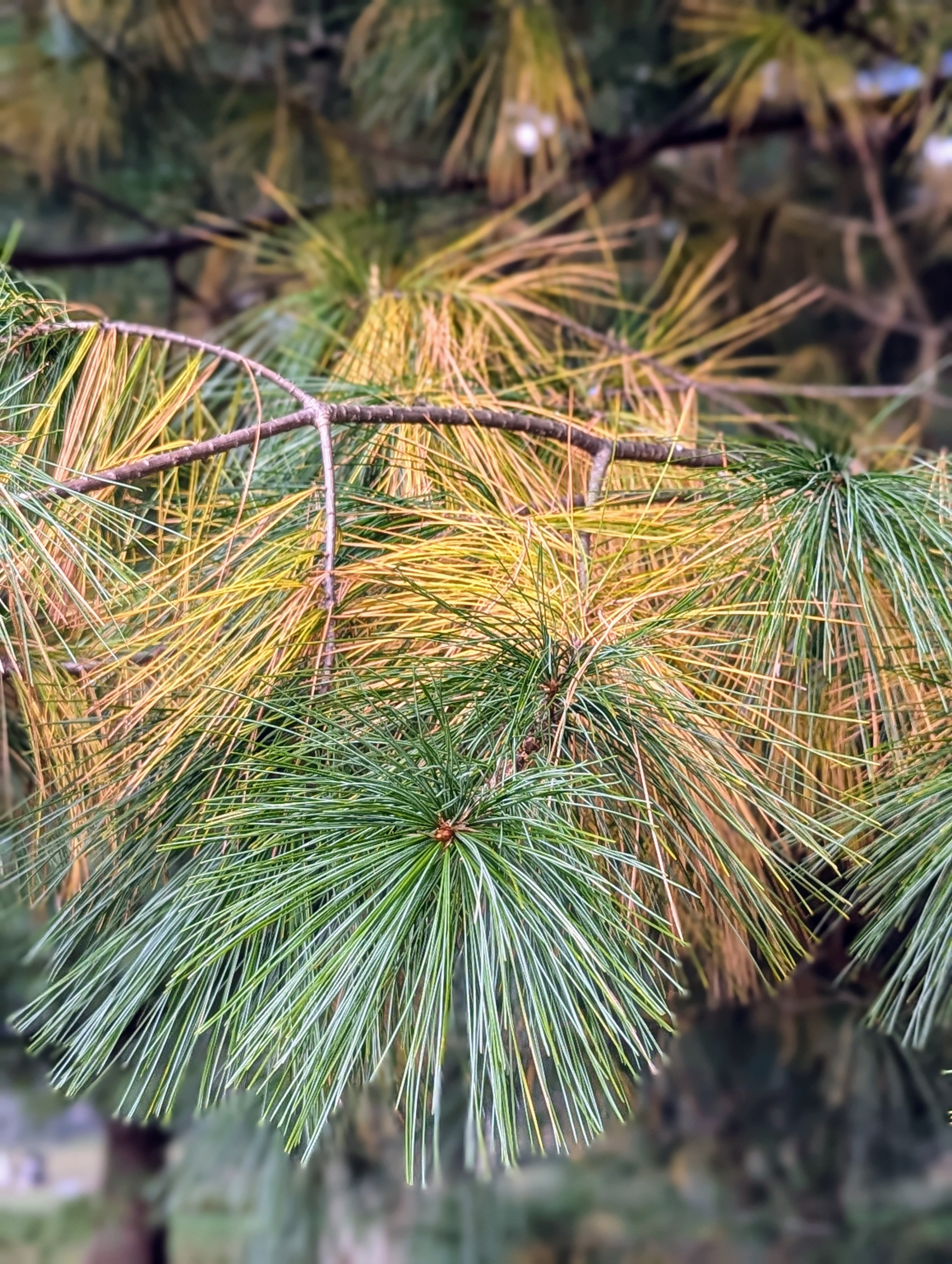
- The older, innermost needles of Eastern white pines often turn yellow all at once. The needles are usually a paler and more yellowish color than other pines, but still quite attractive this time of year.
-
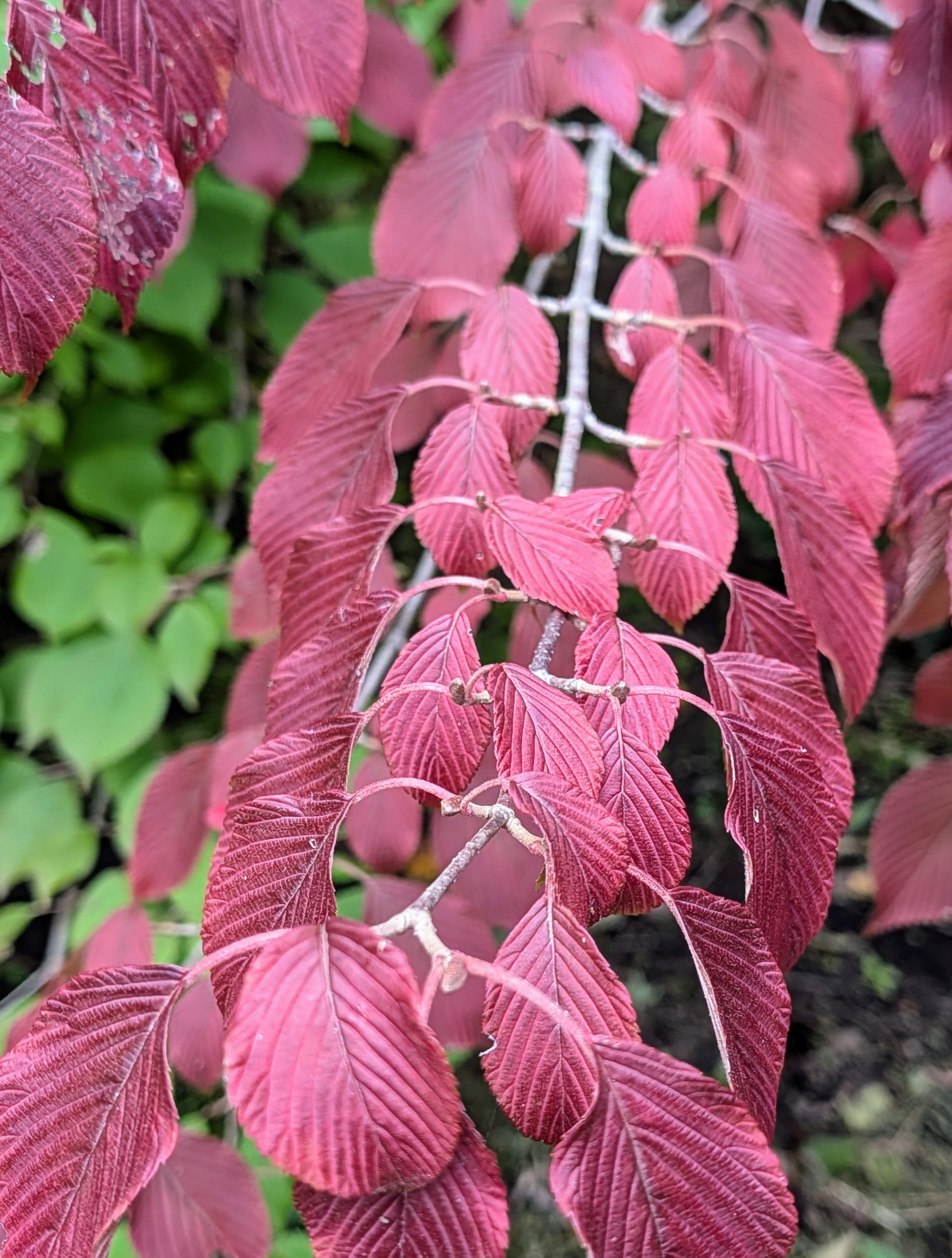
- Viburnum leaves also change colors in the fall, and may turn red, burgundy, and yellow, depending on the species.
-
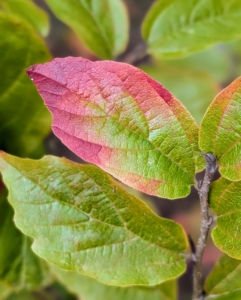
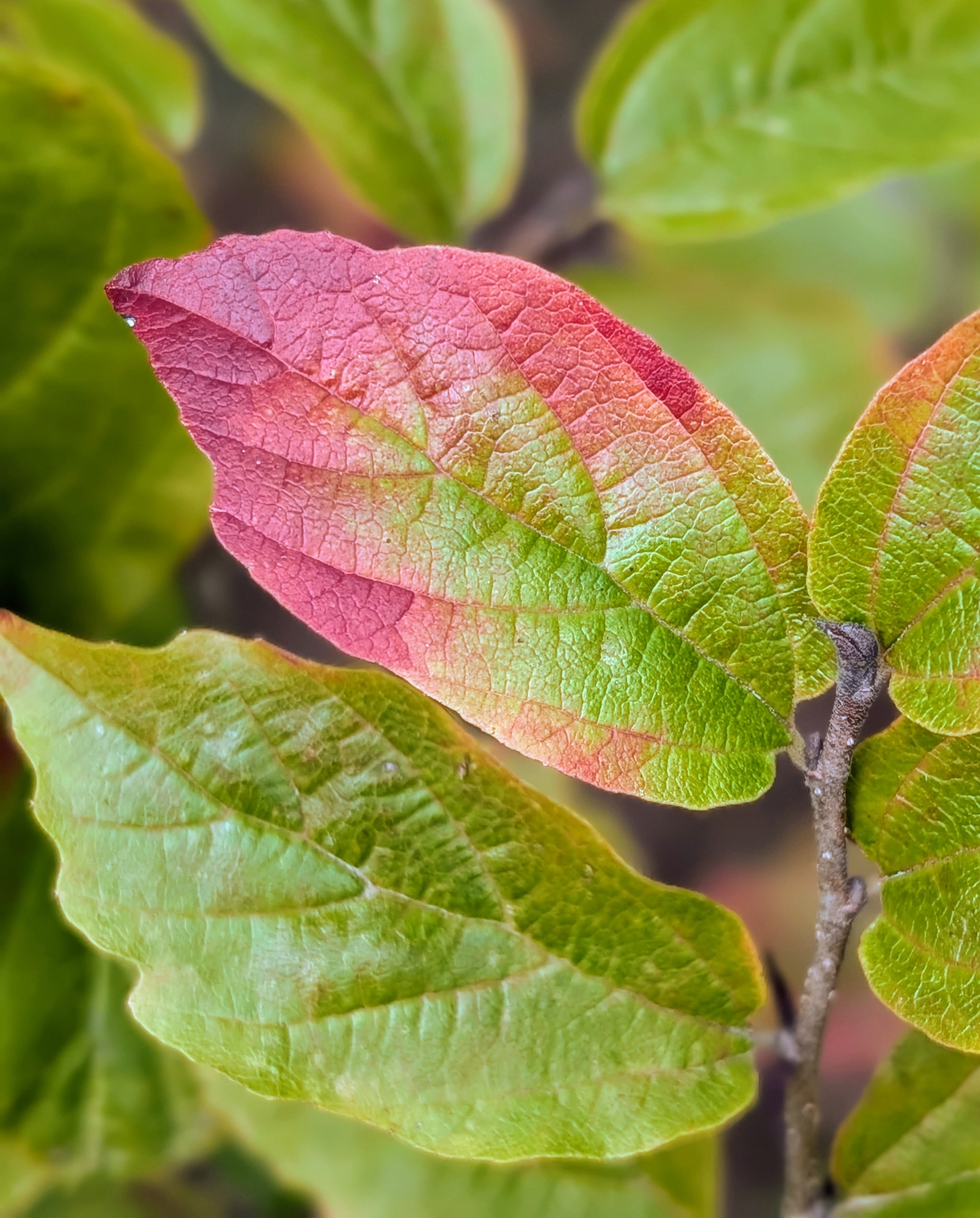
- Persian parrotia or Persian ironwood is a small upright tree or large, rounded, multi-stemmed shrub. It is related to witch-hazel. The oblong green leaves turn various shades of red, orange and yellow in the fall, often lasting into the winter months.
-
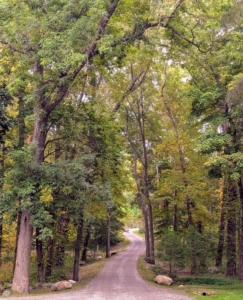
- I planted many different types of trees in hopes that they would shade, provide climate control, and change color at different times, in different ways. It’s so beautiful to see them change through the seasons. I hope you can stop and appreciate some of the colors of fall this weekend.
This story originally appeared on Martha Stewart Blog

