


Until recently, United MileagePlus hasn’t been a particularly relevant loyalty program for Canadians.
By and large, the best approach for a Canadian to use with United miles was to not prioritize earning them in the first place – Aeroplan covered the same Star Alliance award inventory, often at better rates and with ample ways to build a sizeable balance.
With the combination of the recent launch of the United® MileagePlus® Neo World Elite® Mastercard in Canada, a sizemic shift in how United allocates Polaris business class award inventory, and the often-overlooked Marriott Bonvoy x United RewardsPlus partnership, United MileagePlus is suddenly worth paying attention to.
Plus, there’s a surprisingly efficient way to earn United miles using a credit card most Canadian points enthusiasts already carry, and it’s probably not the first one that comes to mind when you think of United miles.
United MileagePlus Is More Relevant to Canadians than Ever
To understand why United miles matter now more than ever before, it’s worth looking at what’s changed in the recent past.
United No Longer Makes Last-Minute Polaris Seats Available to Partners
Up until the summer of 2025, United regularly made last-minute Polaris business class saver awards available to Aeroplan.
A well-known strategy in the Canadian miles and points community was book a backup option to a destination like Australia, and then change to United Polaris when the inventory (which came in almost reliably) appeared in the weeks before departure.
I personally booked dozens of friends and family members to Australia and Tahiti this way, but it also worked to destinations in Asia and much of the rest of the United long-haul network, too.
Unfortunately, that door has since closed. United now reserves its saver-level Polaris seats for its own elite members and holders of United co-branded credit cards.
For Canadians searching through Aeroplan, those seats simply don’t show up the way they used to. Plus, United became a Select Partner with Aeroplan last year, which means that flights are subject to dynamic pricing rather than fixed partner pricing.
When you consider that United’s network covers many of the same destinations that Air Canada serves, what used to be a reliable way to score fixed partner awards with United using Aeroplan points when Air Canada flights skewed into the higher end of dynamic pricing is a strategy that no longer holds.
The Canadian United Co-Branded Card Unlocks Saver Awards
With the recent launch of the United® MileagePlus® Neo World Elite® Mastercard, the program has become more accessible to Canadians.
Plus, with the recent changes to how United approaches award availability, there’s a strong reason to have the card in your wallet – especially if you’re after premium cabin travel to Oceania, Asia, and other destinations served by United.

Since last year, United has been allotting a greater number of Saver-level Polaris business class awards for its elite members and to cardholders of a co-branded United MileagePlus credit card.
In other words, if you don’t have a United credit card and/or elite status, you’ll see a reduced amount of award availability at the Saver level compared to somebody with Premier status and/or a co-branded credit card. I’ve got some great examples of this later in this article.
With a United co-branded card now available in Canada, there’s an easy in-road to unlocking this Saver award space.
On top of that, Neo cardholders receive at least a 10% discount on MileagePlus redemptions, effectively stretching every United mile further. If you also have United Premier status, you’ll get a further incremental discount of at least 15%.
As a reminder, if you also hold Marriott Bonvoy Titanium or Ambassador Elite status, you can match to United Premier Silver through the RewardsPlus partnership.
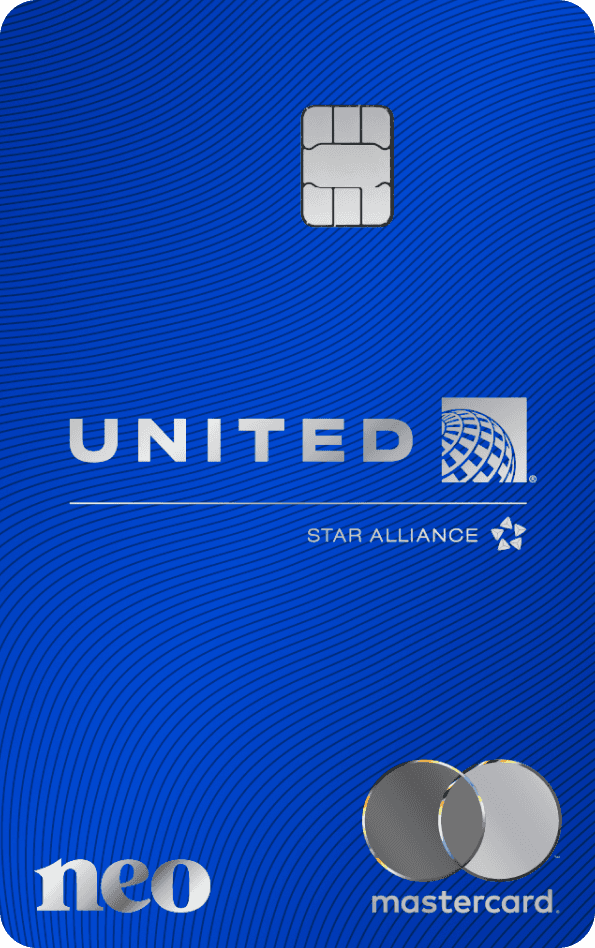
Welcome bonus25,000 MileagePlus miles
• Earn 5,000 points upon first purchase
• Earn 15,000 points upon spending $3,000 in the first 3 months
• Earn 5,000 points each year your account stays open
Earning rates
1.25xUnited and Star Alliance Flights1xDining1xGroceries0.75xEverything Else
Key perks
- Free first checked bag on United-operated flights for primary cardholder and travel companions on the same reservation
- Group 2 priority boarding on United-operated flights for primary cardholder and travel companions
- NEXUS application fee credit of up to $120 USD every five years
- At least 10% off United award flights (15% off with Premier Status) and access to exclusive cardholder Saver Award availability, including Polaris business class
- Mastercard Travel Pass membership (DragonPass) with access to 1,400+ lounges worldwide; per-visit fee applies
- Secured version available with same earn rates, travel perks, and MileagePlus access — requires security deposit
Welcome bonus25,000 MileagePlus miles
• Earn 5,000 points upon first purchase
• Earn 15,000 points upon spending $3,000 in the first 3 months
• Earn 5,000 points each year your account stays open
Earning rates
1.25xUnited and Star Alliance Flights1xDining1xGroceries0.75xEverything Else
Key perks
- Free first checked bag on United-operated flights for primary cardholder and travel companions on the same reservation
- Group 2 priority boarding on United-operated flights for primary cardholder and travel companions
- NEXUS application fee credit of up to $120 USD every five years
- At least 10% off United award flights (15% off with Premier Status) and access to exclusive cardholder Saver Award availability, including Polaris business class
- Mastercard Travel Pass membership (DragonPass) with access to 1,400+ lounges worldwide; per-visit fee applies
- Secured version available with same earn rates, travel perks, and MileagePlus access — requires security deposit
Why United Miles Should Matter to Canadian Travellers
As mentioned above, United Polaris saver awards are available to many of the same destinations that Air Canada also serves… but only if you have a United credit card and/or Premier status.
For example, United offers flights to Adelaide, Auckland, Brisbane, Melbourne, and Sydney in Australia out of its west-coast hubs in San Francisco and Los Angeles (as well as from Houston to Sydney), while Air Canada offers flights from Vancouver to Auckland, Sydney, and Brisbane.
With Air Canada flights on Aeroplan redemptions priced dynamically, saver-level pricing on these long-haul routes is exceedingly rare, especially in business class.
A business class Aeroplan award from Vancouver to Sydney can fluctuate wildly depending on demand, and often price out in excess of 400,000 points, which just isn’t a palatable redemption cost.
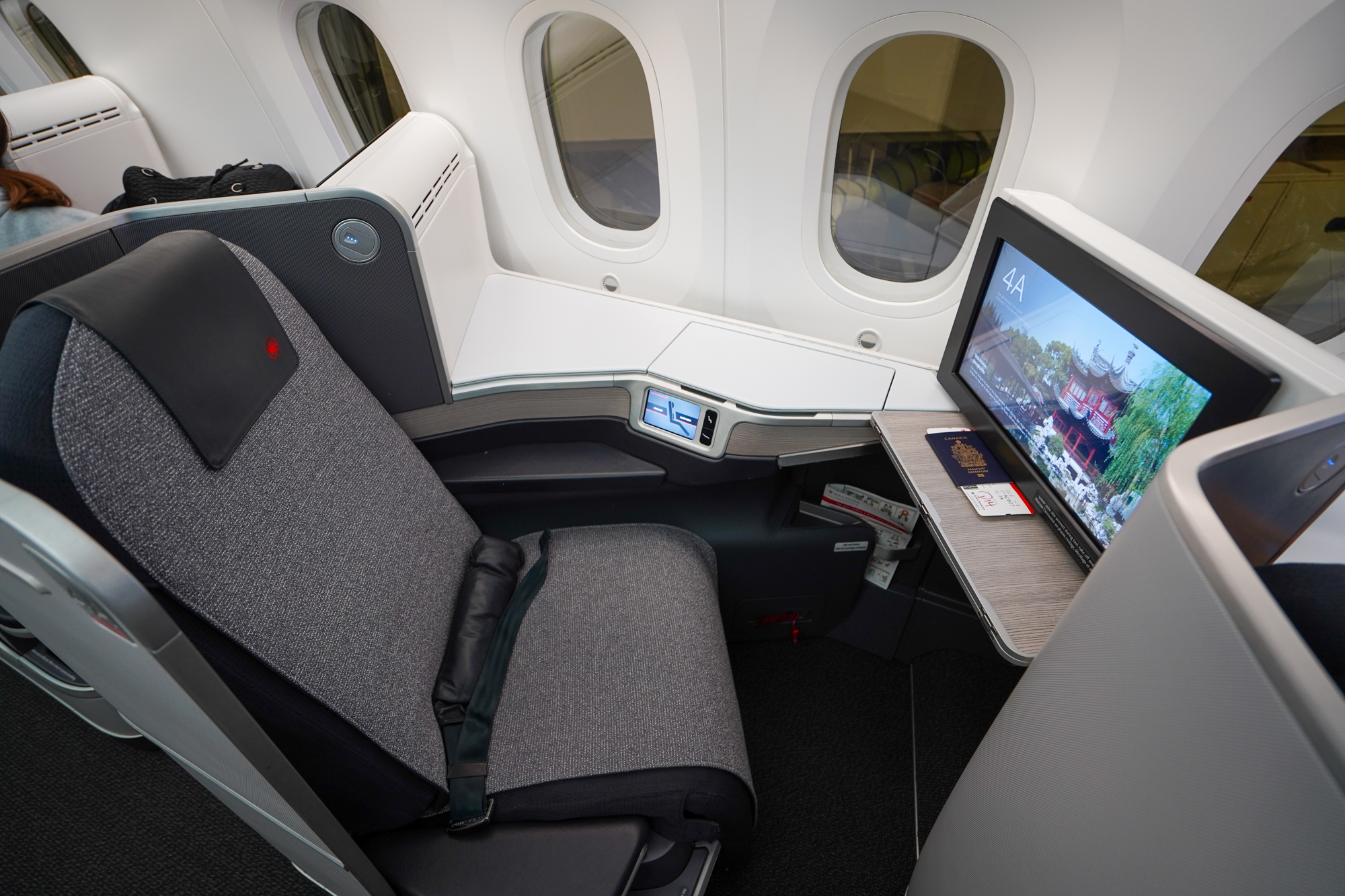
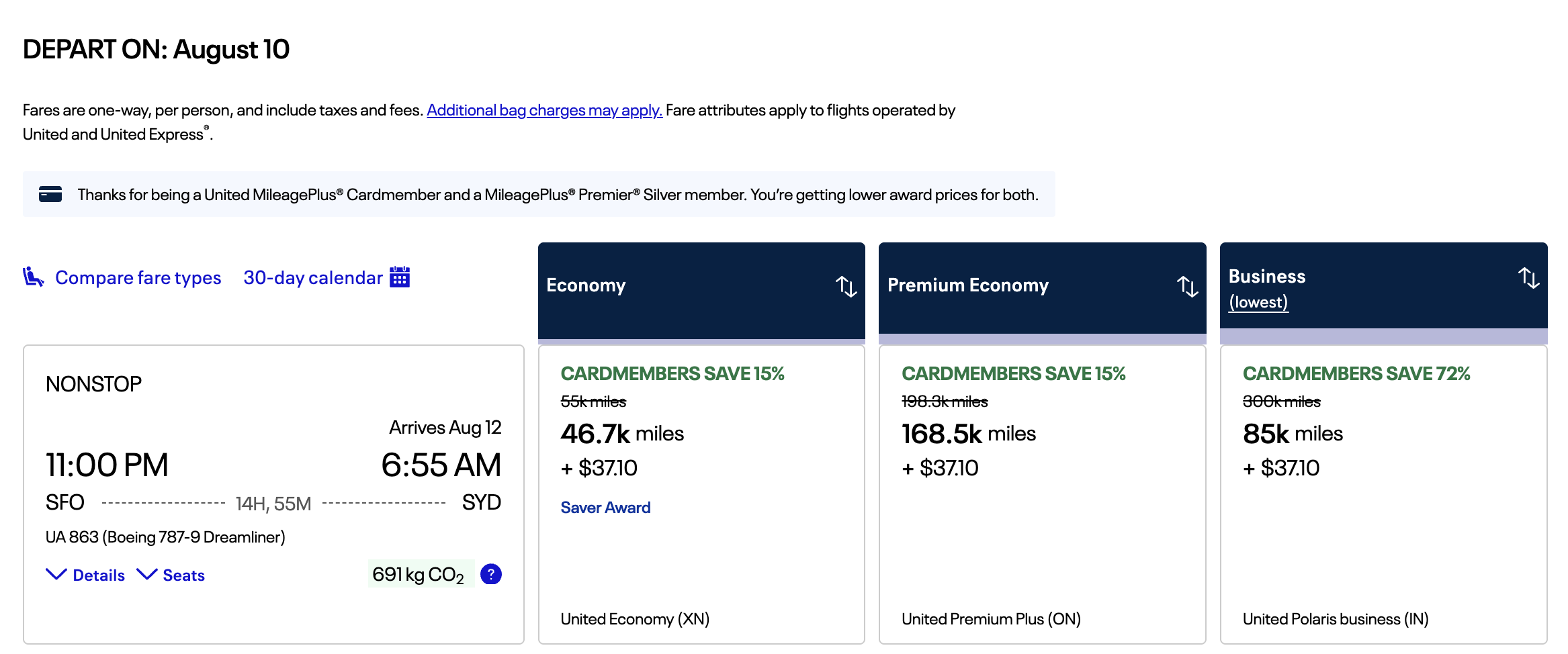
United, by contrast, makes saver-level Polaris inventory available to its cardholders and elites. While you may also find business class flights with eye-popping redemption costs, this increased Saver-level award space is quite abundant, with pricing at 85,000–100,000 United miles for a similar flight to or from Australia in business class.
For a Canadian traveller targeting premium cabin travel, United MileagePlus has gone from an afterthought to a meaningful program to consider with the advent of a United co-branded credit card in Canada.
The Best Ways to Earn United Miles for Canadians
With the above in mind, the relevance of United miles to Canadians is no longer the question. Rather, the question becomes how to earn them most efficiently, and the answer might not be very obvious at first glance.
The Earning Rates on the United Co-branded Card Are Ordinary
The United® MileagePlus® Neo World Elite® Mastercard gives you preferential access to United’s award ecosystem, but its earning rates on daily spending are ordinary at best. This means building up a meaningful balance for a premium-cabin redemption will take quite a bit of time.
As a reminder, you’ll get 1.25x United miles on United and Star Alliance flights, 1x United mile per dollar on groceries and dining, and 0.75x United miles on everything else.
With these earning rates, you probably aren’t going to build a meaningful MileagePlus balance anytime soon.
In the example above, it shows 85,000 United miles for a one-way flight in business class from San Francisco to Sydney. That’d take $68,000 on United/Star Alliance flights, $85,000 in groceries, or $113,333 in uncategorized spending to earn (not including the welcome bonus).
The Cobalt Card: Canada’s Best Back Door to United Miles
The American Express Cobalt Card is, in my opinion, the most efficient way for Canadians to earn United MileagePlus miles on daily spending – and the points it earns don’t even transfer to United directly.
Rather, we look to accessing United MileagePlus by way of Marriott Bonvoy to make it work.
Here’s the chain:
Amex Membership Rewards → Marriott Bonvoy → United MileagePlus
The Cobalt earns 5x MR points per dollar on eats and drinks (groceries, dining, food delivery). Those MR points transfer to Marriott Bonvoy at a ratio of 5:6 – meaning every 5 MR points become 6 Bonvoy points.
From there, Marriott Bonvoy transfers to United MileagePlus. The standard Bonvoy-to-airline transfer ratio is 3:1, with a 5,000-mile bonus for every 60,000 Bonvoy points transferred to most airlines (60,000 Bonvoy = 25,000 airline miles).
However, the Marriott x United RewardsPlus partnership adds an extra 10,000 United miles to every 60,000-point transfer instead of 5,000 – making the effective ratio 60,000 Bonvoy = 30,000 United miles, or 2:1.
Here’s how the math plays out:
| Step | What Happens | Rate |
|---|---|---|
| Earn | Cobalt, eats and drinks category | 5 MR per $1 |
| Transfer 1 | MR → Marriott Bonvoy (1:1.2) | 5 MR = 6 Bonvoy |
| Transfer 2 | Bonvoy → United (with RewardsPlus) | 60,000 Bonvoy = 30,000 United |
| Effective Rate | Per dollar on eats and drinks | 3 United miles per $1 |
That’s triple the earning rate of the Neo card on the groceries and dining spending categories, and you also have options to look at other programs if the availability with United doesn’t suit your needs.
In practical terms: transfer your Amex MR earned on your Cobalt to Marriott Bonvoy in chunks of 50,000 MR (which become 60,000 Bonvoy points), and then convert each chunk of 60,000 Bonvoy points into 30,000 United miles.

Marriott Bonvoy x United RewardsPlus: Everything You Need to Know
Read more
50,000+ travellers get this email
Weekly deals, credit card insights, and points strategies – free forever.
At $1,000/month in grocery spending (a realistic figure for many Canadian households), you’d accumulate roughly 36,000 United miles per year through the Cobalt alone. Add in the miles from the welcome offer on the Neo card, other Marriott Bonvoy points earned and transferred, and other MR points transferred, and you’d be well on your way to a premium cabin redemption (check out some examples at the end of this article).
It’s worth noting that this isn’t new. Rather, it’s just become more relevant with the changes that United has made to its award availability, and with the introduction of a United co-branded card in Canada.
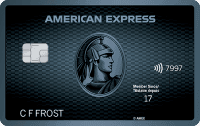
Welcome bonus15,000 Membership Rewards points
• Earn 1,250 points per month upon spending $750 per month for 12 months
Earning rates
5xGroceries5xDining5xFood Delivery3xStreaming2xTransit2xRideshare2xGas2xTravel1xEverything Else
Key perks
- Transfer to airline and hotel partners
Welcome bonus15,000 Membership Rewards points
• Earn 1,250 points per month upon spending $750 per month for 12 months
Earning rates
5xGroceries5xDining5xFood Delivery3xStreaming2xTransit2xRideshare2xGas2xTravel1xEverything Else
Key perks
- Transfer to airline and hotel partners
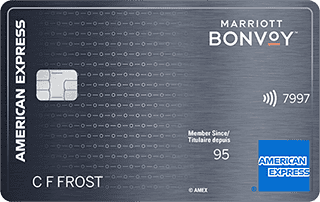
Use the Marriott Bonvoy American Express Card as a Complement
For non-categorized spending, the Marriott Bonvoy American Express Card earns 2 Bonvoy points per dollar on everything, which effectively translates to 1 United mile per dollar through the same RewardsPlus transfer path.
That’s still better than the Neo card’s 0.75x baseline earning rate on general spending, and the card has also come with a great welcome offer as of late.
Transferring Marriott Bonvoy points to airline miles has always been a great tool to have at your disposal, and it’s good practice to remind yourself of Marriott Bonvoy’s versatility from time to time.
Again, the Marriott Bonvoy American Express Card isn’t the star of this strategy – the Cobalt is – but it’s a useful complement for spending that doesn’t fall into the Cobalt’s bonus categories if you need to pad your United balance.

Welcome bonus75,000 Bonvoy points
• Earn 65,000 points upon spending $3,000 in the first 3 months
• Plus, earn 10,000 points upon spending $500 in month 13
Earning rates
5xMarriott2xEverything Else
Key perks
- Silver Elite status + 15 Elite Night Credits
- 35,000-point Free Night Award annually (year 2+)
Welcome bonus75,000 Bonvoy points
• Earn 65,000 points upon spending $3,000 in the first 3 months
• Plus, earn 10,000 points upon spending $500 in month 13
Earning rates
5xMarriott2xEverything Else
Key perks
- Silver Elite status + 15 Elite Night Credits
- 35,000-point Free Night Award annually (year 2+)
The Transfer Bonus Amplifier
Effectively earning 3 United miles per dollar spent on groceries and dining is already compelling, but the math improves significantly during transfer bonus windows.
American Express periodically offers a transfer bonus from MR to Marriott Bonvoy – typically 30%. During a 30% transfer bonus, for example, you’d need only 38,462 MR points (instead of 50,000) to reach 60,000 Bonvoy points – which still converts into 30,000 United miles through RewardsPlus.
At this rate, you’re effectively getting a 1.28:1 conversion ratio from Amex MR to United miles, which is great if you have a good use for those miles.
Marriott also sometimes offers its own transfer bonuses to airline partners, including United. When both bonuses run simultaneously – an Amex-to-Marriott bonus and a Marriott-to-United bonus – the effective per-dollar earning rate climbs well above 3x and gets much closer to a 1:1 transfer ratio.
These bonus windows are unpredictable, and I wouldn’t build a strategy that depends on them. But if you’re accumulating points through the Cobalt on your daily spending anyway, being ready to transfer when the bonuses align is easy upside.
Earning Summary
| Card | Best Use | Effective United Earning Rate |
|---|---|---|
| Amex Cobalt | Eats and drinks (5x MR) | 3 United miles per $1 |
| Marriott Bonvoy Amex | General spend (2x Bonvoy) | 1 United mile per $1 |
| Neo United | Hold for access, not for earning | ~1x on dining/groceries, 0.75x baseline |
Where to Redeem: Routes Worth Targeting
In my opinion, the sweet spots for this strategy are long-haul United Polaris business class to destinations where Air Canada’s dynamic pricing on Aeroplan makes saver awards hard to find or to unique destinations that United serves.
Since award flights to Europe are otherwise easier to come by with Aeroplan, The British Airways Club, Air France KLM Flying Blue, and other programs, we’ll look to a few destinations in Asia, Oceania, and South America instead.
Here are some examples that show examples of pricing on a handful of routes, comparing the difference between not having status or a co-branded United card, just status, and status + a co-branded credit card.
| Route | No Status, No Card | Premier Status Only | Premier Status + Co-Branded Card |
|---|---|---|---|
| SFO – SYD | 300,000 | 100,000 | 85,000 |
| SFO – AKL | 300,000 | 100,000 | 85,000 |
| SFO – NRT | 250,000 | 100,000 | 85,000 |
| ORD – NRT | 250,000 | 100,000 | 85,000 |
| LAX – HKG | 250,000 | 100,000 | 85,000 |
| IAD – GRU | 220,000 | 80,000 | 68,000 |
| SFO – PPT | 170,000 | 85,000 | 72,250 |
All fares shown in United MileagePlus miles, one-way, United Polaris business class.
As you can see, there are very sizeable differences in pricing from the No Status, No Card column to the other two. In all examples, it brings the pricing down into the realm of reason, and having status and a co-branded card makes it very attractive indeed.
You can also find the same pricing with a separate positioning flight to or from a Canadian airport.
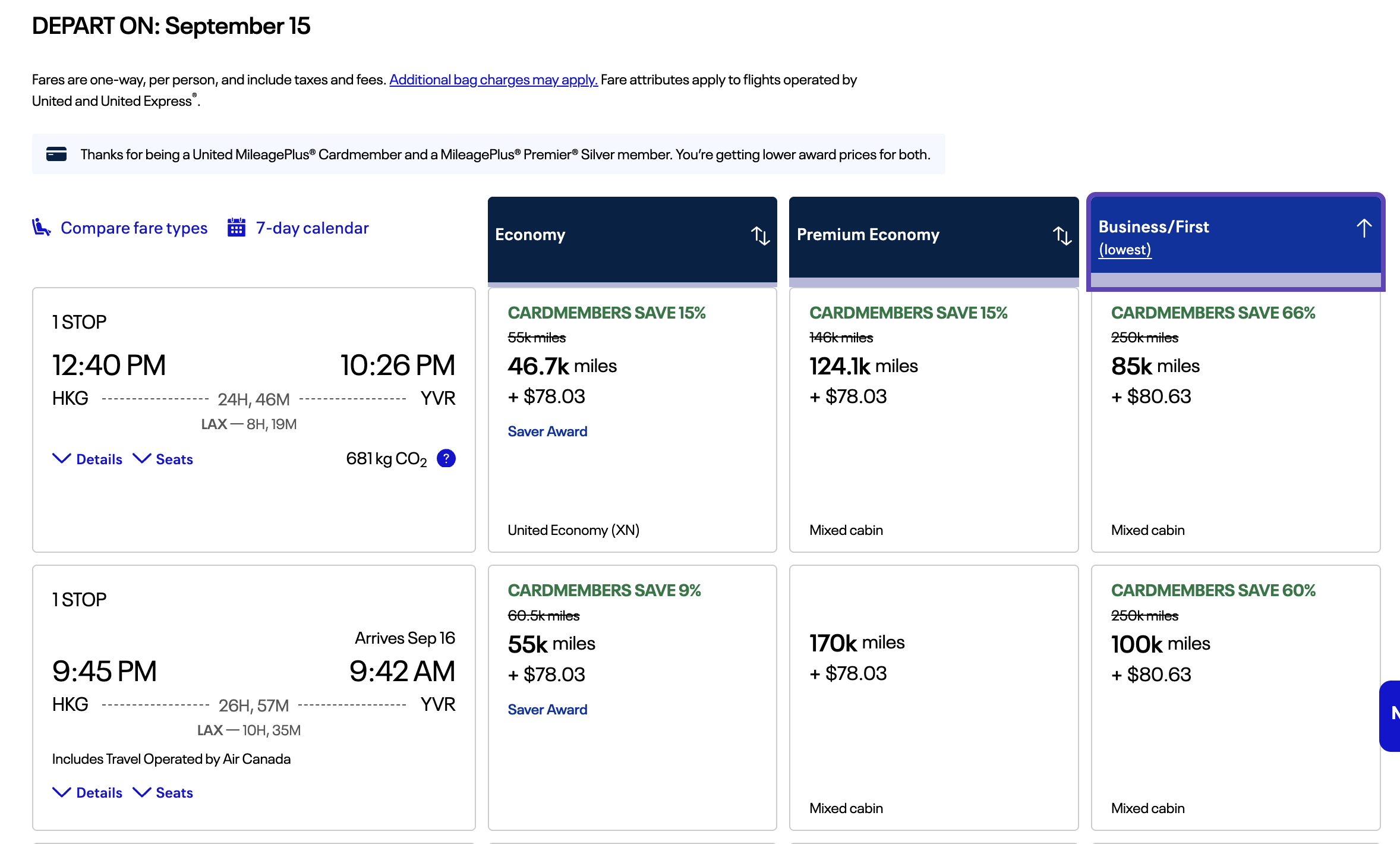
When I was searching for examples, I was actually quite surprised at how much better Saver award availability is with status / with status + a co-branded card. On some dates, there were also 2, 4, and sometimes upwards of 6 seats available at the reduced price, which is great news for couples and families.
While United doesn’t have the best product or onboard experience, I think these are great examples of why you should consider United as a viable option if your travels bring you to Oceania, Asia, or South America.
I didn’t see as many examples of vastly increased Saver awards on United’s unique flights to Africa; however, that’s also something I’ll consider looking at again in the future.
Conclusion
The recent launch of the United® MileagePlus® Neo World Elite® Mastercard gives Canadians access to United’s award ecosystem, and it makes the entire Amex MR-to-Marriott Bonvoy-to-United MileagePlus transfer path significantly more interesting.
The Cobalt Card, which effectively earns 3 United miles per grocery dollar through Marriott Bonvoy and the RewardsPlus partnership, is now arguably the best way for any Canadian to build a meaningful United MileagePlus balance.
Pair it with the Neo card’s saver access and Premier Silver status (via Marriott Titanium), and you have a setup that didn’t exist for Canadians six months ago. In my opinion, it’s a great strategy to access United Polaris business class on routes where Aeroplan‘s dynamic pricing on Air Canada flights has made saver business class awards the exception rather than the rule.
This story originally appeared on princeoftravel

