


For every classic Western movie that holds up for generations, countless others age poorly and feel outdated by today’s standards. However, all-time greats like John Ford’s The Searchers and Sam Peckinpah’s The Wild Bunch overcome their controversial nature and remain eminently watchable due to their masterful technical craft. On the flip side, a handful of throwback Westerns have aged like milk since their releases, including a few hits that were celebrated at the time of their release.
The reasons these productions don’t hold up when seen through today’s lens vary. Whether it’s due to cultural appropriation, insensitive depictions of Indigenous Americans, or offensive portrayals of real-life massacres, the following Western movies released between 1931 and 1970 are painful to watch in 2026. Even Best Picture winners and classics enshrined in the National Film Registry aren’t immune from being outmoded.
‘Cimarron’ (1931)
The Best Picture Winner Perpetuates Racist Caricatures
The Backstory: Cimarron was Hollywood’s first Western to win Best Picture at the Academy Awards. At the time, the story of the 1899 Westward Expansion received overwhelmingly positive reviews. However, looking back, the movie’s overt prejudices are established in the opening title card: “In 1899, President Harrison opened the vast Indian Oklahoma lands for white settlement . . .2,000,000 acres free for the taking.” The movie glorifies Manifest Destiny, colonist ideology, and perpetuates racist stereotypes.
Why It’s Unwatchable Now: Cimarron’s depiction of Black characters is reduced to cringe-worthy minstrel jokes. The gender inequality and portrayals of subjugated women are also wildly outdated and hard to take. The story’s lead, Yancey Cravat (Richard Dix), is also presented as a white savior who will lead America to new heights by seizing, pillaging, and plundering the Native American’s land.
‘Rio Grande’ (1950)
John Ford’s Most Unfavorable Depiction of Indigenous Americans
The Backstory: When John Ford made the seminal Western Stagecoach in the late ’30s, one of its main criticisms was its unflattering depiction of Indigenous populations. More than a decade later, the same problem was found in the 1950 film Rio Grande, a visually stunning John Wayne Western that further treated Native Americans as bloodthirsty and savage. For such an iconic director who often did portray Native Americans sympathetically (as in Cheyenne Autumn), Rio Grande missed the mark.
Why It’s Unwatchable Now: As the weakest entry in the John Ford/John Wayne Cavalry Trilogy, Rio Grande leaves a lot to be desired. Beyond its one-sided, openly negative portrayal of the Apache as monolithic barbarians, the gender dynamics are also archaic. Maureen O’Hara plays Kathleen Yorke as a submissive wife without much agency or hope. The movie also drags with poor pacing, random musical numbers, and a melodramatic tone.
‘Seven Brides for Seven Brothers’ (1954)
A Musical Western With a Premise That Would Never Pass Today
-
Seven Brides for Seven Brothers Metro-Goldwyn-Mayer -
Seven Brides for Seven Brothers Metro-Goldwyn-Mayer
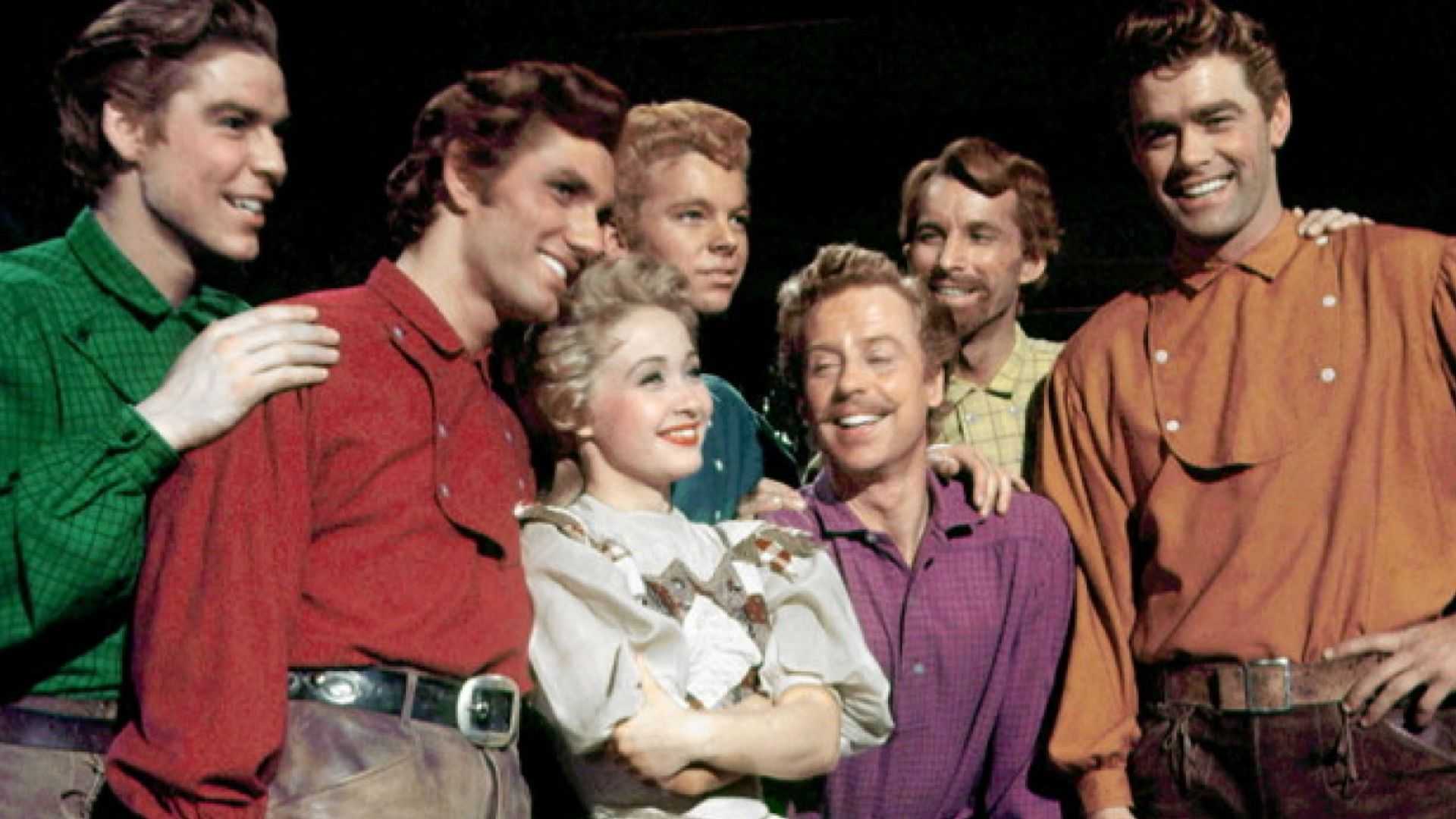
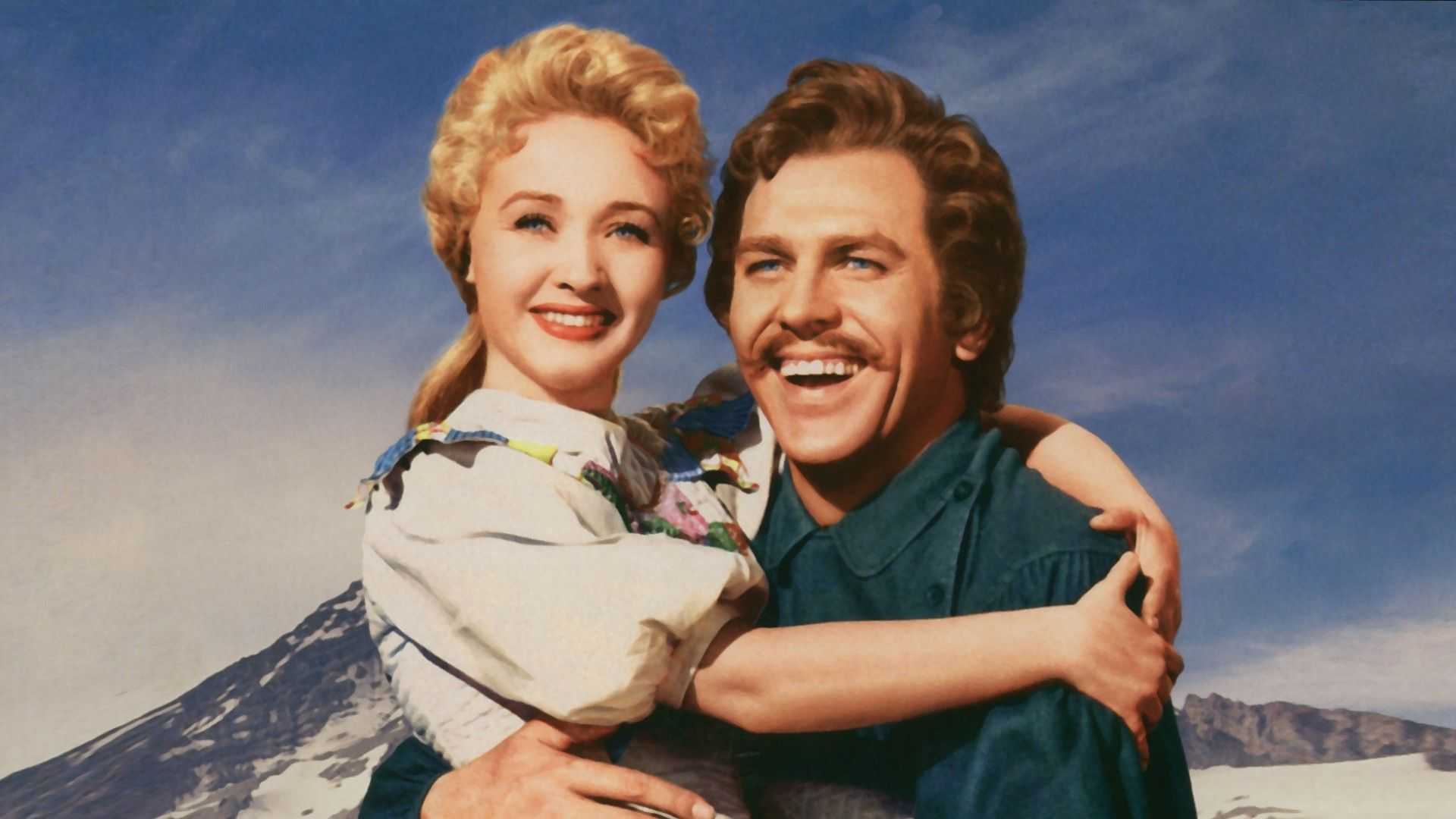
The Backstory: Stanley Donen’s musical Western is set in Oregon in 1850. The story follows Adam Pontipee, who searches for a woman to marry. When Adam brings his new wife, Milly, home, his six brothers decide they want to get married too. Their course of action is to kidnap six women against their will, hold them captive long enough that they begin to fall for them, and live happily ever after. Hailed as a rousing toe-tapper with an 89% Rotten Tomatoes score, the movie feels like a terrifying Black Mirror episode today.
Why It’s Unwatchable Now: Loosely inspired by the Roman myth, The Rape of the Sabine Women, Seven Brides for Seven Brothers turns its non-consensual attempt at romance into a deeply upsetting case of Stockholm Syndrome. What’s most alarming about this is how the kidnapping and forced courtship are presented as a cheery, upbeat, musical celebration. The story glosses over and trivializes the disturbing themes of masculinity, abduction, and romantic coercion.

Seven Brides for Seven Brothers
- Release Date
-
1982 – 1983-00-00
- Network
-
CBS
- Directors
-
John Patterson, James Sheldon, John Florea, Barry Crane, Bernard L. Kowalski, Vincent McEveety, Burt Kennedy, Gary Nelson, Michael O’Herlihy
‘Apache’ (1954)
Burt Lancaster Dons Redface/Brownface to Portray an Apache
The Backstory: Robert Aldrich’s 1954 Western is set after Apache leader Geronimo surrendered in the 1880s. The story follows his successor, Massai (Burt Lancaster), who is the last Apache warrior alive. After Massai is captured and sent to Florida on a prison train to live on a reservation, he escapes, reunites with his beloved Nalinle (Jean Peters), and starts a farm. But much like that time when John Wayne played a Mongolian warlord in The Conqueror, Lancaster was woefully miscast.
Why It’s Unwatchable Now: Both Lancaster and Peters were made up in redface/brownface to portray the two Apache characters. A classic example of miscasting white actors in roles that could have and should have gone to Indigenous actors, Apache is wildly out of touch with Hollywood’s modern-day inclusivity. Beyond the insensitive whitewashing, the pace is slow and dull, and the so-called happy ending strays from the novel’s downbeat one.
‘The Alamo’ (1960)
Decades Later, John Wayne’s Movie Feels Like Propaganda
The Backstory: John Wayne’s unrealistic passion project recounts the titular 1836 skirmish between Texas and Mexico, with countless problems that are hard to reconcile. Beyond the glaring historical inaccuracies that do not align with real events, Wayne used the story as a platform to voice his staunch anti-communist sentiment as Cold War tensions continued. By turning the Alamo into patriotic propaganda to serve his own political agenda, it’s impossible to take any of it seriously in 2026.
Why It’s Unwatchable Now: Disregarding history and using the movie as a soapbox aren’t The Alamo‘s only offenses. The most egregious issue with the film is its total erasure of slavery as a major catalyst of the battle. The movie completely ignores Mexico’s attempt to abolish slavery and the white settlers’ desire to preserve it. It also callously omits key figures on both sides who contributed to the battle. If that wasn’t bad enough, the final cut feels more like a first draft.
‘A Man Called Horse’ (1970)
Cultural Appropriation at Its Worst
The Backstory: Richard Harris plays John Morgan, an English aristocrat abducted, enslaved, and treated inhumanely by a Sioux tribe. As he comes to respect his captors, Morgan adopts his new persona as Shunkawakan. With a ridiculous white savior narrative driving the plot, Shunkawakan elevates the tribe and leads them to prominence. The shameless cultural appropriation was so outrageous at the time that the film faced protests and a bomb threat from the American Indian Movement (according to The Telegraph).
Why It’s Unwatchable Now: Beyond the white hero complex, one of the movie’s most memorable scenes depicts the Sioux’s sacred Sun Dance/Sun Vow Ceremony. The scene is handled with crass exploitation, showing Shunkawakan being initiated into the tribe by being suspended from bone hooks pierced through his chest. For a movie released in 1970, well after the previously listed controversies, there’s no excuse for A Man Called Horse to be so inaccurate about the Sioux.
‘Soldier Blue’ (1970)
Trivializes Real-Life Massacres With Ultra-Gory Violence
-
A native holds a rifle in Soldier Blue Embassy Pictures -
Honus and Cresta appear in Soldier Blue Embassy Pictures -
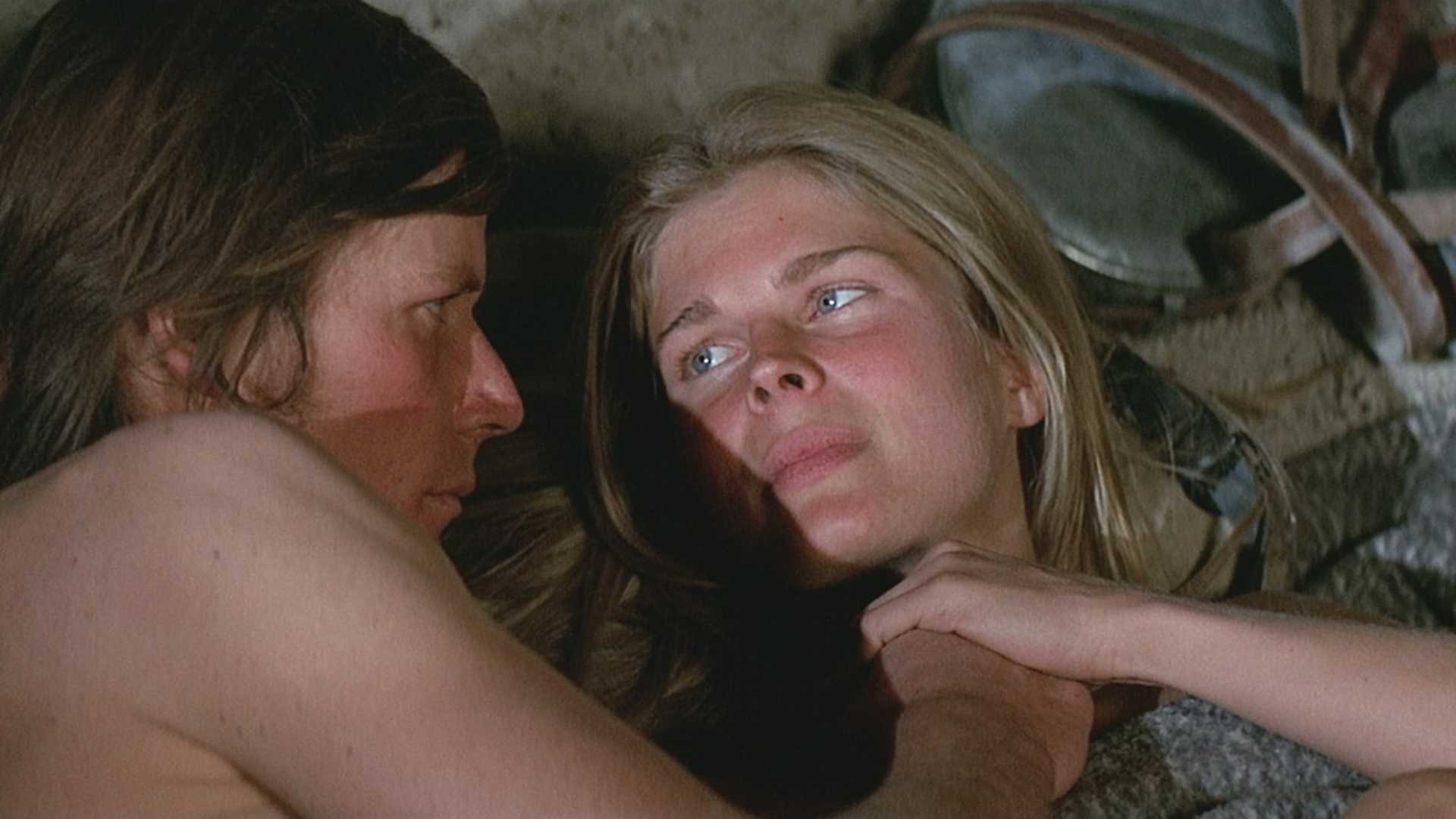
Honus and Cresta lay together in Soldier Blue Embassy Pictures
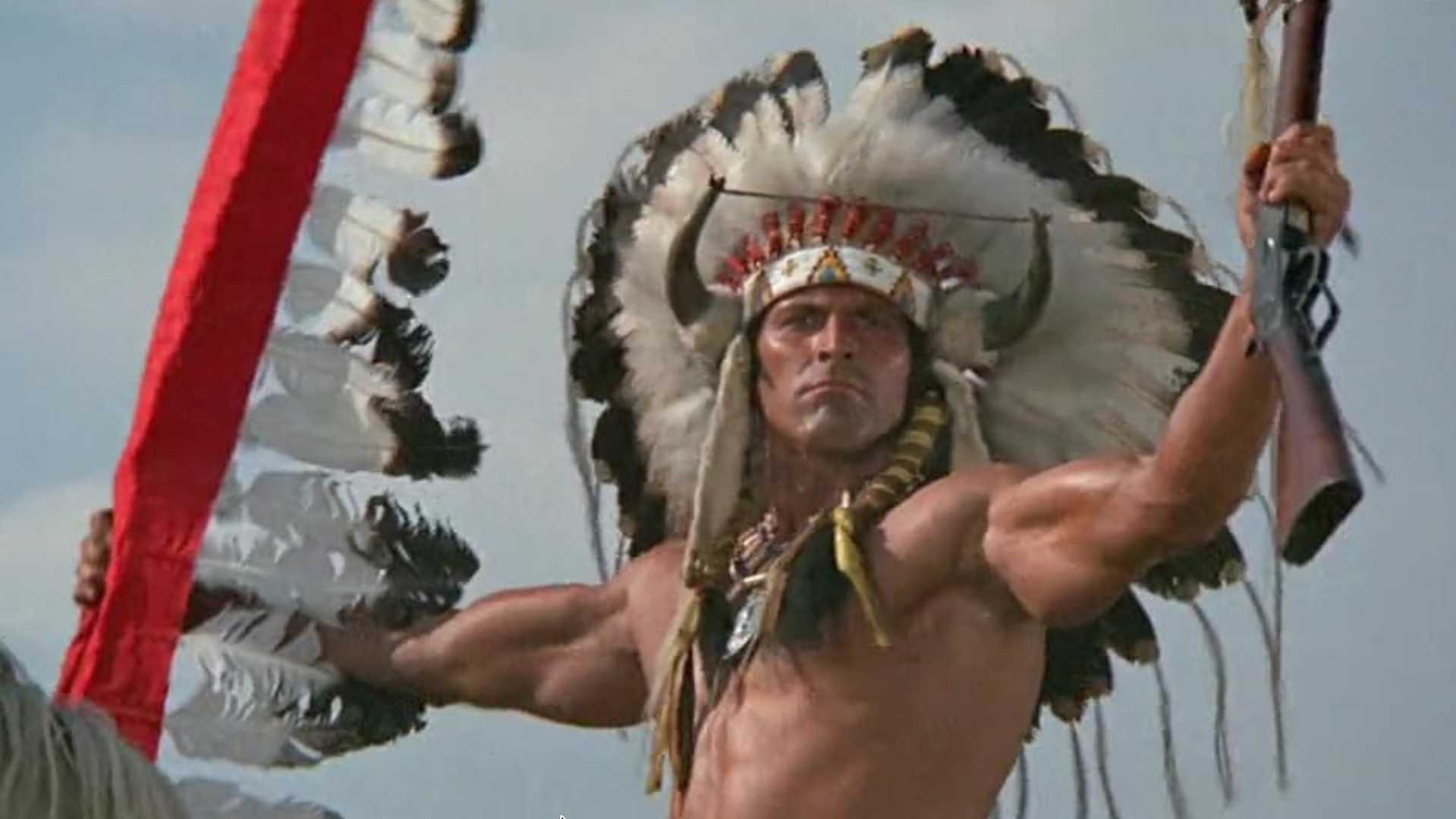
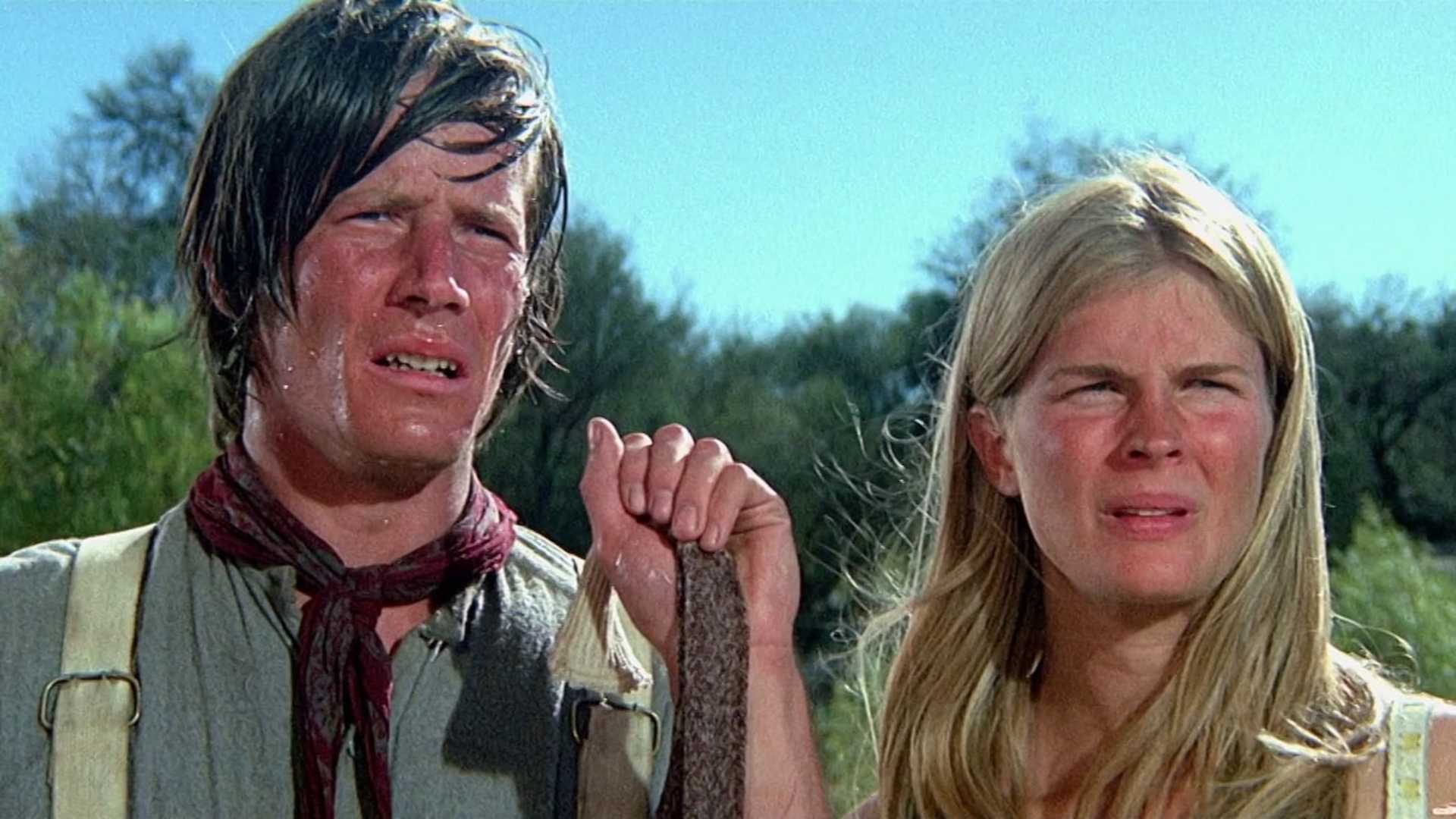
The Backstory: Soldier Blue is hard to defend. Set in Colorado Territory in the 1800s, the movie was among the first to depict the 1864 Sand Creek massacre, one of the deadliest incidents in American frontier history. The extremely graphic violence seen during the massacre was hard to stomach in 1970 and even harder to deal with today. In fact, the workprint was so violent that it nearly sparked riots among test audiences, forcing the studio to make extensive edits (via The Telegraph).
Why It’s Unwatchable Now: Soldier Blue was released during the height of the Vietnam War, and many have noticed a disturbing parallel between the Sand Creek massacre and the My Lai Massacre. Both historical events are treated with exploitative violence, depicting Americans as unforgivable colonizers who rape, chain, and torture outsiders without remorse. The ending is particularly brutal, going from a ho-hum romantic Western into a rampage that is unnecessarily ugly.

- Release Date
-
August 12, 1970
- Runtime
-
112 minutes
- Director
-
Ralph Nelson
- Writers
-
John Gay
- Producers
-
Gabriel Katzka, Harold Loeb
-

Candice Bergen
Kathy Maribel Lee, ‘Cresta’
-
-
Donald Pleasence
Isaac Q. Cumber
-
John Anderson
Col. Iverson

This story originally appeared on Movieweb

