


Wealthsimple is ending cash back on foreign-currency purchases made with its credit cards. Starting December 11, 2026 (January 25, 2027 in Quebec), anything you buy in another currency will earn 0% cash back, though the cards still won’t charge foreign transaction fees.
My Wealthsimple card has been my one-for-all card whenever I travel. From a Didi ride in China to a purchase in Mexico City, I’ve put just about everything on it, since it earned 2% cash back with no FX fees. That combination ends on December 11.
But it isn’t the only change. The travel insurance on both cards got better in November, and award flights are now covered as long as part of the ticket is paid with the card.
Generation clients are also getting a new perk that pays $100 when a flight is delayed three hours or more, with no claim to file. And Premium status is about to get much easier to reach.
Wealthsimple Ends Cash Back on Foreign-Currency Purchases
Wealthsimple announced the change on November 25 as part of a wider update to its rates and benefits. It applies to every client status, from Core to Generation.
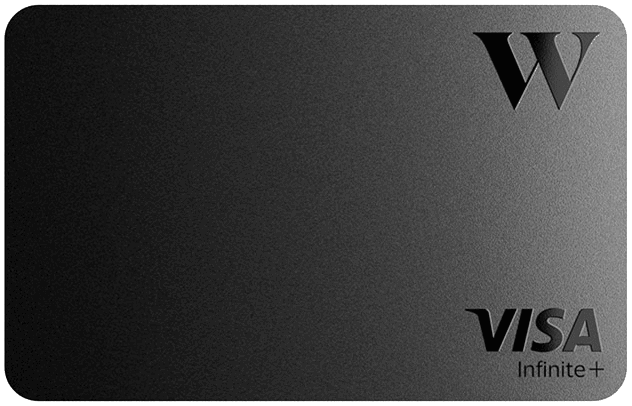
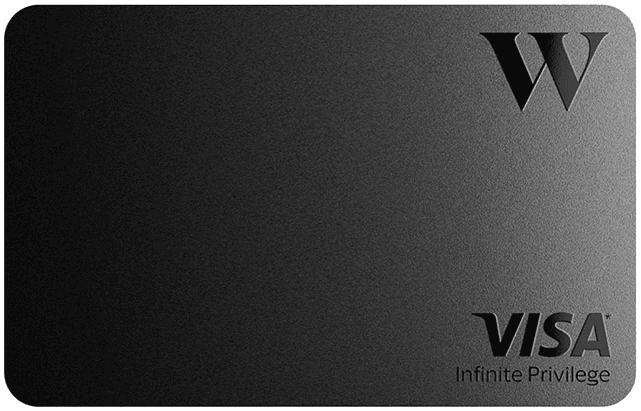
That covers the Wealthsimple Visa Infinite +* Credit Card, the Wealthsimple Visa Infinite Privilege* Credit Card, and the 1% card that Wealthsimple is still testing in beta.
- Cash back on foreign-currency purchases: 0%, from December 11, 2026 (January 25, 2027 in Quebec)
- Cash back on Canadian-dollar purchases: no change
- Foreign transaction fees: still none
- Business prepaid card: its 1% cash back on foreign-currency purchases also drops to 0% on the same dates
The change covers any purchase in another currency, not just the ones you make while travelling. A US subscription or a hotel prepaid in euros from your couch in Toronto won’t earn cash back either.
Wealthsimple’s explanation is that most cards paying cash back on foreign purchases charge FX fees of 2.5% or more to fund it. It says it had to choose between covering those fees and paying cash back, and it chose the fees.
For every $1,000 you spend in a foreign currency, you’ll give up $20 in cash back. You’ll still avoid the roughly $25 that a typical card would charge in FX fees, so the cards remain cheaper to use abroad than most. They just don’t pay you anything on top anymore.
If you pay the $240 annual fee rather than having it waived, the math gets tighter. That fee now has to be earned back on Canadian-dollar spending alone, which takes $12,000 a year at 2%.
Which Card to Use Abroad Now
A Wealthsimple card is still a decent card to carry abroad, since it saves you the usual FX fee. But if you want to keep earning on foreign spending, a few no-FX cards in Canada still pay rewards on it.
- The Scotiabank Passport® Visa Infinite +* Card has a $150 annual fee and no FX fees. Its 2x Scene+ categories, including dining, entertainment, and transit, earn the same on foreign purchases, and everything else earns 1 point per dollar spent.
- The Quicksilver World Elite Mastercard® has no annual fee and no FX fees. It earns 3% cash back at grocery stores and gas or EV charging stations, and 1% on everything else, though how a foreign merchant is coded isn’t guaranteed.
A card with an FX fee can still come out ahead, too. The RBC® ION+ Visa charges the usual 2.5% on foreign purchases, but it earns 3 Avion points per dollar spent on dining, groceries, gas, rideshare, and transit, which is probably most of what you spend on a trip.
We value Avion points at 2 cents each, so that’s an effective 6% return. Even after the 2.5% fee, you’re still netting about 3.5% in those categories, on a card with a $48 annual fee.
We compare the rest in our guide to credit cards with no foreign transaction fees.
Cards That Still Earn Abroad
† Terms and conditions apply. RBC is not responsible for maintaining the content on this site. Please click on the ‘Apply Now’ link and refer to RBC page for up to date offer terms and conditions.
Corresponding legal references and product terms are available on the RBC website, which will be available and agreed upon in the customer onboarding process.
Award Flights Are Now Covered by the Travel Insurance
The other half of the news is more positive. New Chubb insurance certificates took effect for both cards on November 2, 2026, and the most useful change for points collectors is a new definition of “Full Cost.”
The certificates now define it as the cost of the trip or airline ticket, less anything paid for by redeeming points from any travel reward program, as long as there’s a dollar amount left that’s paid with the card.
In practice, if you book a reward flight with Avios and pay the taxes and fees with your Wealthsimple card, the trip qualifies for the card’s trip cancellation and interruption, flight delay, and baggage coverage. On the Privilege card, the same rule applies to the rental car coverage.
That isn’t a given with other cards. Even on the RBC® British Airways Visa Infinite†, the flight delay and baggage coverage only applies to trips paid with the card or Avion points, so a flight booked with Avios isn’t covered.
The certificates don’t spell out how the points themselves are treated in a cancellation claim. The clearest win is on flight delays and lost or delayed bags, where the coverage reimburses your expenses rather than the ticket.
A few other things changed in the same update:
- Emergency medical: now covers the first 21 days of a trip, up from 14, for cardholders under 65 ($1 million on the Visa Infinite +* card and $2 million on the Privilege card)
- Rental car coverage on the Privilege card: now covers vehicles with an MSRP of up to $100,000, up from $65,000
- Quebec residents: can now opt in to the travel coverages, which weren’t available to them before
- Trip interruption: the $150-a-day allowance for hotels and meals on a delayed return is now capped at $1,000
You’ll find the full breakdown of each card’s coverage on our card pages and in our reviews of the Visa Infinite +* card and the Privilege card.
Wealthsimple Credit Cards
Flight Delay Cash Back for Generation Clients
Wealthsimple has also started rolling out Flight Delay Cash Back, a separate perk for Generation clients, who hold at least $500,000 with Wealthsimple.
If you’re the primary cardholder on one of its Visa Infinite cards, you add your flight in the app at least 12 hours before departure. If it leaves three hours late or more, you get $100 in cash back, plus another $200 if the delay reaches six hours, for up to $300 per flight.
- The flight must be bought with your Wealthsimple card, and you have to be on it
- You can add up to 12 flights in each 12-month period
- Only departure delays count, so cancellations, diversions, and missed connections don’t
- It’s paid on top of any airline compensation and the card’s own flight delay insurance
The terms don’t say whether an award ticket with the taxes paid on the card counts as bought with the card, so I’d check with Wealthsimple before counting on it for an award booking.
This is different from the flight delay insurance on the card, which reimburses up to $1,000 in reasonable expenses like meals and a hotel when a flight is delayed more than three hours. Flight Delay Cash Back pays a flat amount whether you spend anything or not.
Generation clients also get a $100 Apple credit starting January 4, 2027 (January 25, 2027 in Quebec), once a year after a single Apple Marketplace purchase of $300 or more.
Both perks are for Generation clients only, and $500,000 with one company is probably a barrier for most people. It’s quite clear that Wealthsimple is using perks like these to bring more clients into its ecosystem, with the best ones tied to how much you hold there.
Premium Status with a $4,000 Direct Deposit
Wealthsimple is also lowering the bar for its Premium status. Starting December 11, 2026, you’ll move to Premium automatically if you have $4,000 or more in eligible paycheque direct deposits in the current or previous calendar month. Until now, Premium took $100,000 in assets with Wealthsimple.
- A single deposit of $4,000 or more counts
- Eligible deposits include payroll, CPP, OAS, EI, and some pension, government, and insurance payments
- If one member of your household qualifies, the whole household gets Premium
- Direct deposits don’t count toward Generation
From December 11, Premium clients earn 2.75% on savings, up from 2.5%, while their chequing rate drops to 1% from 1.75%. The direct deposit boost, which added 0.5% to chequing interest, ends the same day.
For cardholders, $4,000 a month in direct deposits already waives the $240 annual fee on both cards. So if your paycheque goes to Wealthsimple, you’ll now get Premium status on top of a free card.
Conclusion
Losing cash back on foreign purchases takes away the Wealthsimple cards’ biggest edge for travellers. With no FX fees, they still save you about 2.5% abroad compared with most cards, but they no longer earn anything on top.
At the same time, the insurance is better than it was a month ago, especially if you book reward flights. Generation clients now get paid for long delays without filing a claim, and a $4,000 monthly paycheque will soon be enough for Premium.
If most of your spending is in Canadian dollars, the cards work much as before. If you spend a lot abroad, it’s worth adding a no-FX card that still earns on foreign purchases before December 11.
This story originally appeared on princeoftravel

