


Warning: This article contains SPOILERS for VisionQuest Episode 7, “Immolation.”The penultimate episode of VisionQuest, titled “Immolation,” features some game-changing reveals, including the identity of Paladin’s mysterious client. While more of that reveal will likely play out in the season finale, most of VisionQuest’s seventh episode focuses on Vision exploring his own mindscape and coming into contact with the Synthetic Man’s source code, the basis for all AI in the MCU. This reveal matters in the context of VisionQuest; it is also a huge milestone for Marvel, marking the live-action debut of its oldest hero.
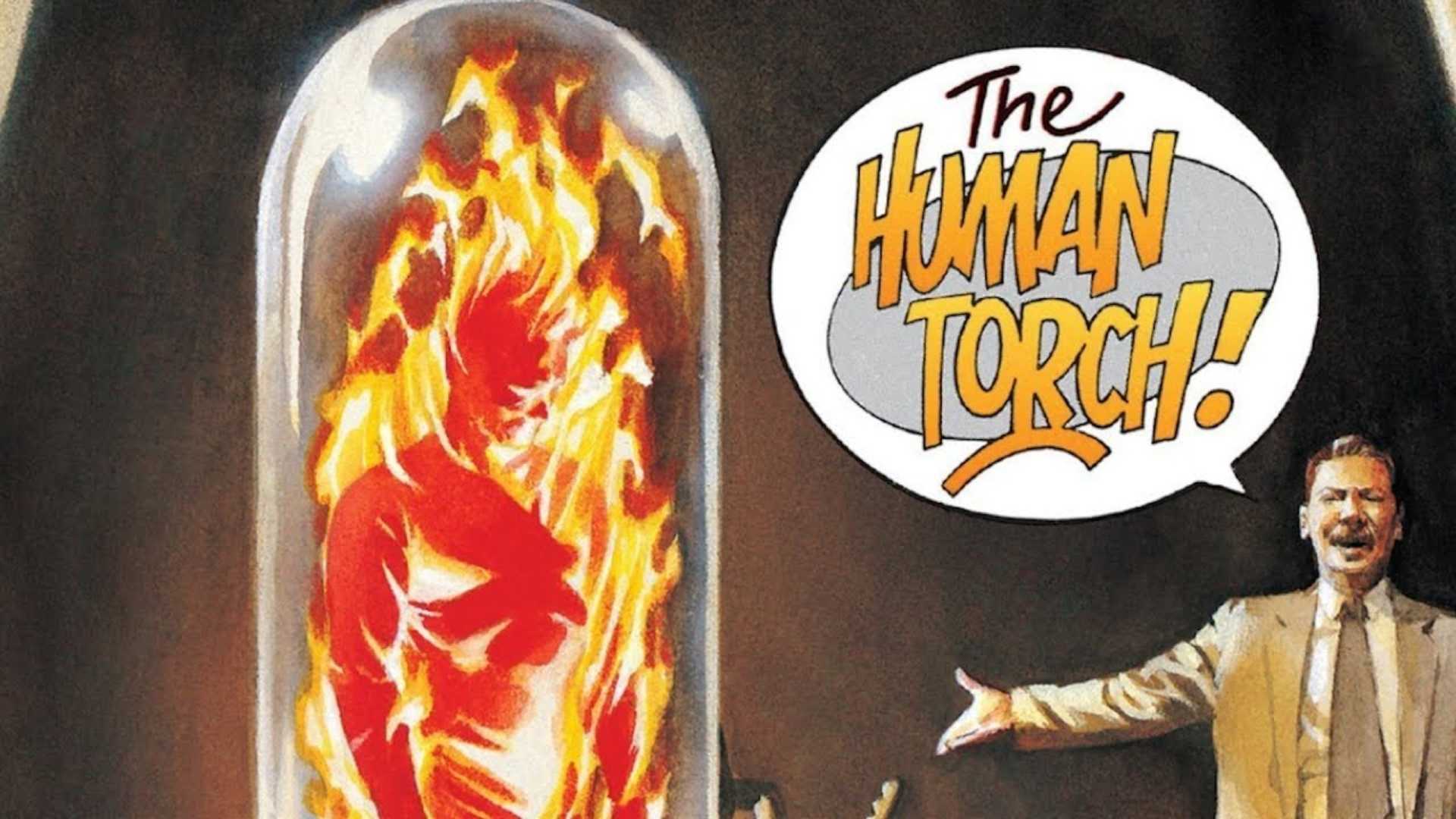
As VisionQuest marketing hinted, the series is introducing the original comic version of The Human Torch — not the one associated with The Fantastic Four, but an android from the 1930s who, in the comics, fought alongside Captain America in World War II. Here is why VisionQuest’s debut of The Human Torch (here called the Synthetic Man) is such a big deal in terms of the character’s comic book history and how it adapts Vision’s complex origin, tying together nearly 20 years of MCU history.
The History of The Original Human Torch Explained
-
The Human Torch Marvel Comics -
The Human Torch Marvel Comics
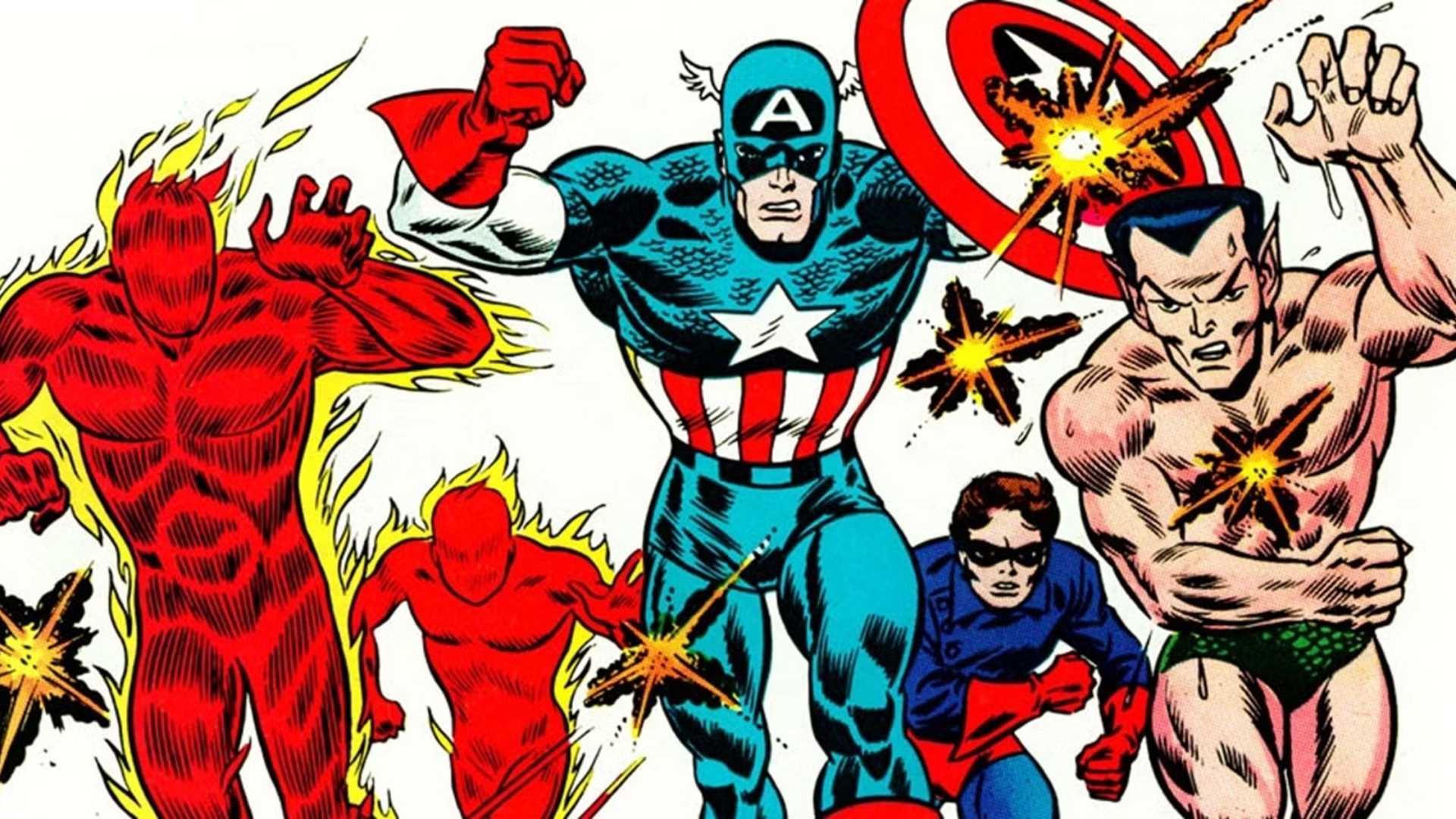
Created by writer and artist Carl Burgos, The Human Torch debuted in Marvel Comics #1 in October 1939 under Timely Comics, which later renamed itself Marvel after the Torch’s debut series. The Human Torch was the cover image for Marvel Comics #1, which also introduced Namor the Submariner. This made The Human Torch and Namor the first two superheroes of the Marvel Universe.
In the comics, The Human Torch is an android created by scientist Phineas Horton, and he bursts into flames when exposed to oxygen. The Torch learns to control his abilities and eventually joins the New York City Police Department under the civilian identity of Jim Hammond.
In the 1940s, the Human Torch was one of comics’ biggest superheroes and, alongside Captain America and Namor, was seen as Timely Comics’s big three. All three heroes served on the team The Invaders. In the 1950s, as superhero comics began to fade into obscurity, Timely Comics, now renamed Atlas Comics, shifted its focus to science fiction, monster, and romance stories.

When Stan Lee and Jack Kirby created The Fantastic Four as an homage to the original Human Torch, they gave Johnny Storm the codename. The publication of The Fantastic Four #1 marked Atlas Comics’s official rebranding as Marvel Comics and the true beginning of the Marvel Age. The android Human Torch would later join the new Marvel continuity in Fantastic Four Annual #4 from November 1966. By this point, Johnny Storm had become the de facto Human Torch, leaving the original bouncing around the outskirts of the Marvel Universe.
The Human Torch is a foundational character to the creative DNA of the Marvel Universe. The character set the template for what would become the Marvel superhero that Stan Lee, Jack Kirby, Steve Ditko, and many more in the 1960s would follow, as his powers made him somewhat of an outcast and often a perceived threat, similar to Spider-Man, the Hulk, and the X-Men.
His showdown with Namor the Submariner in Marvel Mystery Comics #9 in July 1940 was the first-ever comic crossover, laying the foundation for an interconnected superhero universe audiences still enjoy today.
Jim Hammond’s Human Torch is also vital to Vision’s origin, a plotline VisionQuest is finally addressing.
The Synthetic Human Torch’s Role in the MCU Honors His Marvel History
-
Human Torch J.I.M. in the Marvel Cinematic Universe Disney+ -
Human Torch J.I.M. in the Marvel Cinematic Universe Disney+ -
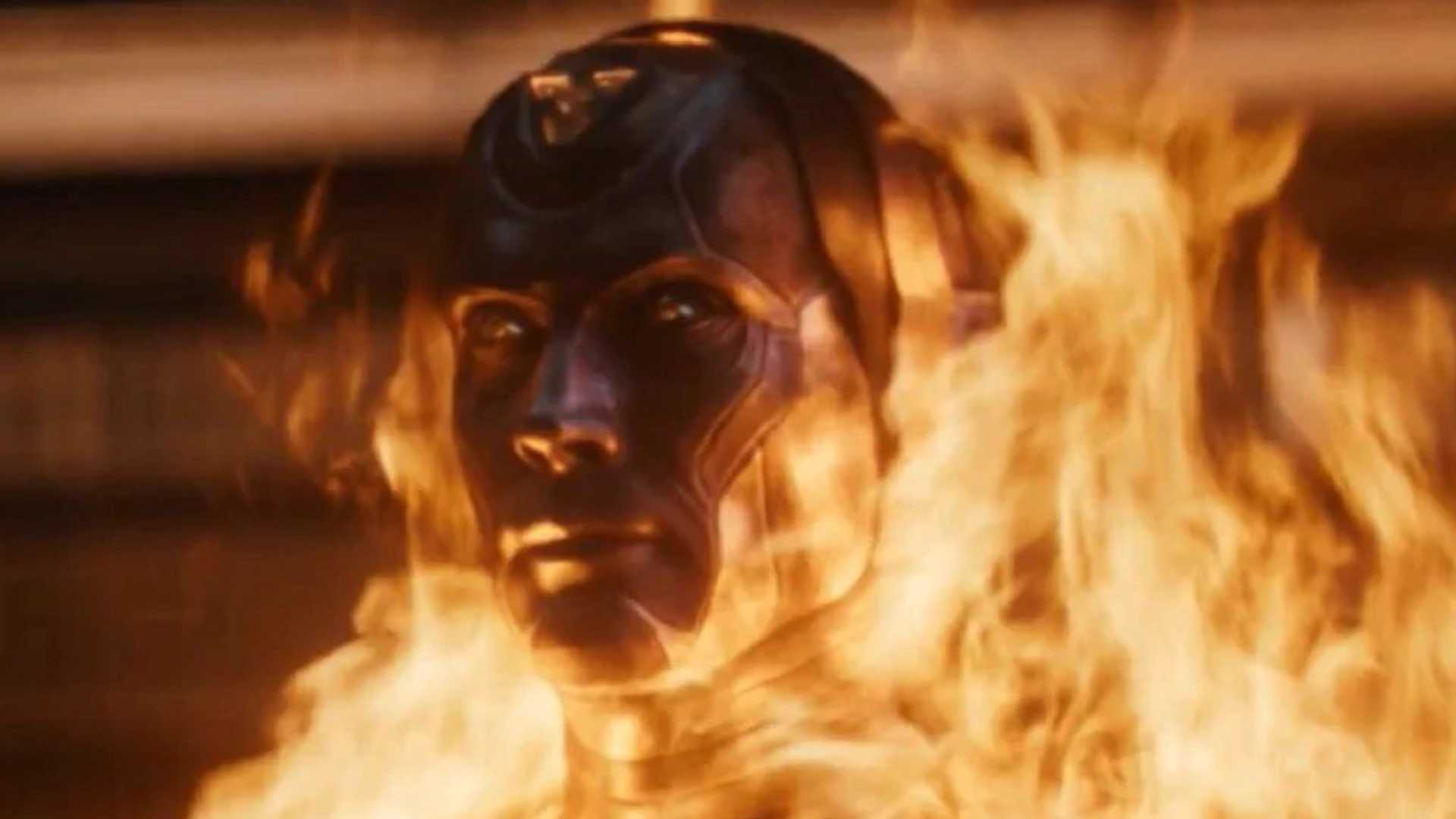
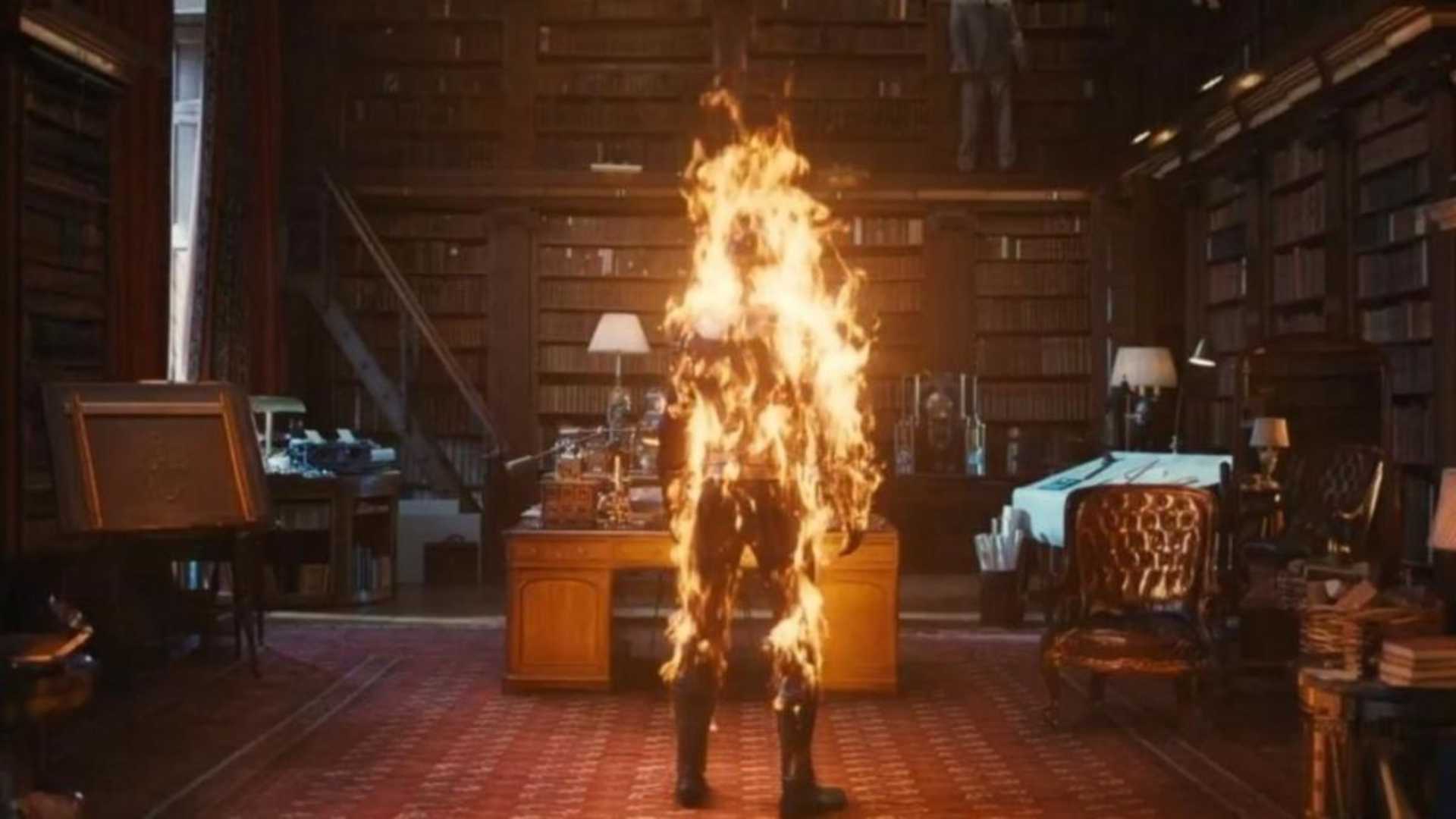
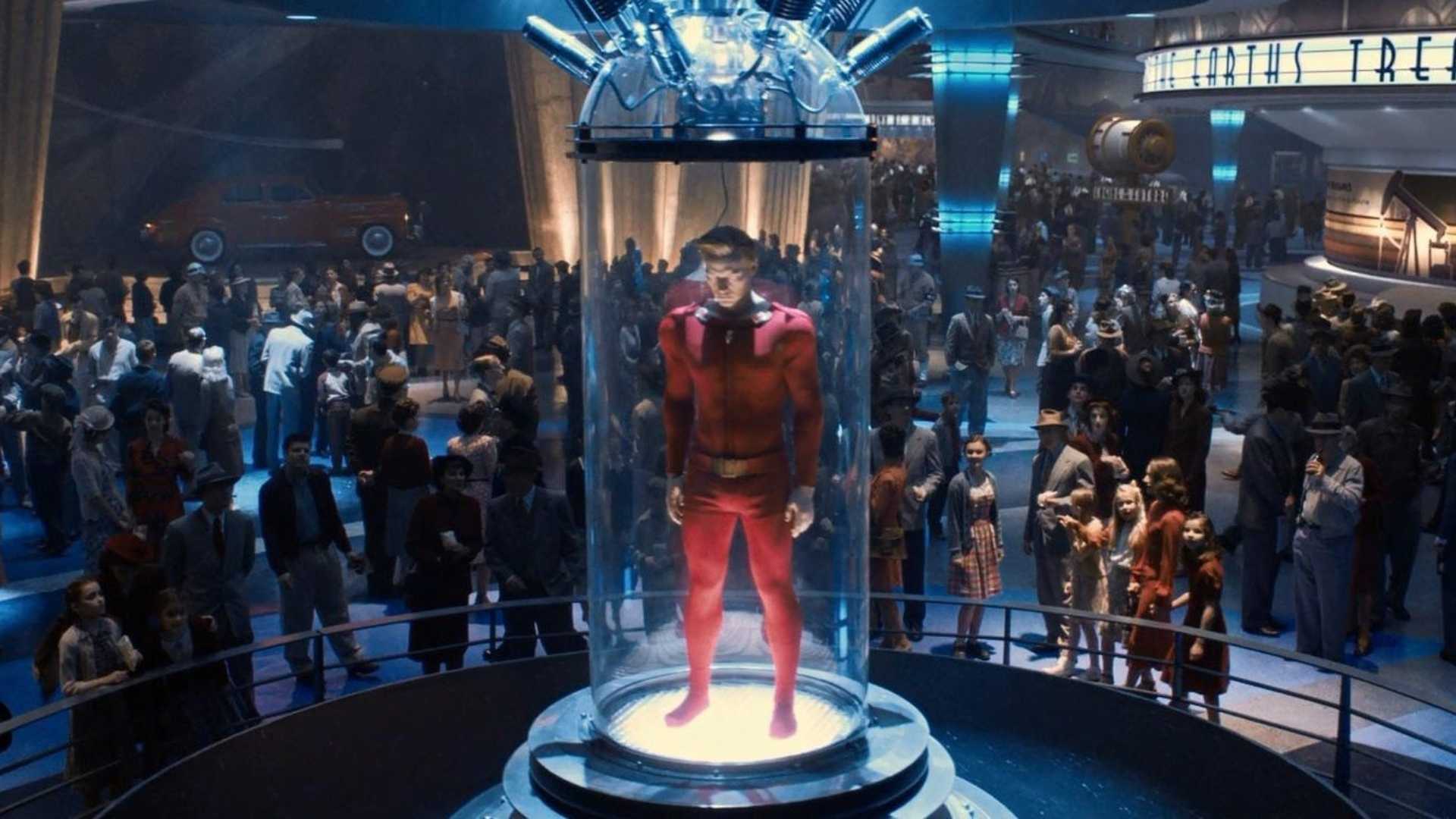
Human Torch J.I.M. in the Marvel Cinematic Universe Disney+
In the comics, Jim Hammond’s Human Torch plays a major role in the creation of The Vision. Through numerous retcons, it was established that Vision’s body was created using replica parts of the original Jim Hammond Human Torch. Those parts, combined with the brain patterns of Simon Williams/Wonder Man, became the foundation of Vision. VisionQuest has now taken that complicated, convoluted backstory and streamlined it by paying off years of MCU continuity and one of the franchise’s earliest Easter Eggs.
In Captain America: The First Avenger, when Steve Rogers and Bucky Barnes visit the 1943 Stark Expo (then called the World Exposition of Tomorrow), they pass a pavilion featuring the original Human Torch in a glass case. The mannequin in the case is wearing the character’s classic costume. At the time, it was nothing more than a simple Easter egg, a homage to the 1940s Captain America comics.
Nobody could have imagined this would ever actually pay off or become part of the MCU’s larger story. Fifteen years later, in VisionQuest, it finally has.
In homage to the comic Vision being built from Jim Hammond’s body parts, VisionQuest establishes that Vision and the other AIs are built on the foundational source code Phineas Horton created for his Synthetic Man named J.I.M. VisionQuest also has Paul Bettany play J.I.M. and Phineas Horton, meaning Vision wears the same face and uses the voice of the original Synthetic Man, similar to J.A.R.V.I.S. being based on Edwin Jarvis, Howard Stark’s butler.
The reveal of the same face, along with the source code, means the MCU’s version of Vision is inspired by and built on the foundational information in Phineas Horton’s plans for J.I.M. Vision’s newly revealed backstory and relationship to The Synthetic Man is a great adaptation of the android Human Torch story from Marvel Comics, as well as working on its own terms within the wider franchise. However, it also suggests a lingering plotline left over from Marvel’s pre-Avengers: Doomsday plans.
The Synthetic Man Hints at Original Plans for Kang the Conqueror
-
 Disney+
-
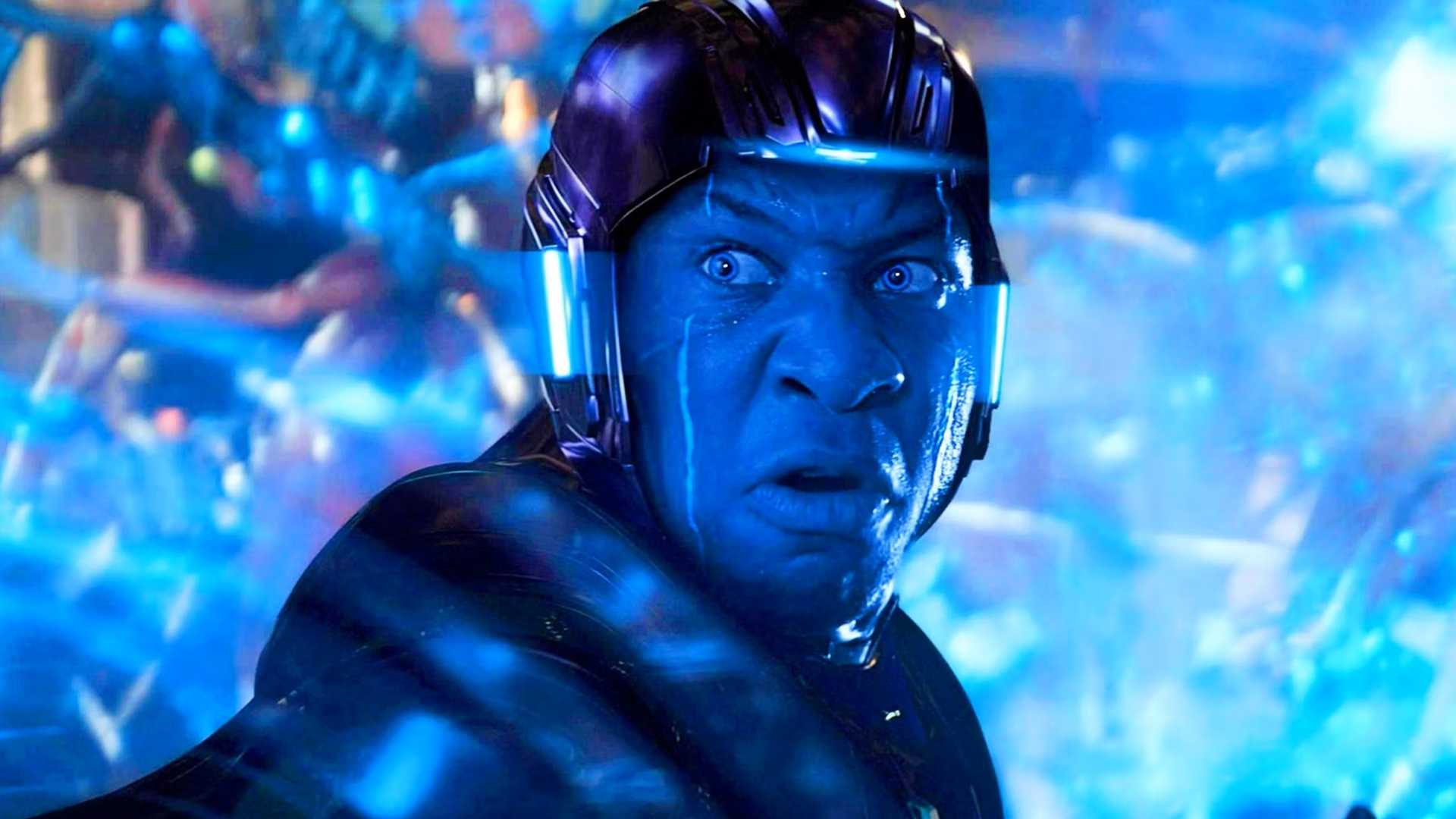
Jonathan Majors as Kang wearing his helmet Marvel Studios -
 Disney+
One notable element of the Vision/Human Torch connection in the comics is who is connected to their creation. A retcon revealed that it was none other than Victor Timely, a variant of Kang the Conqueror, who employed Phineas Horton to create the android Human Torch and built a backdoor protocol to take control. Victor Timely previously appeared in Loki Season 2, played by Jonathan Majors.
Loki established that Victor Timely was active in the late 19th century, specifically 1893. This is 46 years before the opening sequence of “Immolation” and 50 years before Steve Rogers and Bucky Barnes attend the Stark Expo, with The Synthetic Man on display, in The First Avenger.
It is entirely possible VisionQuest would have made an offhand reference or even a larger reveal that J.I.M., and by extension all the AIs of the MCU, were built by Phineas Horton studying the work of Victor Timely. This would also create a direct lineage between The Synthetic Man, Vision, Miss Minutes, and Kang’s own advanced artificial intelligence he used to monitor the Time Variance Authority.
|
Date |
Event |
Project |
|
1863 |
Victory Timely receives TVA Guidebook from Ravonna Renslayer and Miss Minutes |
Loki |
|
1893 |
Victor Timely is at the Chicago World’s Fair |
Loki |
|
1939 |
Phineas Horton signs rights away to estate to finish J.I.M. |
VisionQuest |
|
1943 |
J.I.M. on Display at 1943 Stark Expo |
Captain America: The First Avenger |
|
2008 |
Tony Stark Buys Markridge Biotech and the core AI base code, leading to J.A.R.V.I.S. |
VisionQuest |
|
2015 |
Ultron and Vision are Built |
Avengers: Age of Ultron |
|
2023 |
S.W.O.R.D. rebuilds Vision |
WandaVision |
|
2028 |
Vision is being hunted by Paladin for The Client |
VisionQuest |
Given that VisionQuest began development in early 2022, when Marvel Studios was building up Kang the Conqueror as the ultimate villain of the Multiverse Saga, the series might have been part of the larger story that would have set up Avengers: The Kang Dynasty. If so, Marvel Studios scrapped those plans when it fired Jonathan Majors in December 2023. The MCU quickly abandoned all plans for Kang the Conqueror and shifted to Doctor Doom as the next Avengers-level threat, with Avengers: Doomsday replacing The Kang Dynasty.
Now VisionQuest stands as the final MCU project before Avengers: Doomsday, though it doesn’t seem to lead directly into the film since the series isn’t part of the Disney+ “Road to Doomsday” watchlist. Yet even without the Kang the Conqueror setup, VisionQuest has worked as a great entry into the larger MCU. It has honored the franchise’s 18-year history, dating back to Iron Man. Now, with the proper introduction of the MCU’s version of Jim Hammond/The Human Torch, it is a love letter to the 86 years of Marvel Comics history.

- Release Date
-
2026 – 2026-00-00
- Network
-
Disney+
- Directors
-
Vincenzo Natali, Christopher J. Byrne, Gandja Monteiro, Terry Matalas
- Writers
-
Terry Matalas, Cindy Appel, Nicole Falsetti, Christopher Monfette, Matthew Okumura, Michael Taylor

This story originally appeared on Movieweb

